
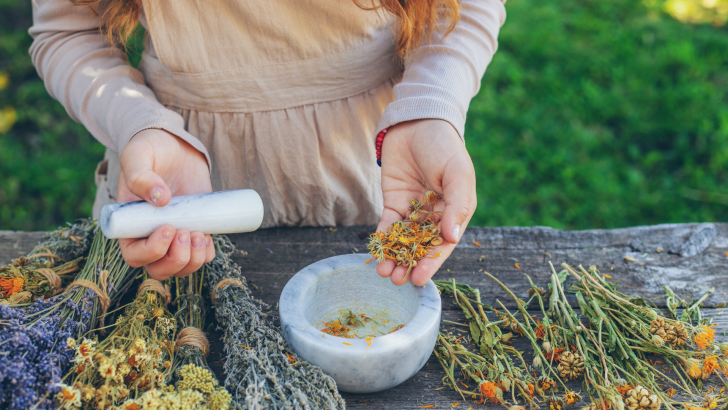
For thousands of years, people believed that plants carried more than healing properties. Many herbs and flowers were thought to hold spiritual power.
They were burned, worn, planted near homes, or placed under pillows to guard against evil spirits and harmful energy.
In a world where illness, bad luck, and unexplained events felt mysterious, these plants offered a sense of protection and hope.
Whether you view these traditions as folklore, symbolism, or sacred practice, they reveal something timeless about human nature.
People have always looked to the natural world for comfort, healing, and a way to feel safe from unseen forces.
1. Garlic
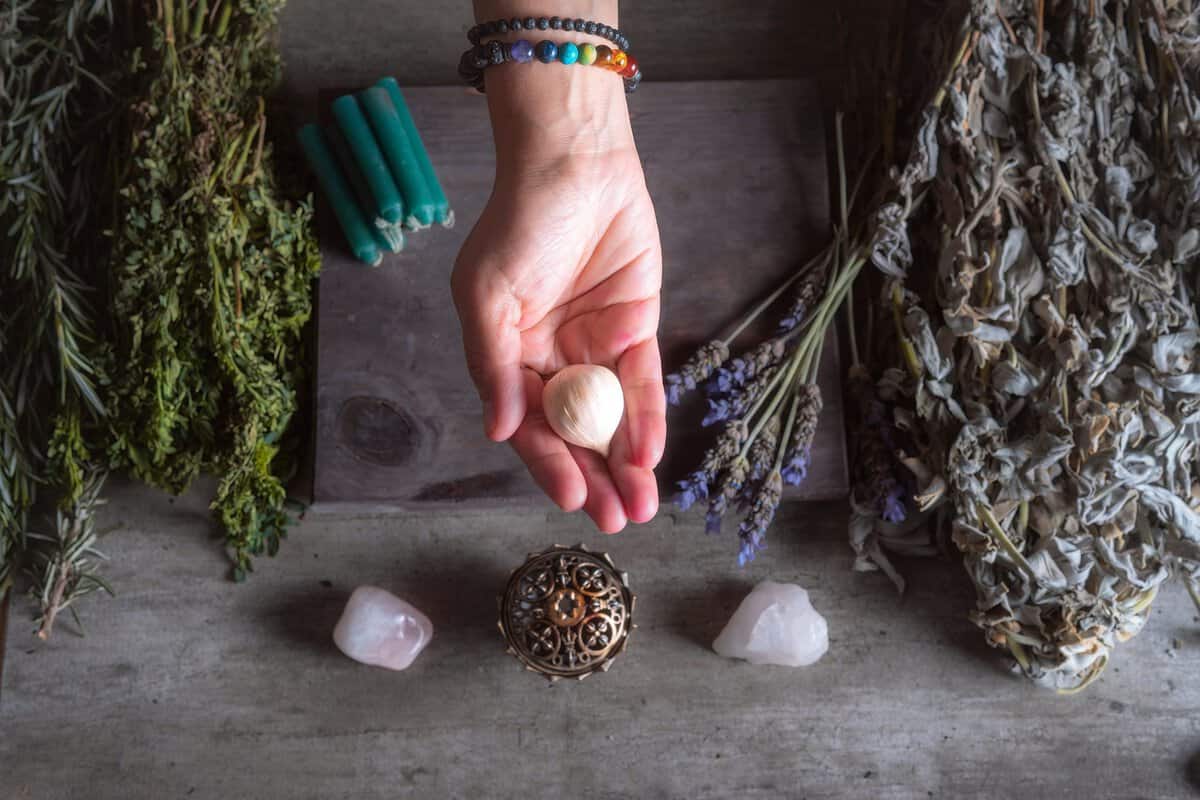
Garlic is one of the most famous protective plants in folklore. While many people know it from vampire legends, its reputation is much older and much broader.
In ancient Europe, the Middle East, and parts of Asia, garlic was believed to repel demons, curses, and evil spirits.
People hung garlic near doors and windows, carried cloves in their pockets, and placed it under their beds.
Its sharp smell and strong medicinal properties made it seem like a natural enemy of anything harmful. If garlic could fight disease, many assumed it could also fight spiritual threats.
Even today, garlic still carries an almost magical reputation as a plant that protects the home and the people inside it.
2. Rue
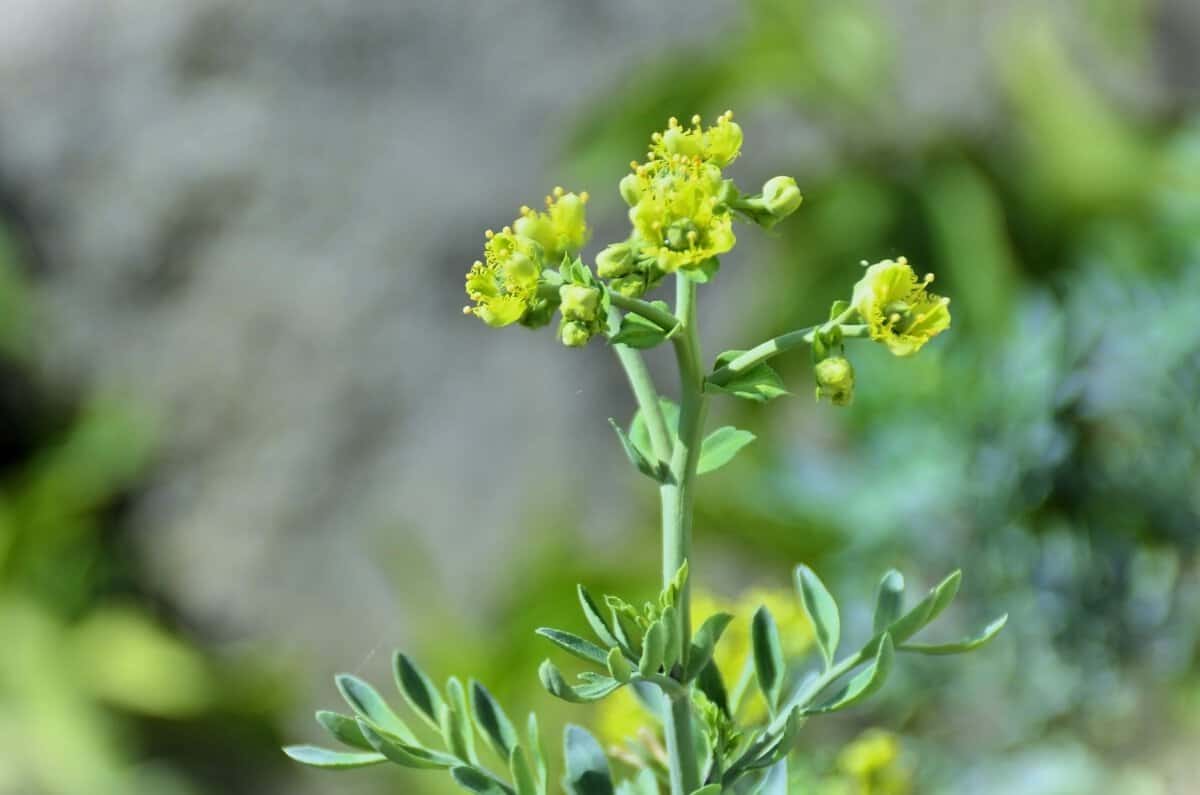
Rue has been used as a protective herb for centuries. In ancient Rome and throughout the Mediterranean, people believed rue could guard against the evil eye and drive away malevolent spirits.
Its strong scent and bitter taste gave it an air of seriousness. Rue was often worn in small pouches, planted near the home, or used in cleansing rituals.
Some healers brushed the herb over a person’s body to remove negative energy. Rue feels like one of those plants with a quiet but powerful presence.
It is not flashy, but it has a long history of being trusted as a spiritual shield. In many traditions, rue represented purification, protection, and the courage to stand against unseen dangers.
3. Sage

Sage has long been associated with wisdom, healing, and purification. Ancient cultures believed its smoke could cleanse a space and remove harmful spirits or lingering negativity.
Bundles of dried sage were burned in homes, temples, and sacred ceremonies. As the smoke drifted through the air, people imagined it carrying away fear and spiritual heaviness.
The ritual itself often created a deep sense of peace. Sage remains one of the best-known cleansing herbs in the world.
Whether used for spiritual purposes or simply for its calming scent, it continues to symbolize the idea that fresh energy can replace whatever feels dark, heavy, or unwanted.
4. St. John’s Wort

St. John’s Wort was believed to protect against evil spirits, especially when gathered around midsummer.
Its bright yellow flowers were associated with sunlight and divine protection. People hung the plant above doors, placed it under pillows, or carried it during travel.
Because it blooms around the summer solstice, it became a symbol of light at its strongest point. There is something hopeful about this herb.
Its golden flowers seem to embody the idea that darkness cannot remain where light is present. For many people, St. John’s Wort was a reminder that spiritual protection can be both simple and beautifully natural.
5. Wormwood
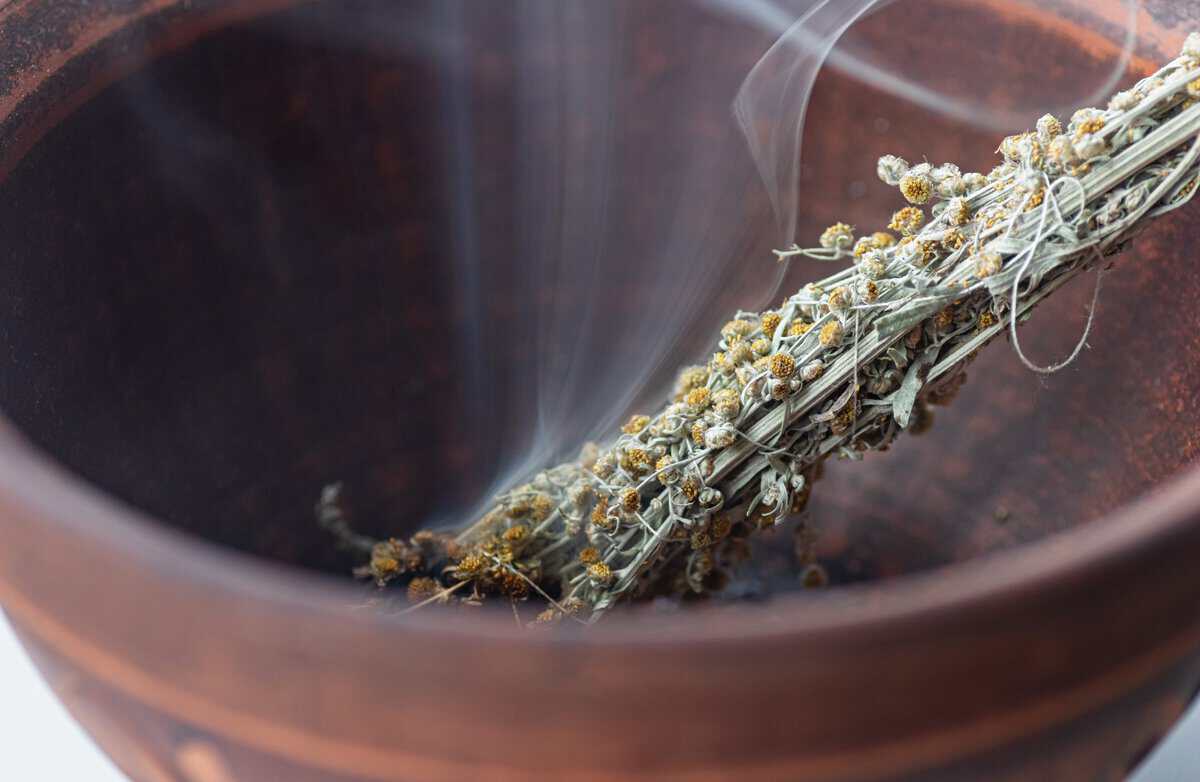
Wormwood was famous for its bitter taste and intense aroma. In ancient cultures, bitter herbs were often believed to repel unwanted spirits and negative influences.
Wormwood was burned as incense, carried as a charm, or added to protective rituals. Its strong nature gave it a reputation as a plant that did not tolerate anything harmful.
Even its name sounds mysterious and powerful. This herb feels like the stern guardian of the plant world.
It was thought to stand at the threshold and keep dangerous energies at a distance. Its symbolism suggests that bitterness can sometimes serve as a form of protection.
6. Rosemary
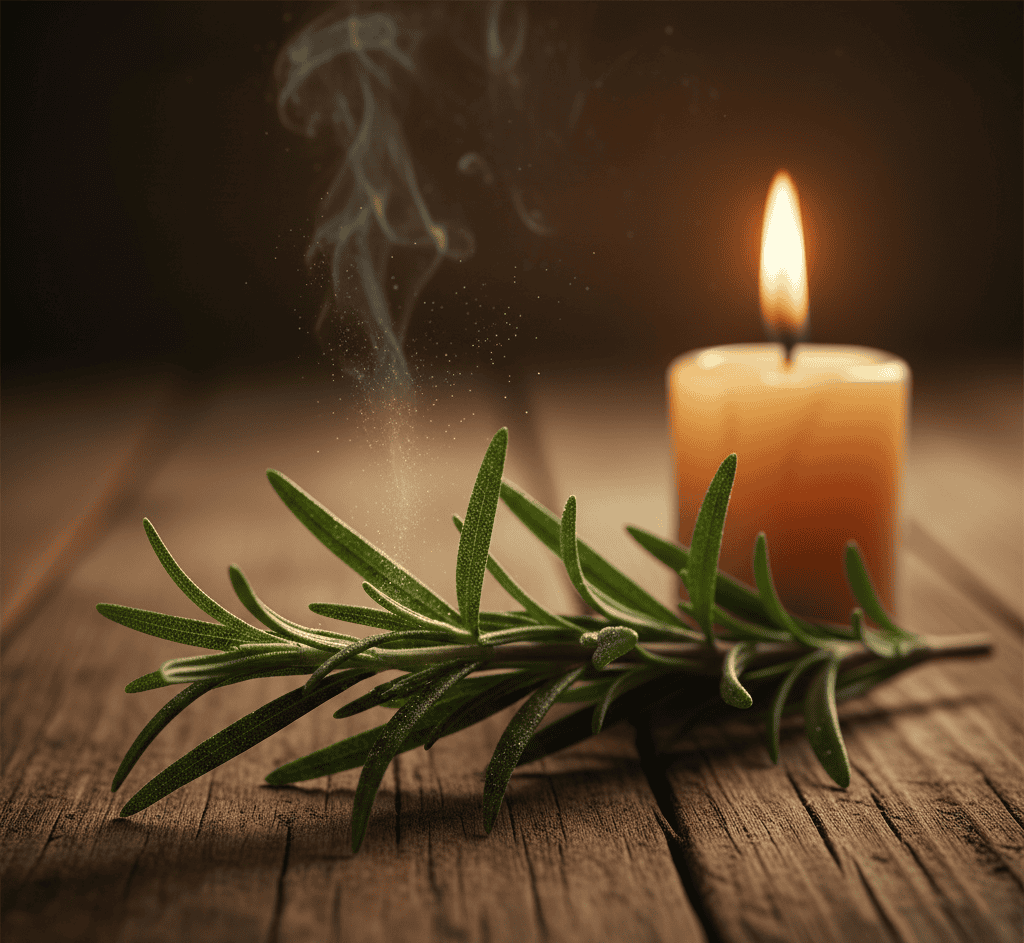
Rosemary was treasured for both practical and spiritual reasons. Ancient Greeks, Romans, and later European folk traditions associated it with remembrance, purification, and protection.
People burned rosemary in sickrooms, placed branches near entryways, and used it in ceremonies to bless a home.
Its fresh scent and evergreen leaves symbolized lasting life and spiritual strength. Rosemary has a warm and comforting presence.
It feels like a plant that quietly watches over a household. For centuries, it reminded people that protection could come from something as familiar and fragrant as a garden herb.
7. Mugwort
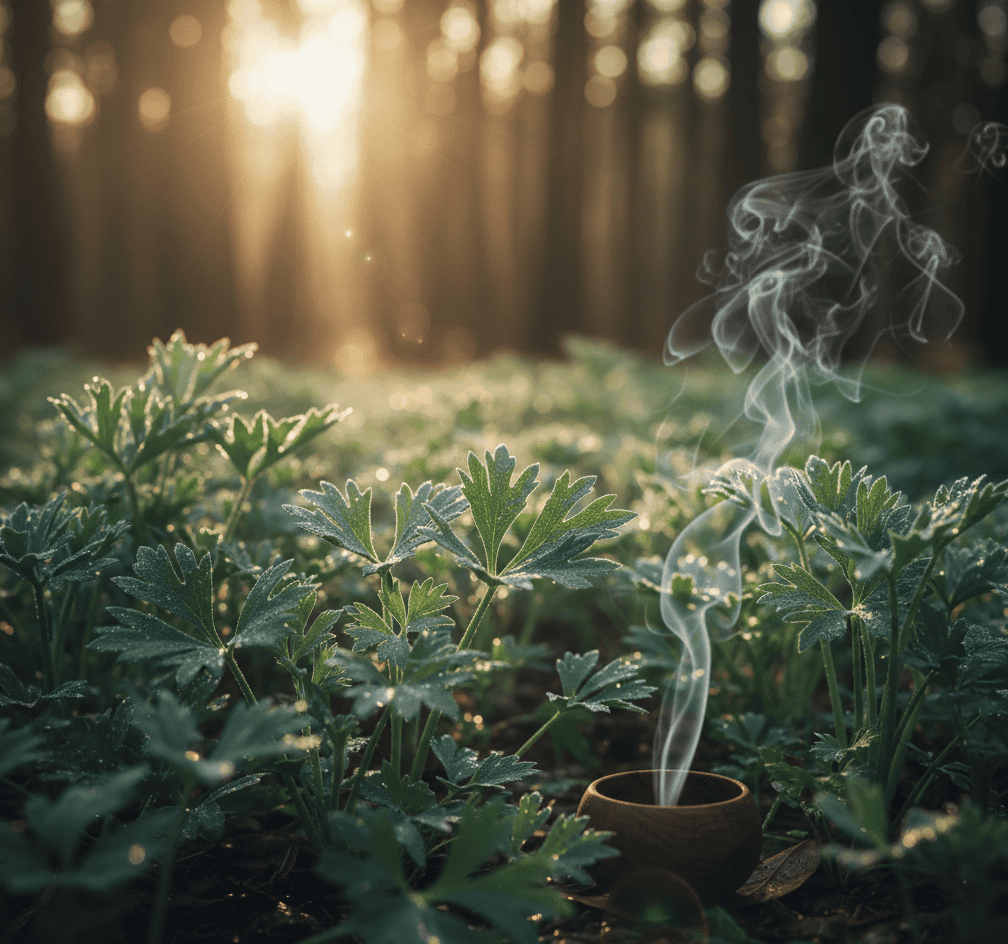
Mugwort was considered one of the most magical herbs in folklore. It was associated with dreams, intuition, and protection from spirits.
Travelers carried mugwort for safety, and many people placed it under their pillows to encourage vivid dreams and ward off nightmares.
It was also burned in rituals to cleanse the mind and home. Mugwort has an almost mystical reputation.
It represents the idea that protection is not only physical but also emotional and spiritual. In many traditions, it helped people feel safer while exploring the unseen world of dreams and intuition.
8. Basil
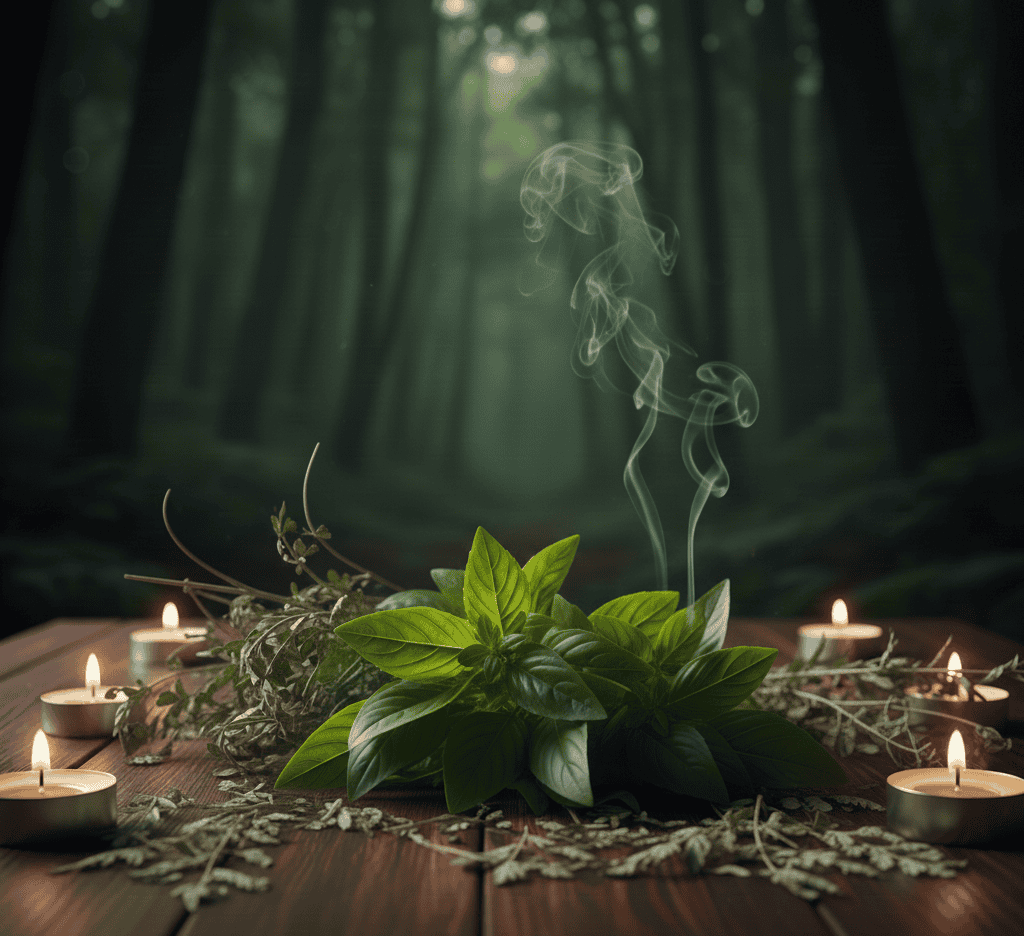
Basil is often associated with freshness and vitality, but it also has a rich spiritual history. In several cultures, basil was believed to attract blessings and repel negative forces.
People planted basil near their homes, used it in purification rituals, and placed leaves on altars. In some traditions, it was considered a sacred herb connected to divine favor and spiritual cleanliness.
Basil carries a surprisingly uplifting energy. Its bright scent and vibrant leaves made it a natural symbol of life and renewal. It reminded people that protection could feel light, joyful, and full of positive energy.
9. Juniper
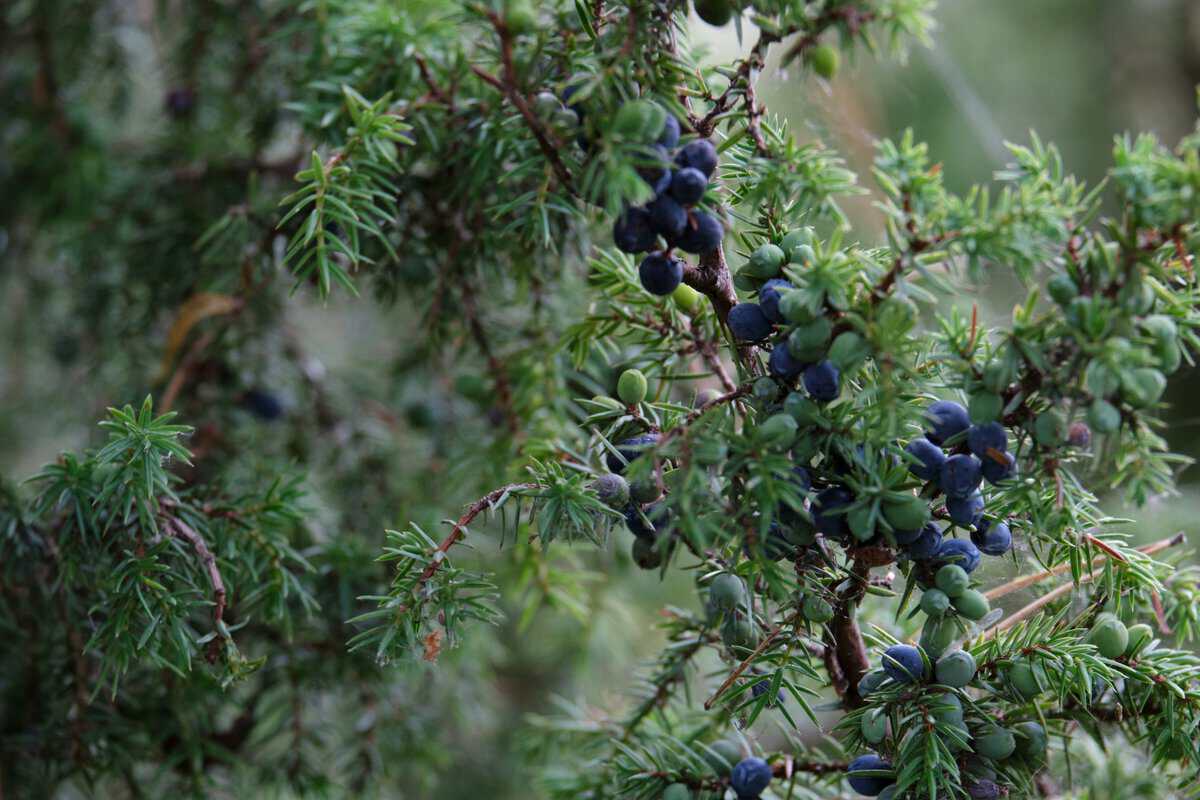
Juniper was widely used in cleansing rituals across Europe, Asia, and the Middle East. Its fragrant branches were burned to drive away evil spirits and purify the air.
Juniper grows in harsh environments, which gave it a reputation for toughness and endurance. People believed the smoke formed a protective barrier around homes and people.
It symbolizes resilience and quiet strength. Just as the plant survives difficult conditions, it came to represent the ability to remain spiritually protected during life’s hardest seasons.
10. Hawthorn

Hawthorn held a special place in Celtic folklore. It was often seen as a tree standing at the boundary between the human world and the spirit world.
People treated hawthorn with great respect. Branches were used for protection, and the tree itself was considered sacred.
Its sharp thorns suggested a natural defense against harmful forces. Hawthorn feels mysterious and ancient.
It reminds us that some plants were believed to guard the invisible thresholds of life. To many cultures, this beautiful tree stood as a living protector between the seen and unseen worlds.

私は生まれたときから、常に神との強いつながりを感じていた。作家として、また指導者として、私の使命は、人々が最も暗い時代に愛と幸福と内なる強さを見つけるのを助けることである。