

Pocahontas is one of the most famous Native American figures in history. But much of what people think they know about her comes from legends and later storytelling rather than documented facts.
Her real name, her family, and her descendants are often misunderstood or oversimplified.
Pocahontas was a real person who lived in the early seventeenth century, and her life was deeply connected to the Powhatan people of present-day Virginia.
Far from being a fictional character, she belonged to a powerful family whose influence shaped early interactions between Native Americans and English settlers.
Even more fascinating is the fact that her family line did not disappear with history.
Through careful records, oral traditions, and modern research, historians have traced parts of her lineage that still exist today.
These eight facts reveal the truth behind Pocahontas’ real family and how her legacy continues in the modern world.
1. Pocahontas Was the Daughter of a Powerful Powhatan Leader
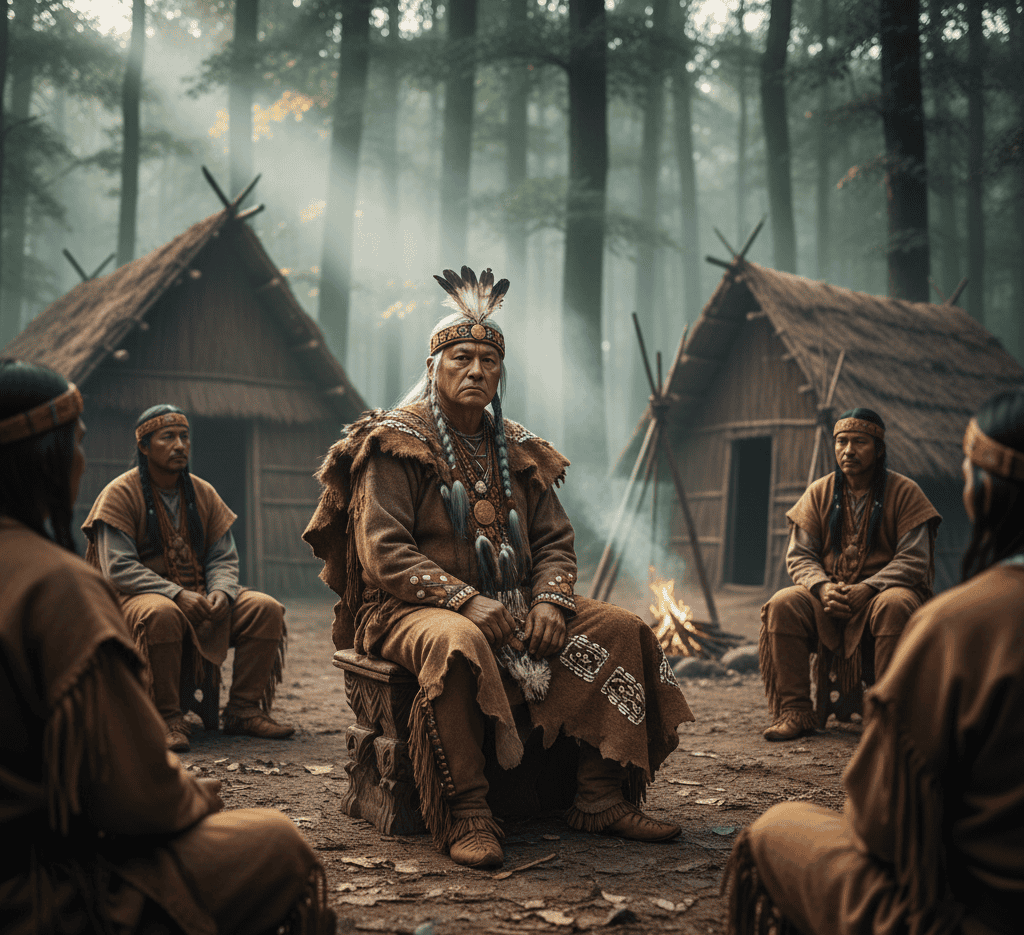
Pocahontas was born into one of the most influential Native American families in the region.
Her father was Wahunsenacawh, known to the English as Chief Powhatan, the paramount leader of a large alliance of Algonquian-speaking tribes in coastal Virginia.
This confederation included dozens of tribes and thousands of people, giving Powhatan immense political and spiritual authority.
Pocahontas was not a princess in the European sense, but she was the daughter of a leader whose decisions affected the entire region.
Her family status meant she grew up surrounded by diplomacy, tradition, and responsibility.
This background explains why she often appeared in historical accounts as a messenger and symbol of peace between her people and the English settlers.
2. Pocahontas’ Real Name Was Matoaka

Pocahontas was a childhood nickname that roughly translates to playful one or mischievous one.
Her real given name was Matoaka, and she may also have been known as Amonute in certain records.
Among the Powhatan people, names were deeply meaningful and could change throughout a person’s life.
Using her nickname publicly was unusual and may have been a deliberate choice by her father or by English settlers.
Understanding her real name helps separate the historical woman from the later legend. Matoaka was a member of a respected family whose identity extended far beyond the stories that would later be told about her.
3. She Had Many Siblings Across the Powhatan Confederation
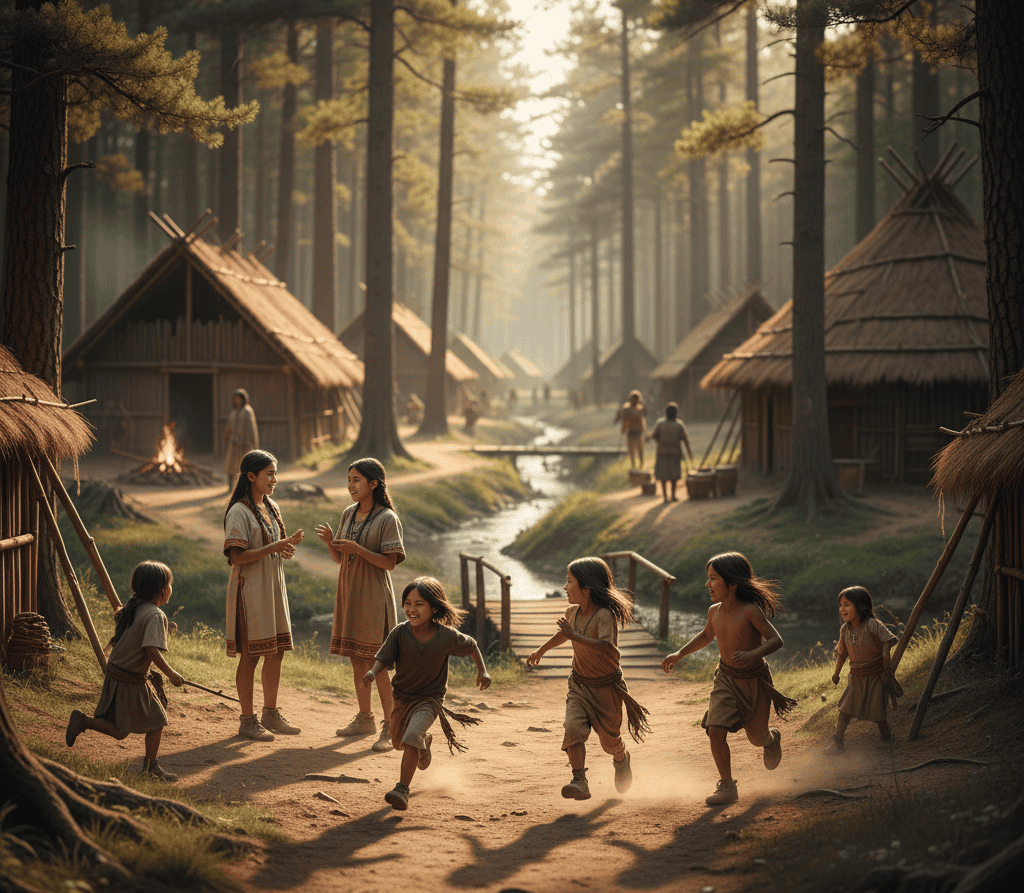
Pocahontas was one of many children of Chief Powhatan. Historical sources suggest he had numerous wives and many sons and daughters spread across different tribes within the confederation.
This meant Pocahontas belonged to a vast extended family network that strengthened political alliances between tribes.
Marriage and kinship were essential tools for maintaining unity and peace within the Powhatan world.
Her many siblings also explain why her family line did not fade away. While Pocahontas herself had limited descendants, her broader family continued through multiple lines that still exist today.
4. Pocahontas Married John Rolfe and Had a Son

One of the most documented facts about Pocahontas’ life is her marriage to English settler John Rolfe in 1614.
This marriage was not a romantic fairy tale but a political and cultural bridge between two worlds.
After her baptism and conversion to Christianity, she took the name Rebecca Rolfe. The marriage brought a period of relative peace between the Powhatan people and the English colonists.
Pocahontas and John Rolfe had one child, a son named Thomas Rolfe. Through him, Pocahontas’ direct bloodline entered recorded English and American genealogy.
5. Thomas Rolfe Has Living Descendants Today
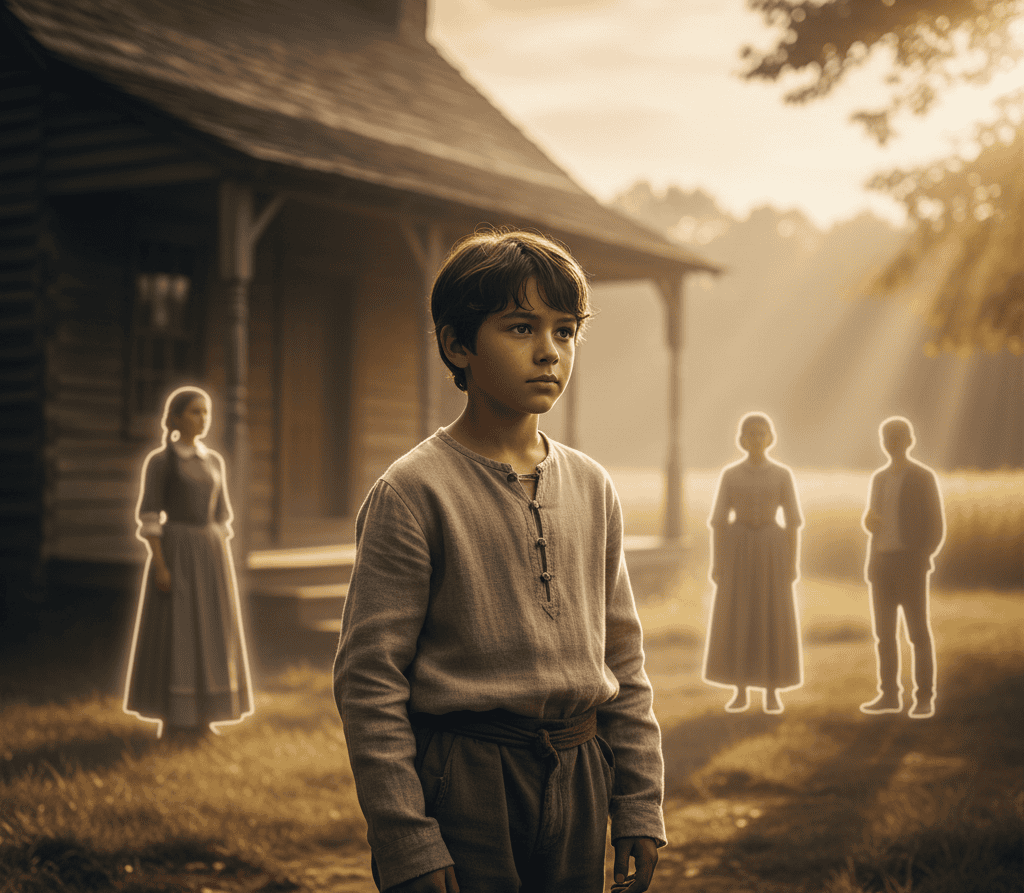
Thomas Rolfe survived into adulthood and eventually returned to Virginia after being raised in England. He married and had children, continuing the Rolfe family line.
Many families in Virginia and beyond have traced their ancestry back to Thomas Rolfe.
While not all claims are accurate, documented genealogical records confirm that Pocahontas does have living descendants today.
These descendants often carry a blend of English and Native American heritage, reflecting the complex history of early colonial America.
Pocahontas’ bloodline did not vanish but became part of the broader story of the nation.
6. Her Powhatan Family Line Continues Through Tribal Descendants

Even beyond Thomas Rolfe, Pocahontas’ family legacy continues through her Powhatan relatives.
Modern Powhatan descendant tribes, such as the Pamunkey and Mattaponi, trace their lineage back to the same ancestral leaders.
These tribes maintain oral histories that preserve family connections passed down through generations.
While not all lines are documented in written records, tribal knowledge plays a crucial role in preserving ancestry.
This means Pocahontas’ family did not survive only through colonial records but through Native traditions that remain alive today.
7. Many False Family Claims Have Emerged Over Time
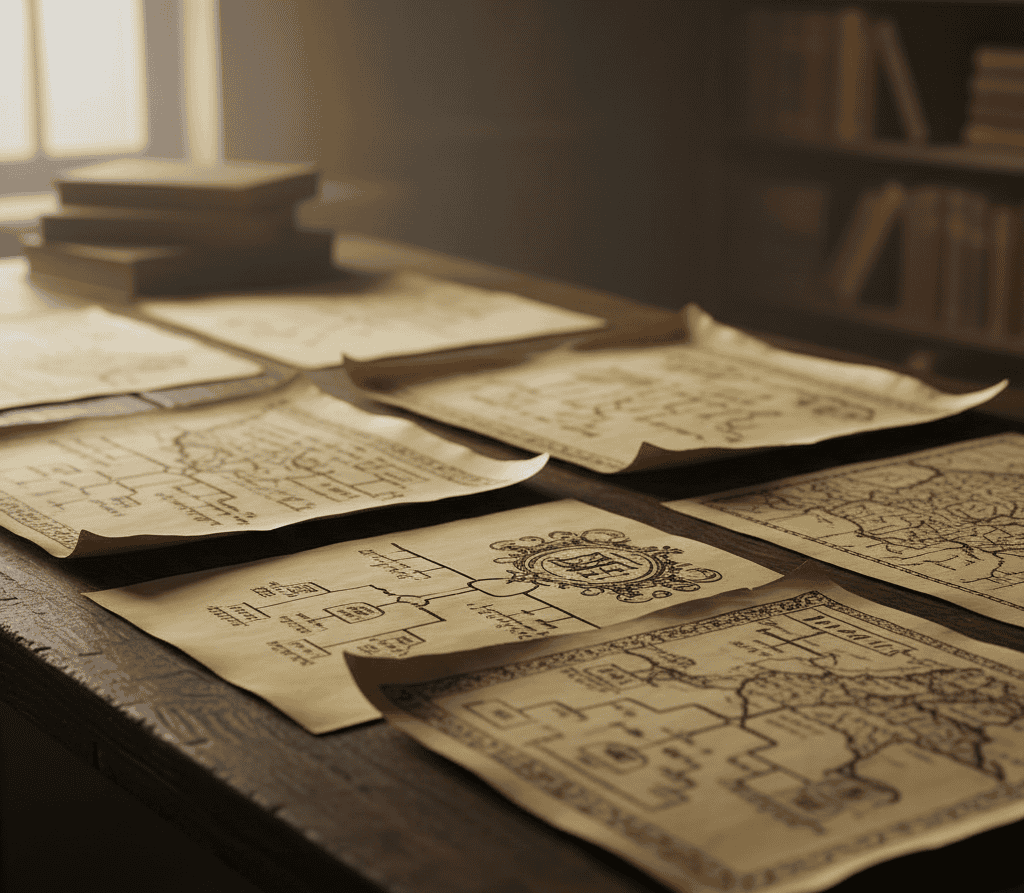
Because of Pocahontas’ fame, many people have claimed descent from her over the centuries.
Some of these claims are based on family stories rather than historical evidence.
Historians caution that Pocahontas had only one known child, making true direct descent relatively rare. As a result, many supposed family connections cannot be verified.
This does not diminish her legacy. Instead, it highlights how powerful her story has become and how deeply people want to feel connected to her life and history.
8. Her Family Legacy Is Cultural as Well as Biological

Pocahontas’ true legacy extends beyond bloodlines. Her family represents one of the earliest points of contact between Native American societies and European settlers.
Her story reflects survival, adaptation, and resilience in the face of enormous change.
Through her descendants and her Powhatan relatives, her family line continues both genetically and culturally.
Today, Pocahontas is remembered not just as an individual but as part of a living heritage.
Her real family line still exists, reminding us that history is not distant or forgotten but carried forward by real people in the present day.

私は生まれたときから、常に神との強いつながりを感じていた。作家として、また指導者として、私の使命は、人々が最も暗い時代に愛と幸福と内なる強さを見つけるのを助けることである。