

Modern work ethic, the grind, and the ハッスルカルチャー didn’t come out of nowhere.
A lot of it leads us back to Protestantism, especially the Reformation and figures like Martin Luther そして John Calvin.
These men didn’t just challenge church authority; they shaped some crucial attitudes about work and personal responsibility that still stand today.
1. The Protestant Work Ethic

Max Weber was definitely onto something when he linked Protestantism, especially Calvinism, with a relentless work ethic.
The core message is: if you worked hard and stayed disciplined, it was seen as a sign you might be destined for 救済.
This idea turned work into a moral duty, and not just a way to survive.
Over time, this belief seeped into the wider society, beyond just the Protestant faith. This made diligence and productivity sacred virtues.
And though there is nobility in this philosophy, it created a culture where rest made people feel guilty.
To no one’s surprise, this mindset helped fuel the rise of capitalism.
2. The Concept of Beruf

Protestantism redefined work as more than just a job – it became a divine calling or Beruf.
Instead of viewing labor as a necessary evil, Protestants saw it as a moral and spiritual duty.
It elevated everyday work to something meaningful and made people feel as though they had a great purpose. Suddenly, a shoemaker or a merchant was able to take more pride in their work.
It also meant that taking your job seriously wasn’t just your personal success but a fulfillment of your spiritual purpose.
This sense of calling still influences how we view work today – as a reflection of our character.
3. Personal Responsibility and Individualism

Protestantism put a lot of emphasis on personal faith and a direct relationship with God, bypassing the church hierarchy.
This shift created a broader cultural move towards individualism.
People decided that they have control over their own salvation and success, prompting them to take responsibility.
That attitude spilled over into the workplace, where 説明責任 そして 修養 became the norm.
This fostered a culture where personal effort mattered most, and success was seen as a reflection of individual virtue.
This allowed for the personal freedom and dignity that we have today, but it also ignores many systemic problems that often keep people from succeeding even when they’re doing their best.
4. Challenging Church Authority
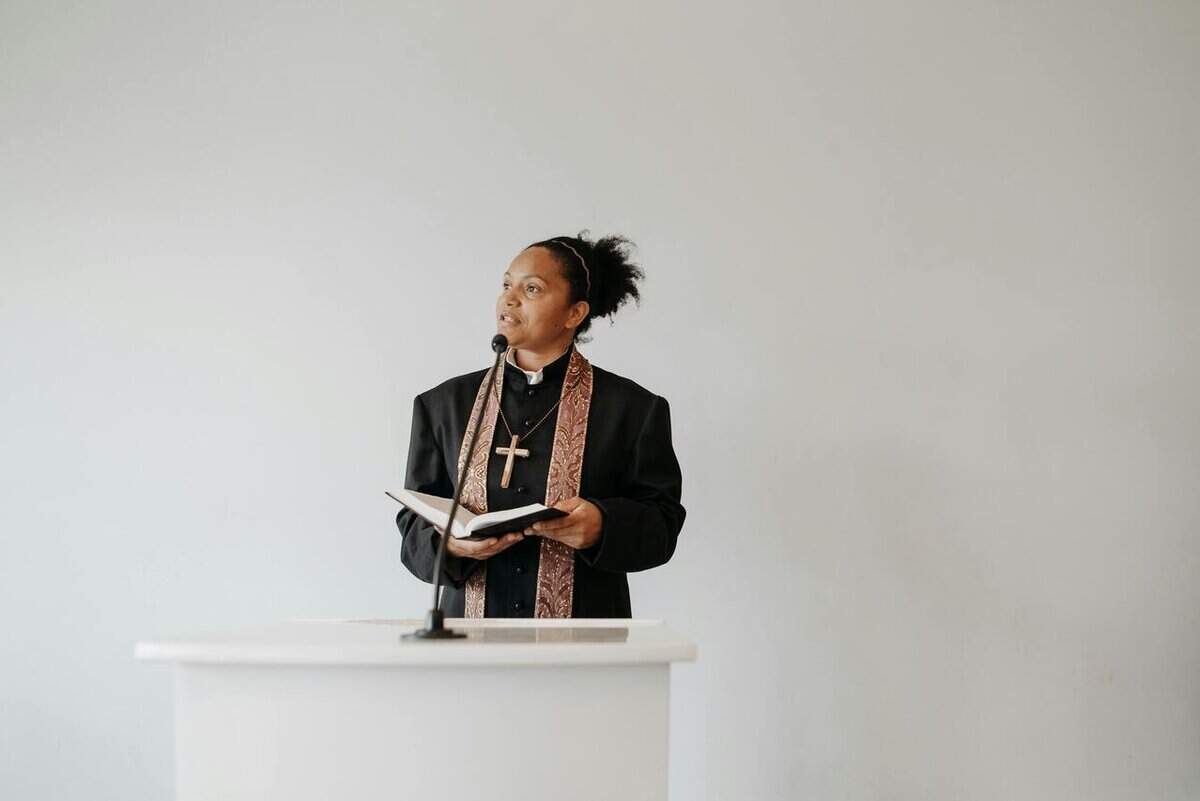
Protestantism wasn’t just a reform of theology; it also challenged the divide that kept the clergy on a pedestal.
Suddenly, people were encouraged to see ordinary, secular work として 徳の高い and morally good. The idea that only monks and priests had spiritual merit was rejected.
This allowed the little people への find dignity in their everyday jobs. This shift made work a moral pursuit, and not just a means to survive.
It also no longer allowed the church to control what’s “holy.”
Today, this attitude adds to the idea that all work can be meaningful, no matter how mundane it may seem.
5. The Spirit of Capitalism

Max Weber argues that Protestantism and its values played a crucial role in the spread of capitalism.
The focus on saving, investing, and hard work encouraged a rational approach to economic activity.
Protestant ethics promoted the idea that ハードワーク そして frugality were both personal and spiritual virtues.
This mindset created a culture that valued financial success and viewed 富 as a sign of divine favor.
Over time, these ideas contributed to the development of modern capitalism.
6. Time and Punctuality

Protestantism also instilled a sense of discipline when it comes to time.
Punctuality and diligence became moral virtues rooted in Protestant teachings. This ties directly to their idea of moral value, where being on time shows respect for the moral order.
These traits became essential in the industrial age and are just as important in corporate culture today.
So, punctuality and time management weren’t only seen as practical skills, but as a reflection of one’s character.
Similarly, in today’s hustle culture, being on time isn’t optional, and tardiness is a quick way to leave the worst impression at work.
7. Work as a Moral Duty

Protestantism saw working diligently as a way to show your faith and moral integrity.
This mindset inspired people to work with purpose, and not just for money.
Even today, professionalism and work ethic are seen as moral qualities and shape people’s opinions of you.
However, this idea can be a 両刃の剣. On the one hand, it motivates people to do their best and gives purpose to even the least glamorous jobs.
But on the other hand, it can lead to guilt and burnout if you fall short, which is a serious struggle for many modern workers.
Today, an overwhelming number of workers report feeling depressed and overwhelmed due to the work culture.
This is especially harsh because the earnings rarely match the time and energy that people are forced to give at work.
8. Literacy and Education

Protestants placed a strong emphasis on reading the Bible, which led to a push for widespread literacy and education reform.
This created a huge number of people capable of reading, writing, and thinking critically.
This educated workforce shaped modern economies, and fueled countless innovations.
The Protestant focus on knowledge and individual reading helped foster a culture that also values education as a moral duty.
Today, we take literacy for granted, but it was a revolutionary shift that helped produce a skilled workforce.
9. Rationalism and Entrepreneurship

Protestantism’s emphasis on frugality and rational planning helped develop entrepreneurship.
The focus on discipline and リスクテイク became a natural part of modern business culture.
That same drive for efficiency and rationality fuels today’s startups and corporate giants alike.
Protestantism’s influence laid the groundwork for the modern entrepreneurial hustle we see everywhere.
Right now, it’s more relevant than ever, as so many people seem determined to start their own businesses and gain financial freedom.

A little Aquarius, devoted to writing and embroidery. Through my writing, I hope to empower readers to align with their true selves and navigate life’s mysteries with confidence.