
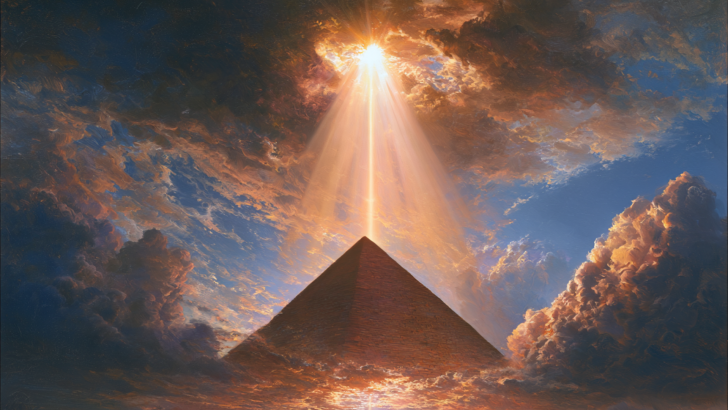
For thousands of years, the Egyptian pyramids have been pointing to the sky, raising questions about whether the strange design had a more スピリチュアル 意義.
For the ancient Egyptians, death was not the end. It was the start of a risky and holy voyage into another life. This notion led to the construction of pyramids within bigger funeral complexes.
For millennia, they have been enthralled by their relationship to the sun, the stars, the gods, and rebirth. Some modern theories are questioning whether they were truly connected to heaven and how.
Surviving Egyptian texts show that the sky did have a major place in royal ideas about the afterlife.
1. The Pyramid Was More Than an Enormous Tomb
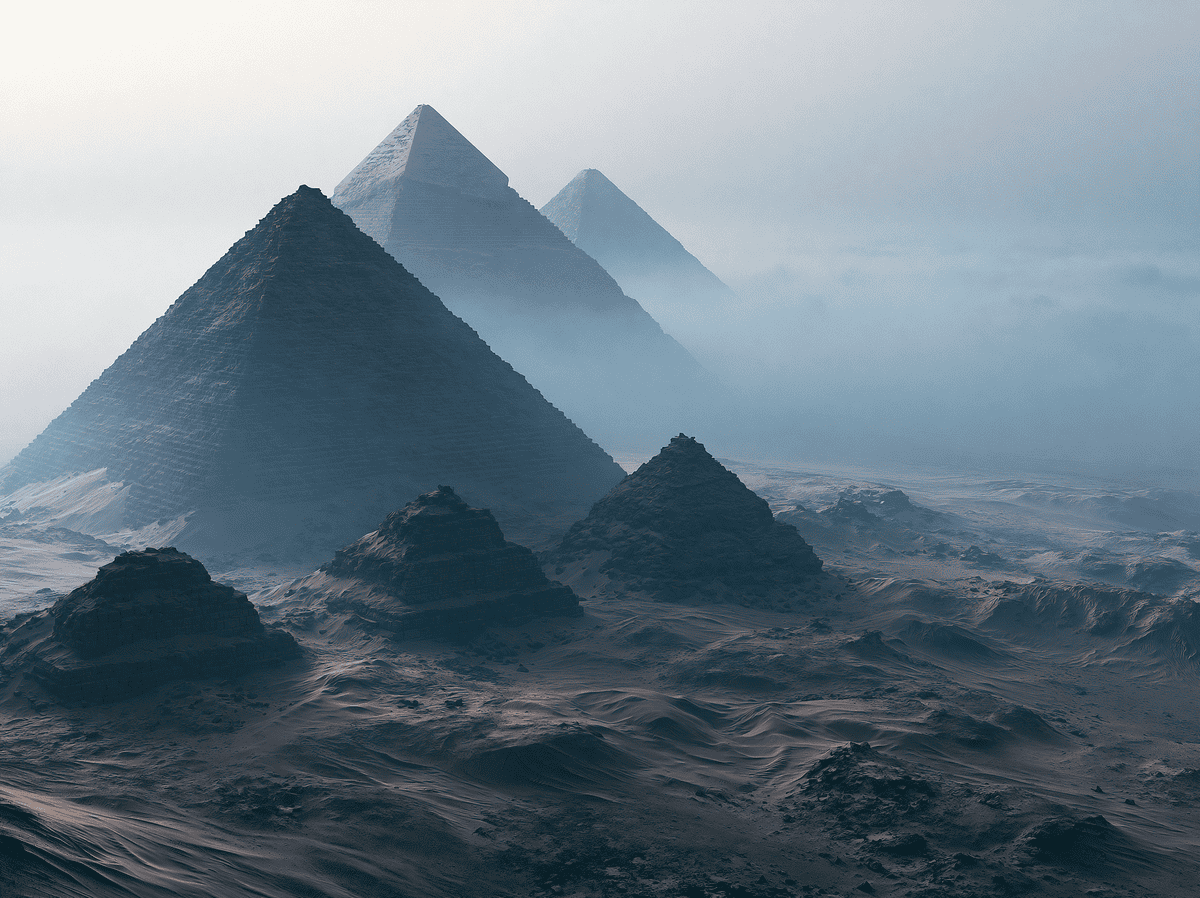
Egyptian pyramids were parts of elaborate religious landscapes built around the death and afterlife of monarchs. Tombs, temples, pathways, offerings, and ceremonies each had their function.
It was believed that the dead monarch lived on after death, and preparation for the future world was very vital.
The entire structure, the ancient Egyptians believed, was tied to the process of royal metamorphosis, rather than simply a location to store a body.
2. Their Shape May Have Carried Solar Meaning

One hypothesis links the design of the pyramid with ancient Egyptian ideas about the sun. Scholars have compared its sloping sides to beams of sunshine falling toward the earth.
Another symbolic link includes the benben, a sacred object associated with creation and the sun god. No single theory accounts for every element, because the precise development of pyramid symbolism is still discussed.
But solar religion came to take an increasing part in the pyramid age. The upward-reaching form of the monument, then, suits well a religious environment in which the sun signified divine might, renewal, and rebirth.
3. Pharaohs Were Expected to Rise Into the Sky
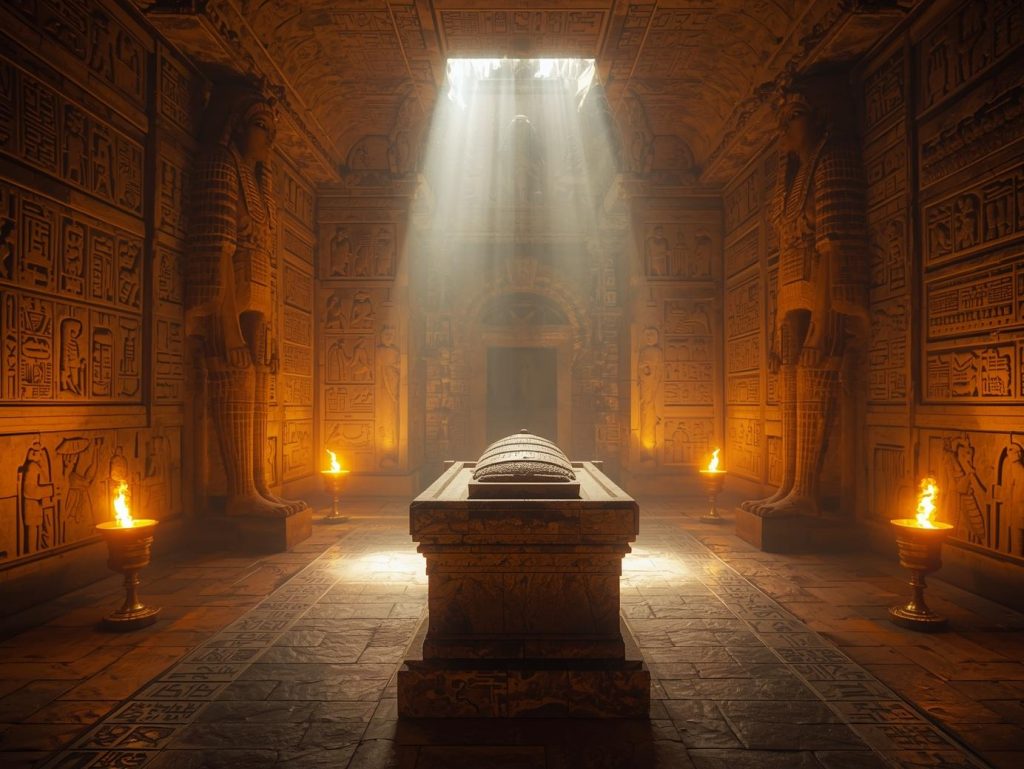
The Pyramid Texts offer some of the clearest evidence for the connection between a king’s death and the skies. These religious texts were initially discovered in later Old Kingdom pyramids.
They are spells to help the dead monarch reach the afterlife. They repeatedly say that the monarch climbs toward the sky and joins the gods.
Sometimes the king climbs, flies, or is borne up by magical forces. Such a phrase makes it difficult not to see the association of monarchy with the heavens.
4. The Stars Represented a Form of Eternity/Heaven
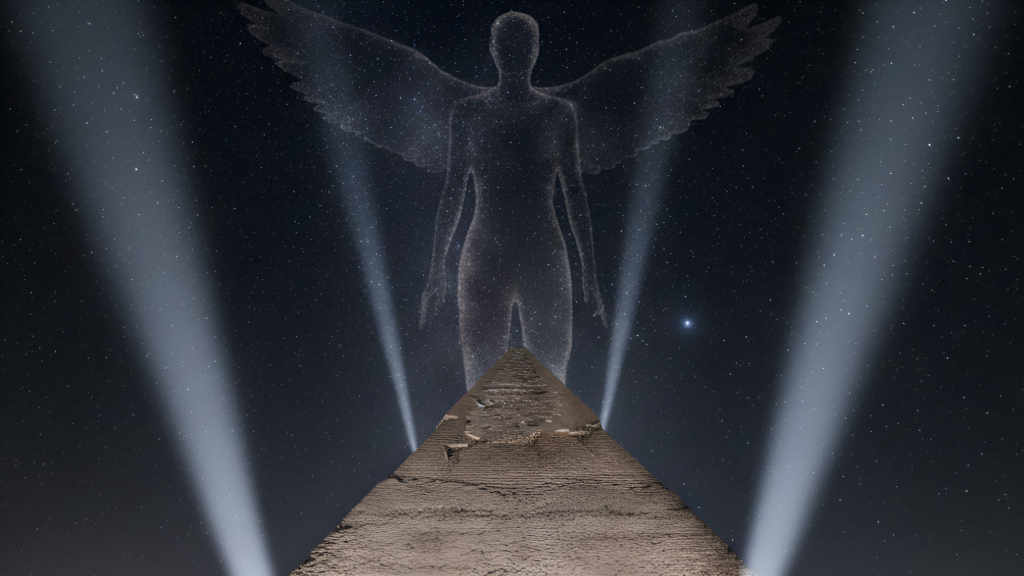
The Ancient Egyptians were keen observers of the night sky, and some stars were associated with the afterlife. Of particular interest were the circumpolar stars, which from Egypt seemed to never dip below the horizon.
This seeming permanence made them great emblems of eternity. Occasionally, early royal burial beliefs conceived of the dead king joining these “imperishable” constellations.
From this perspective, Heaven wasn’t only some abstract spiritual destination. The deceased monarch entered a cosmic realm that seemed never to vanish, and the visible night sky itself gave a compelling image of endless existence.
5. Some Pyramid Passages Point Toward the Sky
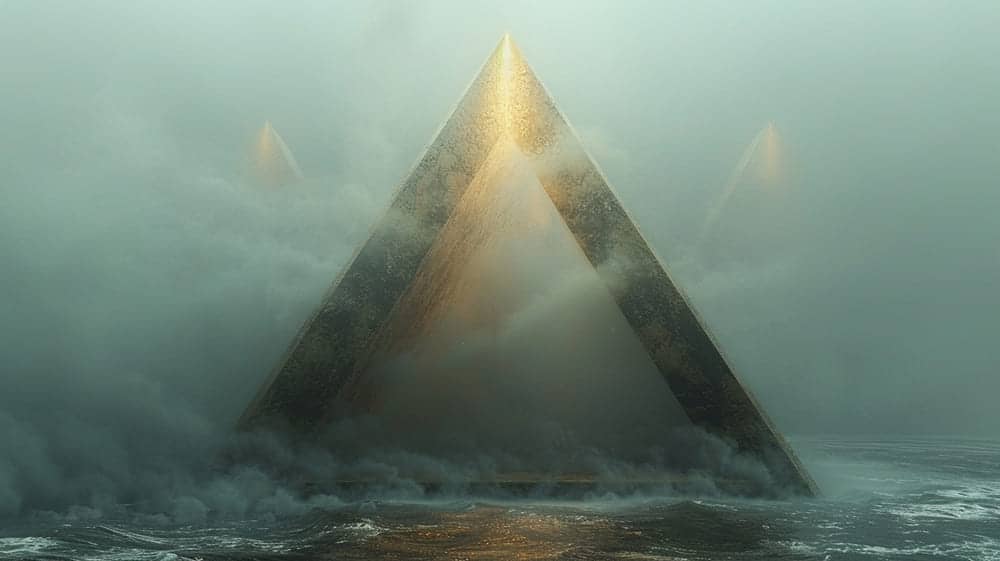
The Great Pyramid of Giza is home to small passages, also referred to as shafts, that go from the King’s Chamber to the Queen’s Chamber. Their purpose has long been contested by researchers.
Certain researchers have hypothesized symbolic or astronomical alignments, as certain shafts typically point toward areas of the sky associated with major stars.
The potential for cosmic symbolism is consistent with more general Egyptian burial beliefs, which equated the deceased pharaoh, the stars, and the skies.
6. The Sun’s Daily Journey Offered a Promise of Rebirth
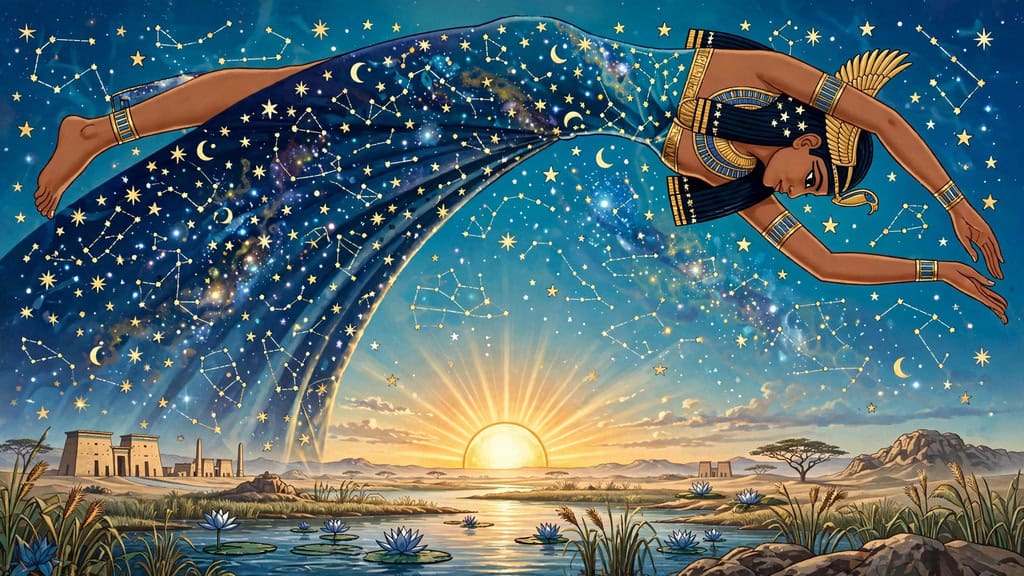
Every night the sun went down in the west, and every morning it came up. For the ancient Egyptians, this daily cycle was inextricably bound up with death and renewal.
The west bank of the Nile was closely associated with graves and the dead, and solar religion stressed constant renewal.
Thus the dead king could be thought of as partaking in the same cosmic rhythm. Death was not always the ultimate annihilation but a metamorphosis and renewal of existence.
7. The God Osiris Changed the Meaning of the Afterlife
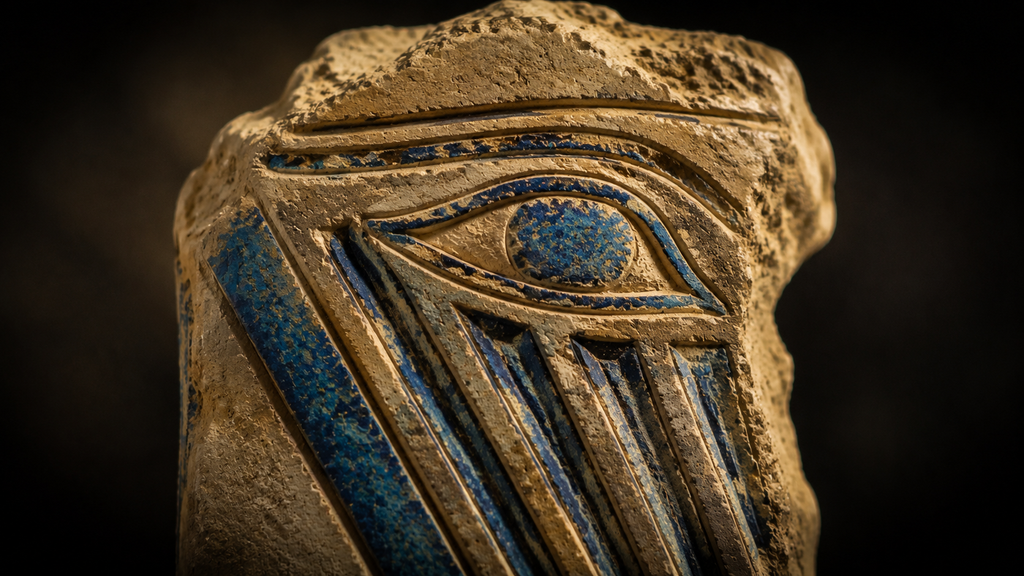
Osiris was to become one of the most important gods of death, resurrection, and the afterlife in ancient Egypt. He was slain and revived in Egyptian mythology and made Lord of the World of the Dead.
This was another part of Egyptian ideas concerning the afterlife. It was not only a case of going up to the next world. It was also about change and rejuvenation.
The pyramid, therefore, was only part of a much bigger religious structure that related royalty, death, divine power, and eternal existence.
8. Pyramid Texts Contained Instructions for Eternity

Starting with the pyramid of King Unas, royal burial chambers were covered with religious writing, today termed the Pyramid Texts. Such inscriptions contained spells, prayers, and statements designed to protect and transform the departed king.
They told of meetings with gods, of dangers to be overcome, of the many means of reaching the heavenly world. Some paragraphs give astonishingly realistic pictures of a miraculous ascent.
The inscriptions suggest that in Egyptian theology, the soul needed to be prepared to reach the afterlife. Thus the pyramid was not only a monument above ground, but its inside became a hallowed place with magical words for eternity.
9. The Pyramids Were Carefully Oriented Towards the Afterlife
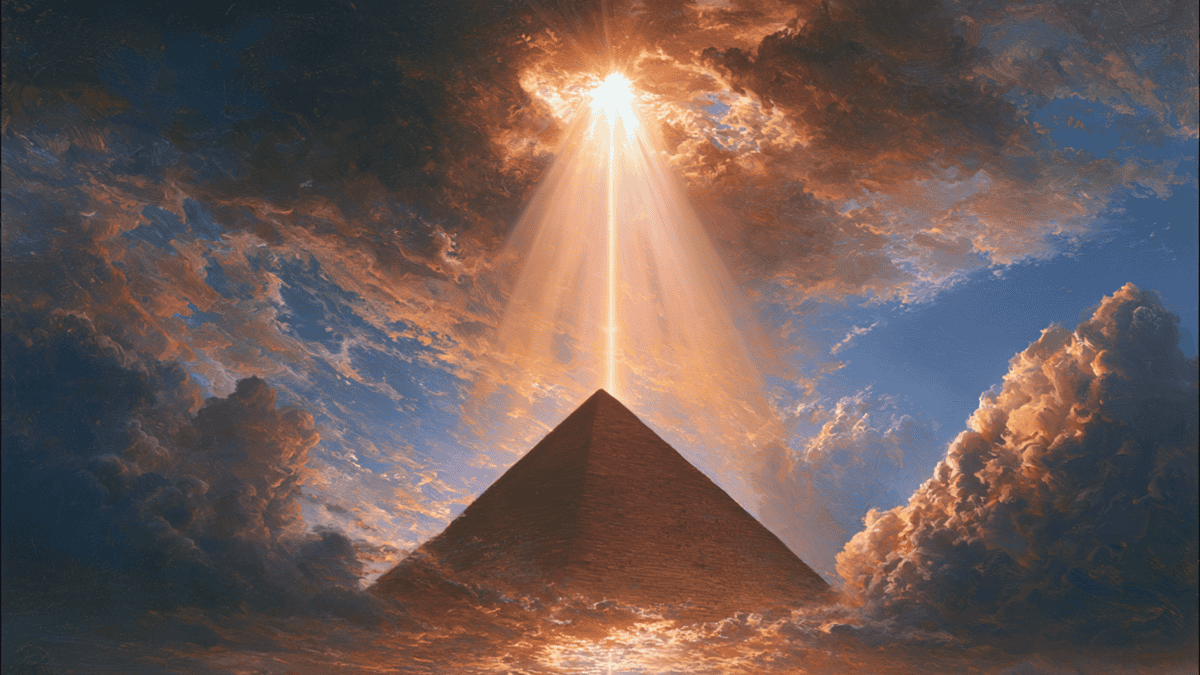
The Great Pyramid and some other Egyptian pyramids are aligned to the cardinal directions with astonishing precision. Ancient builders could have used basic methods, such as watching the sun or stars.
The specific technique is still up for discussion. Order in the cosmos was of utmost importance to the culture of Egypt.
The careful orientation may have helped to find the king’s monument in an orderly cosmos, representing a culture in which religion, kingship, nature, and the heavens were intimately linked.
10. Their Connection to Heaven Was Spiritual, Not Science Fiction
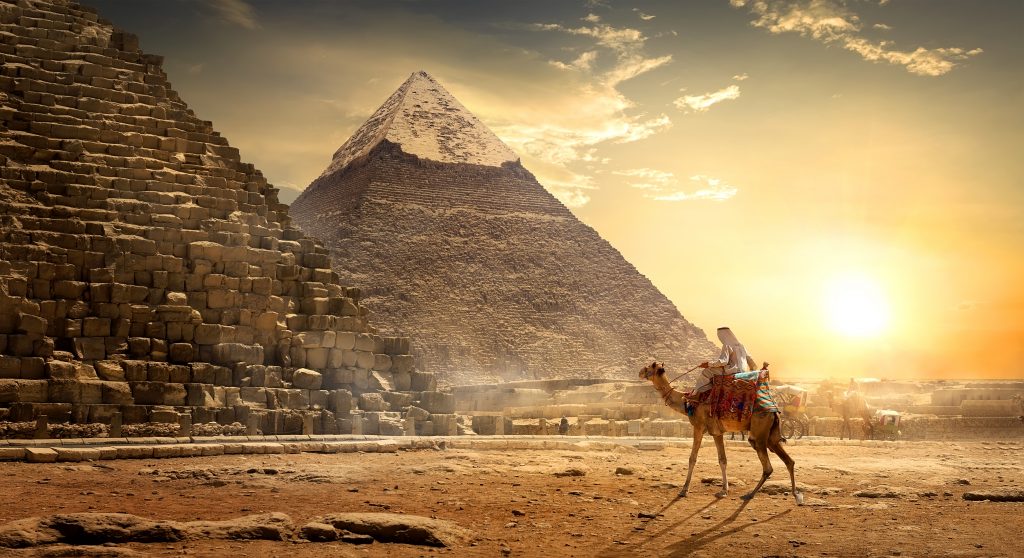
Some modern ideas hold that the pyramids were alien inventions or energy machines or portals that could physically take people into the skies. There is no solid archeological evidence for these ideas.
The real old beliefs are amazing enough without adding science fiction. Egyptian religious writings associate dead monarchs with the sun, the stars, the gods, rebirth, and celestial ascent.
In that sense, the pyramids did have a connection to heaven, but not in the modern sense of a literal portal. They were structures created for a journey the Egyptians believed continued after death.

Born and raised in Bosnia and Herzegovina. Ever since I was a little girl, my imagination knew no bounds. I remember vividly how I’d scribble down short stories, each page bursting with adventures and characters conjured up from the whimsy of my mind. These stories weren’t just for me; they were my way of connecting with my friends, offering them a slice of my fantasy world during our playtimes. The joy and excitement on their faces as we dived into my fictional realms motivated me to keep writing. This early passion for storytelling naturally evolved into my pursuit of writing, turning a childhood hobby into a fulfilling career.