
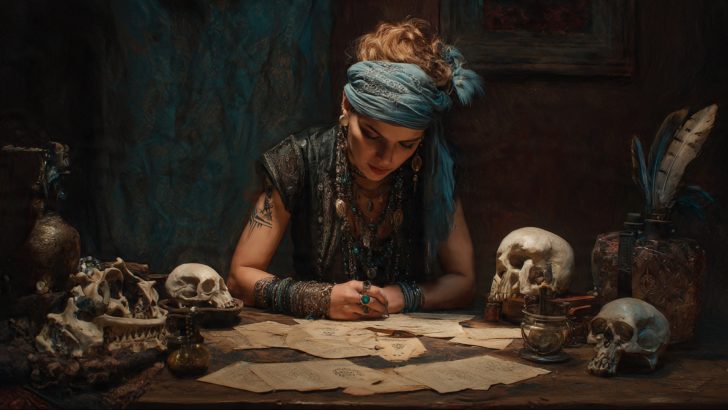
One of the oldest ways of reading fate is reading bones. It might sound pretty creepy, but it’s a technique that’s been around for thousands of years.
Across different cultures, people saw bones as a way to connect to the spirit world.
It’s a method rooted in シンボリズム そして 伝統. Here’s what you should know before giving it a try!
1. The Origin of Bone Divination
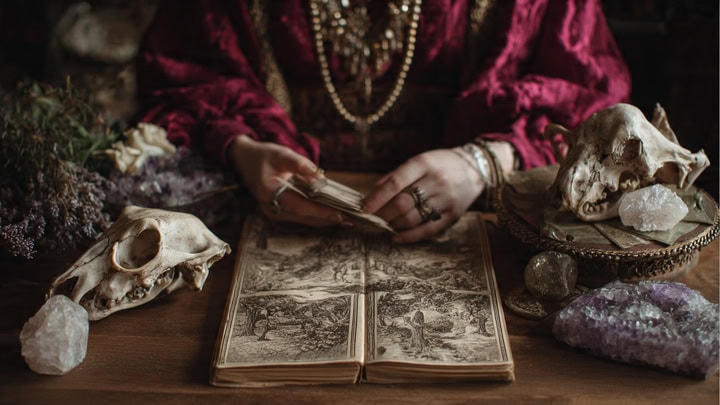
Reading bones is a truly universal practice.
In China, it started with turtle shells used for oracle bone divination during the Shang Dynasty.
In Africa, bones of sheep and cattle were used in sacred rituals. Pretty much everywhere in the world, reading bones is an age-old, long-standing tradition.
It’s heavily suggested that all these different cultures developed the practice 単独. They all used bones to communicate with the divine or the spirit world.
This shows a shared human desire to find answers beyond our senses.
It also makes a lot of sense that bones were a way to do this, since they are tied to the idea of death and the afterlife.
2. The Types of Bones
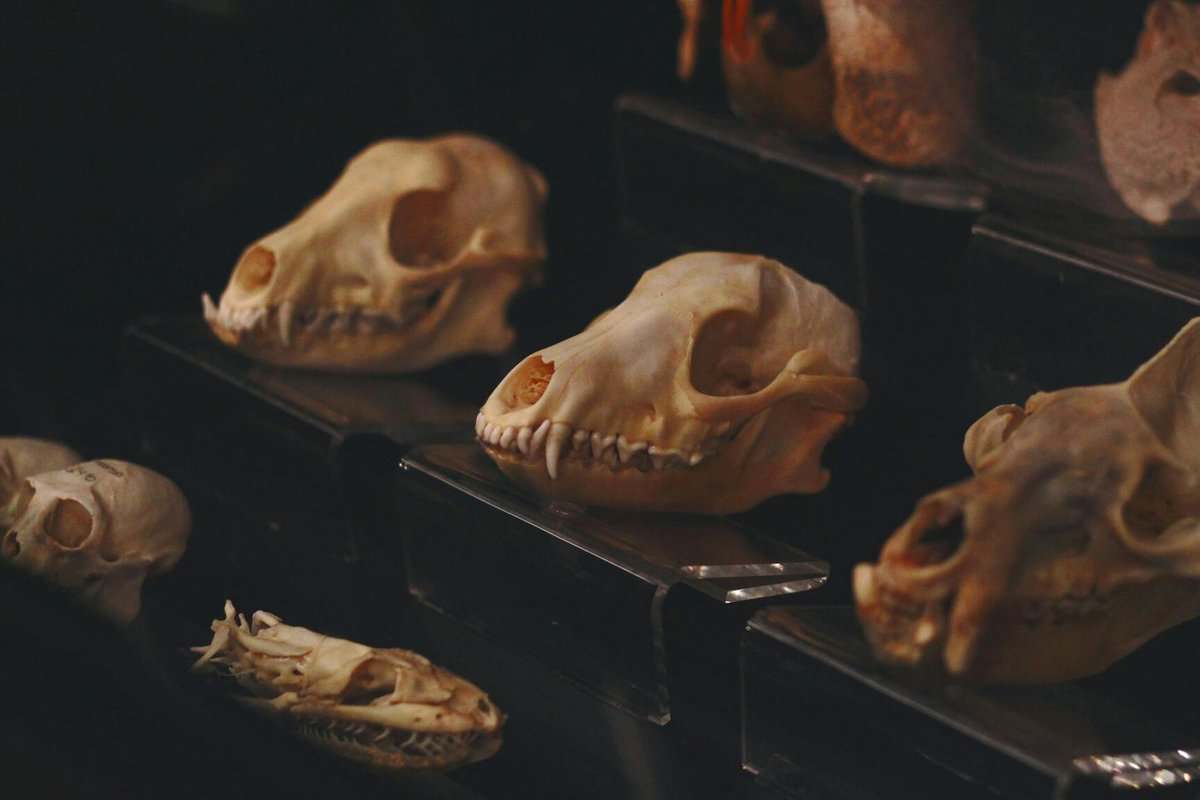
The types of bones used for reading depend on what’s available. As mentioned above, turtle shells were popularly used in China.
Long animal bones, like femurs, are commonly used in many cultures.
Small bones like ribs, scapulae, and phalanges are also popular because of their symbolic meanings.
Animal skulls and jawbones are used, too, often representing ancestors and spirits.
The choice of bone isn’t random; it’s based on the symbolic significance within a certain culture.
3. How Bone Reading Works
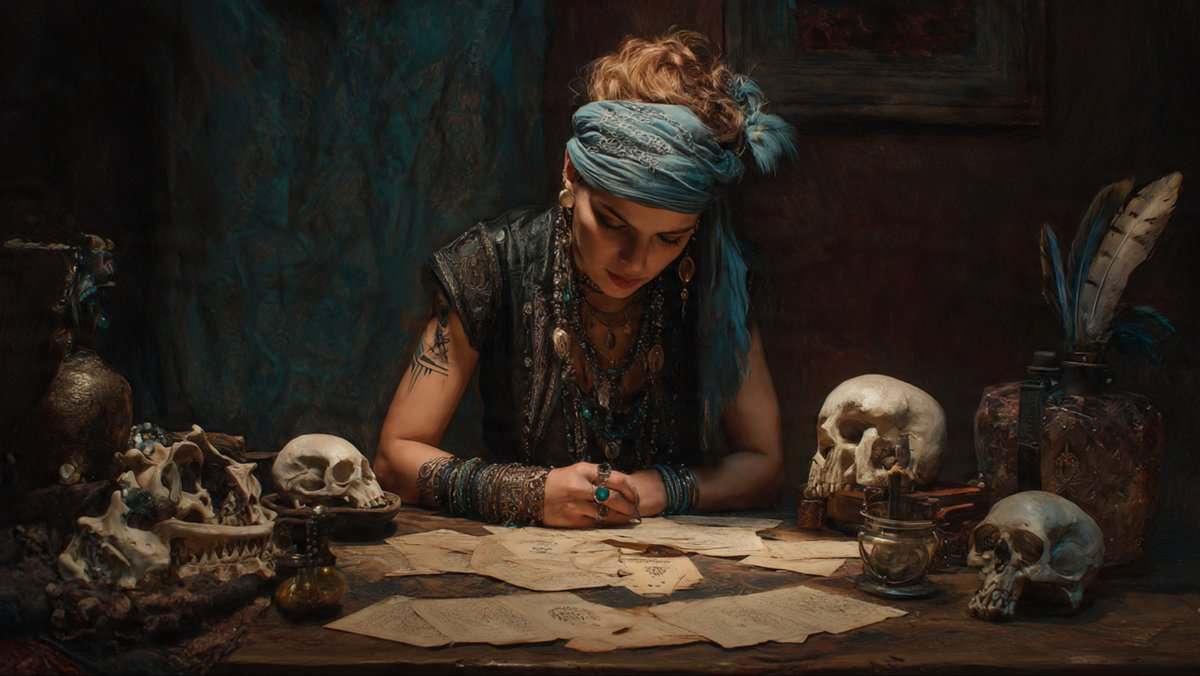
Bone reading isn’t considered magic by most. It’s a mix of chance and skill.
Practitioners cast bones onto a flat surface and then interpret the patterns they see. In a way, it’s similar to reading beans.
The bones’ cracks, shapes, and positions form signs that are read as messages from spirits or a higher power.
Sometimes, bones are marked with symbols or numbers beforehand, as a way to ask for specific insight.
The interpretation depends on the cultural system and the reader.
The process of divination is both ritualistic and interpretive, blending luck with symbolism.
4. The Basic Steps

Getting a reading started involves some simple steps. First, the bones are cleansed and prepared, and the question or intention is set.
Next, they are cast onto the chosen surface, like a table or mat. Some readers prefer to throw them from a height, while others arrange them carefully.
The observer takes notes from bone positions, cracks, overlaps, and orientation.
Cracks indicate strain or challenge, but this meaning may vary from bone to bone. If you see a crack in the skull, it might also suggest some important ideas and thoughts.
While cracks in the ribs suggest a communication issue.
Bones pointing upward (east) might suggest growth, while pointing downward (west) means the opposite. Overlapping bones suggest either conflict or cooperation.
Reflection comes at the end; the reader thinks about the signs and interprets them, and the person whose faith was read applies the reading to their situation.
5. The Symbolism

Different bones carry different meanings, which allows for a richer interpretation.
Turtle shells, for instance, symbolize longevity, wisdom, and ancestral spirits. Long bones like femurs stand for strength, direction, movement, or stability.
They’re often seen as guiding tools.
Ribs are linked to emotional states and communication. Skulls embody mortality, spiritual insights, ideas, and ancestors.
Jaws and teeth are related to decision-making and assertiveness.
So, for example, you cast bones, and the femur is turned west, cracked, and overlapping with ribs; you might interpret that as a lack of direction that you’re unable to communicate.
6. The Cultural and Social Angle

Bone reading is deeply rooted in the social and spiritual life of a community.
In many societies, it’s a sacred practice that helps individuals and communities seek guidance. It’s used to predict weather, harvest success, or 衝突.
Offerings and storytelling often accompany these readings, reinforcing social bonds and cultural identity.
Long ago, bone divination was a clever way for local readers to get a feast from the person who hired their services.
To be able to cast, they sometimes “required” fresh bones, which meant they’d eat a whole meal at the client’s expense and only then proceed to clean the bones and start the ritual.
This divination method keeps cultural heritage alive, linking past and present through a shared belief system.
7. The Modern Take
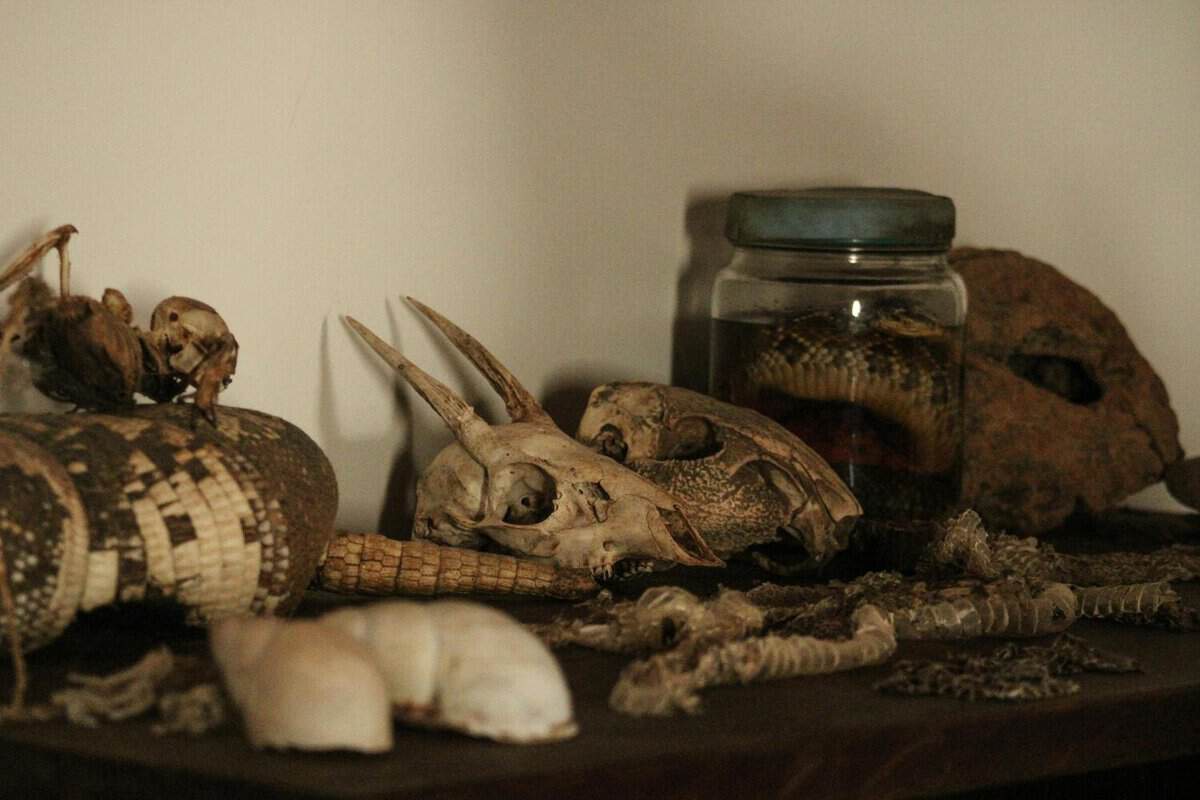
Despite its ancient origins, bone reading hasn’t disappeared. It is considered a bit unconventional, and many people prefer tarot and beans instead.
However, some modern practitioners choose to blend this traditional method with modern psychology and new spiritual beliefs.
Workshops and cultural revival projects help keep the practice alive, especially among indigenous communities.
Many see it as a way to reconnect with ancestral wisdom and explore spirituality outside mainstream religions.
Modern bone divination is mostly a personal journey, and sometimes a cultural expression.
It’s a bridge between ancient wisdom and modern spirituality.
8. Ethical Practice
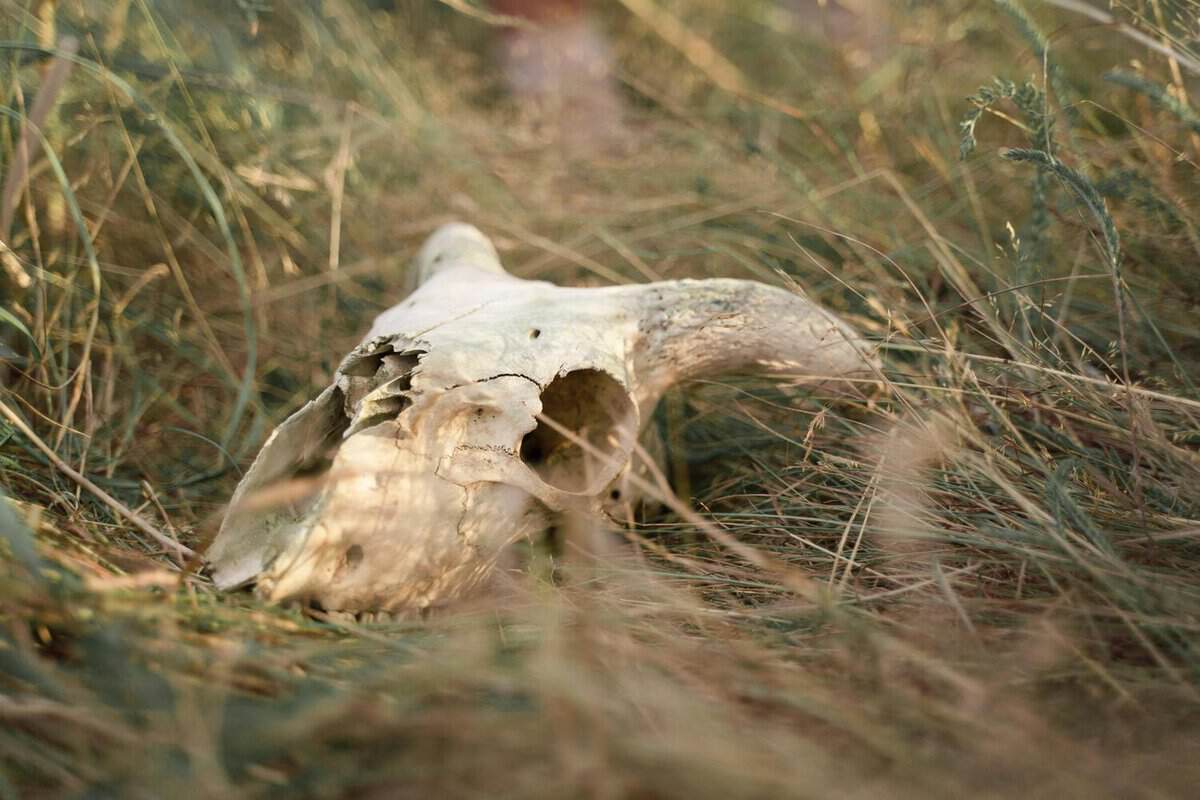
Different cultures approach bone reading differently, and if you’re going to dabble in this practice, it would be good to learn about its background.
Whether you’re inspired by your own culture or some other, it’s only ethical to approach bone divination ethically.
Modern spirituality is a reflection of globalism, so it often blindly blends various customs and practices.
The respectable thing to do is to pay homage to the cultures you take from, whether it’s African, Eastern European, or any other.
This way, we prevent commercializing and diluting the depth of this ancient practice.
9. Enduring Curiosity
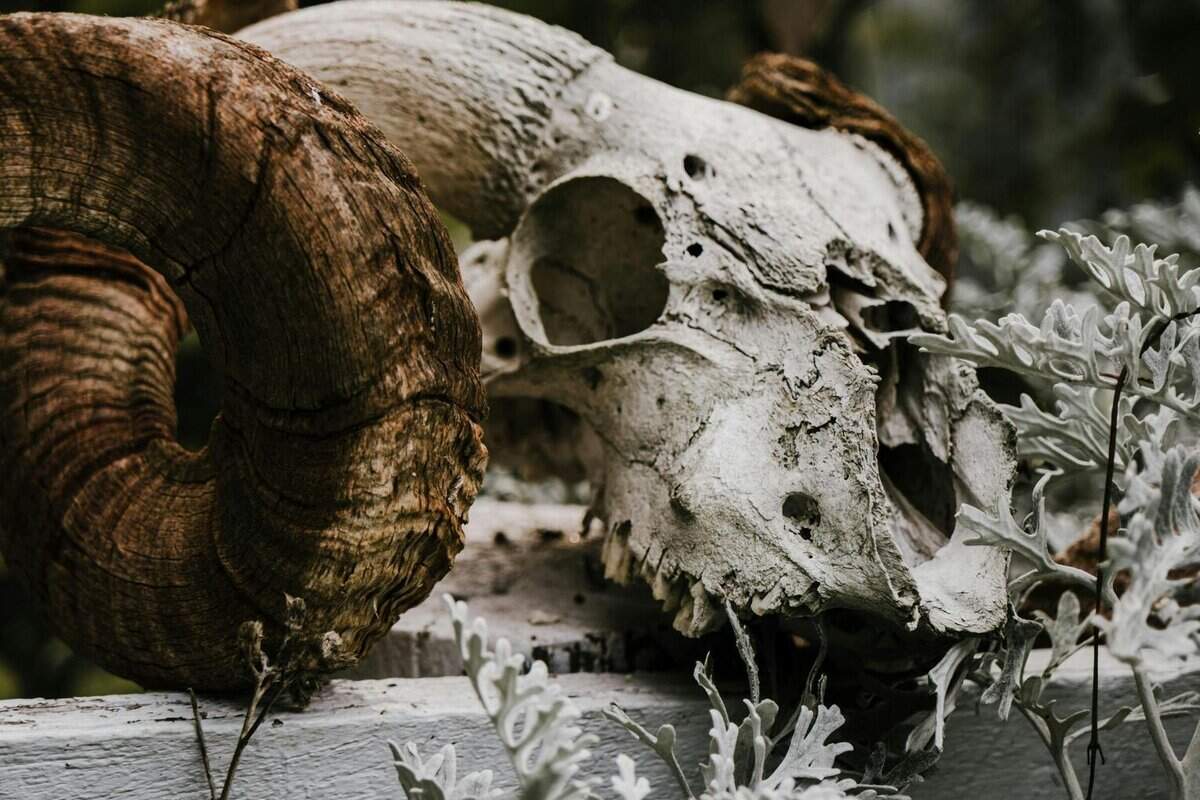
Bone divination is a testament to our spiritual longing. People of the past felt that they could truly connect to the spiritual world only through bones.
Bones are liminal objects; they literally hover between life and death, remaining among us as a reminder of what once lived.
Many still turn to bone reading for guidance and insight, proving that some traditions never fade; they adapt.
This divination method connects us to a deep well of human curiosity and spirituality.
It reminds us that even in a world dominated by technology, the ancient instinct to seek meaning through symbols remains alive.

A little Aquarius, devoted to writing and embroidery. Through my writing, I hope to empower readers to align with their true selves and navigate life’s mysteries with confidence.