
When you fight with your partner, it can feel as though the world is about to end, and after such heavy feelings, it’s not wise to wait for things to magically get better.
The first 24 hours after a conflict are everything.
Most couples make the mistake of assuming time will heal everything, but that’s not exactly true.
Resentments can easily fester, emotional walls go up, and suddenly, what could have been resolved in a day plagues your relationship for months.
Here’s how you and your partner can recover after a fight.
1. Address the Pain Head-On

It can be very tempting to sweep things under the rug and pretend everything’s fine, but avoiding the pain only makes it all worse.
The first step in repairing after a fight is acknowledging what happened.
Don’t point fingers, but also don’t minimize. Recognize how you might have hurt your partner, and also allow them to see how they hurt you.
いつ validate each other‘s feelings early on, you can truly begin to heal.
Ignoring the pain or pretending the fight didn’t happen only pushes you further apart.
When you’re both willing to recognize the emotional weight of the situation, you show each other that you’re willing to work things out.
2. Be Specific About What You’ll Do Differently
Saying “sorry” with no real intention to change means nothing.
The real work begins when you admit to your partner what you’ve been doing wrong and exactly what you intend to change from now on.
This makes it clear you’re committed to change, and not just seeking to move on from the fight.
It also helps them trust you more when they see you taking tangible steps.
When both of you share your intentions, it reduces the chance of falling back into that same conflict.
Clear, specific commitments show you’re serious about making things better.
3. Both of You Need to Reach Out

When one person starts a fight or do something that causes it, it’s typically expected of them to reach out and apologize, but that’s a dead-end.
If you mean to reconnect, both of you have to reach out. Being right or wrong isn’t the point; healing together である。
Ask to talk, or just sit close together and allow things to settle before speaking.
Taking that initiative shows you care enough to bridge that gap.
Sometimes, one partner might feel more hurt or upset, but waiting around only prolongs the issue.
Both of you need to be proactive and choose to reconnect.
4. Physical Touch Can Reassure and Calm You
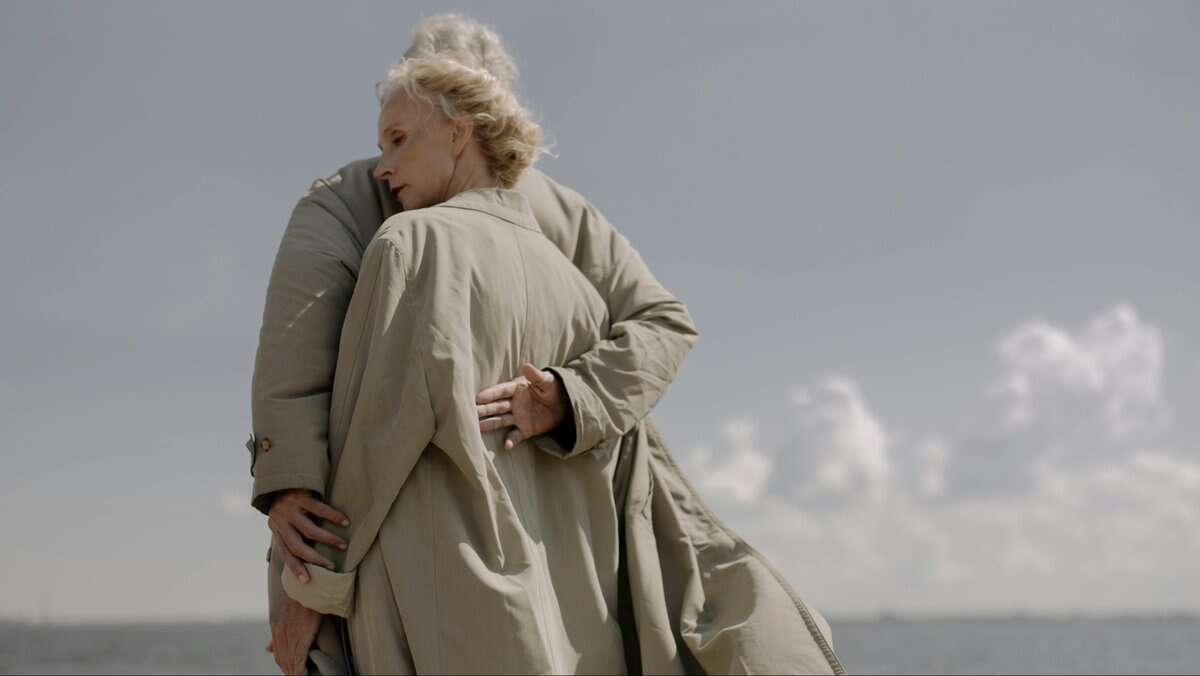
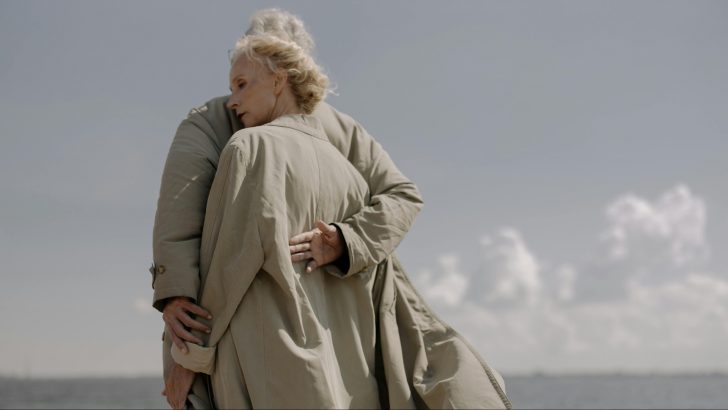
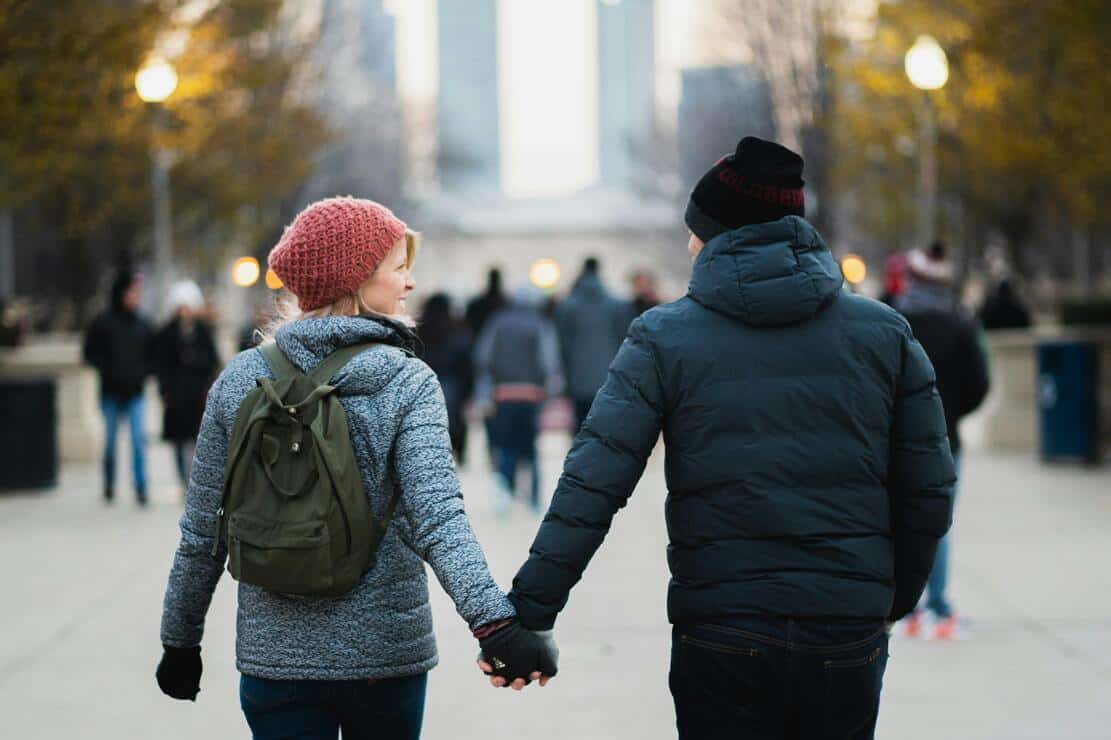
Physical connected is very powerful in the aftermath of a fight. Small gestures like a hug, holding hands, or sitting close and talking can do wonders.
Touch helps release stress and soothe emotional pain, and it clearly says that you still care for each other and want to fix things.
When you’re upset, reaching out physically can be a grounding act that reminds both of you that you’re in this together.
You create a safe space where you can start to shift from defensiveness to connection.
5. Let Go of Being Right

One of the biggest mistakes is still trying to figure out who’s right or wrong after a fight.
It’s a waste of time, and typically neither partner is entirely in the wrong, unless the issue involves something as serious as betrayal or abuse.
For most conflicts, the goal should be peace, not victory.
Scoring points and feelings superior can’t be more important than reclaiming peace within your relationship.
This shift in mindset helps you prioritize healing.
Letting go of this need to be right opens the door to 相互理解 and compassion.
6. Listen to Their Side of the Story Actively
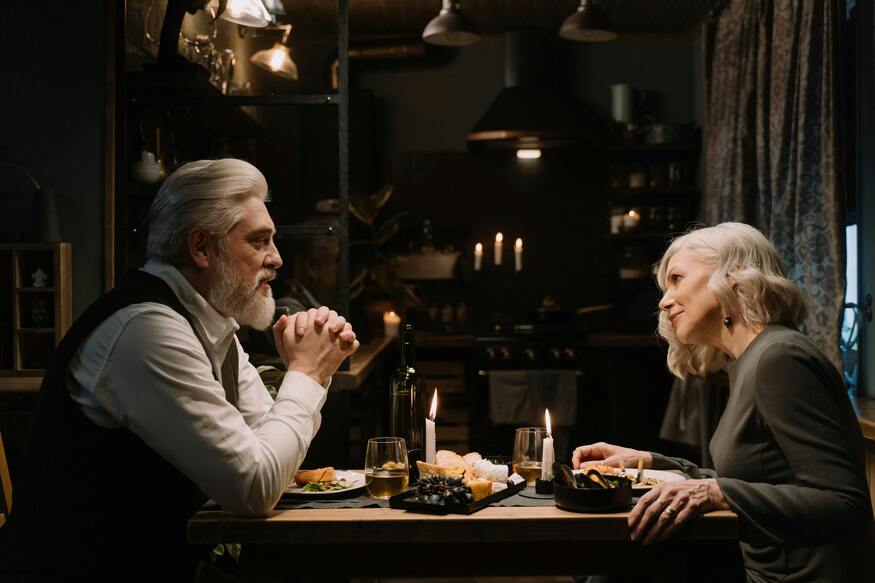
In the heat of a fight, it’s easy to get caught up in defending yourself and planning what you’ll say next. Some people end up doing this even as they’re trying to make up.
Instead, try truly hearing what your partner is saying without interrupting.
You can show them you’re 留意 by reflecting back what you heard. This also allows you to make sure you understood correctly.
This simple act can seriously de-escalate tension and make your partner feel validated.
When you’re both committed to listening, you can achieve genuine understanding.
After all, most couple fights come from misunderstanding, in the first place.
7. Focus on the Present
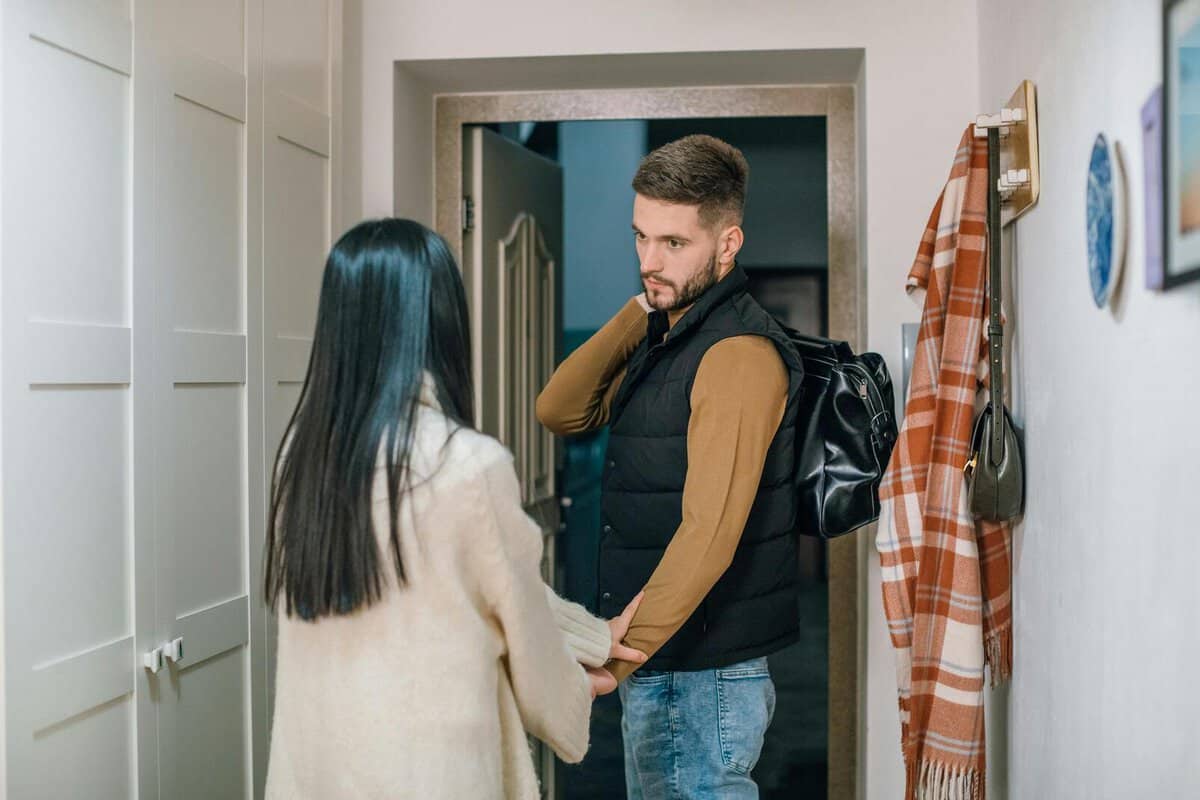
I know some couples who have spent their decades-long relationships having the same fight over and over again.
To avoid repeating their mistake, stop dwelling on the past. It only fuels resentment.
Stop wondering who started it first, but think about what you can do at this very moment and in the future to make sure you don’t go back to the same fight.
Choosing kindness and patience immediately after conflict can end the cycle of negativity.
It won’t fix everything right way, but it will make it clear that you’re taking concrete, intentional steps toward healing your relationship.
Staying grounded in the present prevents old issues from reopening and keeps you focused on solving the current problem.
8. Give Each Other Grace
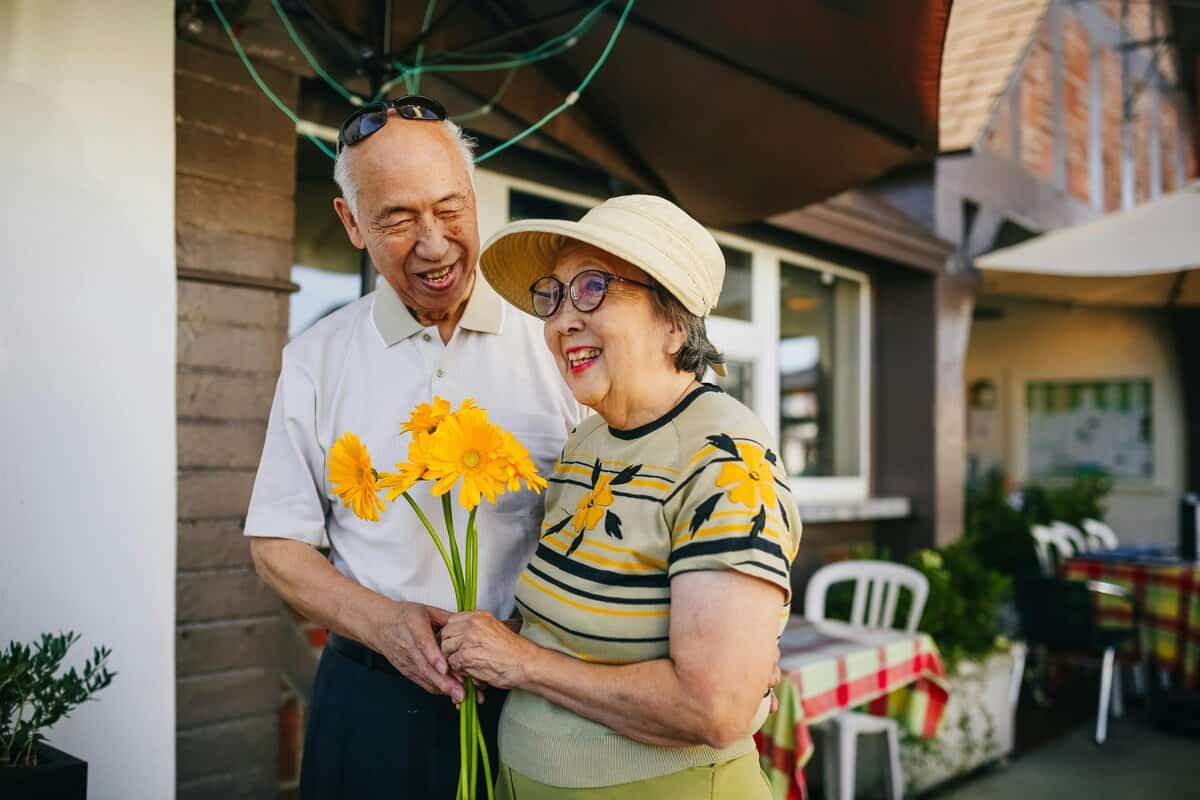
Healing after a fight takes time, and it can be quite messy.
Everyone’s emotional, and that can sometimes cloud your judgment. It’s important to choose to be kind to yourself and your partner.
Harsh words might have fallen, and one of you might give in to resentment now and again, but it’s important to 許す.
No one is perfect, and you’ll have to accept that if you wish to move forward.
There isn’t one relationship in the world that’s flawless, but many are wonderful and resilient because both partners put in the effort to keep it that way.

A little Aquarius, devoted to writing and embroidery. Through my writing, I hope to empower readers to align with their true selves and navigate life’s mysteries with confidence.