

Oils have played an important role in religious ceremonies for thousands of years. They were not only used for practical purposes but also carried deep spiritual meaning.
In many ancient traditions, oils were seen as holy, healing, and connected to the divine. They were used to bless people, anoint leaders, heal the sick, and create a sense of sacred space.
The scent of these oils also added to the experience, making rituals feel special and set apart from everyday life.
Different cultures used different plants and mixtures, each with its own meaning. Here are ten sacred oils that were commonly used in ancient religious ceremonies.
1. Olive Oil
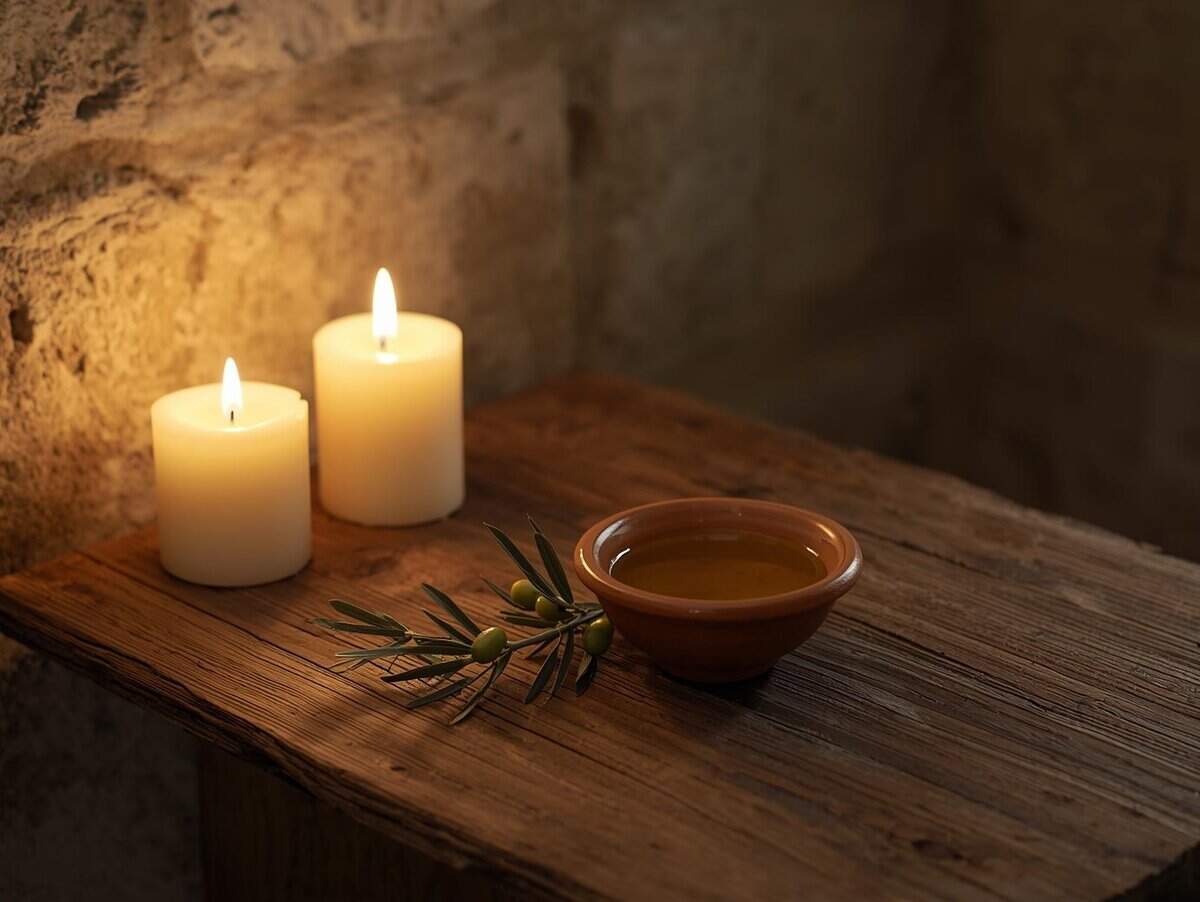
Olive oil was one of the most important oils in ancient times, especially in the Bible. It was used for anointing kings, priests, and sacred objects.
This act symbolized blessing, protection, and being chosen for a special purpose. Olive oil was also used in lamps, representing light and divine presence.
Because olive trees can live for many years, the oil became a symbol of peace and lasting life. It was simple, yet deeply meaningful.
In many traditions, olive oil was seen as a direct connection between the physical and spiritual worlds, making it a central part of many rituals.
2. Frankincense Oil
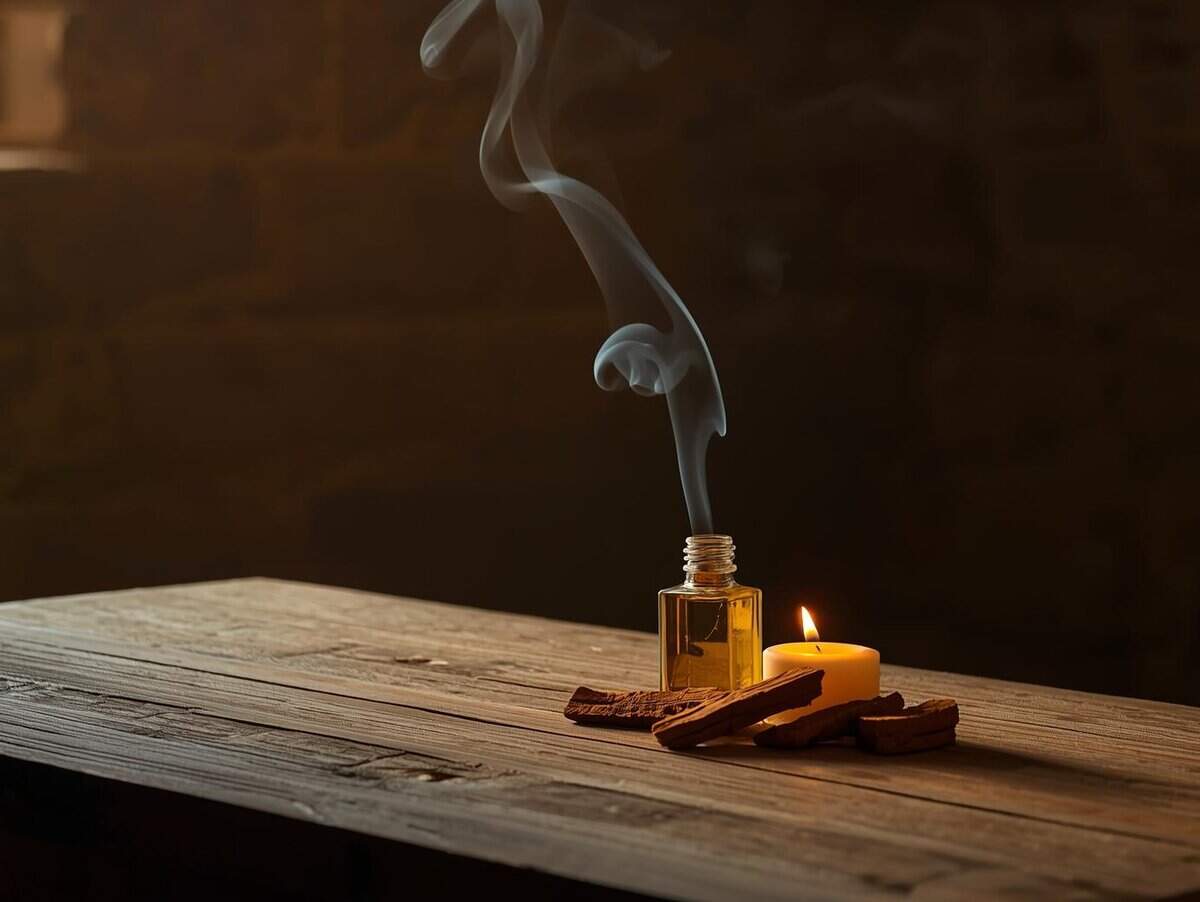
Frankincense oil was made from the resin of trees and had a rich, calming scent. It was often burned or used in oil form during prayers and ceremonies.
In ancient times, it was considered very valuable and was even given as a gift of great honor.
Frankincense was believed to help lift prayers to heaven and create a sacred atmosphere. Its smoke and scent made people feel calm and focused.
Because of this, it was often used in temples and holy spaces. It symbolized purity, worship, and a close connection to the divine.
3. Myrrh Oil
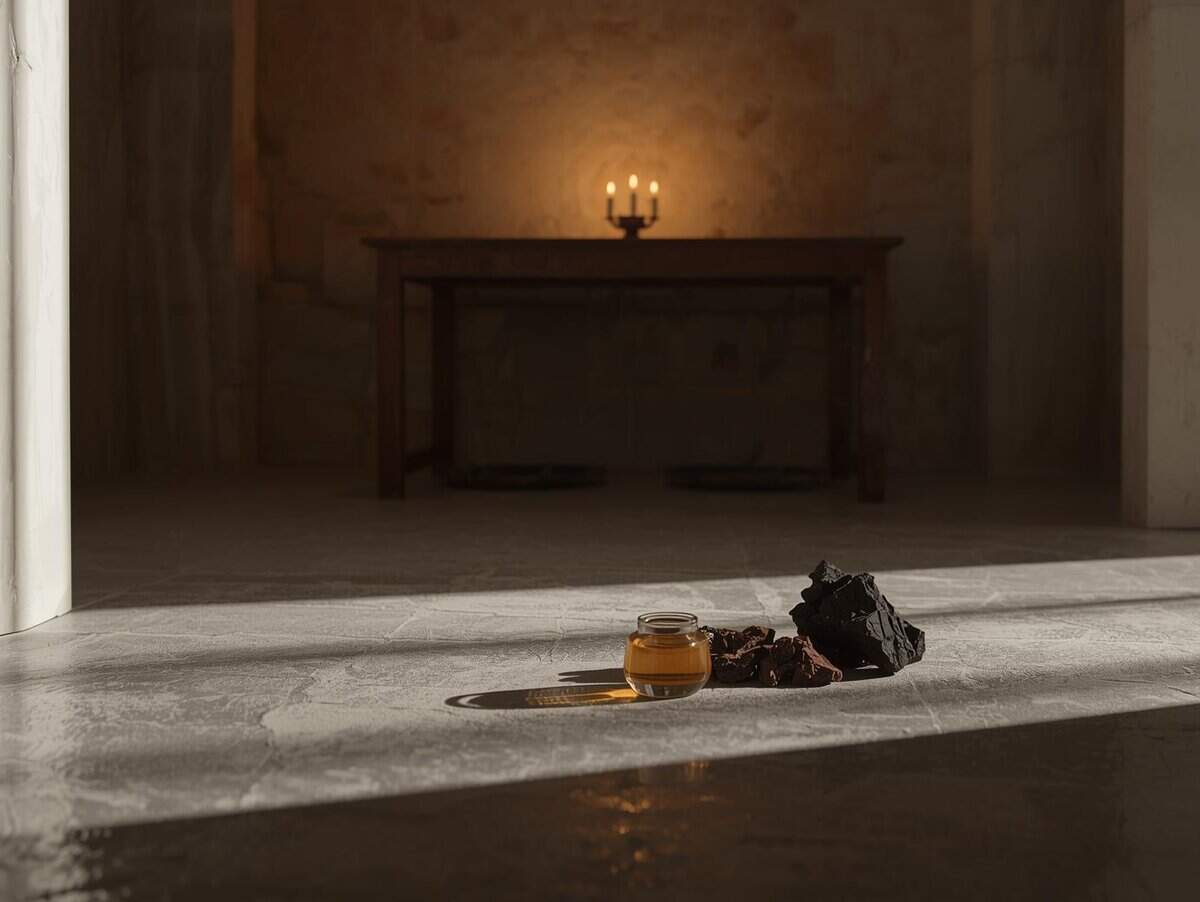
Myrrh oil was another important oil made from tree resin. It had a strong, slightly bitter scent and was used in both religious and burial practices.
Myrrh was often mixed with other oils for anointing and healing. In ancient beliefs, it symbolized suffering, healing, and protection.
It was also one of the gifts brought to Jesus, showing its high value. Myrrh was believed to cleanse and prepare both the body and spirit.
Its deep scent created a serious and reflective mood, making it an important part of many sacred rituals.
4. Nard Oil
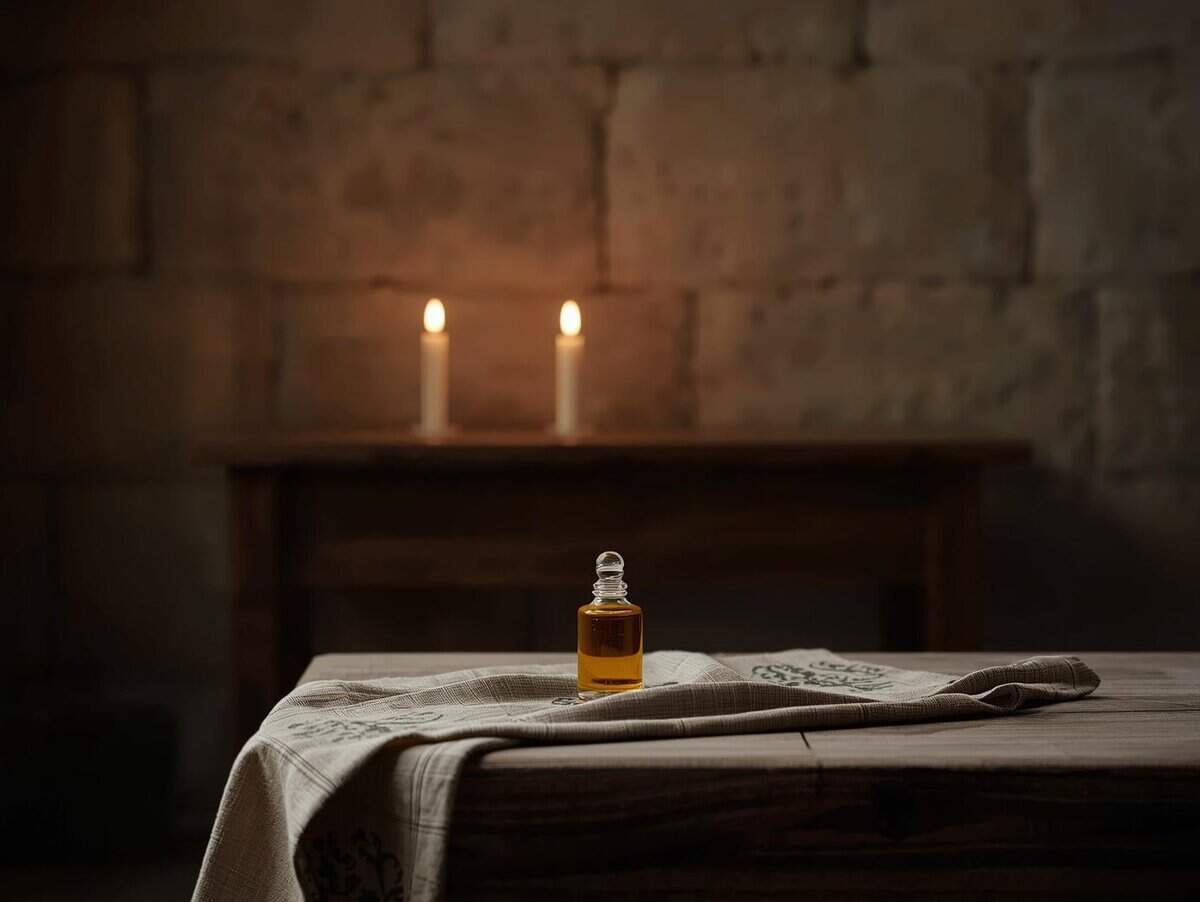
nard oil, also known as spikenard, was a rare and costly oil in ancient times. It was made from a plant that grew in the mountains.
Because it was hard to obtain, it was used only for very special occasions. In the Bible, it was used to anoint Jesus, showing deep respect and devotion.
Nard had a strong and lasting scent that made it stand out. It symbolized honor, love, and sacrifice.
People believed that using such a valuable oil showed true commitment and faith. It remains one of the most meaningful oils in ancient religious stories.
5. Cedar Oil
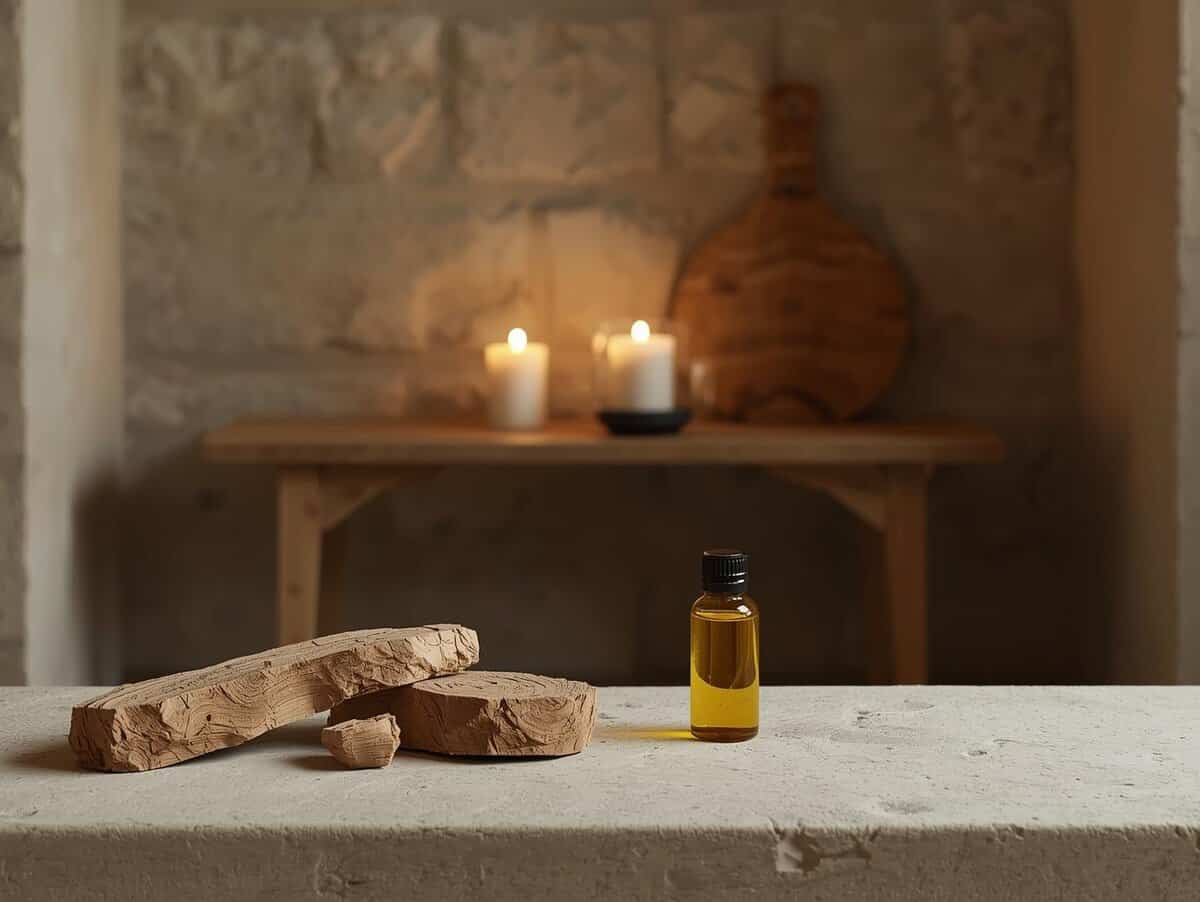
Cedar oil was made from cedar wood and had a fresh, woody scent. In ancient cultures, cedar was known for its strength and long-lasting nature.
The oil was used for cleansing, protection, and purification. It was often used in rituals to remove negative energy and create a clean, sacred space.
Cedar oil was also used in building temples and sacred objects, adding to its spiritual importance.
People believed it helped protect both the body and the spirit. Its strong and natural scent made it a powerful symbol of stability and divine protection.
6. Cinnamon Oil
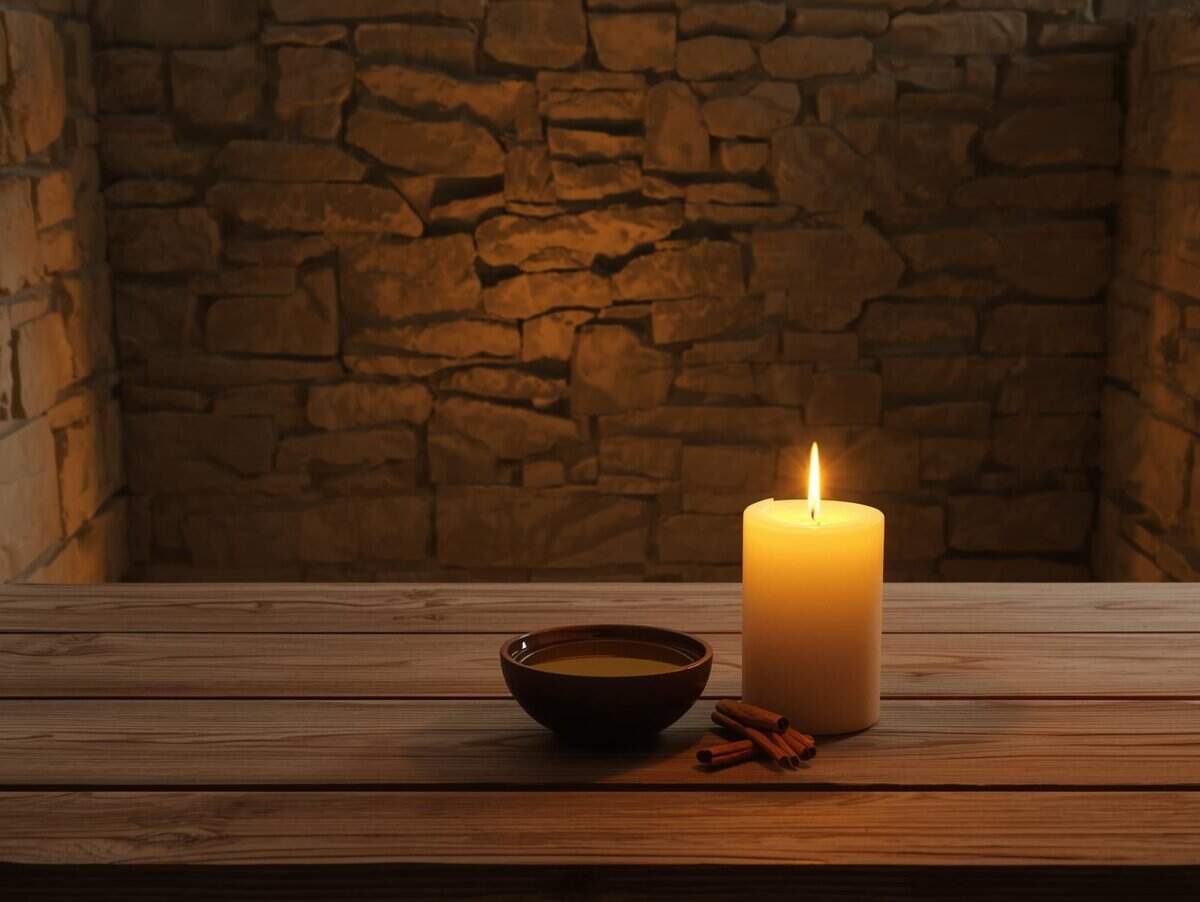
Cinnamon oil was valued for its warm and sweet scent. It was often included in special blends of holy oils used for anointing.
In ancient times, cinnamon was rare and expensive, which made it even more special. It symbolized warmth, energy, and life.
The scent was believed to awaken the senses and bring a feeling of joy and strength. In religious use, it helped create a rich and inviting atmosphere.
Cinnamon oil showed that sacred rituals were not only serious but also full of life and meaning. It added depth and richness to spiritual practices.
7. Hyssop Oil
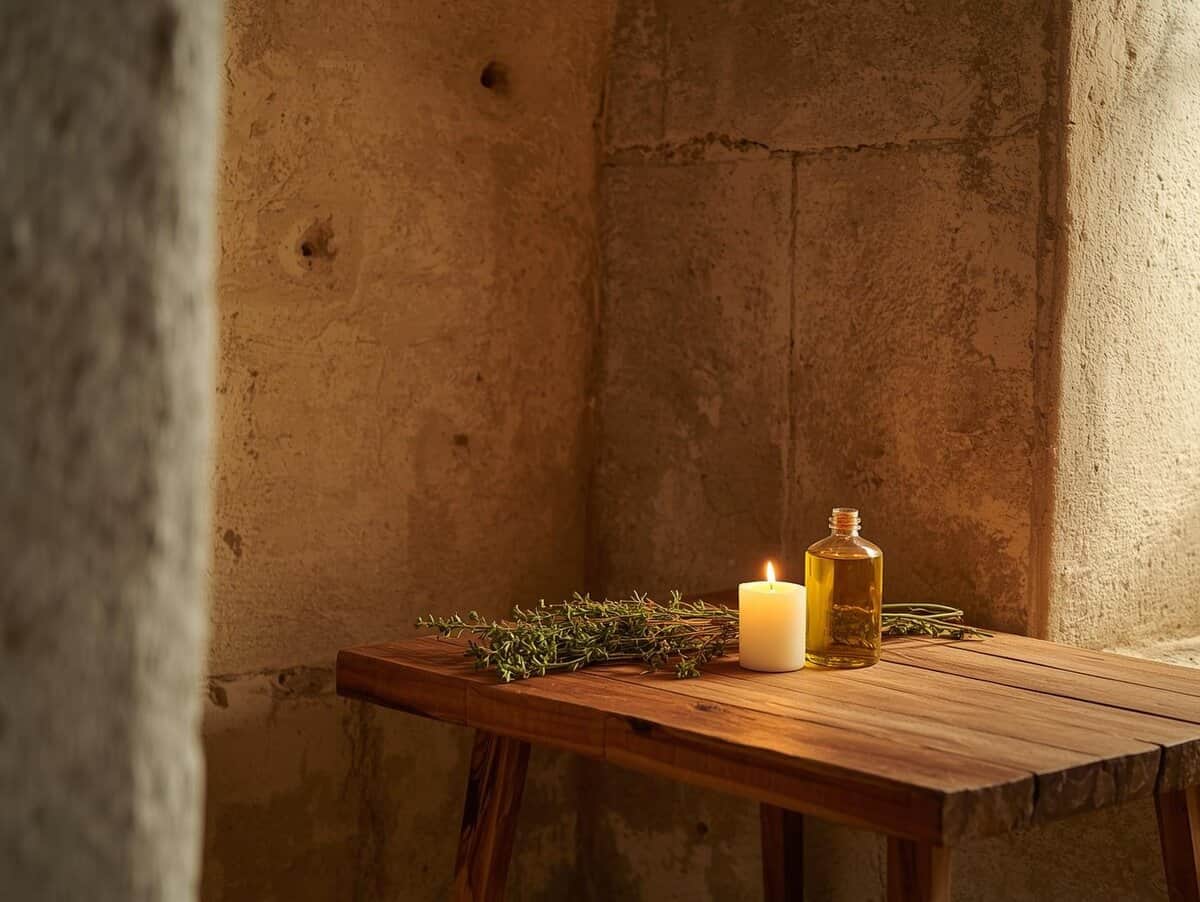
Hyssop oil was used in ancient purification rituals, especially in biblical traditions. It was often linked to cleansing from sin and spiritual renewal.
Hyssop was used in ceremonies where people sought forgiveness or a fresh start. The oil made from it carried the same meaning.
It symbolized cleaning not just the body but also the soul. Its use showed the importance of inner purity in spiritual life.
Hyssop oil helped people feel renewed and ready to reconnect with the divine. It was simple but deeply meaningful in its purpose.
8. Rose Oil
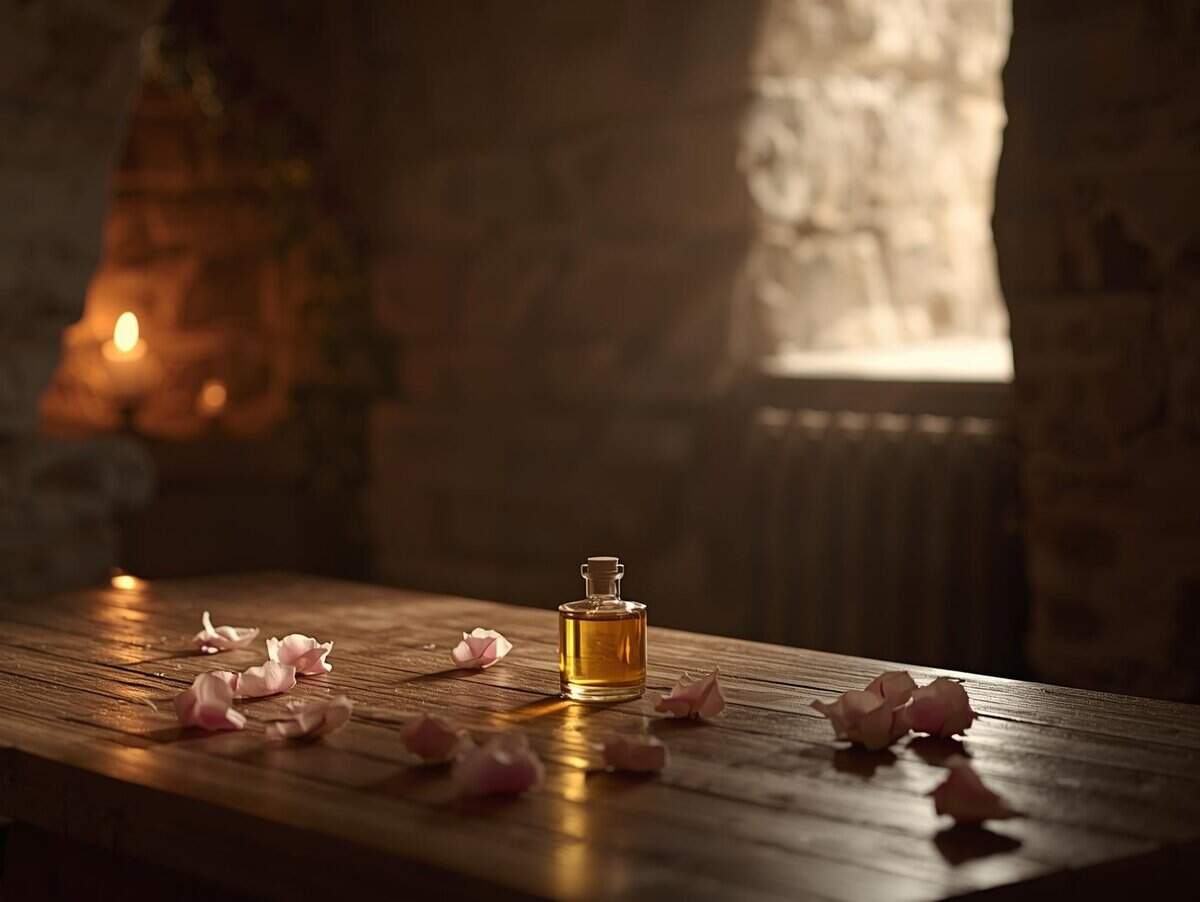
Rose oil was used for its beautiful scent and calming effect. In some ancient traditions, it was connected to love, beauty, and divine presence.
The gentle fragrance helped create a peaceful and uplifting atmosphere during ceremonies.
Rose oil was often used in rituals that focused on compassion, healing, and emotional balance.
It symbolized a deep and pure form of love that went beyond the physical world. Because of its softness and beauty, it reminded people of a higher, more peaceful place.
9. Almond Oil
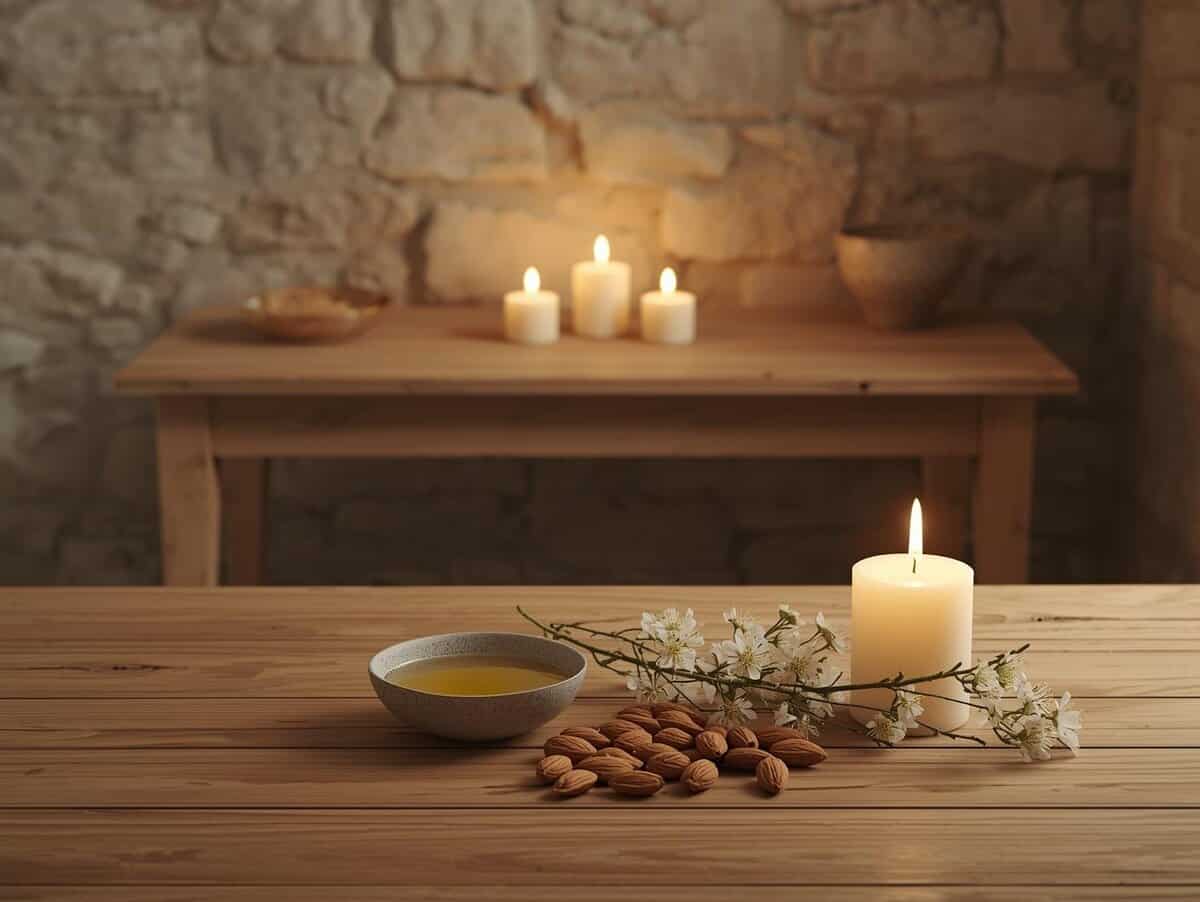
Almond oil was used in some ancient traditions for blessing and care. Almond trees were among the first to bloom, making them a symbol of new beginnings and watchfulness.
The oil was gentle and often used for anointing and healing. It represented care, growth, and attention.
In spiritual use, it reminded people to stay alert and aware. Almond oil was not as strong in scent as others, but its meaning was just as important.
It showed that even simple things could carry deep spiritual value in religious life.
10. Balm Oil
balm oil, often called balm of Gilead in ancient texts, was known for its healing properties. It was used to treat wounds and bring comfort to those who were suffering.
In religious ceremonies, it symbolized healing, mercy, and restoration. People believed it could soothe both physical pain and emotional hurt.
The oil became a symbol of hope and care during difficult times. Its use showed that healing was an important part of spiritual life.
Balm oil reminded people that comfort and renewal were always possible, even in the hardest moments.

私は生まれたときから、常に神との強いつながりを感じていた。作家として、また指導者として、私の使命は、人々が最も暗い時代に愛と幸福と内なる強さを見つけるのを助けることである。