
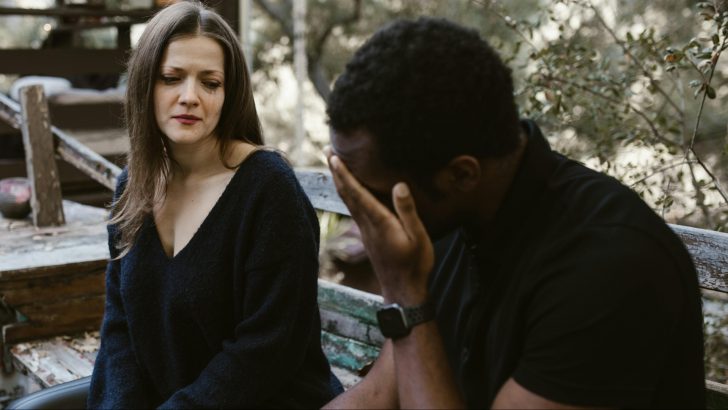
Relationships can sometimes be tricky, even in the best of times.
But if you’ve been hurt in past relationships, stepping into something safe and stable might create more confusion than comfort.
You might find yourself feeling restless or overwhelmed, even though everything looks perfect on paper.
And it’s not just in your head; that’s how trauma rewires our brains and emotions.
Understanding why this happens can help you be more compassionate and patient, and maintain your healthy, safe relationship even through turbulent times.
Trauma Changes How You Think

When you go through a bad or traumatic relationship, your brain can get stuck in fight-or-flight mode.
Instead of feeling safe and relaxed in a functional relationship, your stress response stays activated, making you hyper-vigilant.
Even when everything is okay, you’re stuck waiting for the other shoe to drop.
It’s not that you don’t trust your partner; it’s just that your brain is trying to protect you based on past experiences.
So, even if your partner is kind and consistent, your nervous system might still react like danger is coming.
それは survival mechanism that’s hard to turn off, and it can make you emotionally disconnected from the safety that’s actually there.
The Fear of Repetition
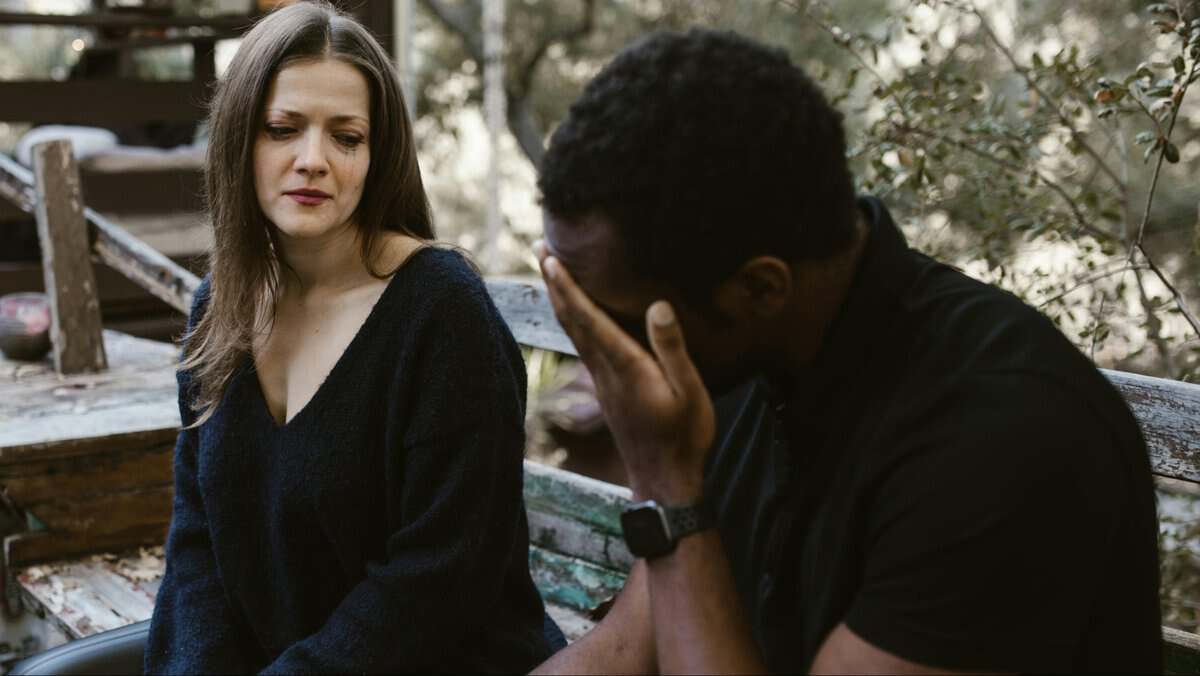
One of the biggest reasons people struggle after trauma is the fear of repeating history.
If your previous relationship was neglectful, manipulative, or abusive, your mind gets hyper-fixated on avoiding that pain 再び
This fear can make it hard to fully relax around your partner, even if you objectively know they’re loving and safe.
You’re focused on the worst-case scenario, pretty much.
All of this can make it difficult to let go and trust someone again, no matter how respectful they are.
However, it’s important to know the difference between what’s actually happening and what’s just a projection of your fear.
The Restlessness and Inner Confusion

It’s common for people to feel restless and lost in safe relationships after trauma.
Your mind and body are trying to process conflicting feelings: the desire for connection versus the fear of getting hurt all over again.
You might want closeness, but at the same time push it away because it feels unsafe.
これは push-pull dynamic creates emotional chaos for everyone involved. Sometimes you’re excited and connected, but other times you’re anxious and detached.
Your heart is pretty much caught between wanting love and dreading it.
This inner confusion is exhausting for both you and your partner.
Why Safe Relationships Can Feel “Wrong”

Sometimes, even when everything is perfect in theory, safe relationships can feel off. This is because trauma rewires your sense of what’s normal.
Your brain might be used to chaos and instability, so when things are calm and steady, the whole thing feels unfamiliar.
You’re suspicious of that peace, constantly wondering if it’s all too good to be true.
This disconnect can make you feel guilty and confused, and even lead you to think that you might not deserve happiness.
It’s important to recognize that these feelings don’t define your partner or your relationship. They’re just your mind’s way of protecting you.
The Challenge of Trusting Again

Trauma can make trusting others feel like a huge risk. Your past experiences have taught you to be cautious.
Even in a safe relationship, you might find yourself waiting for the other shoe to drop or looking for signs of betrayal.
Being able to trust again takes time and consistent reassurance.
The goal is to slowly change your mindset to be able to trust that love and safety can coexist.
And for your partner, understanding that trust isn’t a switch they can flip can reduce frustration and foster a more supportive environment.
Only then can trust grow naturally over time.
The Role of Patience

The most helpful thing a partner can do is be patient and empathetic.
In order for the relationship to truly be safe, they must recognize that your feelings of restlessness and confusion aren’t a rejection – they’re there because of your past trauma.
If you’re with someone who struggles with trust, try to validate their emotions even if they seem irrational to you.
You can’t “fix” anyone overnight. You need to offer reassurance and kindness over time.
Sometimes, just listening and acknowledging their fears can make a huge difference. There will be setbacks and doubts, as healing from trauma doesn’t happen in a straight line.
Your role is delicate but crucial. Give your partner space to heal at their own pace, and they’ll naturally start to feel safe enough to trust again.
Self-Compassion and Boundaries

Healing from past trauma is necessary with or without a relationship. You’re not just healing for your new partner, but for yourself, first and foremost.
It affects how you handle your emotions and boundaries.
This is a complex journey, so it’s normal to feel frustrated and helpless at times.
When you’re able to set healthy boundaries within a relationship, both you and your partner can feel safe and respected.
Ask them to be honest about what they can handle and communicate openly.
This healing process requires a lot of strength, patience, and grace from both sides.
The Process of Healing Together

When you’re healing after trauma and trying to build a healthy relationship, you’re essentially creating new patterns of trust and safety.
And that’s exactly as hard to do as it sounds.
Learned emotional responses are hard to shake, even though it’s absolutely possible, especially with good support.
Setbacks are to be expected, but try not to let them get you down. Instead, focus on celebrating every successful step.
With patience and understanding, you and your partner can redefine what safety and love mean for both of you.

A little Aquarius, devoted to writing and embroidery. Through my writing, I hope to empower readers to align with their true selves and navigate life’s mysteries with confidence.