

Most magical practices are rooted in psychology and science.
A lot of things are happening within our brains and bodies that make these practices feel real and impactful.
From the way you interpret belief to the chemistry triggered by rituals, our bodies are wired to respond to the magic we create.
So, let’s explore the fascinating science behind why マジック works on a biological level!
1. The Placebo Effect
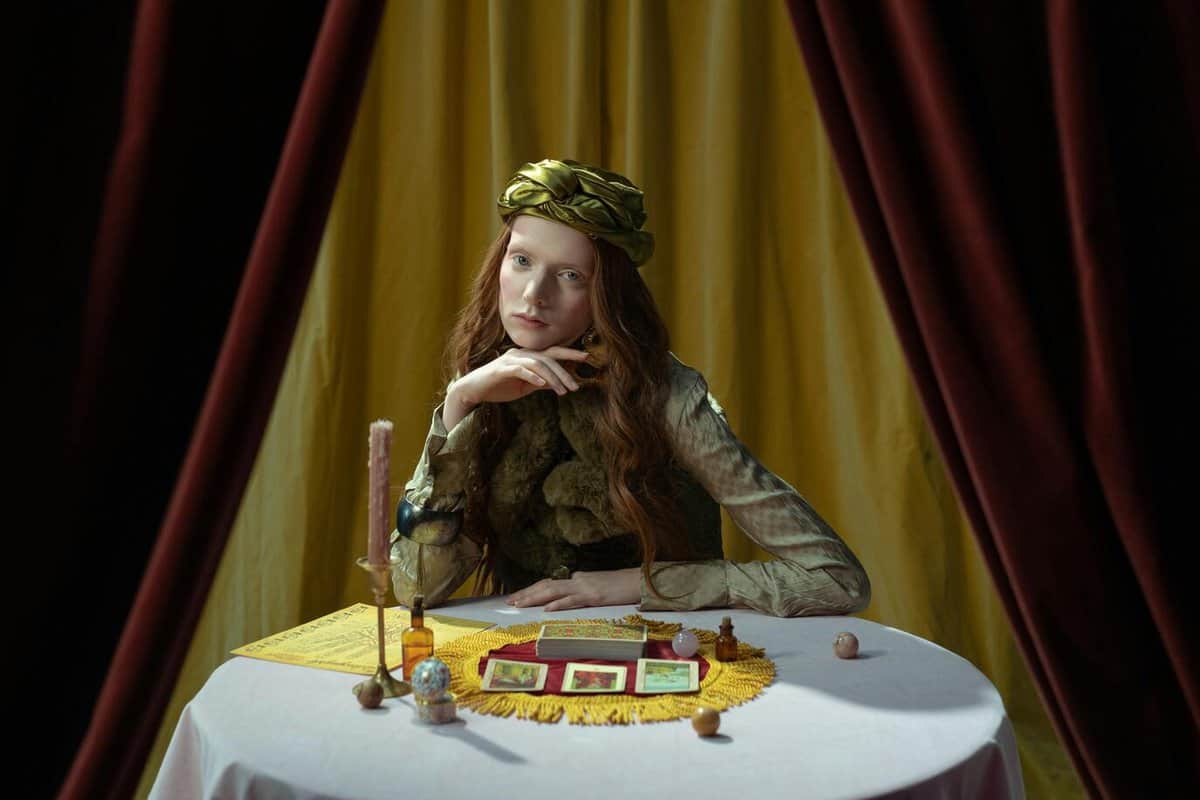
When you believe a spell or ritual will work, your brain releases chemicals like dopamine and endorphins, which can actually change how you feel physically and emotionally.
This is called a placebo effect; your brain convinces あなたの ボディ that something has changed, and it responds accordingly.
This can be used to boost your mood or even influence your perception of reality.
Your perception, in turn, affects your decisions and actions, and is a huge part of your success.
Essentially, the science begins in your brain and allows you to manifest.
Your belief acts as a kind of internal magic, sparking real biochemical changes that reinforce your confidence and well-being.
2. Cognitive Biases

Our brain loves to find patterns そして confirm what we already believe; that’s called a confirmation bias.
When we perform rituals, we tend to remember the outcomes that support our beliefs, often ignoring the ones that don’t.
This bias makes us more convinced that our practices are effective.
Suggestion also plays a huge role. If you do a spell for good luck, your mind will focus on the signs that it was successful, like getting some cash or getting out of trouble at work.
The science here is that your brain leads your beliefs, helping them become reality in your mind and life.
3. Neuroplasticity

When you focus intently on a goal, the brain’s neuroplasticity comes into play. That’s the brain‘s ability to rewire itself by strengthening certain neural pathways.
In non-science speech – the more you concentrate on an intention, the more your brain gets used to thinking in that direction.
Over time, this can influence your motivation and behavior, making your goals feel more attainable.
By focusing deeply during rituals, you’re helping your brain create a new mindset that guides you toward a desired outcome.
4. The Chemistry of Rituals and Aromas

Many magical practices include herbs and candles, and these aren’t just for ambiance. There’s actually science behind them.
When you breathe in aromatic substances like essential oils or fragrant herbs, they send signals to your olfactory system, which is directly connected to the emotional centers in your brain.
Certain scents can promote relaxation or alertness, depending on what’s used.
For example, lavender can soothe anxiety, while citrus boosts your energy.
So, these rituals go beyond the symbolic. They’re chemically influencing your mood and mental state, making your practice more impactful.
5. Rituals as Emotional Regulation

Science has proven that repetition and familiarity bring us comfort. That’s why performing practiced rituals and spells can help regulate your emotions.
Following a structured activity gives you a sense of control.
This act helps reduce anxiety and increase confidence because it creates a predictable pattern that your brain can easily catch up with.
Over time, these routines can become a way to calm yourself and foster a sense of empowerment.
They help remind you that you’re in control, even during uncertain times.
6. The Social Side of Magic

Doing rituals in groups creates a sense of profound connection.
When you perform magic with friends or a trusted community, your mirror neurons activate.
These are the cells that help us empathize and mimic others’ actions.
Also, chemicals like oxytocin get released, making everyone feel more relaxed and close.
Science suggests that this collective belief amplifies the power of the ritual, making it feel more real and meaningful.
This turns individual intentions into a shared experience.
7. Symbols and Gestures

Symbols and gestures also serve a specific purpose, science reveals. They activate specific parts of your brain that control meaning and memory.
When you perform a ritual involving symbols or specific movements, your limbic system gets involved.
This makes the practice more emotionally charged and memorable.
The brain associated symbols with specific intentions, strengthening your belief in magic.
For instance, lighting a candle or drawing a sigil can trigger emotional responses that boost your confidence.
This neural activation keeps the ritual in your subconscious, making the practice feel more powerful and real.
8. Meditation and Focus

Many manifestation practices include meditation and deep focus, which can significantly boost your brain’s chemistry.
When you enter a meditative state, your brain releases neurotransmitters like serotonin and dopamine; they make you feel good and promote clarity.
According to science, this heightened mental state can enhance your intuition and foster a sense of well-being.
The more consistent you are with these practices, the more your brain associates them with positive feelings, reinforcing your belief in magic.

A little Aquarius, devoted to writing and embroidery. Through my writing, I hope to empower readers to align with their true selves and navigate life’s mysteries with confidence.