
Many spiritual traditions warn that not every door in the spiritual world should be opened.
Throughout history, religious teachers have warned people to be careful when dealing with unknown spiritual forces, secret rituals, or practices that claim to reveal hidden power.
In the Bible and in many Christian teachings, believers are encouraged to seek wisdom, prayer, and faith rather than dangerous spiritual shortcuts.
The idea of “spiritual doors” is often used as a symbol. It represents actions or practices that can invite harmful influences into a person’s life.
Some of these practices may seem harmless or even exciting at first. However, many religious traditions warn that certain spiritual paths can lead people away from truth, peace, and faith.
Instead of bringing wisdom, they may cause fear, confusion, or spiritual harm.
The following seven examples are often mentioned by religious teachers as spiritual doors that people should be careful never to open.
1. Seeking Guidance from Occult Practices

One spiritual door many traditions warn against is the use of occult practices to gain knowledge about the future or hidden events.
These practices may include fortune telling, tarot reading, or rituals that promise secret spiritual insight.
People are often drawn to these methods because they want answers about love, success, or their future.
However, many religious teachings warn that seeking supernatural knowledge through these methods can lead people away from faith.
Instead of trusting God or relying on wisdom and patience, people may begin depending on mysterious forces that claim to control fate.
This can slowly shift a person’s focus away from spiritual truth and toward fear or obsession with predictions.
Many spiritual leaders advise that guidance should come through prayer, reflection, and wise counsel rather than through hidden or magical practices that claim special power.
2. Attempting to Contact Spirits of the Dead
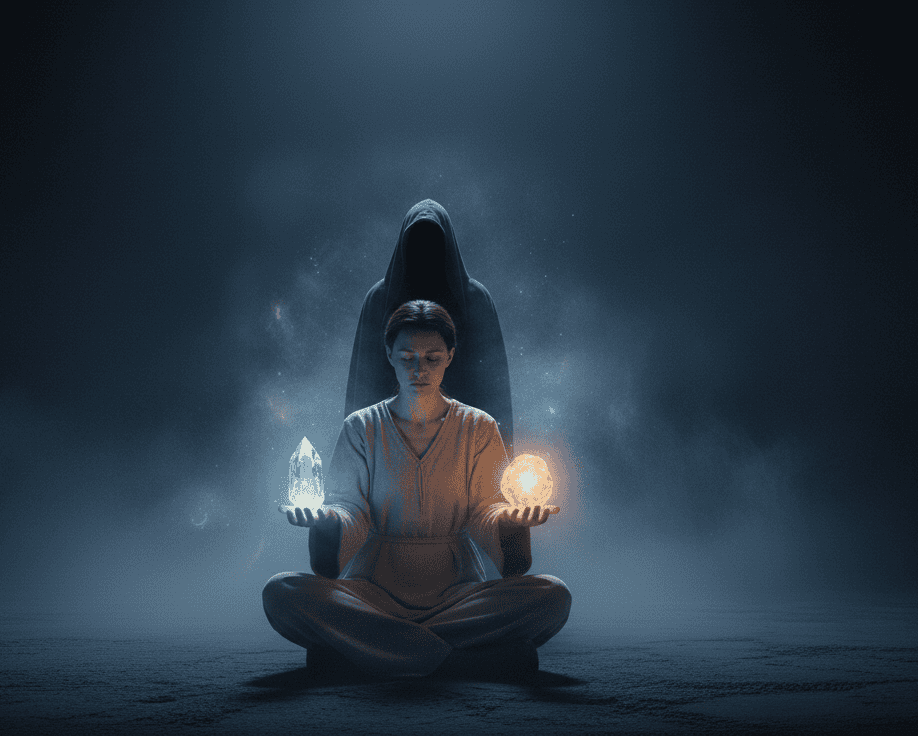
Another door that many traditions strongly warn about is attempting to contact the spirits of people who have died.
Practices such as séances, spirit boards, or mediumship are often described as attempts to communicate with the dead.
For some people, this curiosity comes from grief or a desire to speak with loved ones again.
While the emotional desire is understandable, many religious traditions warn that such practices can open dangerous spiritual pathways.
Instead of genuine contact with loved ones, believers often fear that these practices could invite unknown or deceptive spiritual forces.
Because of this risk, many teachings encourage people to honor and remember the dead through prayer and memory rather than trying to communicate with them directly.
3. Obsession with Dark or Harmful Spiritual Powers

Another spiritual door that many teachers warn against is fascination with dark or destructive spiritual forces.
Some people become deeply interested in ideas about demons, curses, or supernatural power connected with darkness.
While curiosity about spiritual topics is natural, constant focus on negative spiritual forces can affect a person’s thoughts and emotions.
It can lead to fear, anxiety, or an unhealthy fascination with darkness rather than goodness.
Many religious traditions encourage people to focus their attention on positive spiritual growth instead.
By seeking truth, kindness, and faith, individuals can strengthen their inner life rather than becoming drawn toward harmful influences.
4. Practicing Rituals That Promise Personal Power
Throughout history, certain rituals have promised people special power, control over others, or supernatural abilities.
These practices sometimes appear in forms of magic or spiritual ceremonies that claim to give someone authority over events, people, or unseen forces.
Many religious teachings warn that the desire for personal spiritual power can become dangerous.
Instead of humility and faith, a person may begin seeking control and domination. This shift can lead someone away from spiritual balance and toward selfish ambition.
True spiritual growth, according to many traditions, focuses on wisdom, compassion, and service rather than gaining power over others or over the spiritual world.
5. Opening the Mind to Constant Fear of Evil
Another harmful door can open when people allow fear of evil forces to dominate their thoughts.
Some individuals become so focused on spiritual dangers that they begin to see threats everywhere.
While many religious traditions acknowledge the existence of spiritual struggle, they also warn against living in constant fear. Obsession with evil can weaken a person’s sense of hope and trust in God.
Instead, spiritual teachers often encourage believers to focus on faith, courage, and goodness.
By strengthening positive beliefs and values, people can avoid becoming trapped in a mindset of fear.
6. Rejecting Moral Boundaries

One of the most dangerous spiritual doors is rejecting moral boundaries entirely.
When people begin to believe that right and wrong no longer matter, they may slowly abandon principles that protect themselves and others.
This can lead to actions that harm relationships, communities, and personal character.
Without moral guidance, people may follow impulses or desires that eventually lead to regret and spiritual emptiness.
Many religious traditions emphasize that moral values exist to guide people toward peace, justice, and respect for others. Ignoring these boundaries can open the door to destructive choices.
7. Turning Completely Away from Faith

The final and perhaps most serious spiritual door is turning completely away from faith and spiritual reflection.
When people lose all interest in spiritual values, they may begin to see life as purely material or meaningless.
This can create a sense of emptiness or lack of purpose. Without spiritual guidance, some individuals struggle to find direction during difficult times.
Many traditions teach that faith provides a sense of meaning, hope, and connection with something greater than oneself.
By maintaining that connection, people can keep their spiritual lives balanced and protected from harmful influences.

私は生まれたときから、常に神との強いつながりを感じていた。作家として、また指導者として、私の使命は、人々が最も暗い時代に愛と幸福と内なる強さを見つけるのを助けることである。