
The Romans loved to think of themselves as fearless conquerors. They built roads across continents, marched into battle wearing sandals that somehow survived every terrain, and insisted that civilization followed wherever they planted a flag. But even the mighty Romans had a long list of creatures they wanted absolutely nothing to meet after dark.
Roman mythology borrowed heavily from Greek legends while adding its own twists, local spirits, and terrifying supernatural beings. These creatures weren’t just bedtime stories—they were often believed to explain mysterious deaths, strange illnesses, bad luck, and the dangers lurking beyond the safety of city walls. If something rustled in the forest, it probably wasn’t “just the wind.” It was almost certainly something with claws, wings, or an unhealthy interest in human souls.
Here are some of the mythical creatures that gave even Rome’s bravest citizens a reason to sleep with one eye open.
1. The Harpies
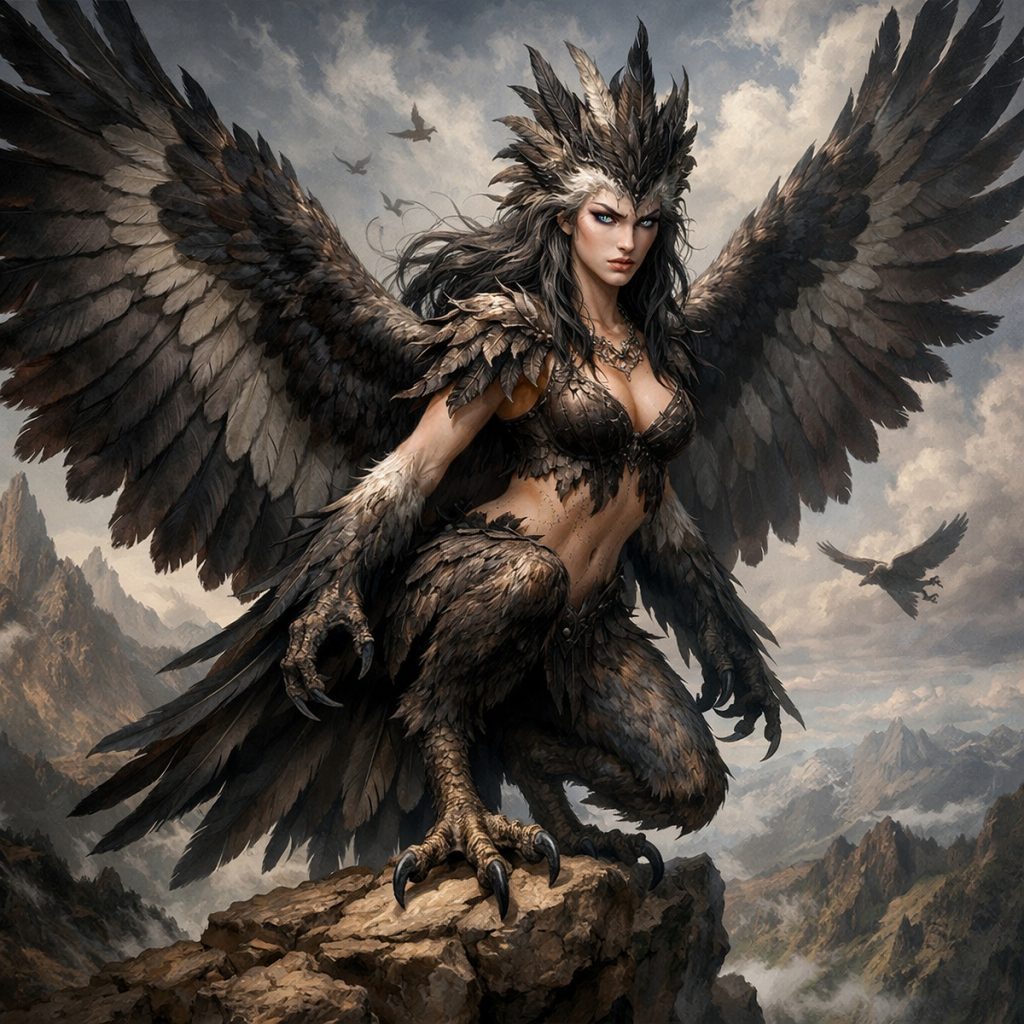
Imagine a bird large enough to block the sun, but instead of singing beautiful songs, it screamed like someone stepping on a Lego. Then give it the face of a furious woman and an attitude that could ruin any dinner party. Congratulations—you’ve met the Harpies.
Originally borrowed from Greek mythology, the Harpies became well-known throughout Roman literature as winged monsters that punished those who angered the gods. They weren’t simply predators; they specialized in making life miserable. According to legend, they swooped down to steal food, contaminate feasts, and torment their victims until starvation or madness followed. Nothing says “bad vacation” like finally catching dinner only to have a giant feathered monster sneeze all over it.
Romans viewed the Harpies as symbols of divine punishment. If someone committed terrible crimes or showed disrespect toward the gods, these creatures might arrive as heavenly debt collectors. Their appearance represented chaos invading civilized life—a frightening concept for a culture that valued order above almost everything else.
2. The Gorgons
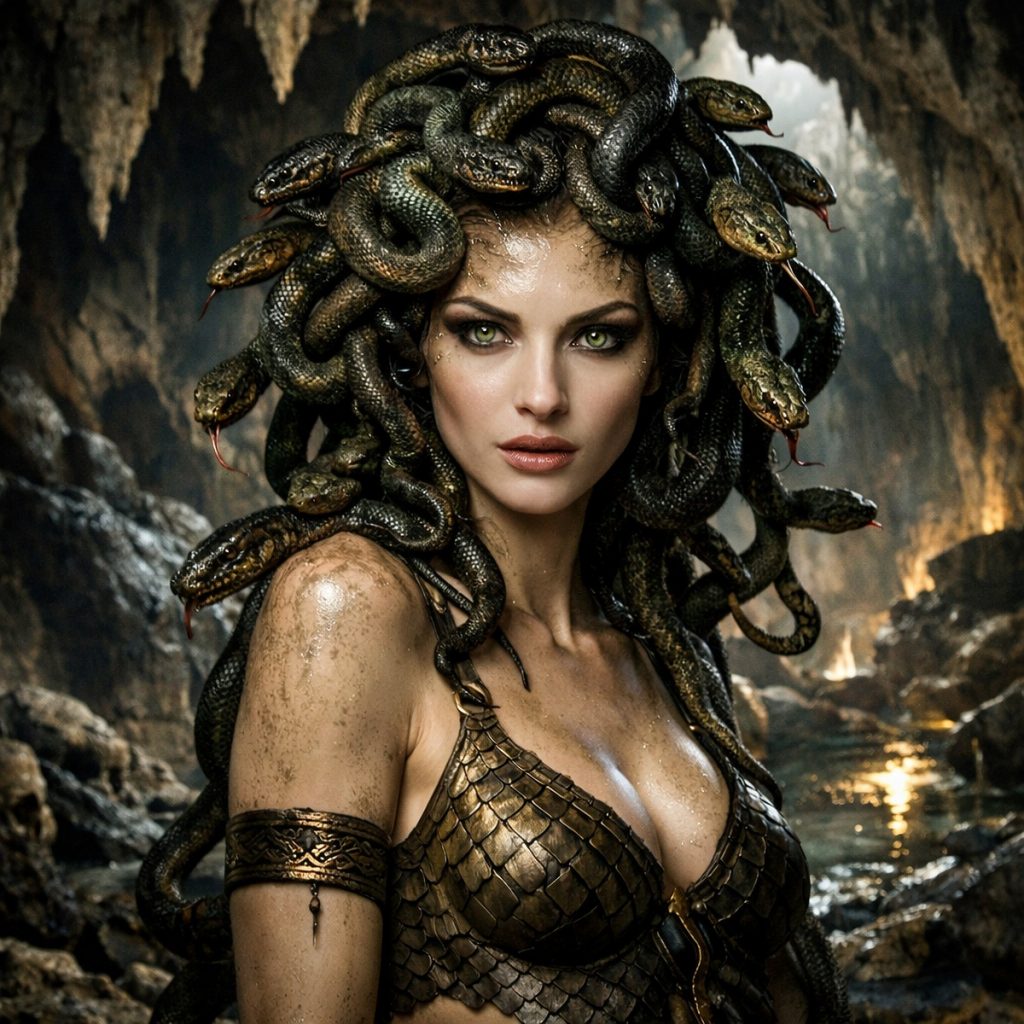
Nobody wanted to make eye contact with a Gorgon, and for very good reason. One glance could turn even Rome’s toughest legionary into the world’s most expensive garden statue.
The most famous Gorgon was Medusa, but Roman mythology recognized multiple Gorgons, all possessing snakes instead of hair and terrifying supernatural powers. While later stories sometimes portrayed Medusa more sympathetically, Romans generally saw Gorgons as horrifying monsters whose appearance alone represented death.
These creatures appeared frequently in Roman art, shields, temples, and military equipment—not because people liked them, but because they believed Gorgon images could ward off evil. It was essentially ancient security technology: “If monsters see another monster, maybe they’ll go bother someone else.”
Their frightening appearance symbolized the unstoppable power of fate and divine justice. Even emperors couldn’t simply order a Gorgon to stop being terrifying, which must have been frustrating for rulers accustomed to getting their way.
3. The Empusa
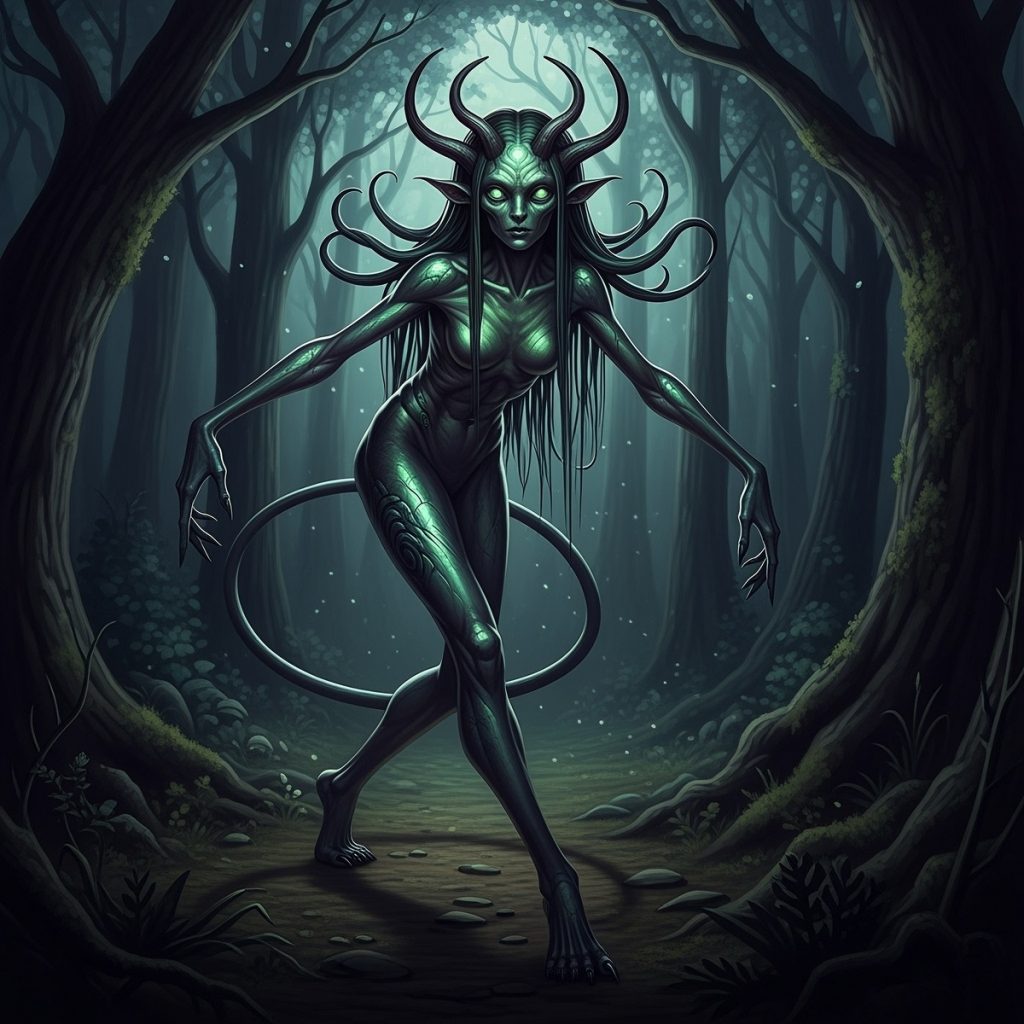
If vampires and shape-shifters had an ancient Roman cousin, it would probably be the Empusa.
This terrifying female demon could change her appearance to lure unsuspecting travelers before revealing her monstrous form. Some stories described her with one leg made of bronze and another resembling a donkey’s hoof, proving that fashion standards in mythology have always been… flexible.
Romans believed creatures like the Empusa preyed upon lonely wanderers and careless young men, especially those traveling at night. The lesson was clear: perhaps don’t follow mysterious strangers into dark forests, no matter how charming they seem.
Parents also used stories about the Empusa to scare children into behaving. Ancient Roman parenting occasionally resembled, “Clean your room or a shape-shifting demon will eat you.” Surprisingly effective, if somewhat dramatic.
4. The Lamia
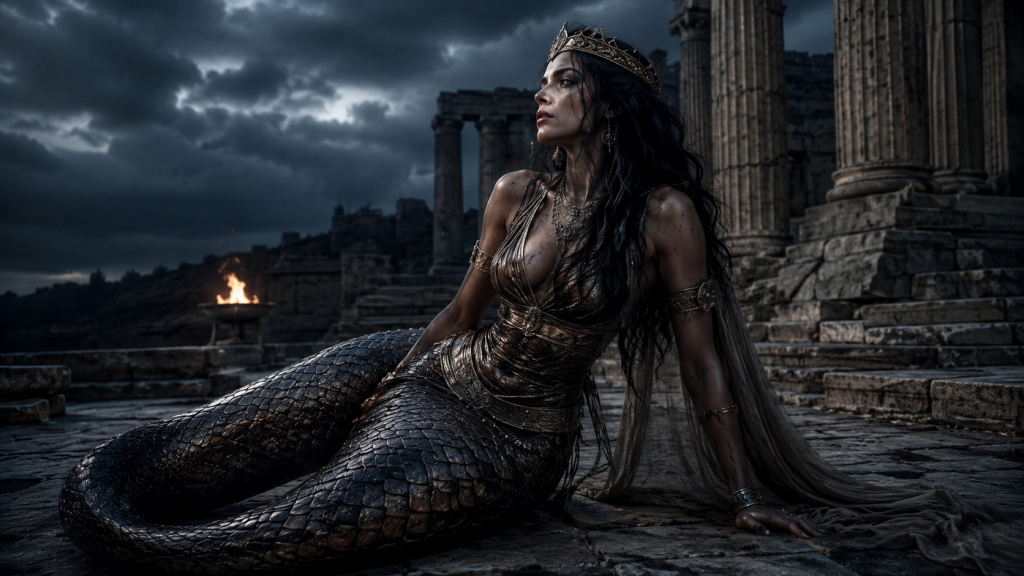
The Lamia combined every nightmare into one convenient package.
Often portrayed as part woman and part serpent, Lamia was believed to hunt children and young adults, feeding on their life force or blood. According to myth, she had once been a beautiful queen whose tragic fate transformed her into a monstrous predator, cursed to wander forever.
Romans told Lamia stories as warnings against wandering alone, ignoring parental advice, or venturing into dangerous places after sunset. She represented the fear that evil could wear a beautiful face before revealing its true intentions.
Her legend also reflected deeper anxieties about grief, revenge, and unchecked rage. Unlike many monsters that were simply evil from birth, Lamia’s story reminded Romans that suffering could transform someone into something terrifying. It’s a surprisingly psychological tale hidden beneath all the snake imagery.
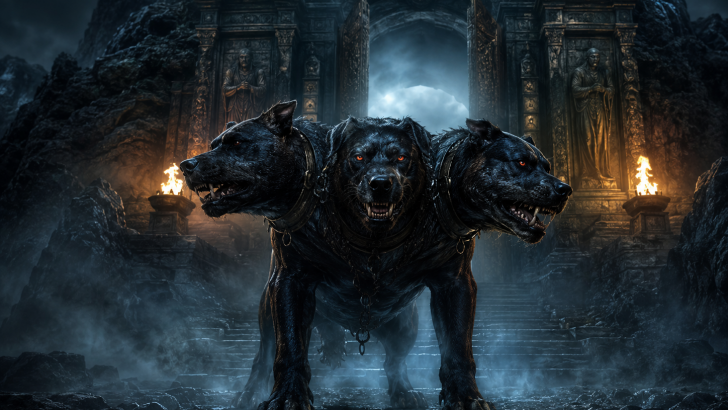
5. Cerberus
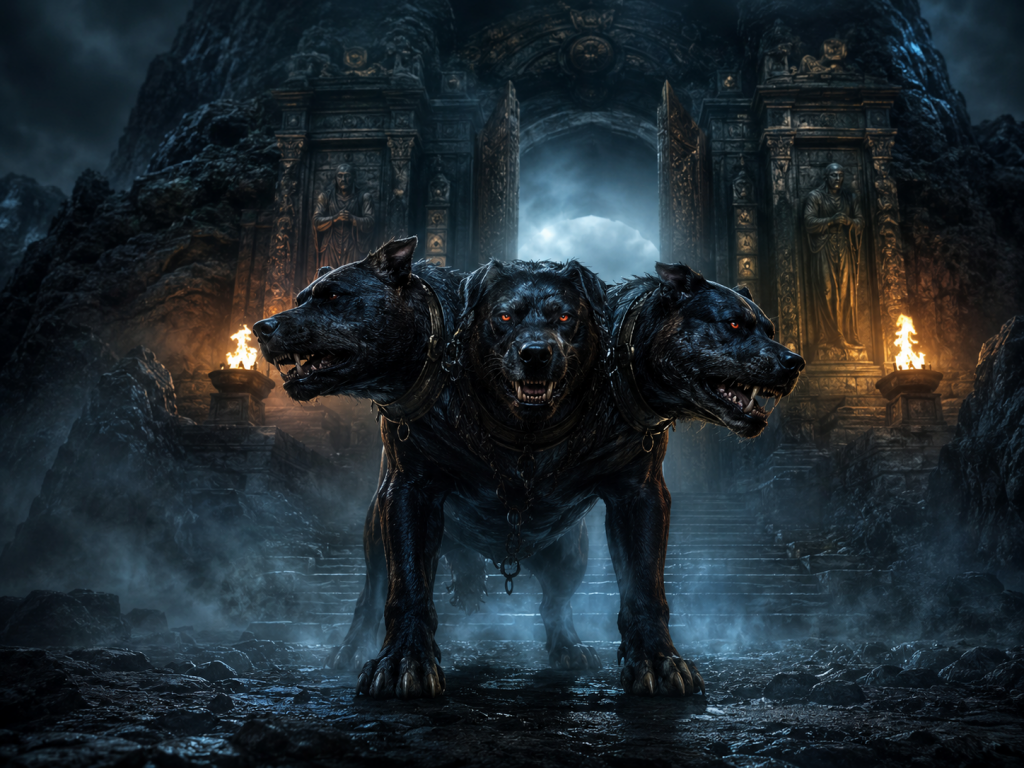
Every civilization needs one employee who takes security way too seriously. For the Romans, that employee had three heads and guarded the entrance to the Underworld.
Cerberus prevented the dead from escaping and made sure the living didn’t wander into the realm of the dead without permission. His multiple heads allowed him to watch every direction simultaneously, making sneaking past him about as realistic as hiding from your neighbor’s extremely enthusiastic dog.
Roman beliefs about the afterlife gave Cerberus an important role. He wasn’t evil for the sake of being evil—he simply enforced the natural order. Death had rules, and Cerberus made sure nobody cheated the system.
Despite his terrifying appearance, Romans also admired his loyalty. If anyone deserved an “Employee of the Century” award for never abandoning their post, it was this giant supernatural watchdog.
6. The Furies
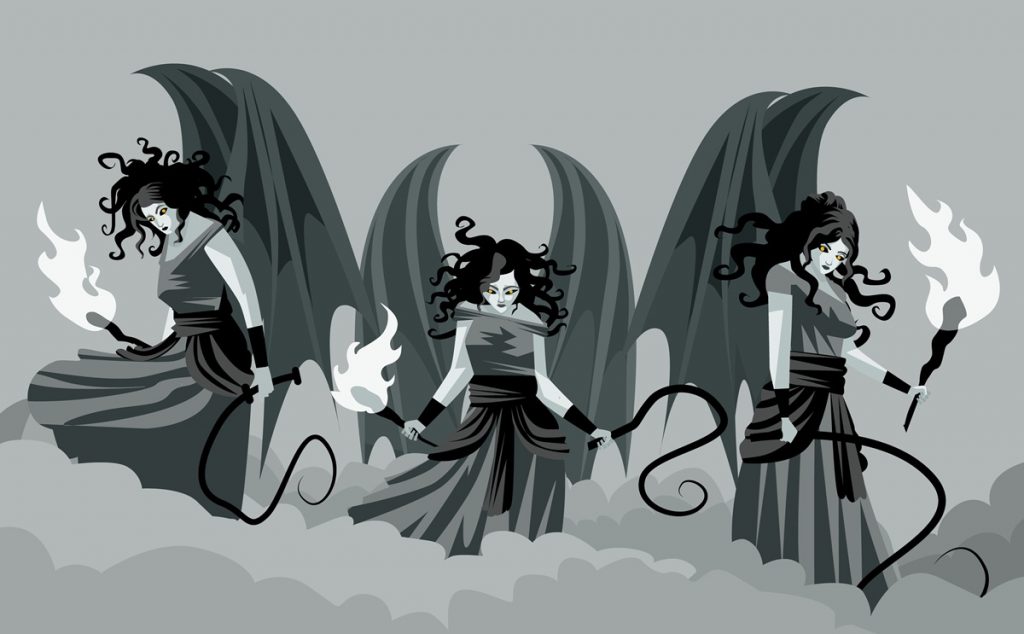
If guilt could grow wings and carry whips, you’d have the Furies.
Known to the Romans as the Dirae or Furiae, these terrifying goddesses pursued murderers, oath-breakers, and anyone guilty of terrible crimes. Unlike monsters that attacked randomly, the Furies had a very specific customer base: people with guilty consciences.
Ancient writers described them with snakes wrapped through their hair, burning eyes, and relentless determination. Once they began hunting someone, there was virtually no escape. They haunted criminals with madness, nightmares, and overwhelming fear until justice had been served.
Romans found them especially frightening because they represented something no fortress could stop: consequences. You couldn’t bribe them, outrun them, or convince them that maybe you weren’t その guilty after all. They turned morality itself into something with claws.
7. The Hydra
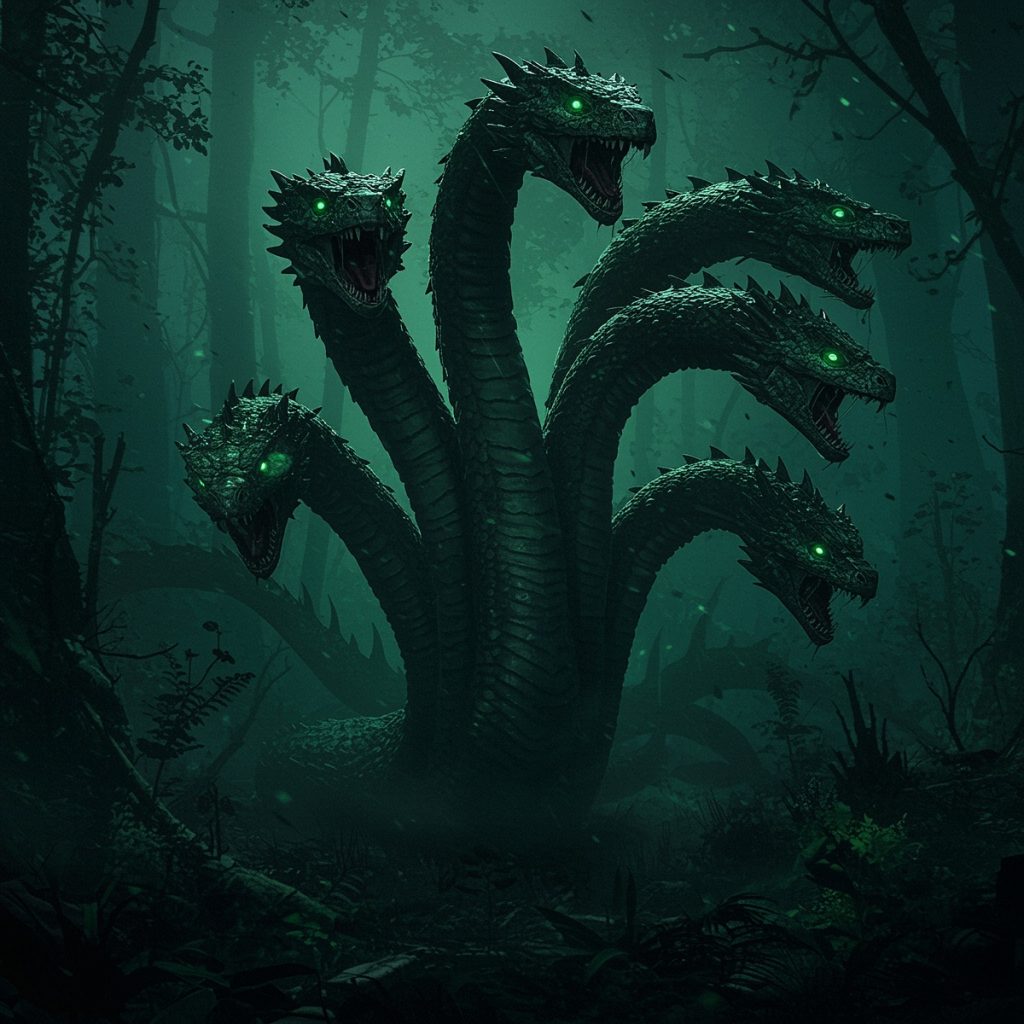
One head is difficult enough. The Hydra believed in overachieving.
This gigantic serpent possessed multiple heads, and according to legend, cutting one off caused two more to grow in its place. Every attempt to defeat it seemed to make the problem even worse—a concept that still feels painfully familiar whenever technology decides to update itself at the worst possible moment.
Although the Hydra is most famous from Hercules’ labors, Roman audiences embraced the monster as a symbol of seemingly unstoppable evil. It demonstrated that brute strength alone wasn’t always enough. Hercules ultimately succeeded through intelligence, teamwork, and a little strategic fire.
For Romans, the Hydra represented persistent threats that required wisdom rather than panic. It also reinforced the idea that heroes earned their reputations by solving impossible problems—not by having particularly impressive biceps alone.
8. The Strix
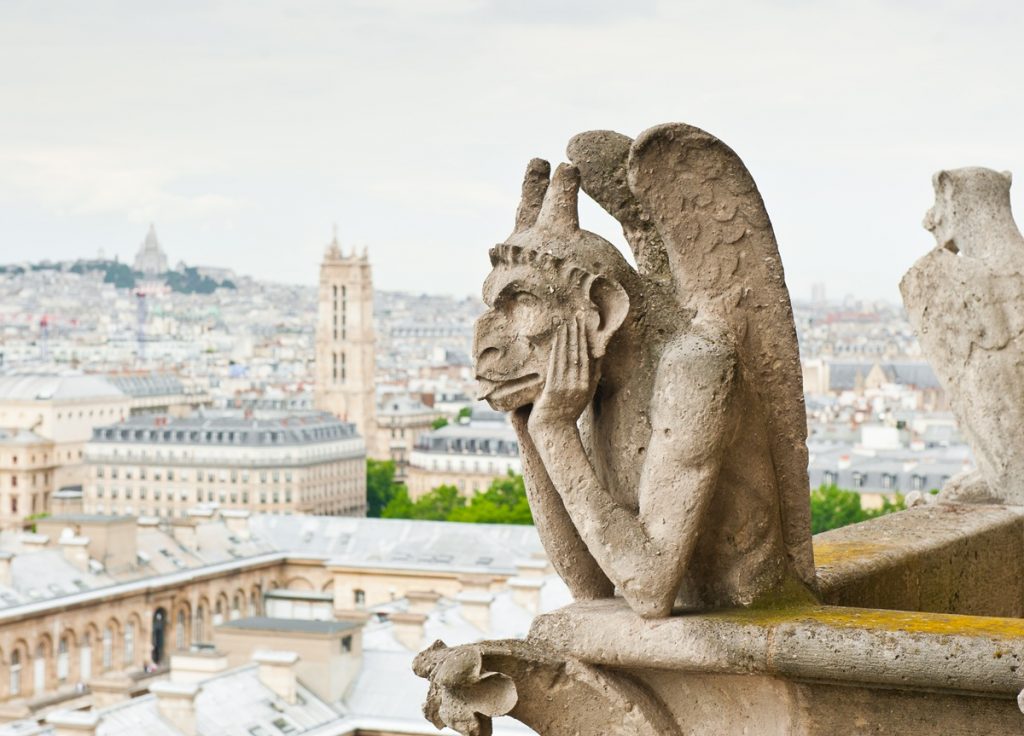
If Roman parents heard scratching outside the window at night, they weren’t thinking about tree branches. They were thinking about the Strix.
This horrifying bird-like creature was believed to fly through the darkness searching for infants and vulnerable people. Ancient writers described it as having enormous eyes, hooked claws, and an unsettling appetite for human blood. Many historians consider the Strix one of the earliest supernatural creatures that influenced later vampire folklore across Europe.
Romans blamed the Strix for unexplained illnesses affecting babies, mysterious nighttime deaths, and strange sounds heard after sunset. Protective rituals, charms, and prayers were often used to keep these creatures away from households.
The Strix reflected one of humanity’s oldest fears: dangers that arrive while everyone is asleep. Long before modern medicine explained childhood diseases, the idea of an invisible winged monster offered a frightening—but understandable—explanation for tragedies that otherwise made little sense.
9. The Minotaur
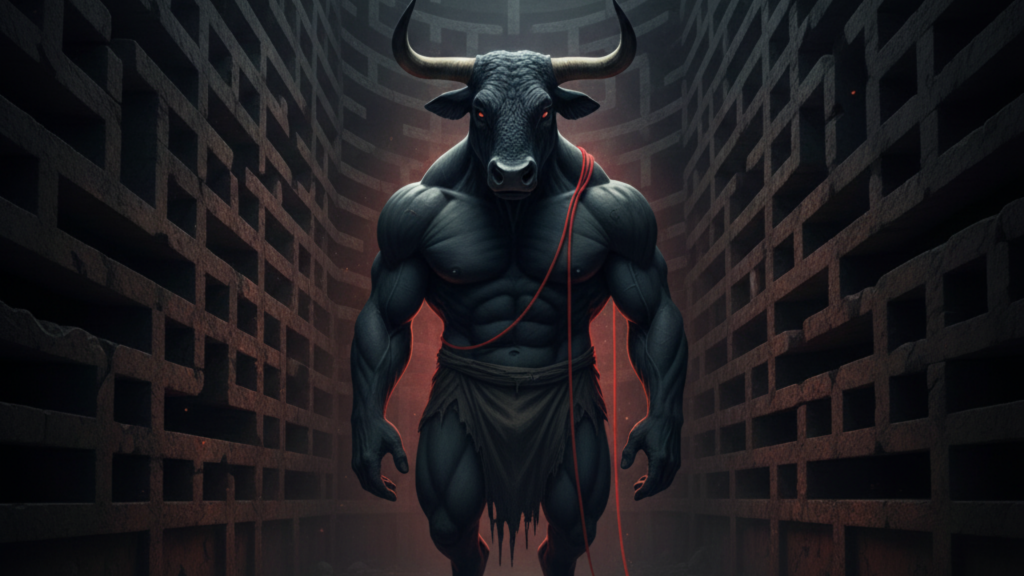
Half man, half bull, and entirely bad at social gatherings, the Minotaur remained one of the most recognizable monsters in Roman storytelling.
Living inside an enormous labyrinth, the creature devoured anyone unfortunate enough to become trapped within its twisting corridors. Romans inherited the myth from Greece, but it fit perfectly with their fascination for heroic adventures and moral lessons.
The Minotaur symbolized uncontrolled violence and the animal instincts hidden beneath civilization. For a society that prided itself on discipline, law, and military organization, the beast represented everything humans could become if reason disappeared.
Its maze added another layer of terror. Escaping wasn’t simply about defeating the monster—it was about finding your way through confusion, fear, and impossible choices. The real nightmare wasn’t just meeting the Minotaur; it was knowing you were probably lost long before it found you.
10. The Chimera
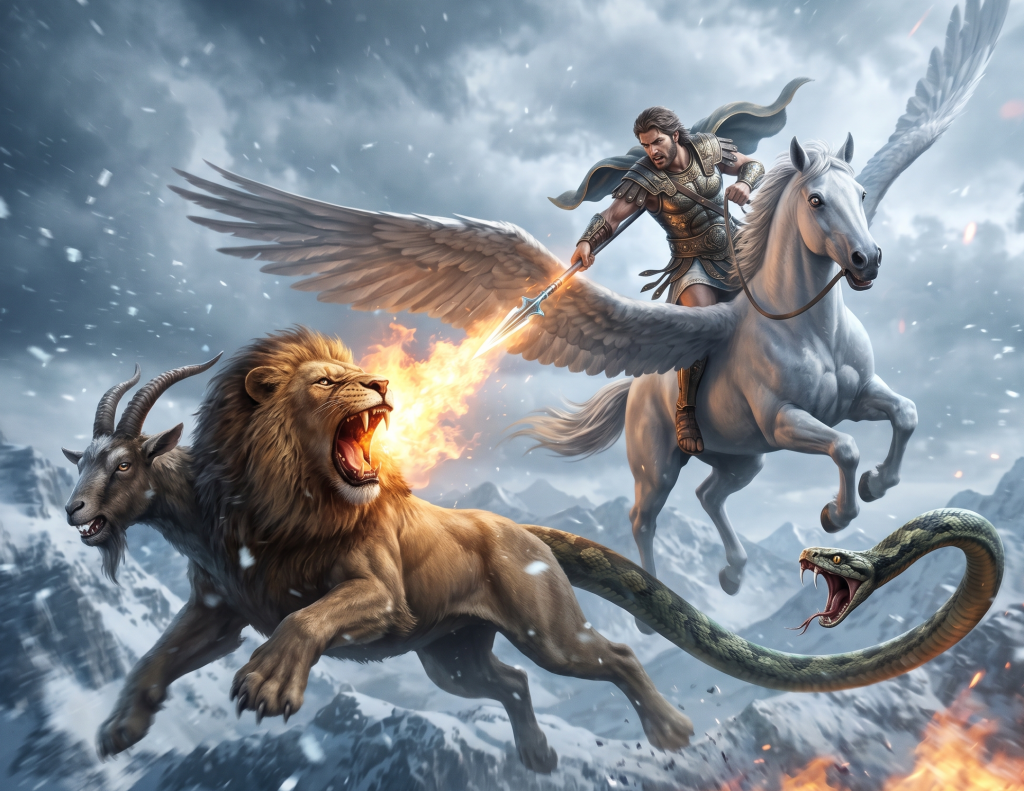
The Chimera looked as though several gods lost an argument over character design and decided everyone would compromise.
With the body of a lion, a goat emerging from its back, and a serpent for a tail, the Chimera breathed fire and spread destruction wherever it wandered. Romans viewed it as one of the ultimate symbols of chaos because it combined several dangerous animals into one impossibly terrifying creature.
The Chimera appeared in Roman art and literature as an opponent worthy of only the greatest heroes. Its bizarre appearance reminded people that nature could become frightening when its normal order was disturbed. Nothing about the creature made logical sense—and that was exactly the point.
For Romans, monsters often represented the unknown lurking beyond the borders of civilization. The Chimera embodied that fear perfectly. Fortunately, most modern people only encounter creatures this confusing when trying to assemble furniture without reading the instructions.

Lover of good music, reading, astrology and making memories with friends and spreading positive vibes! 🎶✨I aim to inspire others to find meaning and purpose through a deeper understanding of the universe’s energies.