

The concept of wealth has changed so much over the past few decades. Certain items and appearances indicated wealth before.
Due to the evolution of our ways of living, many of the previously used signifiers of status symbols have morphed into objects that don’t fit well anymore with current standards.
Social networking, minimalism, and the shift in culture regarding respect for money have helped alter what we see as a status symbol today. Quiet comfort is now more associated with status today.
Here are several things that were indicators of wealth before that are now mostly seen as ‘cringe.’
1. Giant Designer Logos Everywhere
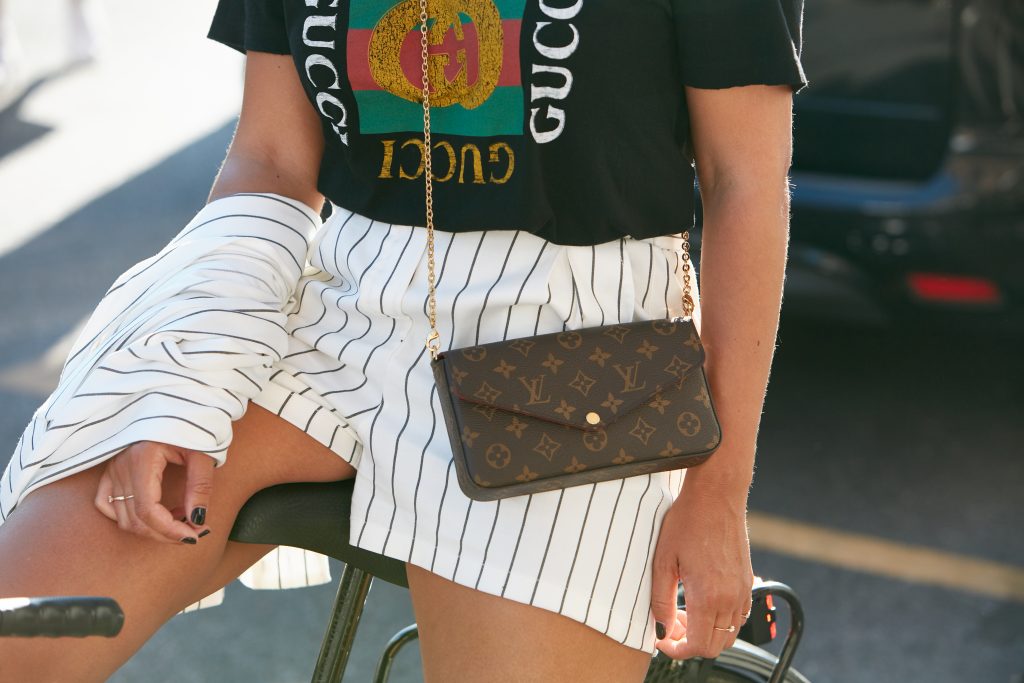
In the past, when one would wear a large designer logo, it signified they’d “made it.” Designer handbags, belts, shirts, and sunglasses featured the brand with maximum visibility.
However, wearing an oversized brand logo today can mean that you are trying too hard and won’t be seen as someone who is truly wealthy.
Rather, people associate greater value with high-quality neutral fabrics with clean lines (quiet luxury) than with an ostentatious logo. Moreover, fashion has also shifted toward understated styles.
2. Overly Decorated Luxury Furniture
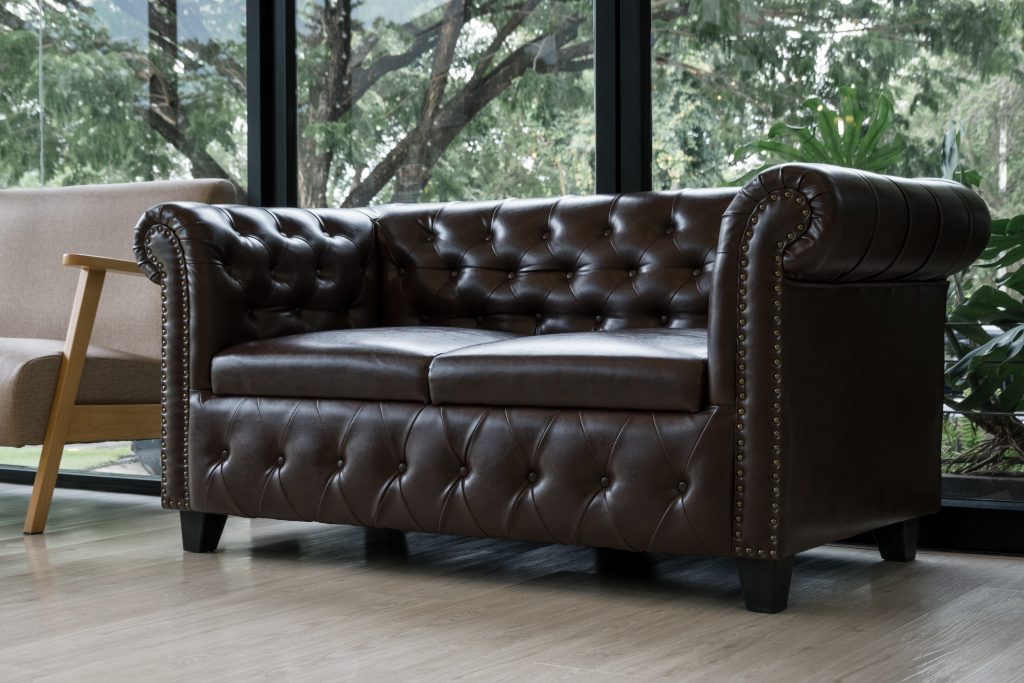
Heavy leather sofas, like other overly luxurious items, were used to signify that a person had significant wealth.
The use of items such as gold accents, large glass tables, and enormous dining rooms also supported their owner’s ability to showcase expensive items. Today’s interiors, in contrast, lack these enormous things and are all about subtle luxury.
Natural materials, softer lighting, and less formal spaces have become the new luxurious look for many modern homes.
3. Keeping Plastic Covers on Furniture

For many years, using plastic on furniture has symbolized wealth and status through protecting the value of an asset.
Today, however, the practice creates a feeling of tension and 不安 due to how modern luxury prioritizes the comfort and functionality of an item as opposed to protecting it.
People today prefer homes that offer a sense of ease and livability; for most people today, a couch protected by plastic creates more anxiety than elegance.
4. Massive Fur Coats

Large fur coats immediately identified the wearer as glamorous and wealthy, and were associated with both celebrities and stores dedicated to high-end shopping.
In contrast, for most people today, there is discomfort in owning or wearing a real fur item because of the current ethical climate and fashion trends.
While faux fur has become one of the softer, less dramatic materials, the use of heavy displays of wealth in today’s fashion has shifted toward cleaner, more practical clothing, making what was once considered powerful feel old-fashioned and excessive.
5. Huge Home Entertainment Systems
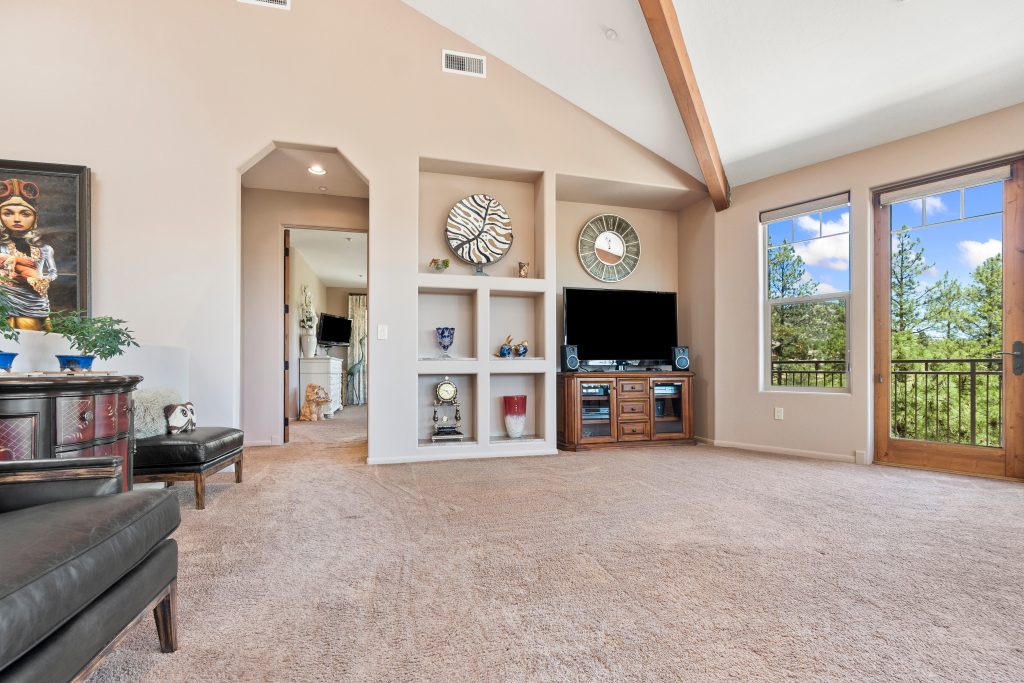
Giant stereo systems and large television cabinets used to demonstrate that a family had financial success.
Families openly displayed speakers, wires, and entertainment-related devices in their living rooms.
Today, technology is integrated with homes as seamlessly as possible in a minimalistic style, with hidden speakers, flat screens, and other items that provide a far more current look than their larger counterparts.
6. Owning Fine China, Nobody Was Allowed to Touch
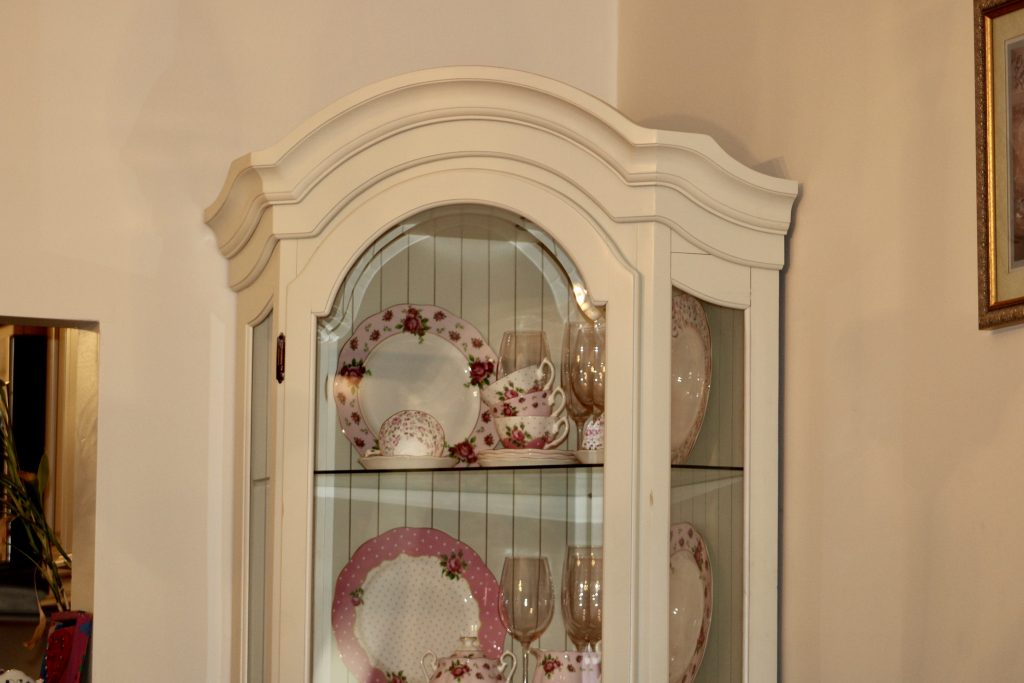
For many years, a nice china set would sit in a glass cabinet without being touched by anyone.
It was seen as a symbol of status and sophistication, regardless of whether it had ever been used. Now, most people find this absurd or impractical.
Luxury has changed from having items saved for ‘special occasions’ that never happen, to offering experiences and comfort (rather than items that are only used once in a blue moon).
Beautiful items are now also much more likely to be treated regularly as something beautiful, rather than left to collect dust for all eternity.
7. Extremely Long Acrylic Nails Covered in Rhinestones
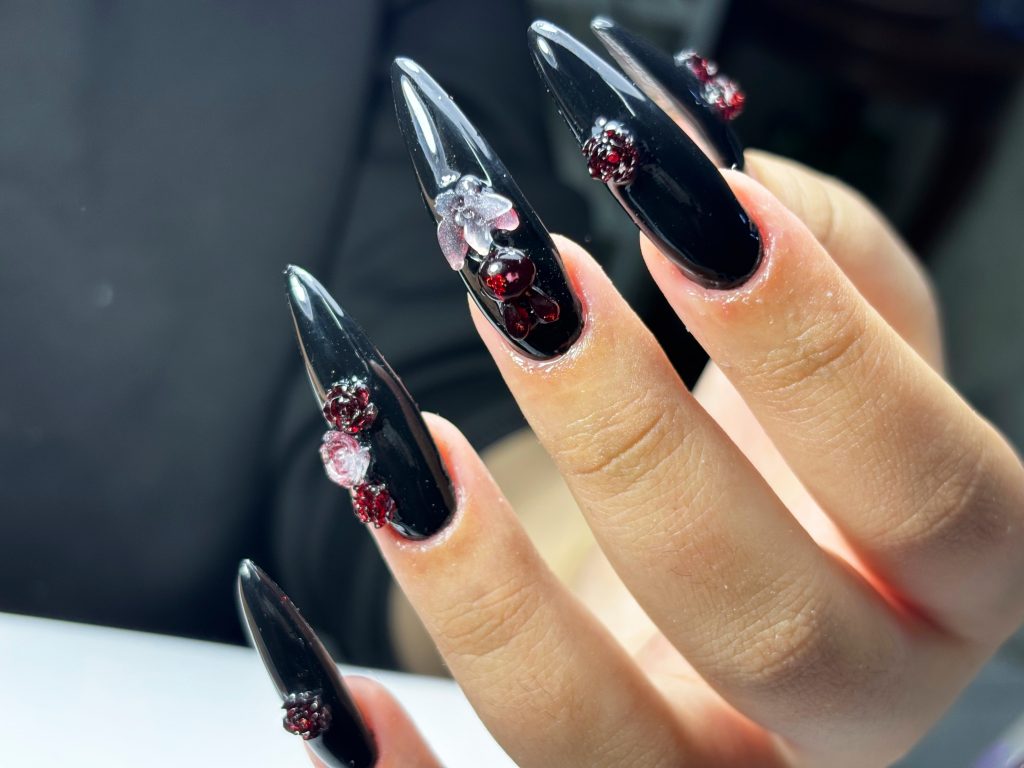
In the past, long acrylic nails with a lot of bling were a sign of wealth and glamour because they were expensive, and all the upkeep of having them required money.
Although nail art is still around, tastes have changed, and now people prefer much cleaner styles instead of gaudy ones.
Super long nails with crystals now feel more connected to social media than to elegance. Grooming in an elegant manner is now considered a sign of wealth.
8. Showing Off Expensive Alcohol Collections

Having lots of expensive liquor bottles or expensive alcohol collections was once a sign of wealth and sophistication. Having a big bar in your house was a sign of having ‘made it.’
However, excessive amounts of alcohol in your house now feel less like a status symbol as the culture of health and diets has become much more ingrained in many younger people than in the previous generation.
Younger generations are now more likely to consider luxury to be about health, travel, and a calm place to live, and not as much about outwardly alcoholic culture.
9. Matching Luxury Tracksuits
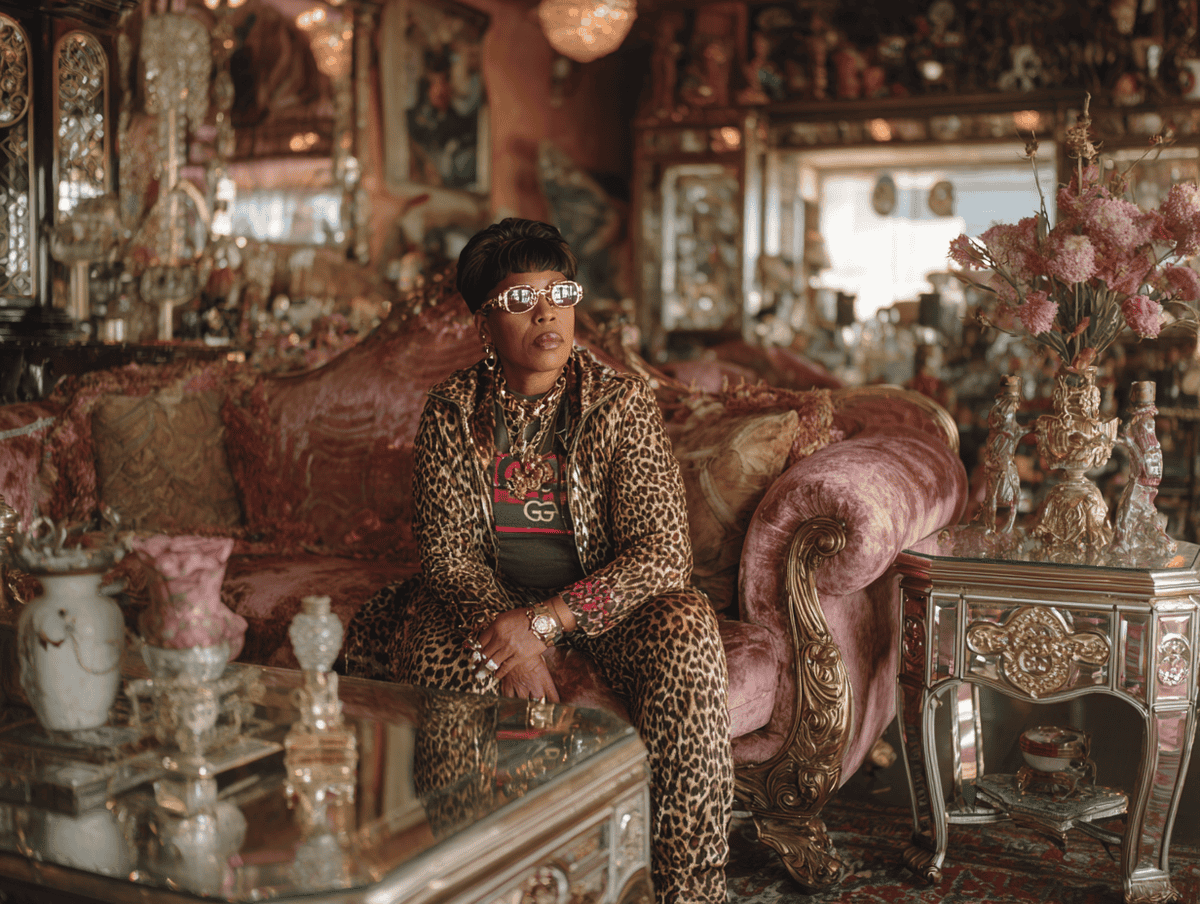
Velour tracksuits, matching sets, and heavy branding of clothes were a way for celebrities in the late 1990s and early 2000s to show off their wealth and luxury lifestyle.
You would see them in almost every magazine and on television. Now, many people consider these items of clothing to be out of style and play too much into the desire to be ‘over the top.’
Today, casual luxury clothing typically has a more neutral and understated color palette, differing from matching designer clothing. Comfortable clothing has remained a popular choice, and ‘showy’ designer clothing has fallen out of favor.
10. Having a Fully Formal Living Room Nobody Used
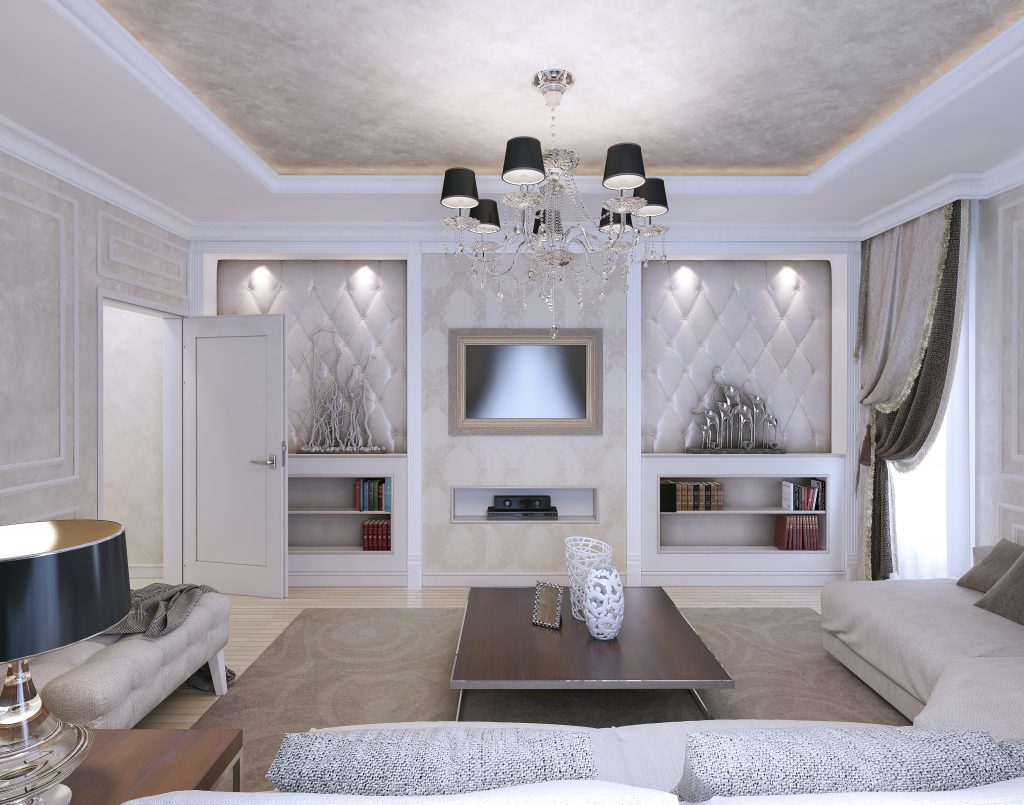
Many homes used to have a separate, ‘formal living room’ where the owners would entertain guests.
These spaces tended to be overly decorated, uncomfortable, and never used by the family that owned the home. They were viewed as a status symbol by the owners because they were created to be seen and not to feel real.
Today, unused formal areas do not have the same level of prestige and tend to be viewed by people as being impractical. Today’s modern home emphasizes comfort and usefulness.

Born and raised in Bosnia and Herzegovina. Ever since I was a little girl, my imagination knew no bounds. I remember vividly how I’d scribble down short stories, each page bursting with adventures and characters conjured up from the whimsy of my mind. These stories weren’t just for me; they were my way of connecting with my friends, offering them a slice of my fantasy world during our playtimes. The joy and excitement on their faces as we dived into my fictional realms motivated me to keep writing. This early passion for storytelling naturally evolved into my pursuit of writing, turning a childhood hobby into a fulfilling career.