
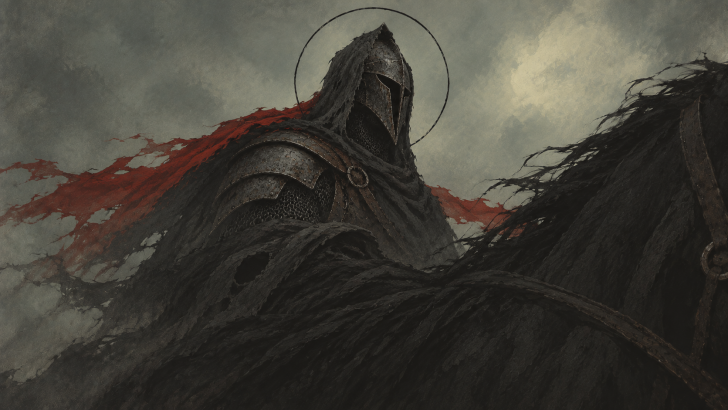
A horn sounds somewhere in the dark. The hounds answer from the woods.
Then comes the long violence of hooves upon a road swallowed centuries ago, and after them the riders—a host so vast that even the dead have been called up to fill its ranks.
This is the Wild Hunt.
And if the Hunt rides past your home, the old stories say to avert your gaze.
1. It Was an Army Moving Through the Night
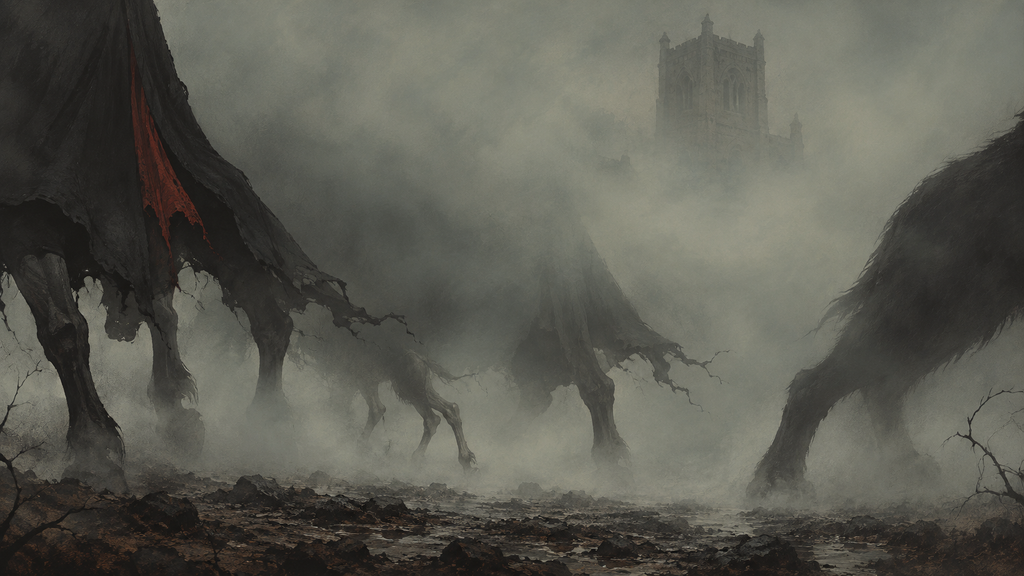
The Wild Hunt never belonged to one single myth.
Across northern and central Europe, stories told of ghostly riders passing beneath different names, led by different figures and followed by different horrors.
Yet beneath those changing details, the same shape endured.
The Hunt came as a supernatural procession that claimed road, forest, and sky alike, its riders thundering forward beside monstrous hounds while horns carried through the darkness like a summons no mortal had asked to hear.
Sometimes they pursued something. In other stories, there was no prey at all, which makes the word hunt almost too simple for what people believed was coming.
The older tales often describe something closer to an army—a wandering kingdom of the dead crossing briefly into the lands of the living.
There was no bargaining with it and no turning it aside. The riders belonged to another order entirely, and whatever road they chose became theirs until the last of them had passed.
Demons hiding in lonely places were frightening enough. The Wild Hunt was worse because it never bothered to hide.
It came with horns, hounds, and the thunder of hooves, announcing itself loudly enough for the whole countryside to know that something dreadful was passing through.
2. The Black Riders Appeared Above Peterborough
One of the most disturbing accounts survives in the Anglo-Saxon Chronicle.
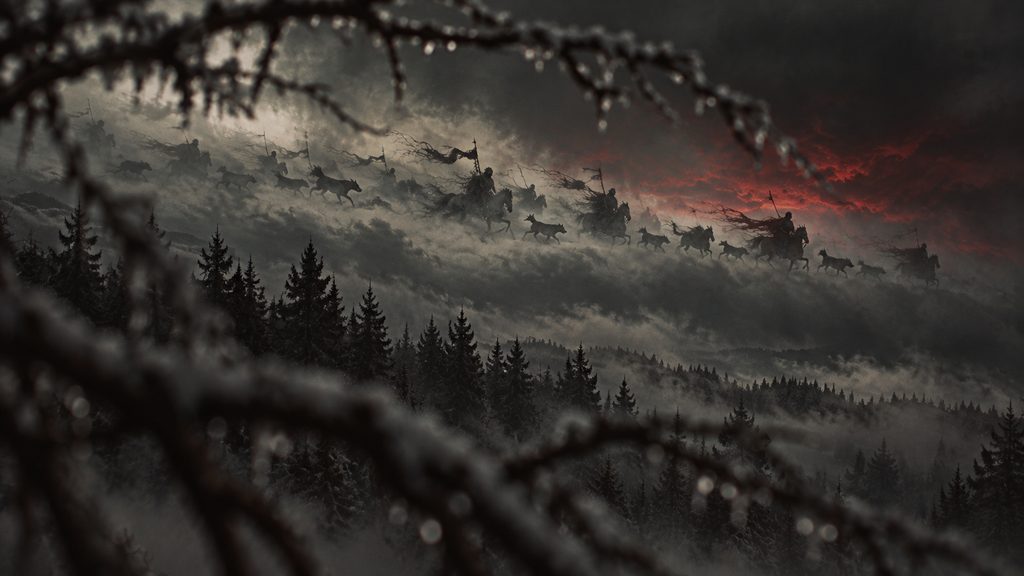
In 1127, after the deeply unpopular abbot Henry arrived at Peterborough Abbey, people began reporting strange hunters moving through the wilderness around it—vast, black figures riding through the dark with hounds at their heels and something deeply wrong in their appearance.
Their horses were black. So were the hounds.
Some of the beasts were said to have enormous eyes, while certain riders mounted goats instead of horses, and through it all came the sound of hunting horns carrying across the night.
For weeks, between Peterborough and Stamford, the procession was seen and heard moving across the land throughout Lent.
The chronicler treated it as an omen, proof that something in the world had already gone rotten.
And that was what made the Hunt so dreadful.
It did not arrive merely as terror from somewhere beyond the human world. Its presence suggested that corruption had already taken root here, and the riders came after it like a shadow cast by sin.
3. The Dead Were Still Paying for Their Sins
Not every Wild Hunt was made of faceless horrors.
Sometimes the riders had names.
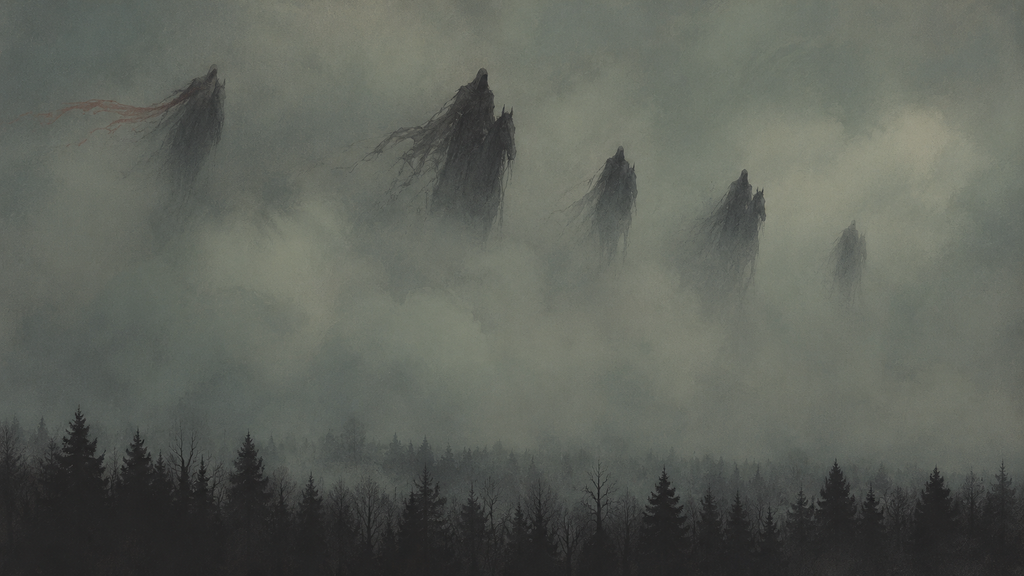
The Anglo-Norman monk Orderic Vitalis recorded the story of a priest named Walchelin, who encountered a vast procession on New Year’s Night in 1091 or 1092. At first, he mistook the sound for an ordinary army.
Then the dead began to pass him.
Some staggered beneath terrible burdens, while armed knights rode behind them still carrying the pride and violence that had followed them into death.
These were not souls at rest. They were still serving their sentence.
Walchelin tried to seize a riderless horse as proof of what he had seen, but the saddle burned him, and contact with the spectral riders left a mark that Orderic later claimed to have seen himself.
Then Walchelin recognized his dead brother among them.
And suddenly, the Hunt became much more personal.
An old enemy could be riding with the dead, but so could someone whose face you had once loved.
4. The Hunt Had No Single Master
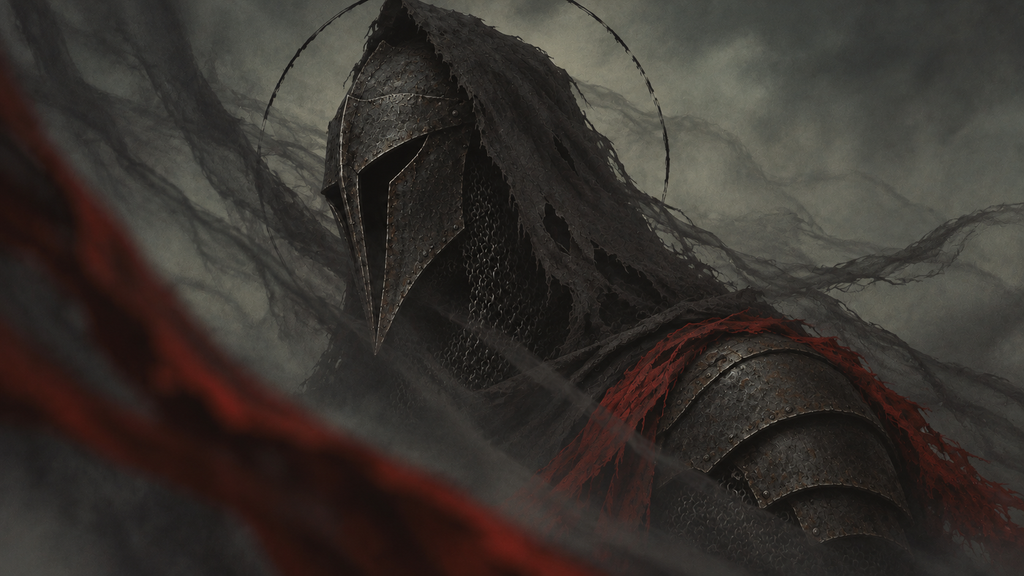
Today, Odin is often placed at the head of the Wild Hunt. And few figures seem better suited to it.
He already belongs to battle, death, wandering, and the violence of the storm. The image almost writes itself—Odin riding beneath a winter sky with the fallen behind him and ravens wheeling overhead.
But the oldest surviving accounts are less certain.
Some never name Odin at all. Others give the Hunt no clear master.
The stronger link between Odin—or Wotan—and the Wild Hunt grew through later Germanic folklore, before Jacob Grimm gathered many of those traditions together in the nineteenth century.
Elsewhere, the procession answered to Hellequin, the Devil, King Arthur, or some cursed nobleman condemned to hunt when he should have been at prayer. In other tales, a mysterious woman rode at the front.
And somehow, that uncertainty made the legend worse.
A terror with one master can be named and understood. But the Wild Hunt could take whatever face the land feared most.
5. King Herla Was Forbidden From Touching the Earth
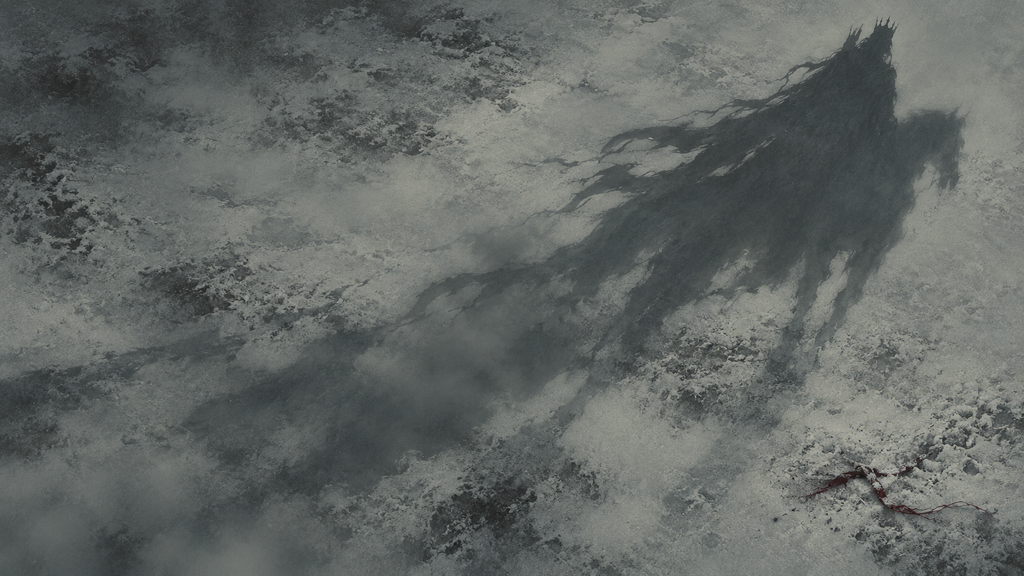
One of the Hunt’s most haunting leaders was King Herla.
According to the medieval writer Walter Map, Herla entered a mountain with his men to attend the wedding of a strange dwarf king and remained there for what felt like only three days.
When they returned, nearly two hundred years had passed. His queen was dead, his people were gone, and strangers ruled the land that had once been his.
Before leaving, Herla had been given a small dog and warned that nobody could dismount until it jumped down first. One man ignored the command, and the moment his feet touched the earth, he crumbled into dust.
The others stayed in their saddles.
But the dog never moved.
So Herla and his company kept riding through a world that had already forgotten them, unable to touch the earth without joining the dead beneath it.
6. Seeing the Hunt Could Mark You for Death
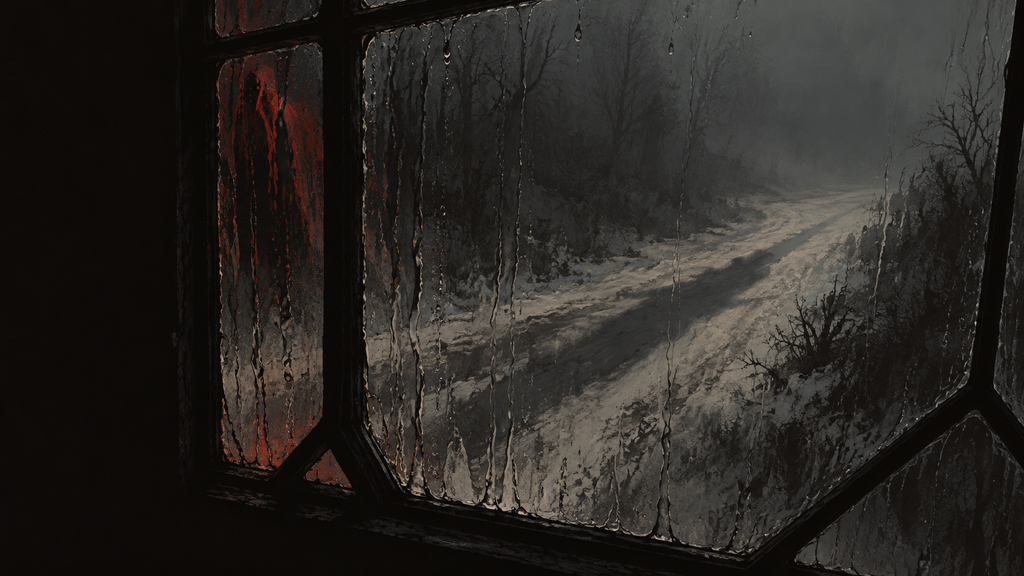
The Wild Hunt did not need to descend upon a village to terrify it, because its appearance alone was often taken as a warning that something worse was already on its way.
Horns sounding across an empty sky could foretell war, while the baying of hounds was sometimes linked with disease and the riders themselves with the death of someone important.
And sometimes the omen was meant for the witness.
Later stories warned that those foolish enough to challenge the Hunt could be seized and carried away, while others told of living people who glimpsed their own faces among the dead and understood that a place in the procession was already waiting for them.
Even those allowed to return could be left sick or wounded, carrying proof that the encounter had not belonged entirely to a dream.
But the deepest wound was often knowledge.
The Hunt could show you the dead still serving their sentence, the ruin already riding toward your home, or the place reserved for you among the riders when those horns sounded again.
7. Winter Became the Season of the Hunt
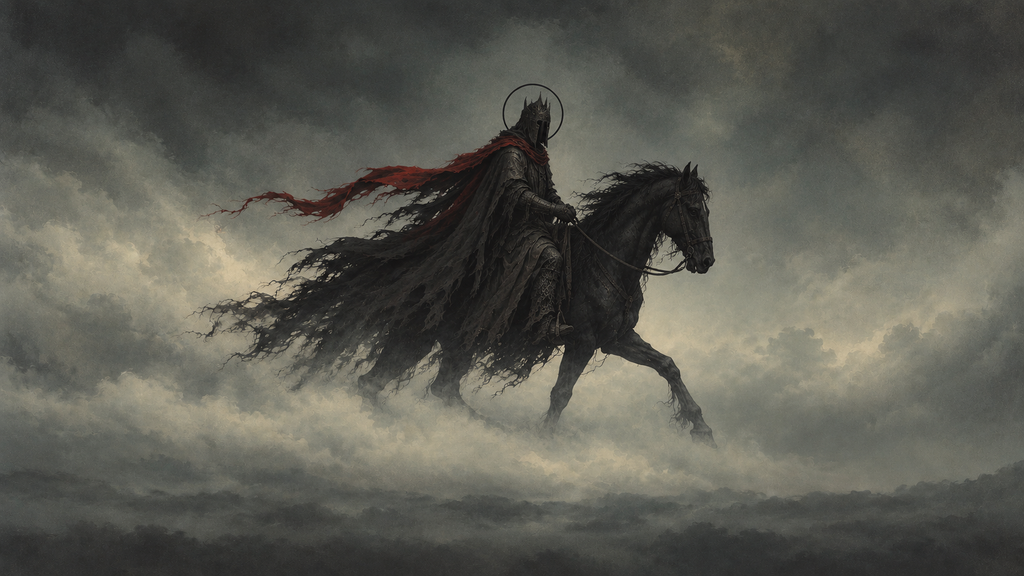
Later German traditions often placed the wandering host around Christmas, when darkness held the land for most of the day.
Roads vanished beneath snow, fields emptied, and people withdrew behind closed doors while wind moved through the forest with a voice of its own and storms shook the beams above them.
The Wild Hunt gave that darkness a shape.
The wind became the breath of hounds, thunder became the pounding of hooves, and every distant cry could belong to another rider passing somewhere beyond sight.
But the legend carried something worse than fear of winter.
It suggested that the boundary between the living and the dead was never sealed as tightly as people hoped. The dead could still wander, forgotten kings could still ride, and punishment could endure long after flesh had returned to the earth.
On the darkest nights of the year, all of them could come back together.
That was why the Wild Hunt inspired such fear. It was not one restless ghost bound to one cursed place, but an entire dead host given movement, sound, and a road that could lead straight past your door.
