

Every year, right at midnight on Christmas—when the house is quiet, the lights are still glowing, and everyone suddenly feels a little more emotional than planned—people around the world make wishes.
Some whisper them, some think them very loudly, and some dramatically stare at the ceiling like the universe is about to take notes.
According to tradition (and vibes), wishes made at this exact moment are especially powerful. And honestly? There are a few surprisingly convincing reasons why.
The Veil Is “Thinner” (Yes, Even If You’re a Skeptic)

Folklore says Christmas midnight is a liminal moment—a pause between the old and the new, the sacred and the ordinary. It’s believed the spiritual “veil” is thinner, meaning intentions travel faster and land harder.
You don’t have to believe in angels taking requests on a clipboard to feel it. There’s something about that quiet, glowing stillness that makes your thoughts feel louder, clearer, and harder to ignore.
You’re Emotionally Open (Thanks, Nostalgia)

Christmas has a way of softening people. Memories come flooding in, defenses come down, and suddenly you’re thinking about what you 本当に want—not what looks good on paper.
At midnight, you’re not wishing for random things; you’re wishing from a place of honesty. And wishes made when you’re emotionally open tend to stick, because they’re rooted in truth instead of impulse.
Collective Energy Is Doing the Heavy Lifting

At that exact moment, millions of people are doing the same thing—hoping, praying, wishing for something better. Traditions say that collective intention amplifies power, like the universe getting multiple notifications at once.
Even if you think that sounds dramatic, there’s something motivating about knowing you’re part of a shared moment of hope rather than wishing alone on a random Tuesday.
Midnight Is a Psychological Reset Button

Midnight represents endings and beginnings. Your brain loves symbolism, and this is symbolism on a silver platter. When you make a wish at midnight, your mind treats it like a contract with yourself.
You’re more likely to remember it, act on it, and notice opportunities connected to it—because your brain believes, This matters.
You’re Finally Quiet Enough to Listen to Yourself

No notifications. No obligations. No pretending you’re fine when you’re not. Midnight on Christmas forces a pause, and in that pause, your real desires have room to speak.
Wishes made in silence tend to be clearer, more focused, and more aligned—which makes them feel eerily “accurate” when they start unfolding later.
Tradition Gives the Wish Weight
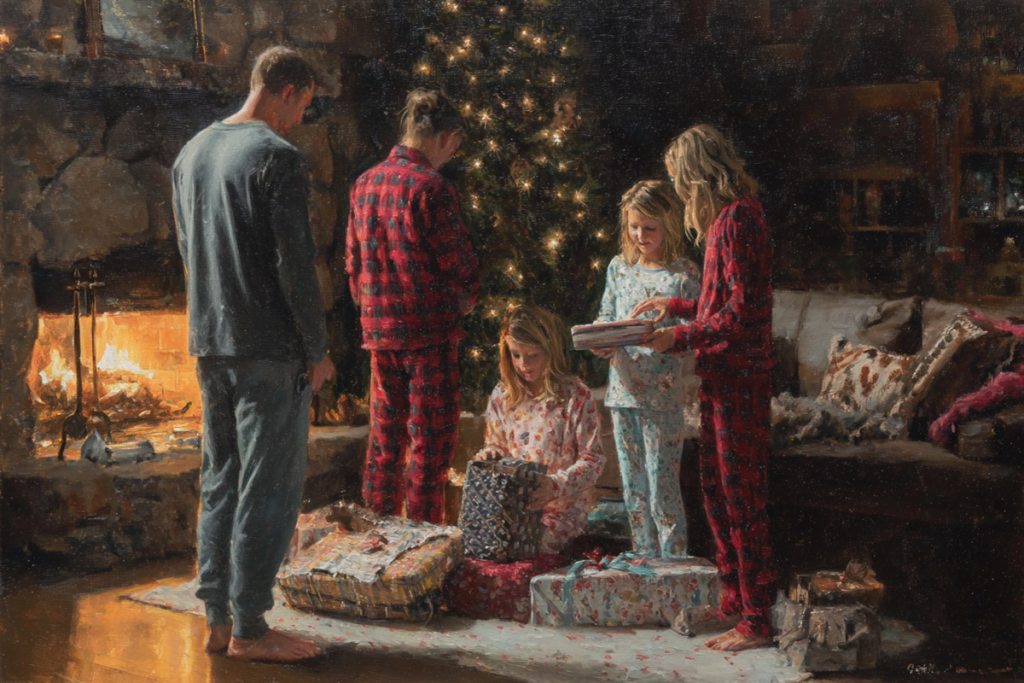
People have been making Christmas wishes for centuries, and traditions have power because they tell us, This moment counts.
When a ritual is repeated for generations, it carries belief—and belief changes behavior. You don’t just wish; you invest in the wish. And investment is often the secret ingredient to things coming true.
It’s One of the Few Times Hope Feels Acceptable

During the year, wishing too openly can feel naive. At Christmas, it feels allowed. Expected, even. There’s no embarrassment in hoping at midnight on Christmas—it’s practically encouraged.
That permission to hope freely creates stronger intentions and, ironically, more realistic follow-through.
So… Do Christmas Midnight Wishes Actually Work?

Maybe not because of magic alone—but because of timing, emotion, clarity, and belief lining up perfectly. Midnight on Christmas doesn’t promise miracles. What it does offer is a rare moment where your heart, mind, and hope are in the same room—and that’s usually when change starts.
So go ahead. Make the wish. Whisper it, think it, or dramatically declare it to the universe. At the very least, you’ll start the year knowing exactly what you’re hoping for—and that’s powerful all on its own.

Lover of good music, reading, astrology and making memories with friends and spreading positive vibes! 🎶✨I aim to inspire others to find meaning and purpose through a deeper understanding of the universe’s energies.