

The story of Adam and Eve in the Book of Genesis has raised many questions for readers for centuries.
According to the Bible, Adam and Eve were the first humans created by God and placed in the Garden of Eden.
However, some passages in the Bible and some interpretations by scholars have led people to wonder whether other humans may have existed outside the garden.
This question has been debated by theologians, historians, and readers of Scripture for a very long time.
Some believe the Bible clearly teaches that Adam and Eve were the first and only humans at the beginning. Others believe the story might allow for different interpretations.
Because of these discussions, the question of whether people existed before or outside the story of Adam and Eve remains one of the most fascinating topics connected to early biblical history.
1. The Bible Presents Adam as the First Man
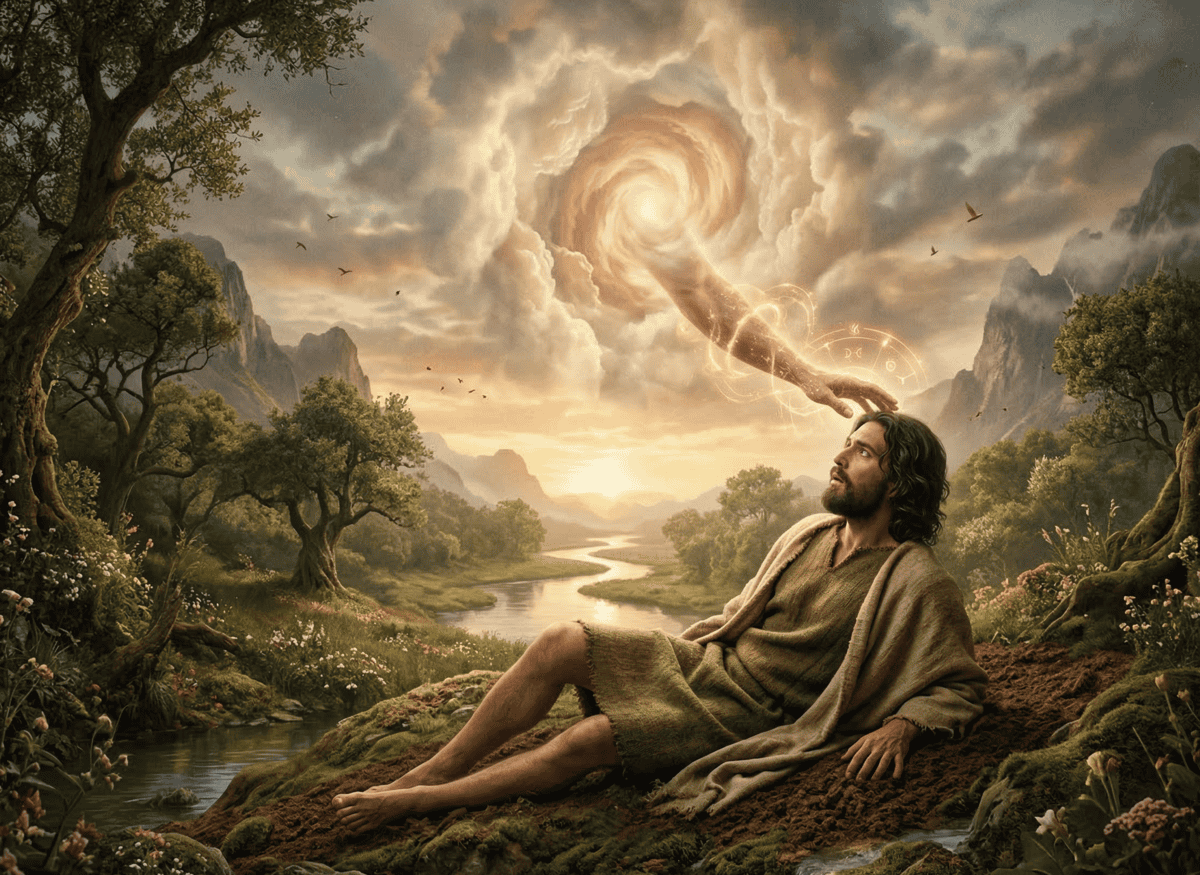
The most traditional understanding of the Genesis story is that Adam was the first human being created by God.
According to the Bible, God formed Adam from the dust of the ground and breathed life into him. Later, Eve was created from Adam’s rib to be his companion.
Many religious traditions believe this clearly shows that Adam and Eve were the first parents of all humanity.
Because of this belief, many theologians teach that every human being ultimately descends from them.
This interpretation has been the most widely accepted view throughout Jewish and Christian history. It supports the idea that the human family began with a single couple chosen by God.
This belief also connects to many other biblical teachings about sin, redemption, and the shared nature of humanity.
For people who follow this traditional view, the idea of humans existing before Adam would contradict the central message of the Genesis account.
2. The Story of Cain Raises Interesting Questions
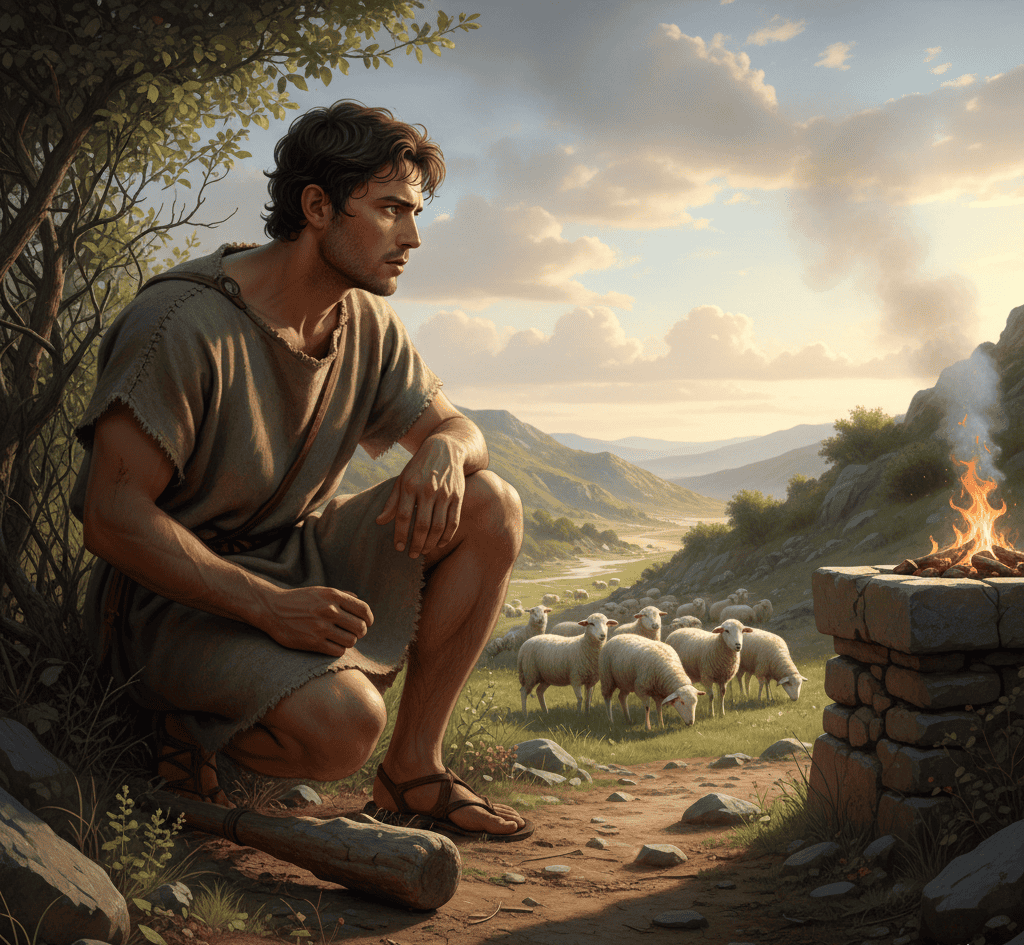
One of the most discussed parts of Genesis appears in the story of Cain and Abel. After Cain kills his brother Abel, he is sent away from his family and travels to another land called Nod.
Later, the Bible says that Cain finds a wife there and begins building a city. For some readers, this raises an interesting question.
If Adam, Eve, and their children were the only humans alive at that time, where did the other people come from?
Many scholars explain that Adam and Eve likely had many other children whose names were not mentioned in the early chapters of Genesis.
Over time, these families would have grown and spread out across different areas. In this explanation, Cain’s wife could have been one of his relatives from these extended families.
While this interpretation answers the question for many readers, the passage still sparks curiosity and discussion among people studying the early chapters of the Bible.
3. Some Theories Suggest People Outside the Garden
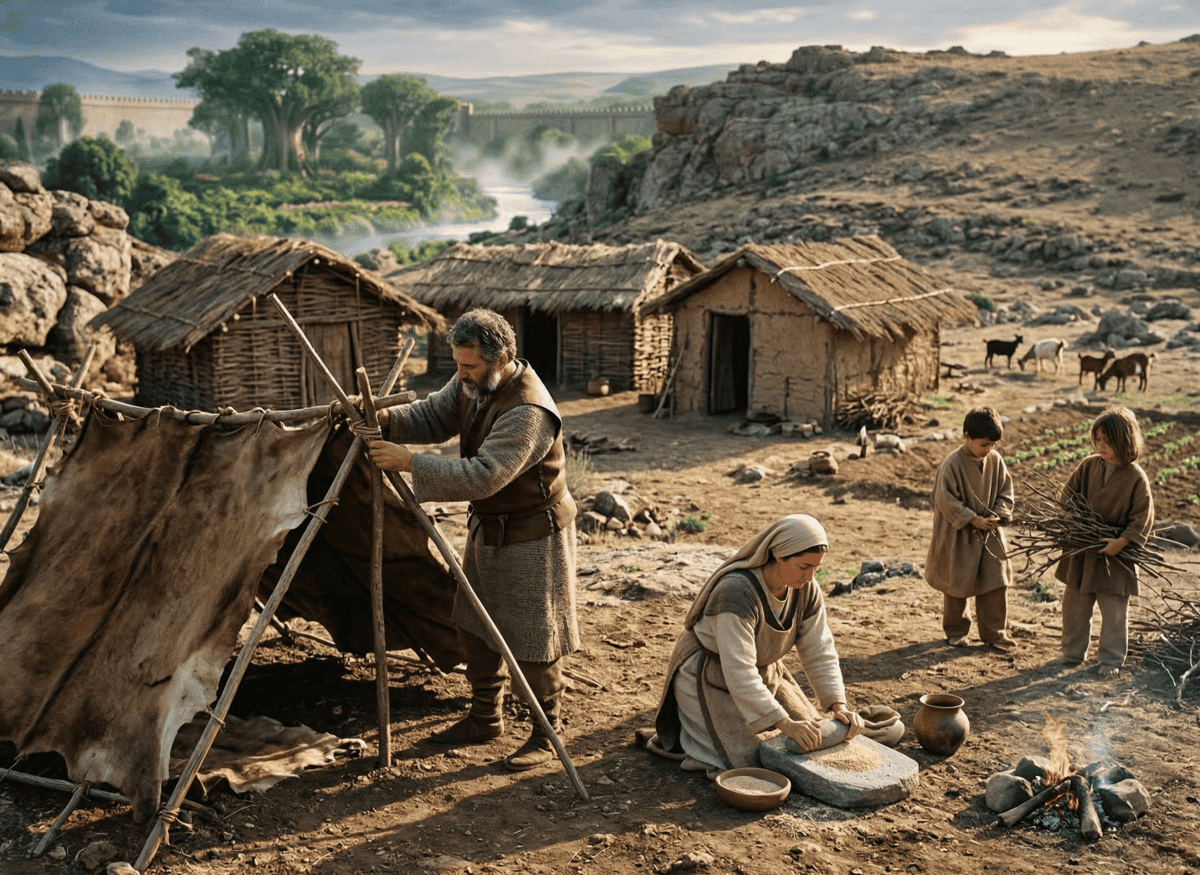
A smaller number of scholars and readers have suggested another possibility that explains the mystery.
They propose that the story of Adam and Eve might focus mainly on the first people chosen by God for a special relationship rather than the first biological humans on Earth.
According to this idea, Adam and Eve may have lived in the Garden of Eden while other human groups existed outside the garden.
These people would not have been part of the same spiritual story described in Genesis.
Supporters of this theory point to certain passages that seem to hint at other populations, such as Cain fearing that others might kill him.
However, this interpretation is not the traditional understanding of the biblical text. Many theologians argue that the Genesis story is meant to describe the beginning of all humanity.
Even so, the theory continues to appear in modern discussions about the relationship between the Bible and early human history.
4. Science Has Also Added to the Discussion
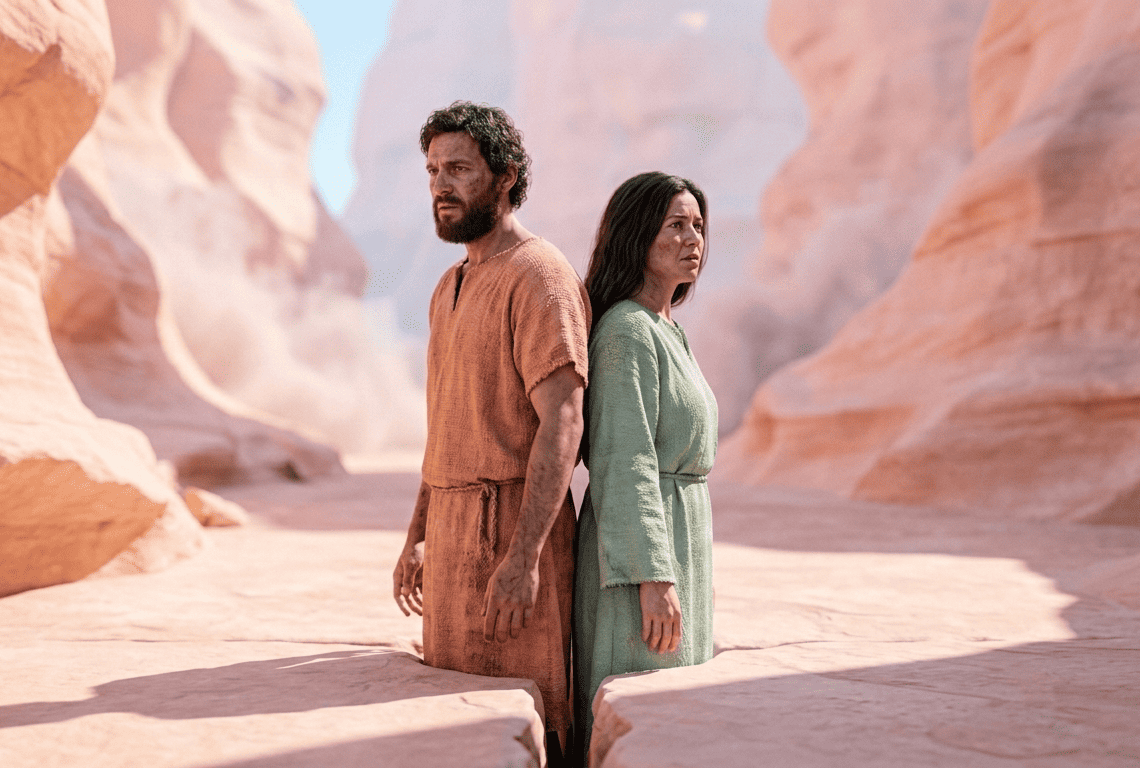
Modern scientific discoveries have added another layer to the conversation. Studies of human origins suggest that large populations of early humans existed thousands of years ago.
These findings are based on archaeology, fossils, and genetic research. Because of this evidence, some people try to understand how the biblical story of Adam and Eve might fit with scientific ideas.
Different scholars approach this question in different ways. Some believe the Genesis account should be read mainly as a theological message rather than a detailed scientific description.
Others believe the story could represent the first humans who received moral awareness or spiritual responsibility from God.
These discussions show that the question about people before Adam and Eve is not only a religious topic but also part of a larger conversation about history, science, and human origins.
5. The Question Remains One of the Bible’s Most Fascinating Mysteries
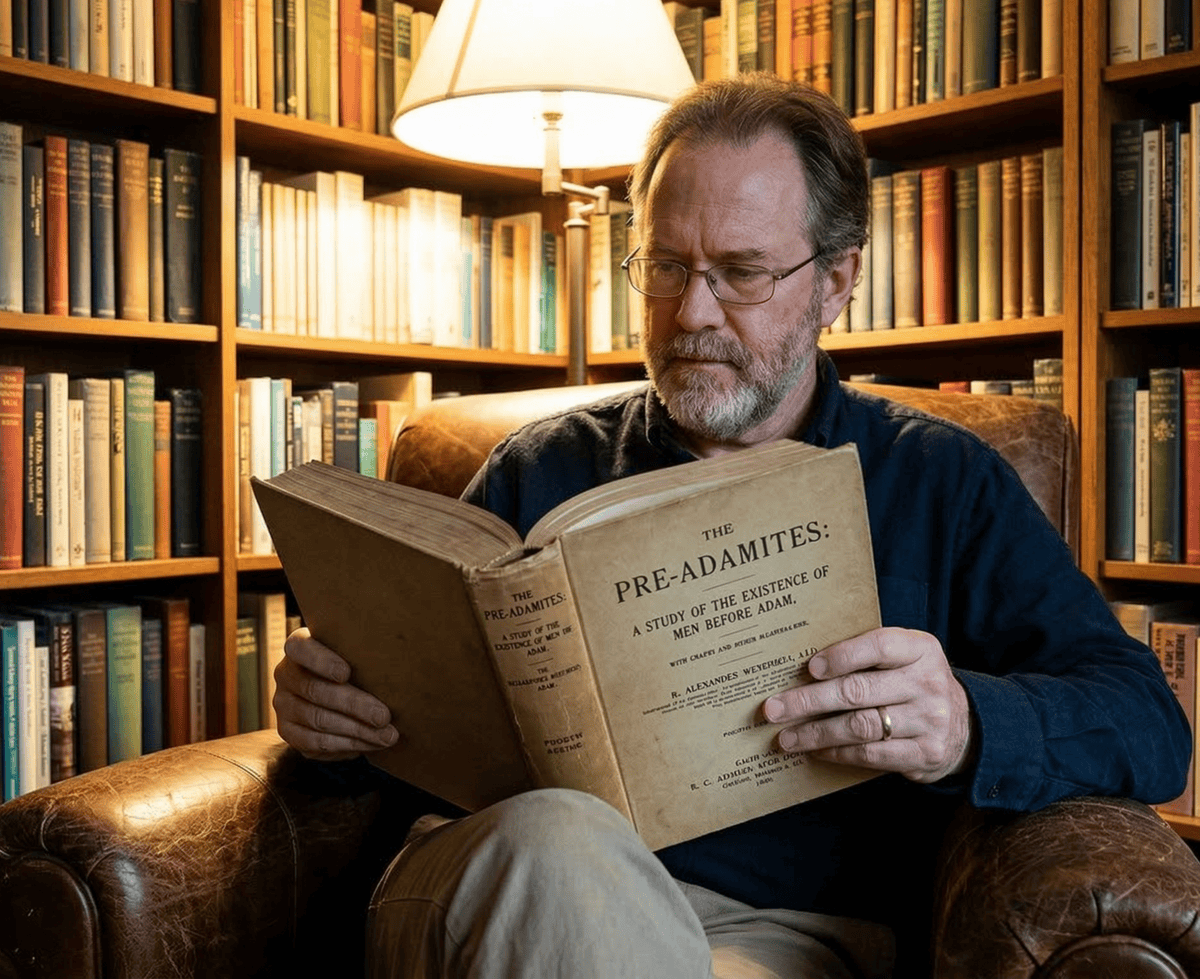
Despite centuries of discussion, the question about people before Adam and Eve has never been fully settled for everyone.
Some readers strongly support the traditional belief that Adam and Eve were the first humans and the ancestors of all people.
Others believe the biblical text might allow for more complex interpretations. What makes this topic so interesting is that it touches on some of the biggest questions humans ask.
Where did humanity begin? How should ancient texts be understood? And how do faith and science relate to each other?
The early chapters of Genesis were written thousands of years ago, yet they continue to inspire curiosity and debate today.
Regardless of which interpretation people believe, the story of Adam and Eve remains one of the most influential and widely discussed parts of the Bible.

私は生まれたときから、常に神との強いつながりを感じていた。作家として、また指導者として、私の使命は、人々が最も暗い時代に愛と幸福と内なる強さを見つけるのを助けることである。