
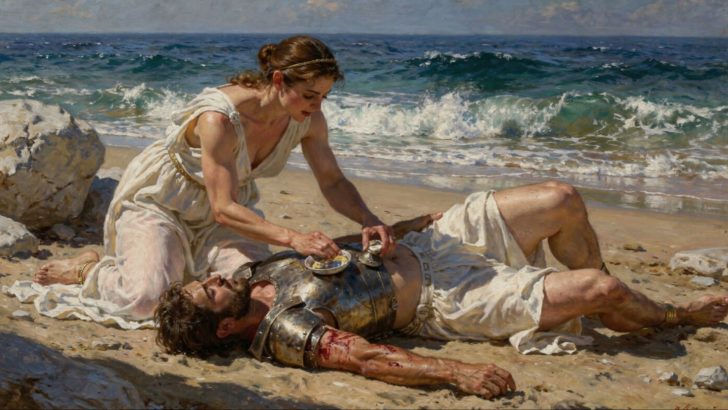
Everywhere around us, in the physical and digital space, we can see men struggling with purpose and feeling isolated from their surroundings.
Depending on who you ask, you’ll hear that it’s the fault of feminism, modern society, the economy, etc.
However, this feeling that something deep inside men is broken isn’t new. Not at all! It’s ancient, present in numerous mythologies and tales.
Mythology shows us that this wound can’t be removed; it has to be navigated so it can lead men toward transformation.
Let’s explore the archetype of the wounded warrior, as well as the role of the フェミニン in his ヒーリング.
1. The Mythological Male Wound
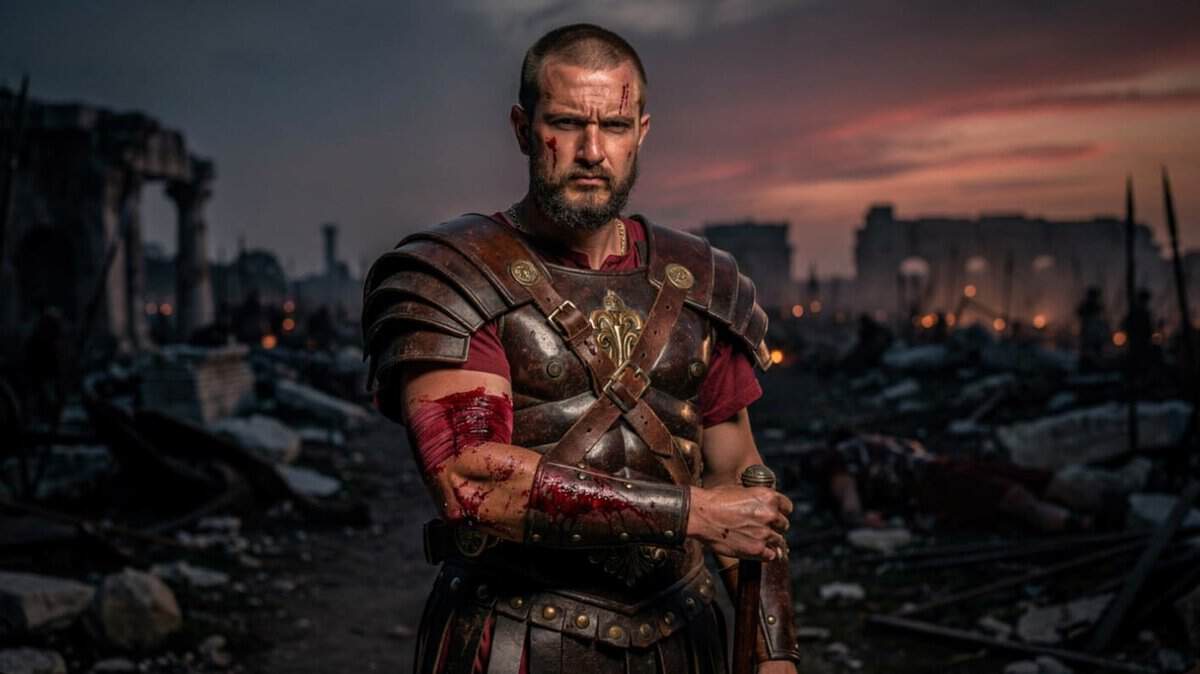
When we talk about healing a wounded man in mythology, the first thing to keep in mind is that fixing the body isn’t the point.
The mythological male wound is his fragmented soul.
A man can look strong on the outside, successful and capable, yet inside, he feels scattered.
The myths tell us that this fragmentation is a call to adventure.
Rituals and tales of male initiation, present in every corner of the world, hold the truth that manhood isn’t a status you achieve once and always hold on to.
Instead, it’s a cycle of being hurt, entering the underworld of the psyche, and eventually being reborn.
True healing comes from meeting with a feminine or divine principle that can bring the shattered soul back together.
2. Osiris and Isis
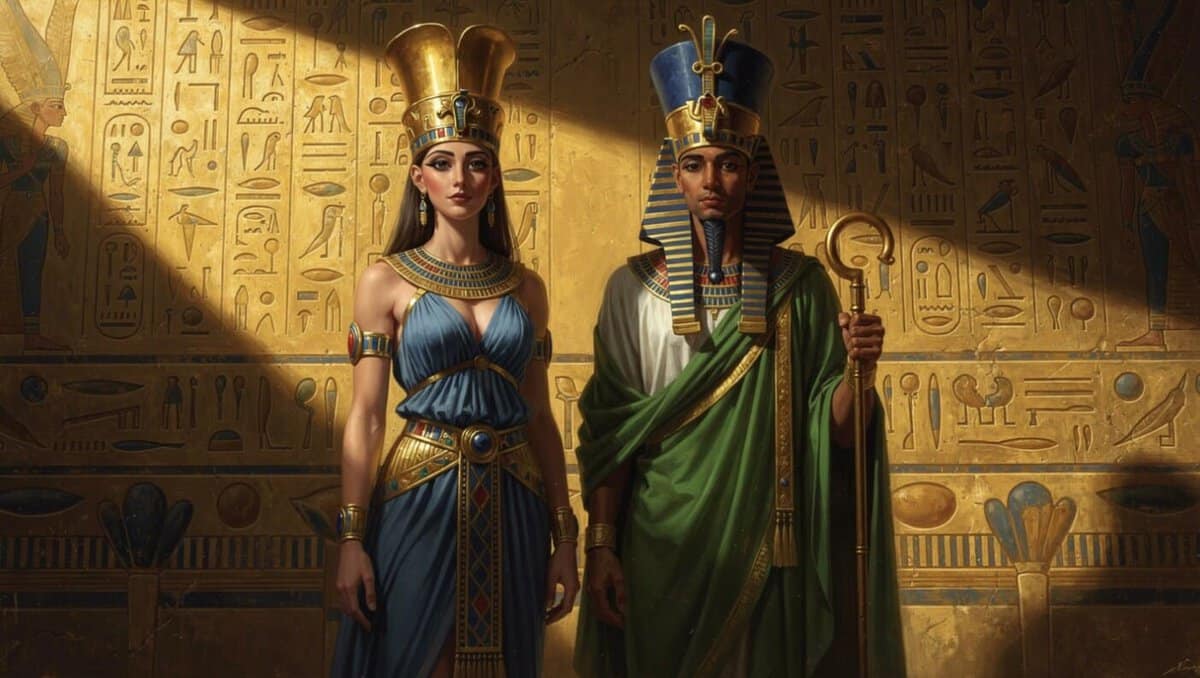
In the ancient Egyptian mythology, Osiris is a powerful archetype of the wounded king.
In the story, he is torn apart, his body scattered across the land. This brutal dismemberment is a symbol of physical ruin, the loss of power and identity.
Osiris is every man who has been shattered by life.
Isis, the carrier of the feminine principle, comes to his rescue.
Her divine love towards Osiris gives her the patience and strength to collect all of these lost parts of him and breathe new life into them.
This myth sends a clear message: without this inner marriage between the male and female aspects of the psyche, a man’s spirit stays stuck in the underground.
He’s passive, unable to act in the real world. He needs that feminine energy to be whole.
3. Medea and Jason
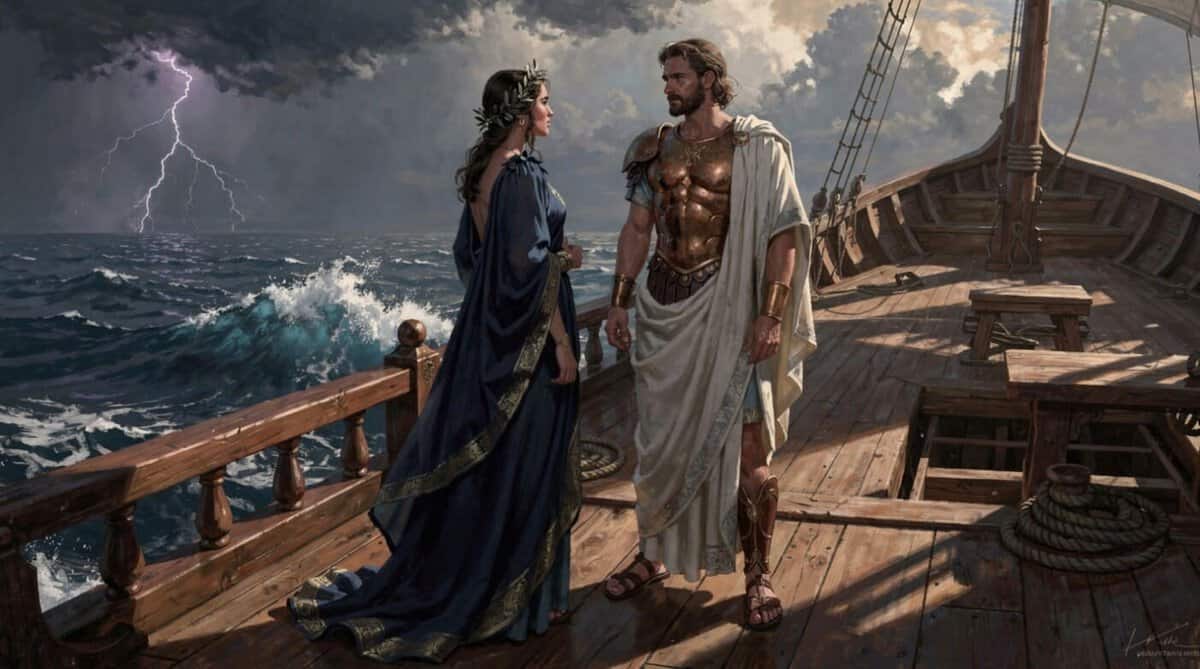
The story of Medea and Jason is one of the most controversial Greek tragedies, though for a time, Medea played a crucial part in Jason’s success.
She did a number of insane favors for him, but among others, she used her botanical knowledge to save his life.
During his quest for the Golden Fleece, Jason faced impossible odds, including fire-breathing oxen sent by Hephaestus.
He couldn’t conquer this destructive power by his strength alone, and instead, coated his body in the ointment the sorceress had prepared for him.
This illustrates that the masculine hero often requires the feminine, intuitive wisdom to avoid or heal from wounds.
It also shows that healing and protection can easily come, as long as we admit we need help.
The feminine represents the mysterious, life-giving forces of nature. Being disconnected from this principle leads to death.
4. Calypso and Odysseus
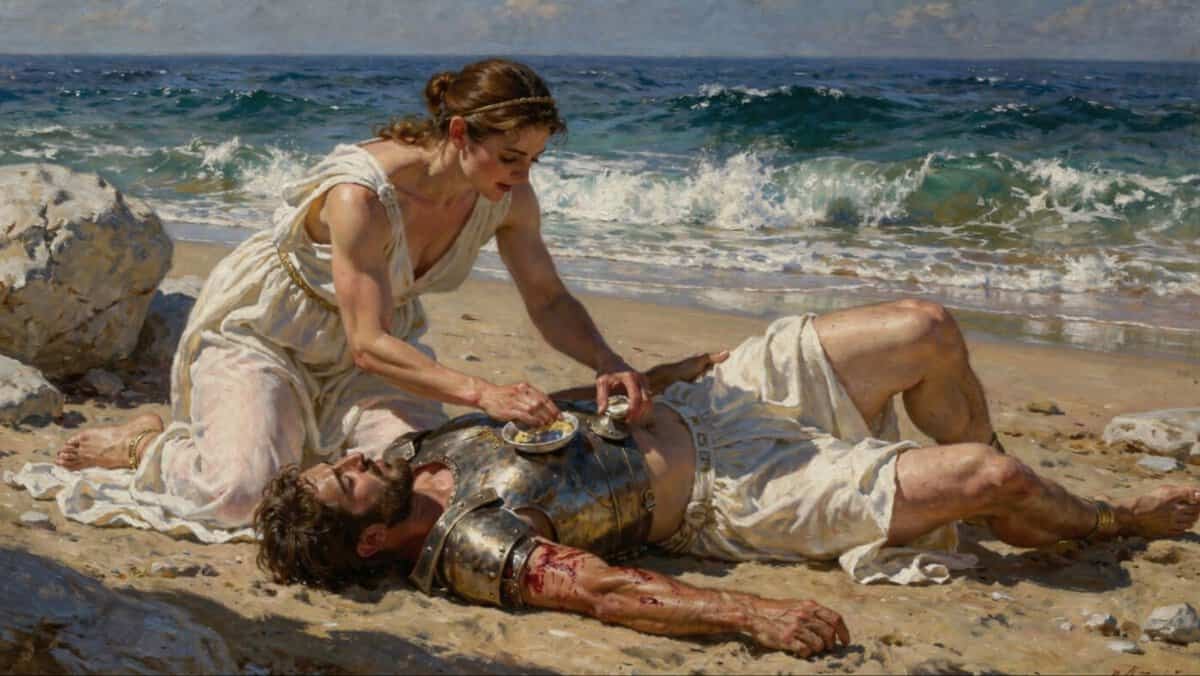
After surviving the wrath of Poseidon and a shipwreck, Odysseus washed ashore on the island of Ogygia.
He was wounded and exhausted, and completely isolated. Then, the sea nymph Calypso found him and nursed him back to health.
However, she made him another offer; she offered Odysseus immortality to stay with her in that timeless, protected sanctuary.
In this myth, the feminine principle acts as a restorer.
However, Odysseus also shows us that, although healing from his wounds was important, he’s called back to the world of action and mortality. The cycle must continue.
Calypso represents the necessary healing phase, where a man must rest and let himself be cared for before going back out into the world.
5. Beauty and the Beast
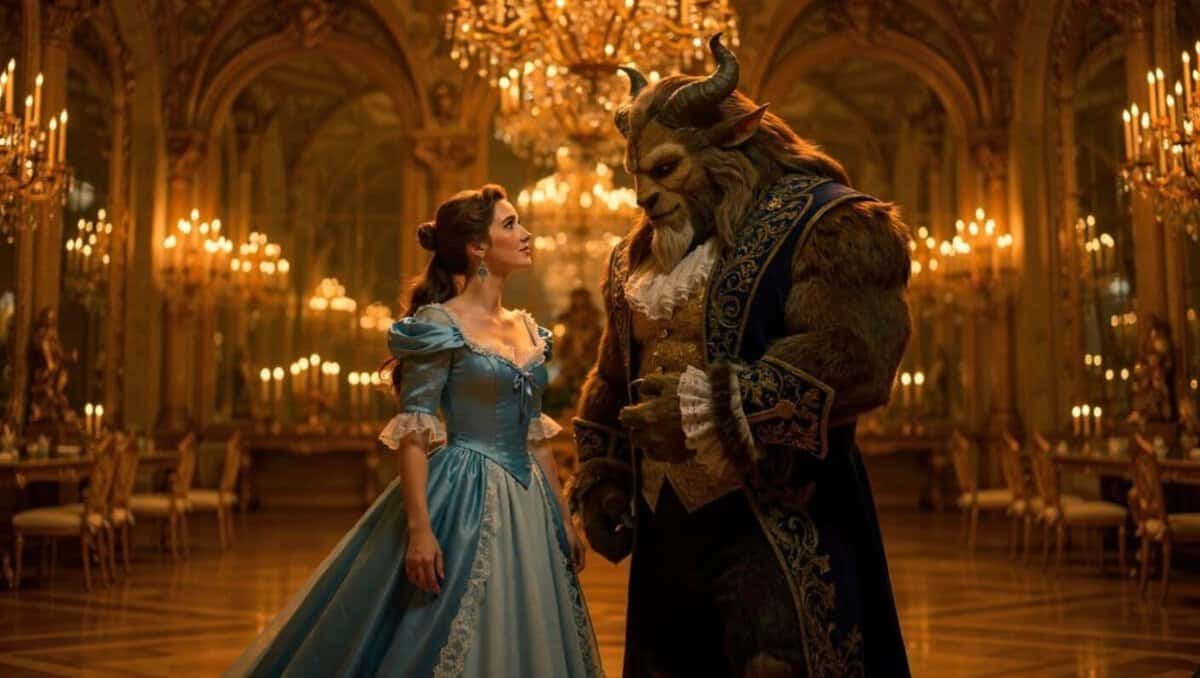
The fairytale of Beauty and the Beast gives us a profound story where the male principle は 閉じ込められた inside the body of a monster.
This beastly exterior is a symbol of raw, toxic masculinity or the masculine shadow. It’s ugly and frightening, yet behind it, there is a soul.
The Beauty represents the feminine principle, capable of seeing the essence underneath the Beast’s ugliness and taming it.
She doesn’t run from the horror; she sees through it.
The Beast’s 変形 into the prince shows that healing from the male wound is a process of 覚醒.
The feminine principle offers a mirror where the male can finally come to terms with his true nature.
6. Arthur and Morgana
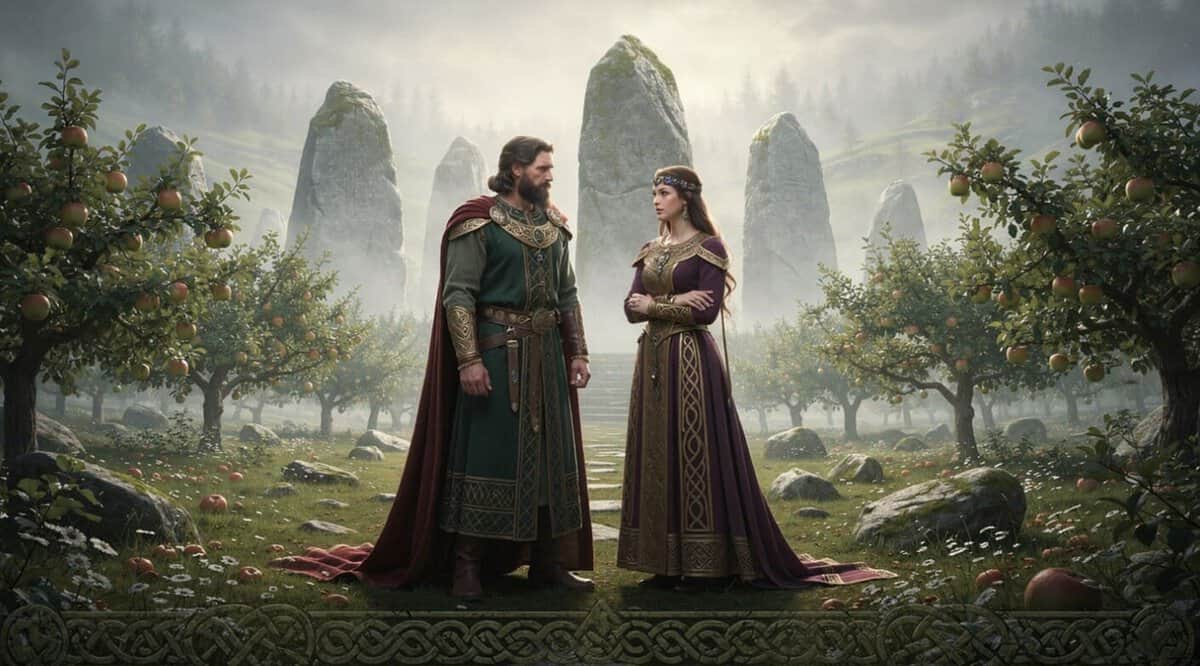
The Celtic myth of King Arthur and his half-sister Morgana speaks about a healing that happens after a kingdom is shattered and the ego dies.
Arthur becomes the wounded king; his land falls apart because he is broken.
He must leave his position of power and surrender to the feminine principle, which has been called demonic and sorcerous up until that point.
Morgana takes him to the island of Avalon, which represents the Otherworld.
There, through surrender to the feminine energy he’s been suppressing, he is healed and said to return one day.
This story reminds us that the feminine is often demonized and resisted, but also that true healing can only happen once we surrender to it.
7. Wounded World

We can’t talk about the wounded male without looking at the world he lives in.
When wars and crises hit society, they don’t just hurt people physically; they wound the very essence of the male principle.
War is the picture of destruction where reason breaks, and the protective instinct twists and turns destructive.
When the male principle is broken, many men try to heal it with the very things that broke it: control, violence, logic, power…
All of this only leads to tyranny.
To be healed, one must admit they’re broken and be willing to undergo transformation.
The myths left a map for us: the marriage of masculine and feminine, their balance, will heal the world.

A little Aquarius, devoted to writing and embroidery. Through my writing, I hope to empower readers to align with their true selves and navigate life’s mysteries with confidence.