

The celebrations around the winter solstice are rich with legends and deities that have kept the holiday spirit alive for centuries.
These gods and goddesses are symbols of hope, renewal, そして magic of winter.
Each one has its own story and customs, and they all help us keep the festive cheer going through the darkest days of the year.
1. Cailleach: The Celtic Goddess of Storms
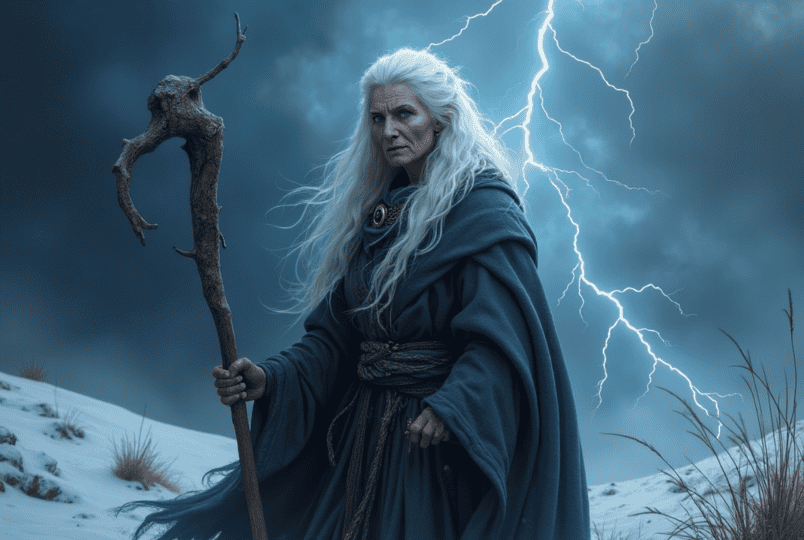
Cailleach is the fierce Celtic goddess of winter, storms, and the land itself. Legend says she’s the hag who shapes the weather.
Some stories say she’s the guardian of winter, and her power influences the cold.
During the winter holiday, communities honored her by lighting fires and offering thanks for her strength.
They believed she controlled the seasons and could either bring harsh winter or gentle spring, depending on her mood.
Holiday festivals often involved storytelling and honoring her as a symbol of transition from darkness to light.
2. Karachun: The Slavic God of Cold and Darkness

Karachun is the Slavic god of winter and darkness – a figure that’s feared but also respected.
He’s the embodiment of the relentless winter that grips the land. Folk stories portray him as a stern, powerful deity who brings the frost and snow that make winter so harsh.
During the winter holiday, communities celebrated him with offerings of food and drink, hoping to appease him and ensure a somewhat milder winter.
They believed that honoring Karachun would bring a good harvest in spring and help them survive the cold months.
His story reminds us that winter is a crucial part of the cycle of life, and it also demands respect and gratitude.
3. Skadi: Norse Goddess of Winter and the Mountains

Skadi is the Norse goddess of winter, skiing, and the mountains. She’s a fierce huntress and a symbol of cold wilderness.
She’s portrayed as both beautiful and strong, and she’s linked to the snowy landscapes of Scandinavia.
In mythology, Scadi marries the god Njord, and together they symbolize the balance between winter and the sea.
During the winter holiday, Norse people honored her with offerings at high places like mountain shrines, asking for safe travels and a good winter.
Skadi represents survival and resilience in the cold, highlighting the fact that winter’s harshness can also be beautiful.
4. Frigg: Norse Goddess of the Household and Hearth

Frigg, often overshadowed by her husband Odin, is the Norse goddess of the home, family, and the hearth.
She’s the one who keeps warmth inside the house, even when the world outside is frozen.
During the winter holiday, families honored Frigg by lighting fires and sharing hearty meals, celebrating the warmth and love that helped them forget about the icy cold outside.
She’s also associated with spinning and weaving, symbolizing the weaving of fate and the くつろぎ of home.
The story of Frigg underscores the importance of family and home as the very things that keep the holiday spirit alive.
5. Balder: Norse God of Light and Joy

Balder is the Norse god of light and purity. His story is linked to hope and the return of the sun after the longest night.
Balder dies a tragic death, but his resurrection symbolizes the victory of light over darkness.
During the winter holiday, Norse communities celebrated him with feasts and rituals, hoping to welcome back the sun’s warmth and brightness.
He’s the embodiment of the promise that winter’s darkness won’t last forever.
He encourages us to hold onto hope even in the coldest, darkest times, reminding us that brighter days are ahead.
6. Amaterasu: The Japanese Sun Goddess

Amaterasu is the radiant Japanese goddess of the sun and the universe.
Her story begins with her retreat into a cave after a conflict, plunging the world into darkness. The gods had to work together to bring her back out, restoring light and life.
During the winter holiday, Japanese communities honor her with offerings and festivals like the New Year celebrations, marking the return of the sunlight.
She symbolizes hope and the power of light to dispel darkness.
Her myth reminds us that even when it seems like the dark has taken over, there’s always a spark of light waiting to return, bringing warmth and vitality みんなに。
7. Odin: Norse All-Father
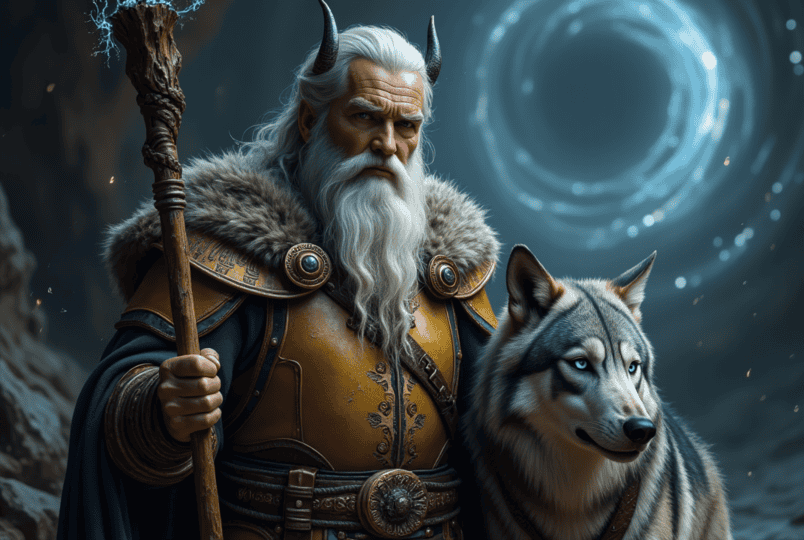
Odin, the Norse god of wisdom, magic, and war, is a complex deity who’s also tied to the winter season and holidays.
Known for sacrificing himself on the world tree Yggdrasil to gain knowledge, Odin is a figure of transformation and insight.
During the solstice, communities honored him through rituals that sought wisdom and protection during the cold months.
They believed Odin’s magic could help them survive winter’s hardships and prepare for the return of spring.
Odin’s myth is an inspiring reminder that even in the bleakest times, wisdom can guide us through.
8. Saturn: The Roman God of Time and Wealth
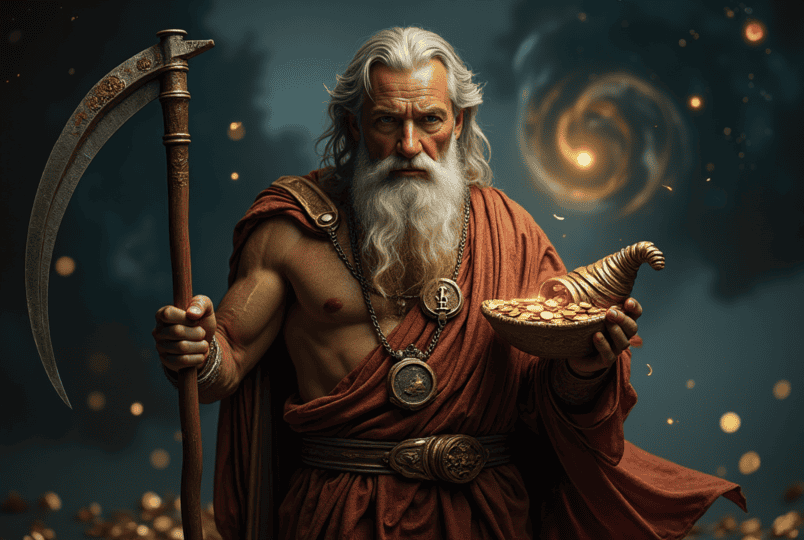
Saturn is the Roman god of time and abundance. His festival, Saturnalia, was the highlight of the winter season, marked by feasts and gift-giving.
During this holiday, Romans would exchange gifts, decorate their homes, and enjoy communal celebrations, all in honor of the god who governs time and prosperity.
The holiday provided a wild, joyful break from the dark days of winter, symbolizing hope for renewal.
Saturn’s myth keeps the holiday magic alive through acts of generosity.
After all, Saturnalia and the customs associated with it are pretty much what Christmas is all about.

A little Aquarius, devoted to writing and embroidery. Through my writing, I hope to empower readers to align with their true selves and navigate life’s mysteries with confidence.