
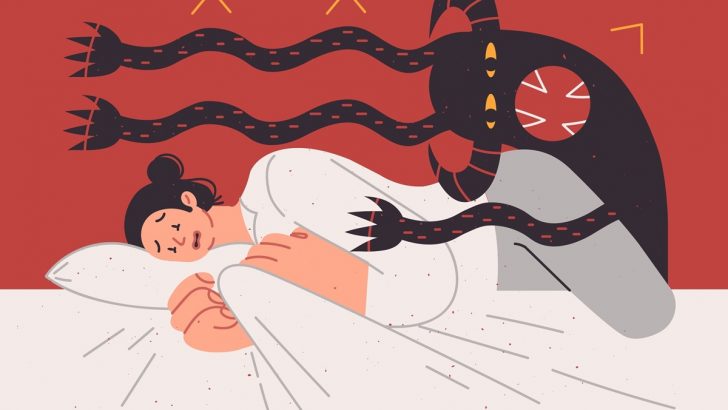
Throughout history, moral panic has entered the chat more times than anyone would like to admit.
Across cultures and eras, certain religious extremists (key word: extremists, not entire faiths) have occasionally decided that very normal, very harmless things were actually secret gateways to darkness.
From music to math to vegetables (yes, vegetables), ordinary life has repeatedly been accused of harboring sinister intent.
Let’s take a lighthearted look at ten moments when everyday things were dramatically labeled “satanic.”
1. Rock and Roll
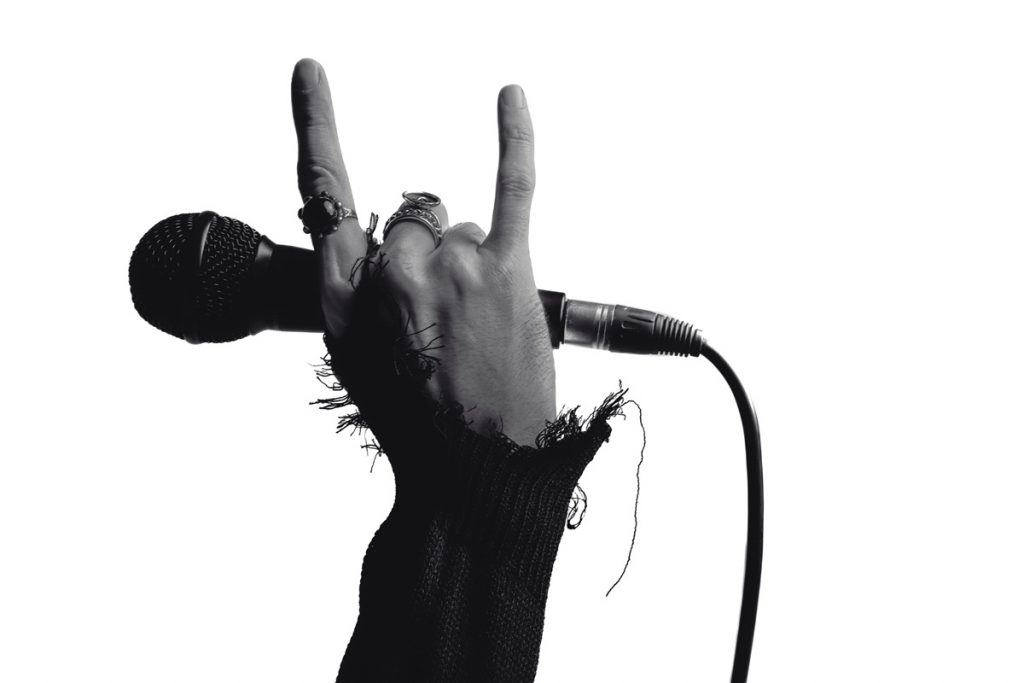
In the 1950s and beyond, rock music was accused of corrupting youth, encouraging rebellion, and hiding subliminal demonic messages.
Fast forward to the 1980s, and entire movements formed around “backmasking” — the belief that playing certain songs backward revealed secret satanic phrases.
Spoiler alert: most of the time, it revealed… nonsense.
Rock music certainly challenged cultural norms, but its “satanic” label largely reflected generational anxiety about change, sexuality, and youth culture. Turns out electric guitars are loud — not possessed.
2. Dungeons & Dragons
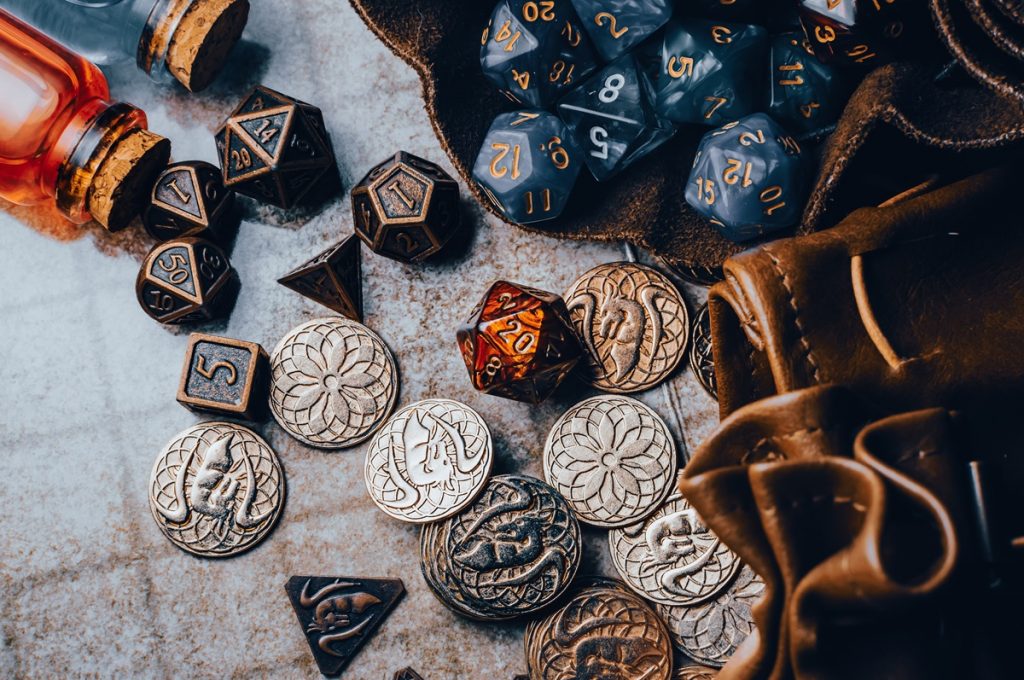
In the 1980s, the tabletop role-playing game Dungeons & Dragons became the center of a moral panic.
Critics claimed it promoted occultism, witchcraft, and devil worship. Some even blamed the game for unrelated tragedies, despite no credible evidence linking gameplay to real-world harm.
In reality, D&D involves math, storytelling, and arguing about imaginary dragons with your friends.
Truly terrifying.
3. Pokémon

Yes. Pokémon.
In the late 1990s and early 2000s, some groups claimed Pokémon promoted evolution (a theological flashpoint for some communities), magical powers, and occult symbolism.
Tiny cartoon creatures with elemental powers were framed as spiritually dangerous.
In practice, children were mostly just trading cards and yelling about Pikachu.
4. Yoga

Yoga, a centuries-old spiritual and physical practice rooted in Hindu traditions, has occasionally been labeled “satanic” or spiritually dangerous by certain religious leaders who view it as incompatible with their theology.
The concern typically centers on its spiritual origins and meditative aspects.
Meanwhile, most modern yoga classes consist of stretching, breathing, and trying not to fall over in Tree Pose.
Not exactly a demonic summoning ritual.
5. Halloween

Every October, debates resurface about whether Halloween promotes darkness, evil spirits, or occult practices.
Historically, Halloween evolved from ancient Celtic festivals like Samhain, later blended with Christian observances like All Hallows’ Eve.
Today, it mostly involves candy, plastic skeletons, and parents negotiating how much sugar is “reasonable.”
The scariest thing about Halloween is probably the dental bill.
6. Harry Potter
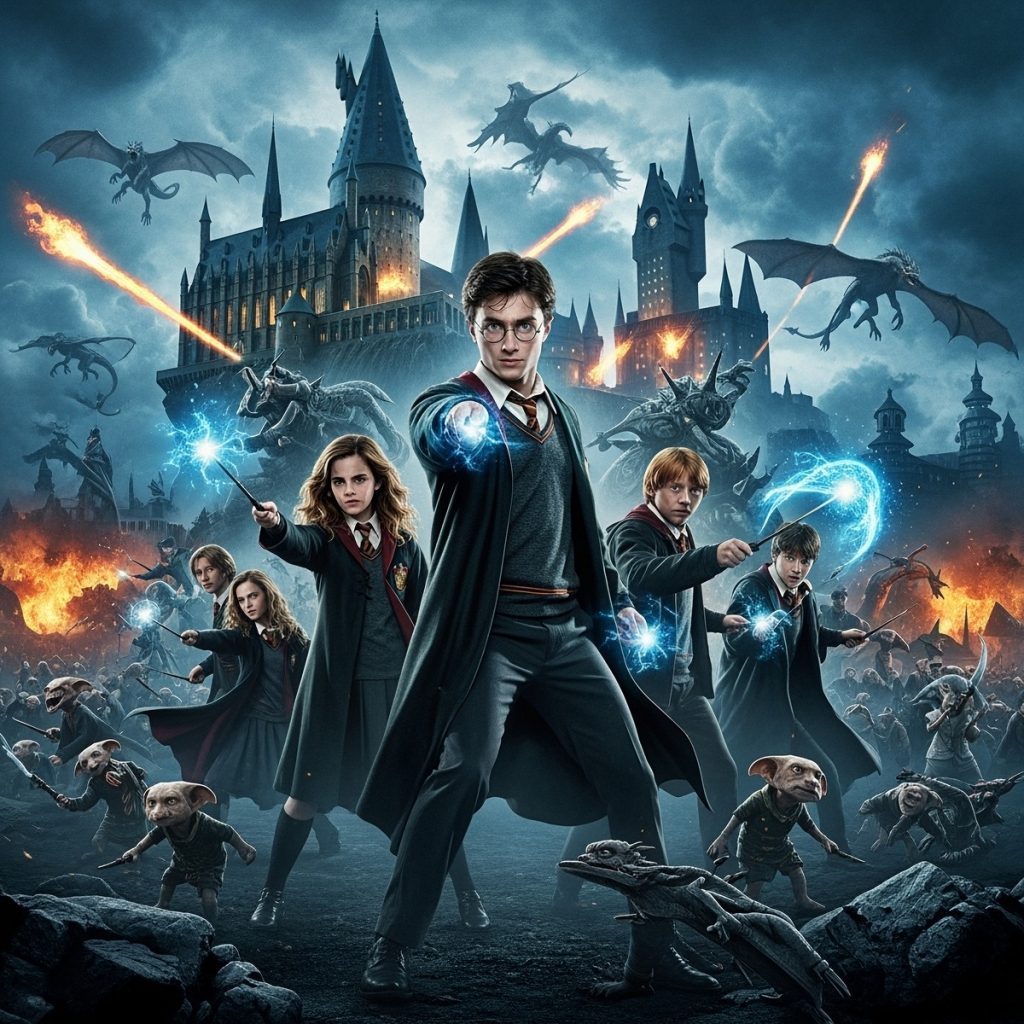
When the Harry Potter books became wildly popular, some critics claimed they encouraged witchcraft and normalized occult behavior.
The irony? The series strongly emphasizes themes of love, sacrifice, courage, and moral choice.
But because it contained wizards, spells, and magical creatures, it triggered alarm for some religious conservatives.
For millions of readers, though, it was just a story about friendship and growing up — with significantly better special effects than real life.
7. Left-Handedness

In medieval Europe, left-handedness was sometimes associated with evil or demonic influence. The Latin word “sinister” literally means “left.”
Children were forced to write with their right hands, and being left-handed could carry social stigma.
In reality, it’s simply a neurological variation in brain dominance.
Imagine being accused of darkness because of which hand you prefer for holding a spoon.
8. Barbie Dolls
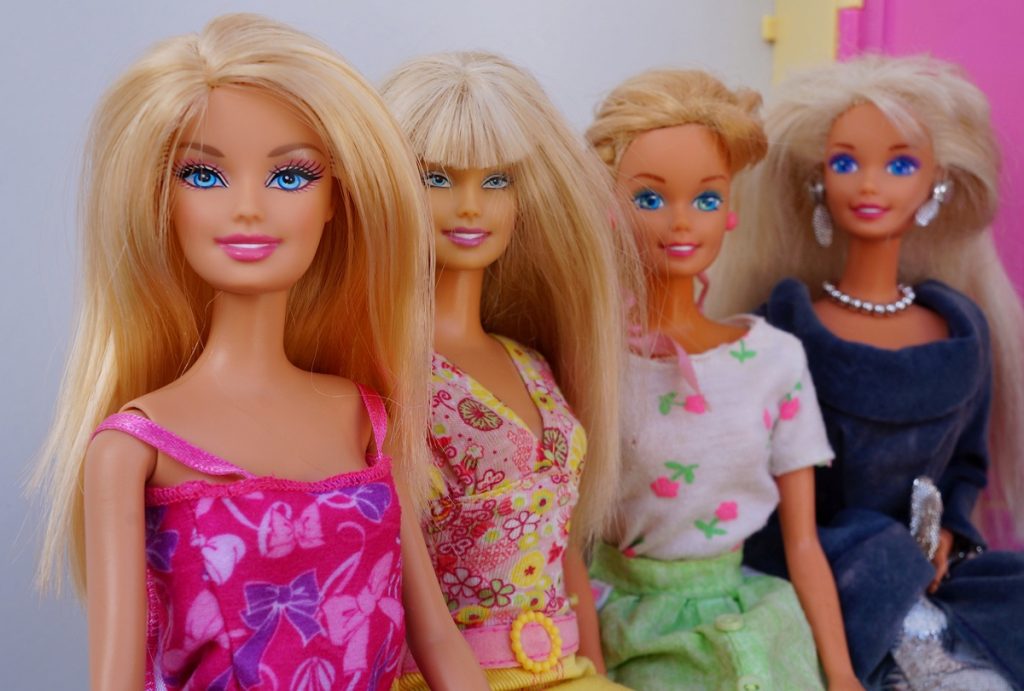
At various points, Barbie has been accused of promoting immorality, vanity, materialism, or corrupting gender norms.
While criticism about body image standards has legitimate cultural discussion behind it, labeling a plastic doll as spiritually evil was often more about cultural anxiety than theology.
She’s made of vinyl. She does not control the underworld.
9. Heavy Metal (Again, But Louder)
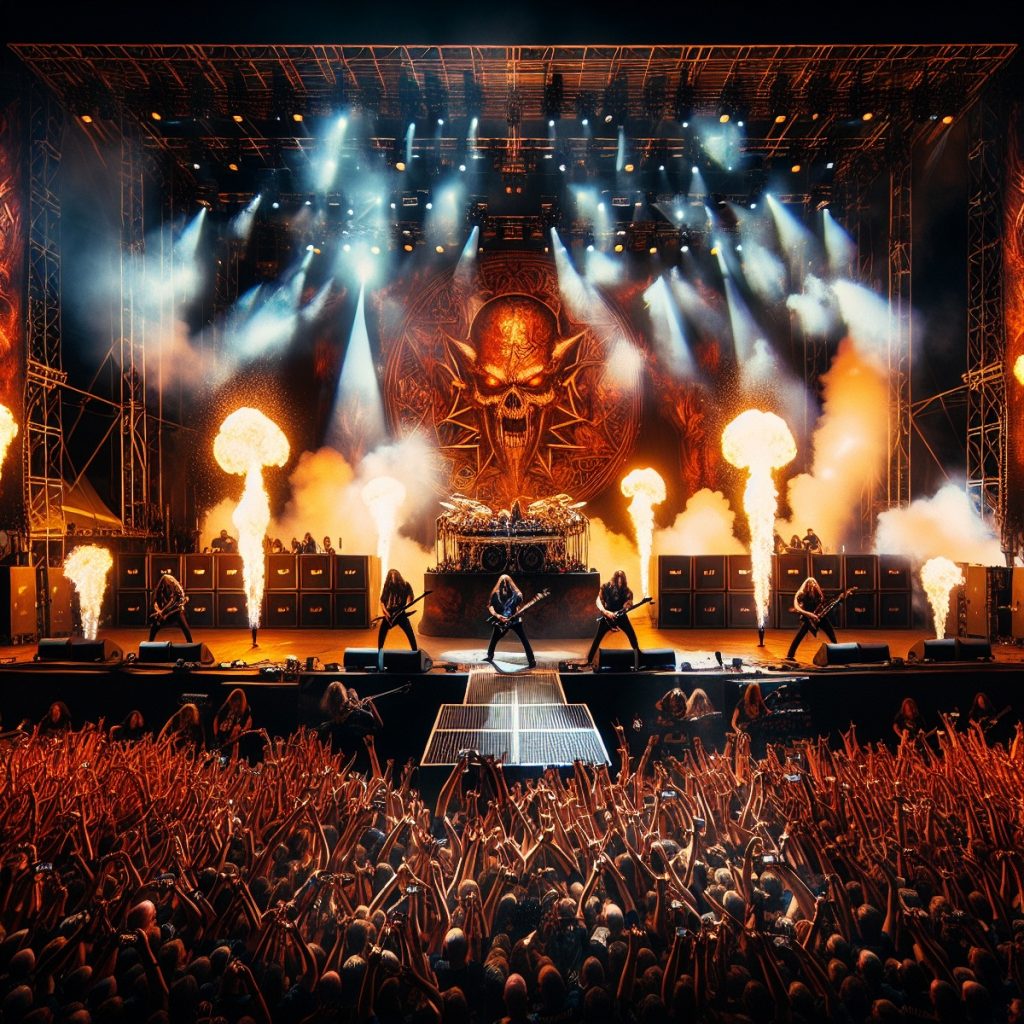
If rock music was controversial, heavy metal took it to another level.
Dark aesthetics, intense lyrics, and theatrical imagery led some groups to claim entire genres were satanic propaganda.
While certain artists intentionally played with occult symbolism as artistic expression, the sweeping accusations often ignored nuance and artistic context.
For many fans, it was catharsis — not conversion to darkness.
10. Video Games

From Mortal Kombat to Doom to modern fantasy RPGs, video games have frequently been accused of encouraging violence, occultism, or spiritual corruption.
Like earlier moral panics, these claims often emerged during periods of rapid technological change.
The reality? Most players are just trying to level up, not summon anything.
If anything is spiritually dangerous, it’s the number of hours accidentally spent playing.

Lover of good music, reading, astrology and making memories with friends and spreading positive vibes! 🎶✨I aim to inspire others to find meaning and purpose through a deeper understanding of the universe’s energies.