
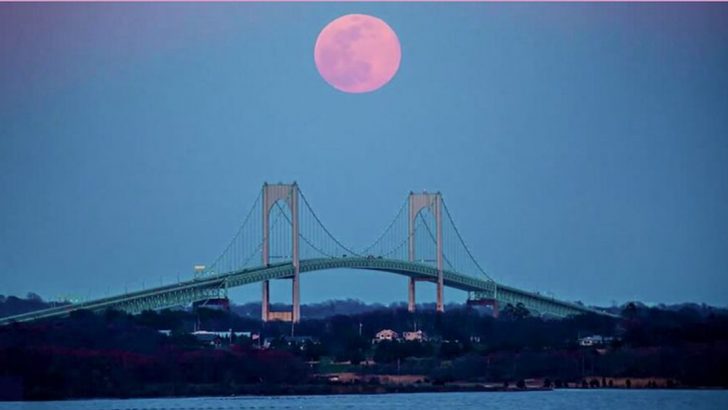
Want to plan your nights under the brightest moonlight in 2026? This guide shows you exactly when to catch each full moon, plus tips to spot the crescents, quarters, and the rare Blue Moon.
There is even a dramatic total lunar eclipse in March that will paint the Moon red for nearly an hour. Keep this handy so you can step outside at the right time and actually see the show.
1. January 3, 2026 — Wolf Moon (5:03 AM EST)
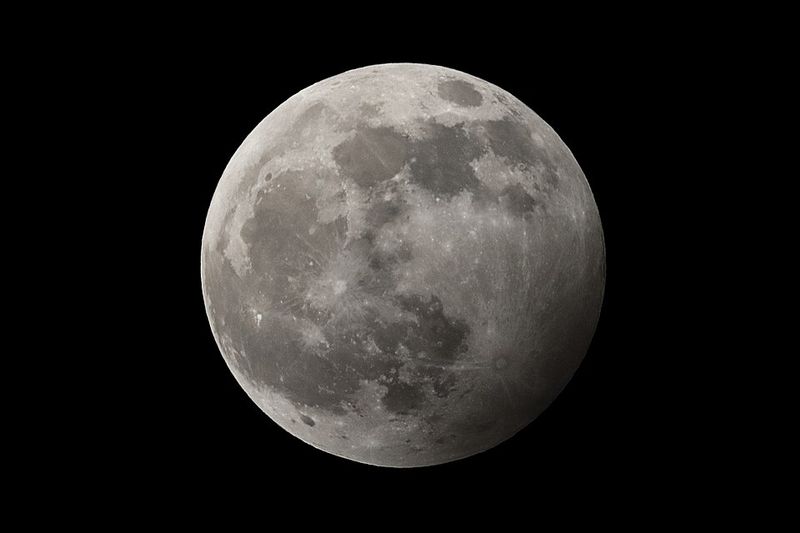
The year opens with the Wolf Moon before dawn, crisp and bright in wintry skies. Bundle up, head outside after midnight, and look high as the Moon crosses the meridian near local midnight. You will notice longer shadows and sharper light thanks to cold, clear air.
To see other phases, watch the waxing gibbous the two nights prior and the waning gibbous that follows. A week earlier and later bring the quarters. If clouds threaten, check hourly forecasts and try again the following evening, since full-phase brilliance lingers.
2. February 1, 2026 — Snow Moon (5:09 PM EST)

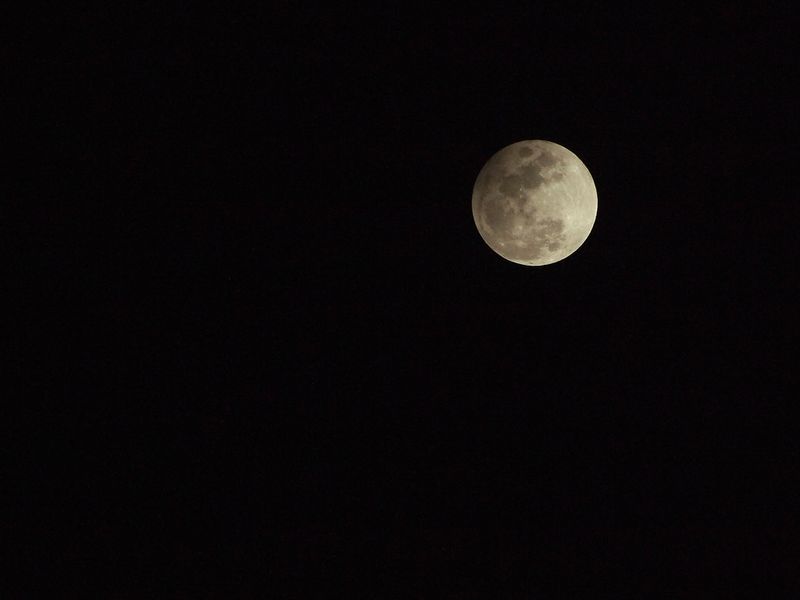
The Snow Moon rises around sunset, giving you a perfect horizon glow and easy timing. Find an unobstructed eastern view so you can watch the golden Moon lift through atmospheric haze, then brighten as darkness falls. Photograph it against snowy roofs or bare trees for scale.
Track phases by noting the waxing crescent roughly two weeks earlier after dusk, then first quarter about a week in. After full, the waning gibbous rides higher after midnight. Cold air often offers excellent transparency, so grab binoculars to scan craters along the limb.
3. March 3, 2026 — Worm Moon + Total Lunar Eclipse (6:38 AM EST)

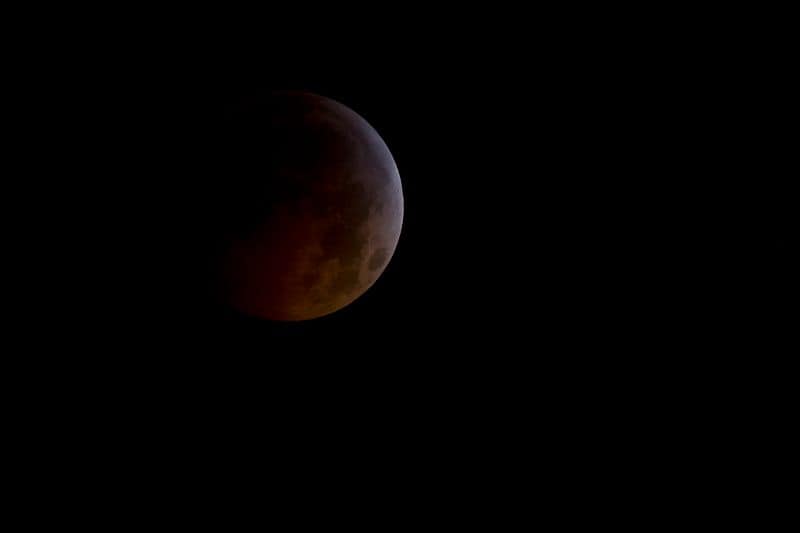
This Worm Moon arrives with a total lunar eclipse, turning the Moon a coppery red during totality. If you are in parts of North America, Asia, or Australia, set alarms well before dawn to catch the phases of the eclipse. The color depends on Earth’s atmosphere, from brick red to burnt orange.
Scout a dark spot with a clear western horizon. Bring binoculars for the umbral bite and subtle shading. For other phases, note the waxing crescent after sunset in late February and the last quarter roughly a week after full. Dress warm and plan for lingering twilight.
4. April 1, 2026 — Pink Moon (10:12 PM EST)

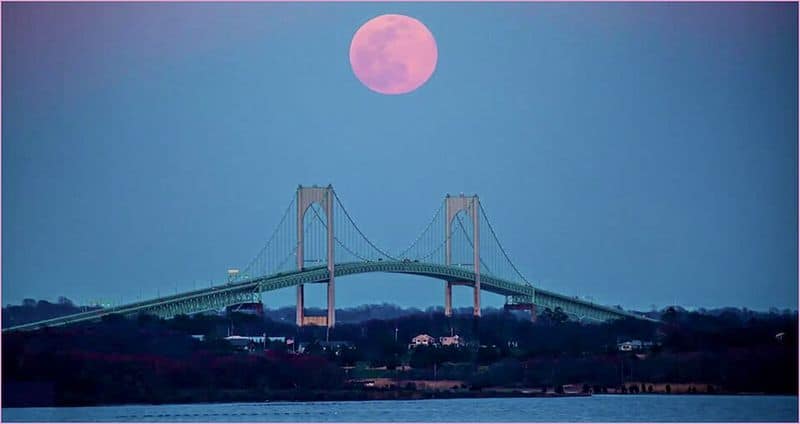
The Pink Moon glows bright on a mild spring night, named for early wildflowers rather than color. Step outside after dusk and watch it clear rooftops, then climb high by midnight for the crispest view. Thin clouds can create a halo, adding drama without blocking detail.
To catch other phases, look for a waxing crescent low in the west a couple weeks earlier, and first quarter about seven days after new. After full, the waning gibbous dominates late nights. Use a tripod to photograph the Moon near budding branches for a seasonal vibe.
5. May 1, 2026 — Flower Moon (1:23 PM EST)


This Flower Moon is technically full during daytime, but you will see it best after sunset on May 1 and the surrounding nights. Expect a luminous disk clearing the eastern horizon during twilight. Frame it against fresh greenery or city skylines for striking contrast.
To enjoy other phases, look for the waxing crescent in the west after sunset in late April, then first quarter a week later. After full, the waning gibbous swings high after midnight. Use binoculars to explore Mare Imbrium and bright crater Tycho with its striking rays.
6. May 31, 2026 — Blue Moon (4:45 AM EST)

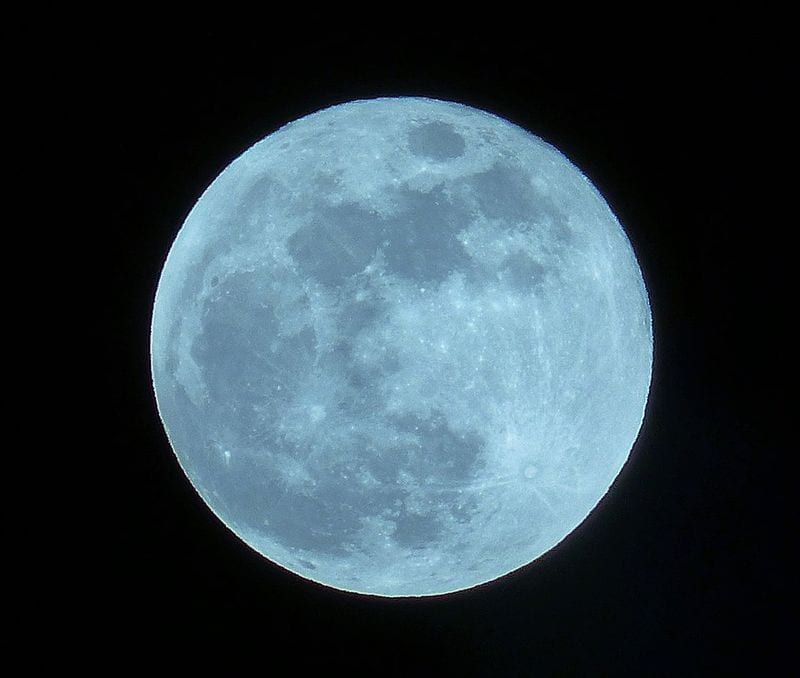
A rare Blue Moon caps May with a second full moon in the same month. Catch it in the predawn hours, glowing pale over quiet streets. The Moon is not literally blue, but the occasion is special, so set an early alarm and find a clear eastern view before moonset.
To compare phases, observe the preceding waxing gibbous on May 30 and the waning gibbous on June 1. Try a sequence of photos over an hour to track its descent. Note how atmospheric reddening increases as it approaches the horizon, adding drama for wide-angle shots.
7. June 29, 2026 — Strawberry Moon (7:57 PM EST)

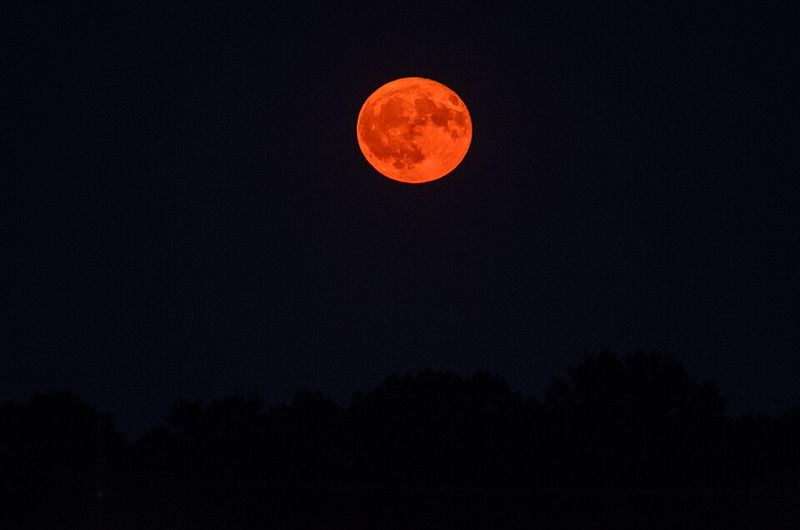
The Strawberry Moon rises near sunset, glowing warm over early summer landscapes. Find an open view east to watch the Moon lift through colorful twilight. Its nickname comes from seasonal harvests rather than color, but low altitude can give a rosy hue for a few minutes.
For phases, spot the slender waxing crescent after sunset in late June, then first quarter a week later. The waning gibbous dominates post-midnight skies after full. Bring binoculars to trace the contrasting lunar maria and the bright highland regions, especially near the terminator for texture.
8. July 29, 2026 — Buck Moon (10:36 AM EST)

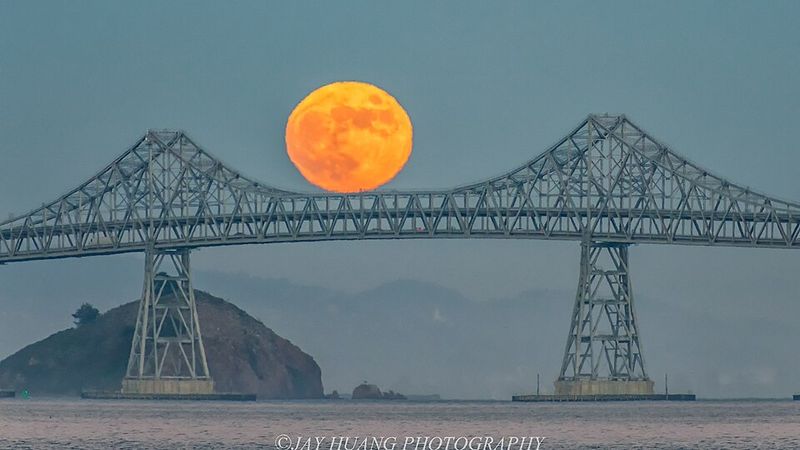
The Buck Moon peaks during late morning by clock, but it looks spectacular both the night before and after. Step out at dusk on July 28 or 29 to watch a dramatic moonrise. Heat shimmer can soften details low on the horizon, so wait an hour for sharper views higher up.
Track phases by catching the waxing crescent mid-July after sunset and first quarter a week later. After full, the waning gibbous rewards night owls. Bring a chair, water, and a simple plan to stargaze as the Milky Way emerges in darker locations following moonset.
9. August 28, 2026 — Sturgeon Moon (12:18 AM EST)


The Sturgeon Moon lands just after midnight, ideal for late-night watchers. It will climb high by the small hours, washing the landscape in silver light. Lakeside views are perfect if you can find a safe shoreline, where reflections create a glowing path across the water.
Observe phases by spotting the waxing crescent after sunset in mid-August, first quarter a week later, and the waning gibbous in the days following full. Try polarized sunglasses at dusk before dark to reduce glare while scouting locations. Bring a light jacket and a red flashlight for comfort.
10. September 26, 2026 — Corn Moon (12:49 PM EST)

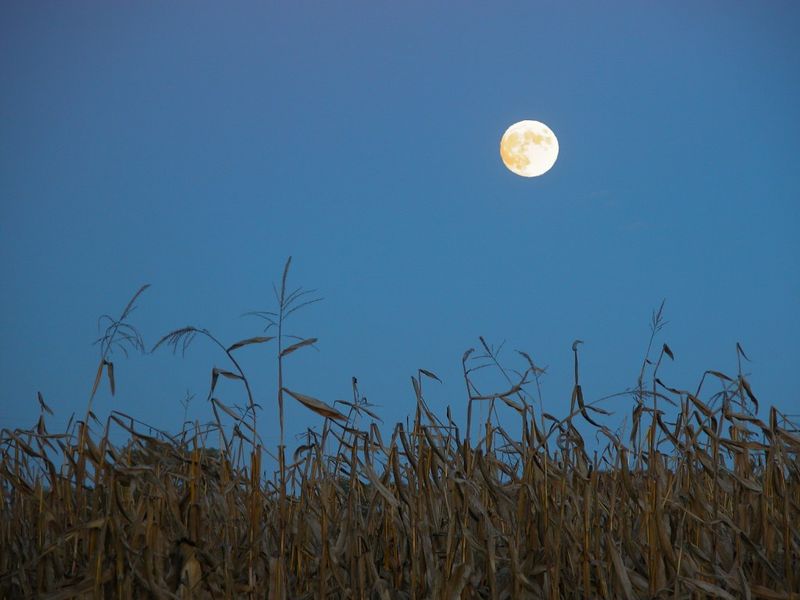
The Corn Moon is exact at midday, but the magic happens at moonrise near sunset on September 26. Harvest hues in the atmosphere can give it a deep gold tone. Watch for an early moonrise relative to sunset near this time of year, which makes twilight viewing especially convenient.
Catch phases by following the waxing crescent in early evening mid-September and first quarter a week after new. After full, the waning gibbous rides late. Farmers’ fields, barns, and rolling hills make great foregrounds. Pack insect repellent and check local forecasts for lingering summer storms.
11. October 25, 2026 — Hunter’s Moon (11:12 PM EST)

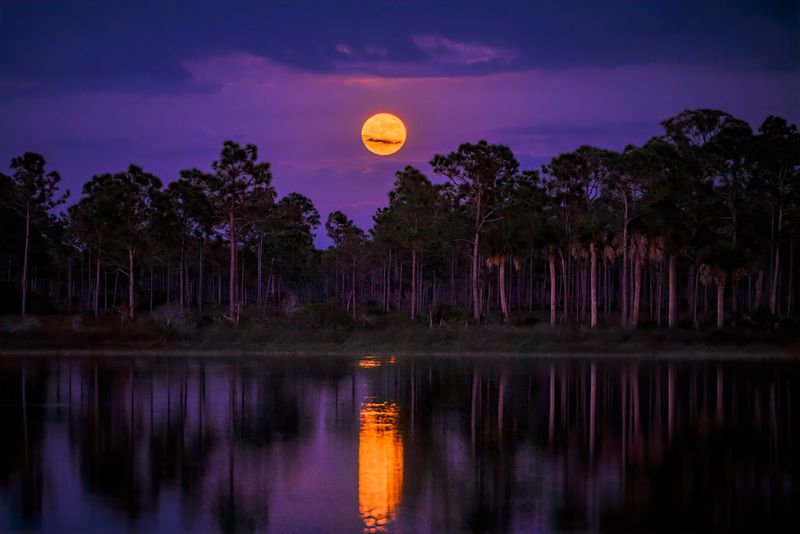
The Hunter’s Moon arrives late evening, famous for bright, successive early moonrises that aid after-harvest activity. Look east shortly after sunset for several nights to enjoy extended twilight glow plus quick moonrises. The Moon’s path keeps it low for a while, giving you dramatic, oversized illusions near the horizon.
For phases, seek the waxing crescent in early October after dusk, first quarter about a week later, and the waning gibbous following full. Photograph silhouettes of trees or city architecture as it climbs. Stabilize your camera and use short exposures to capture cratered detail crisply.
12. November 24, 2026 — Beaver Moon (9:53 AM EST)


The Beaver Moon is full in the morning by clock, so target moonrise on November 23 or moonset early on the 24th. Cold air can deliver crystal clarity, revealing stark contrasts along the maria and bright ray systems. Look for a subtle halo if thin cirrus drifts by.
Other phases to watch: the waxing crescent appears low in the southwest after sunset mid-November, then first quarter about a week later. After full, catch the waning gibbous high after midnight. Gloves, thermos, and a simple star chart make the chill worthwhile as Orion climbs.
13. December 23, 2026 — Cold Moon (8:28 PM EST)

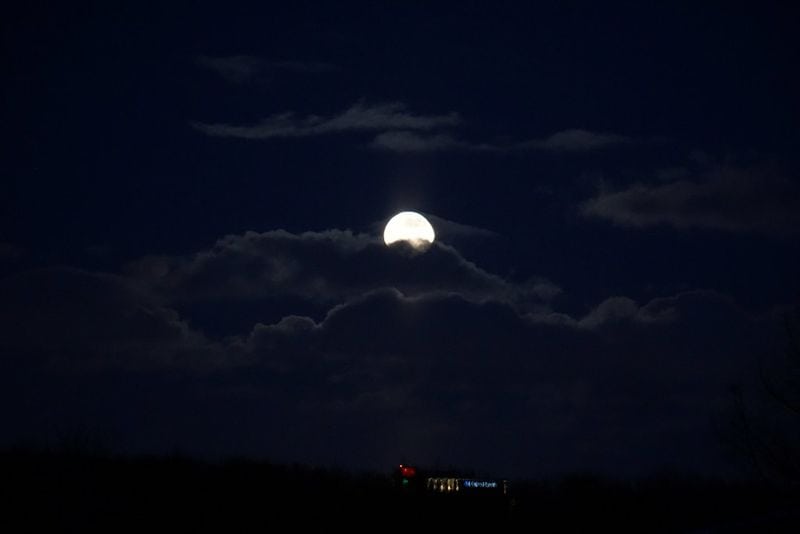
The Cold Moon crowns the year on a long winter night. Step outside after dinner and look east to watch it rise into crisp, silent air. Snow or frost can amplify the glow, turning landscapes into monochrome scenes with strong shadows and sparkling highlights under the bright light.
Track phases by noting the slim waxing crescent in early December, then first quarter a week later. After full, the waning gibbous sails high after midnight. Dress in layers, use hand warmers, and try time-lapse sequences to capture its climb and the glittering winter sky.

Lover of good music, reading, astrology and making memories with friends and spreading positive vibes! 🎶✨I aim to inspire others to find meaning and purpose through a deeper understanding of the universe’s energies.