
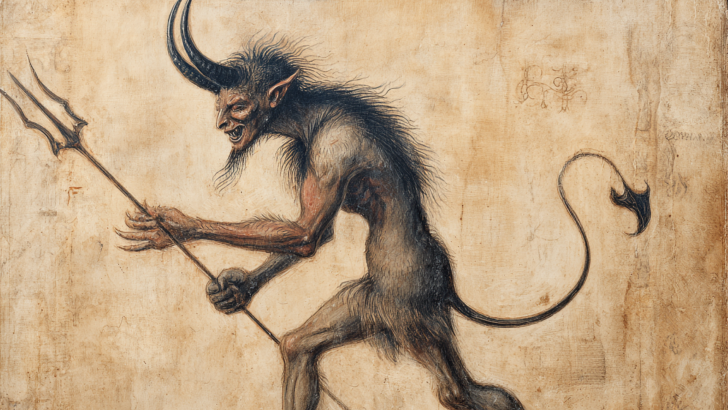
Many people picture the devil as a red, horned, and pitchfork-bearing creature; however, the Bible describes the devil as being much more subtle, symbolic, and sometimes even surprising.
Many biblical verses have been misunderstood or shaped by later traditions, movies, and folklore. By examining scripture, we can discover deeper meanings surrounding this spiritual being.
These facts will help explain how the devil is depicted in the Bible, what role he plays, and why the devil typically has a quiet influence rather than one that is dramatic. Here are some unexpected truths regarding the devil based upon biblical evidence.
1. The Bible Rarely Describes The Devil’s Appearance
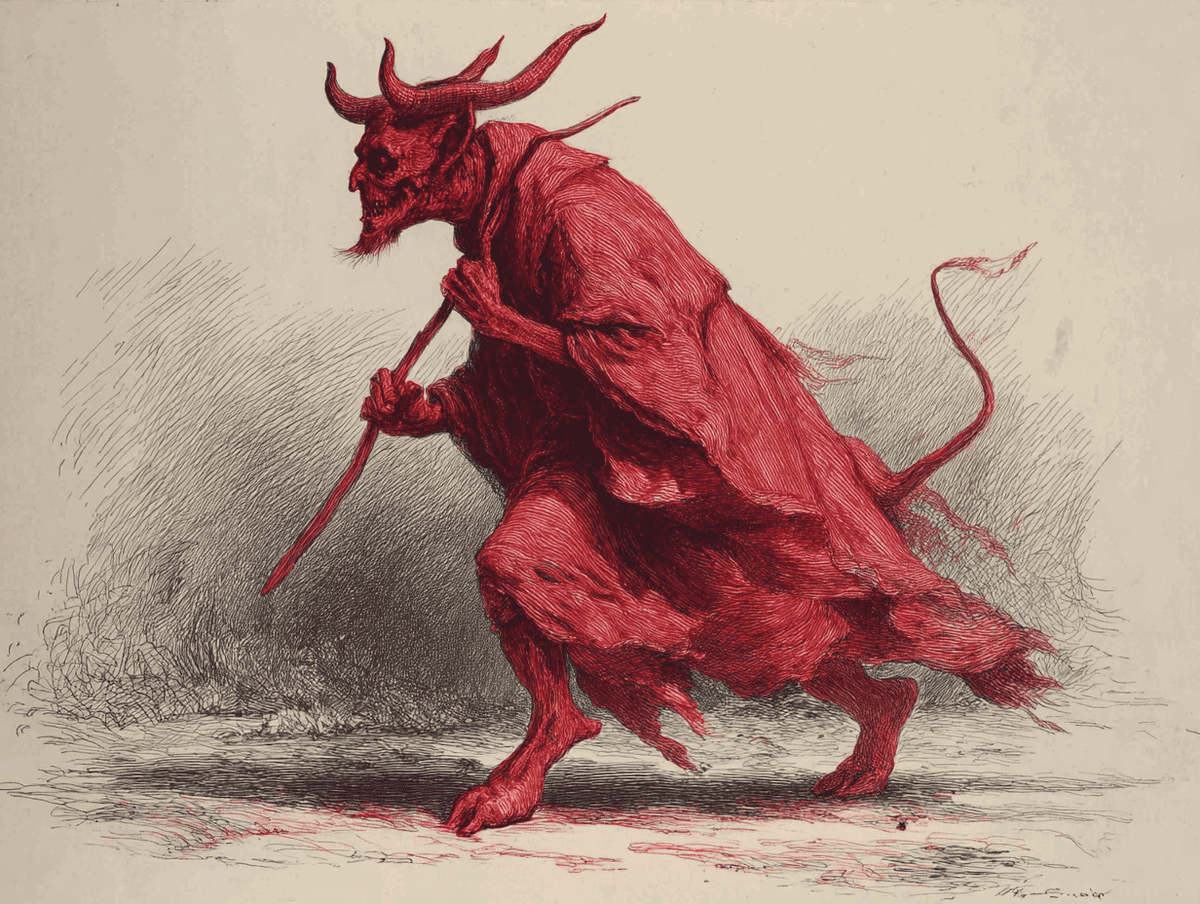
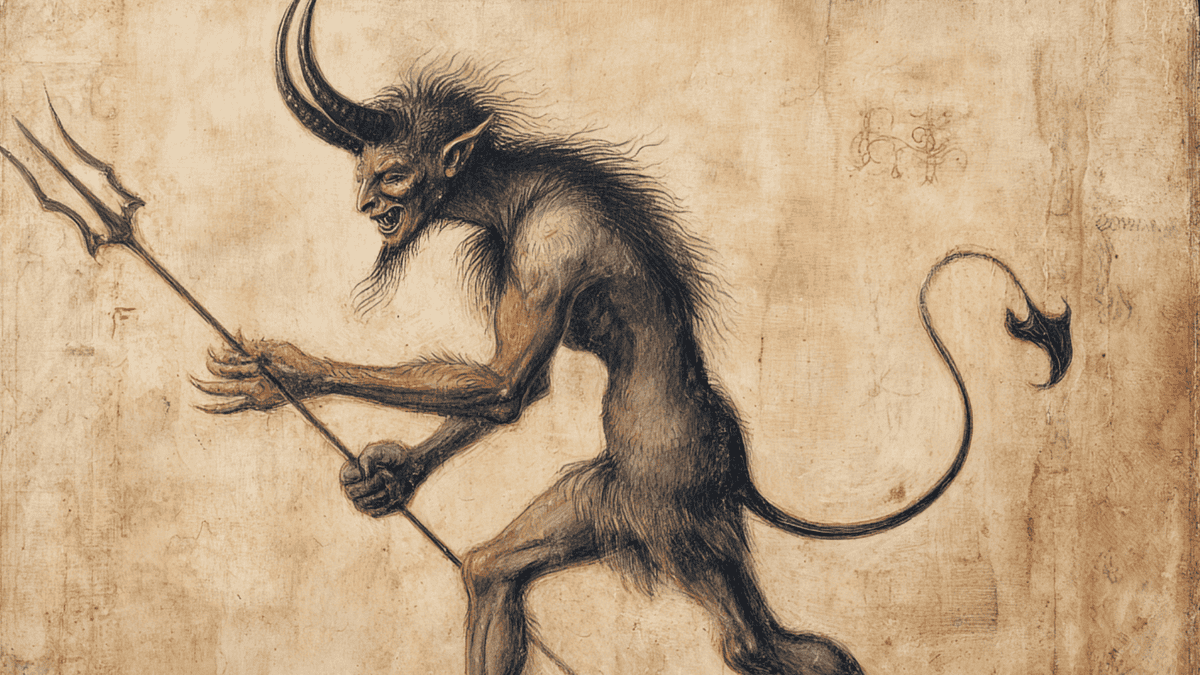
Many believe that the Bible includes explicit details describing the devil’s physical appearance. Nothing is mentioned directly about any devilish attributes such as horns, red skin, or pitchforks.
Those mentioned above are the results of artistic interpretation and mythology that began long after scripture was written. They do not describe the devil in ways related to physical attributes, only actions.
The devil is considered a spiritual being rather than a physical monster or being. The lack of physical description makes it much more difficult to identify; this highlights how an influence can be something hidden rather than obvious.
2. He Is Often Called “The Accuser.”
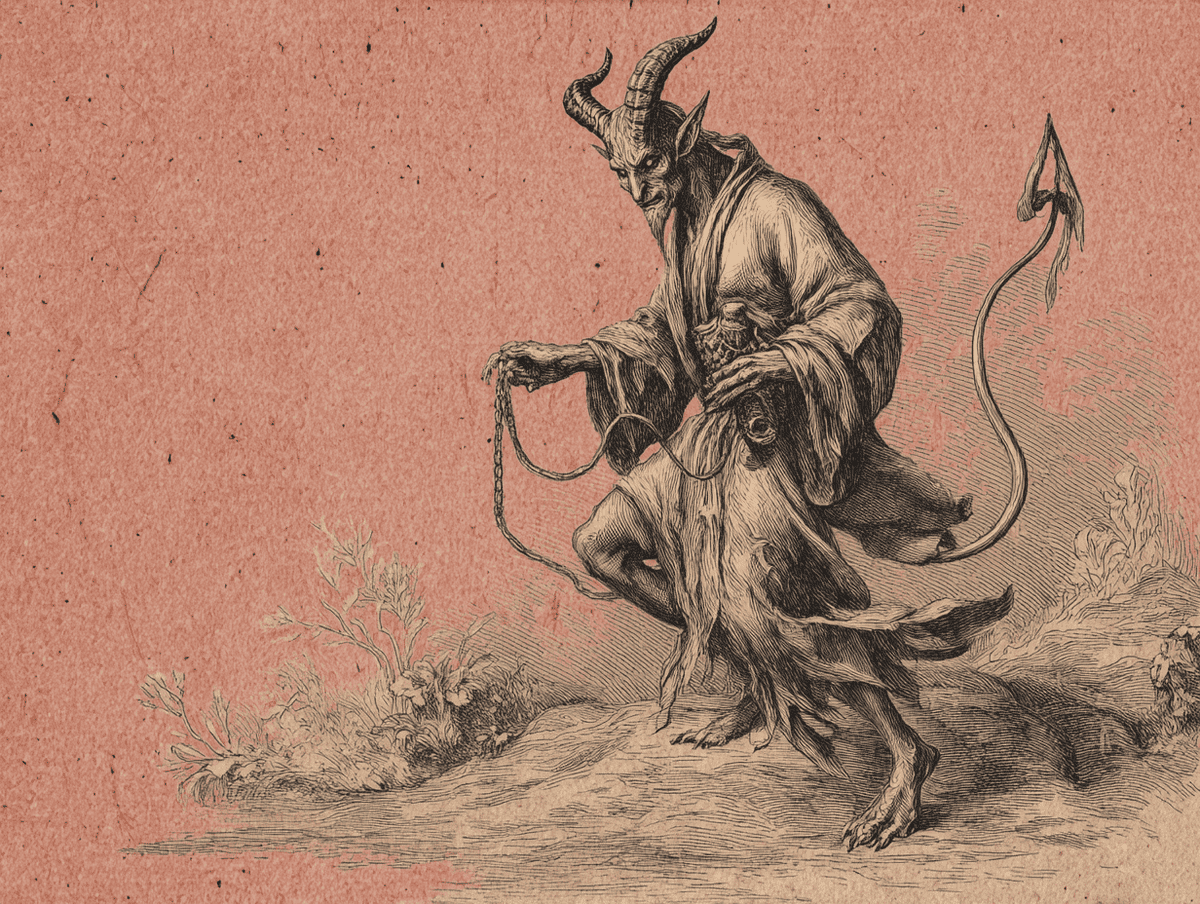
The devil acts as an accuser in the Bible by exposing all of humanity’s flaws, weaknesses, and failures. By creating guilt, trouble, and shame, the devil does not want to destroy people; rather, it wants to discourage people.
By feeling like an undeserving person, a person loses their faith. The role of this accuser is found throughout the early biblical account.
This demonstrates that emotional attacks can be more powerful than physical attacks. Doubt will be a tool used against people.
3. The Devil Uses Words More Than Force
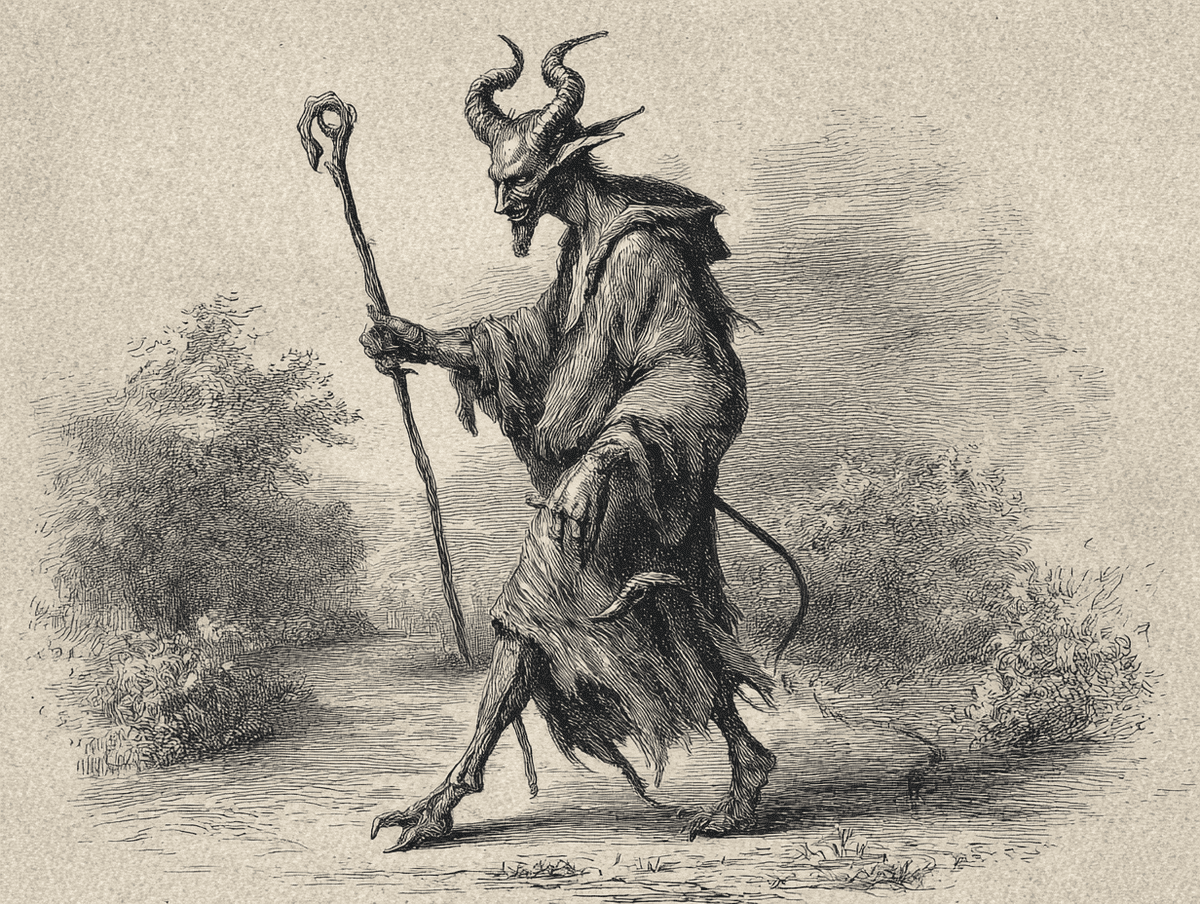
In scripture, Satan does not typically use physical force; he uses words instead. Twisted words, tricky questions, and half-truths all work to deceive rather than to coerce.
This technique is difficult to notice, but it does affect people. The temptation comes by suggestion rather than by coercion; therefore, discernment is very important.
Many times, the greatest spiritual battles are won/lost in our thoughts rather than our actions. Having an awareness of this fact serves as an additional form of protection.
4. He Knows Scripture Well

The devil quotes the Bible because he uses the Bible as a tool for misleading people with false interpretations of its content. Just having knowledge does not mean that one has wisdom.
The devil understood the scriptures, but he used that knowledge for his own gain. This is a warning to Christians to pursue knowledge not for the sake of knowledge alone, but to pursue wisdom and understanding.
Misusing truth can lead to destruction. Since the devil has knowledge of the scriptures, he creates a great deal of confusion.
5. He Is Not Equal To God

The Bible never depicts the devil as an equal to God, nor does it consider him a rival god.
Instead, he is merely a created being with a limited amount of power whose influence is restricted to specific boundaries and to circumstances in which he has been granted permission to operate.
This shows that evil does not possess any power over God, and ultimately, good will have victory over evil.
This encourages believers not to be afraid of the devil because fear often leads to an over-exaggeration of his role in our lives. Finally, throughout Scripture, we find divine authority being placed above all.
6. His Fall Is Not Fully Explained
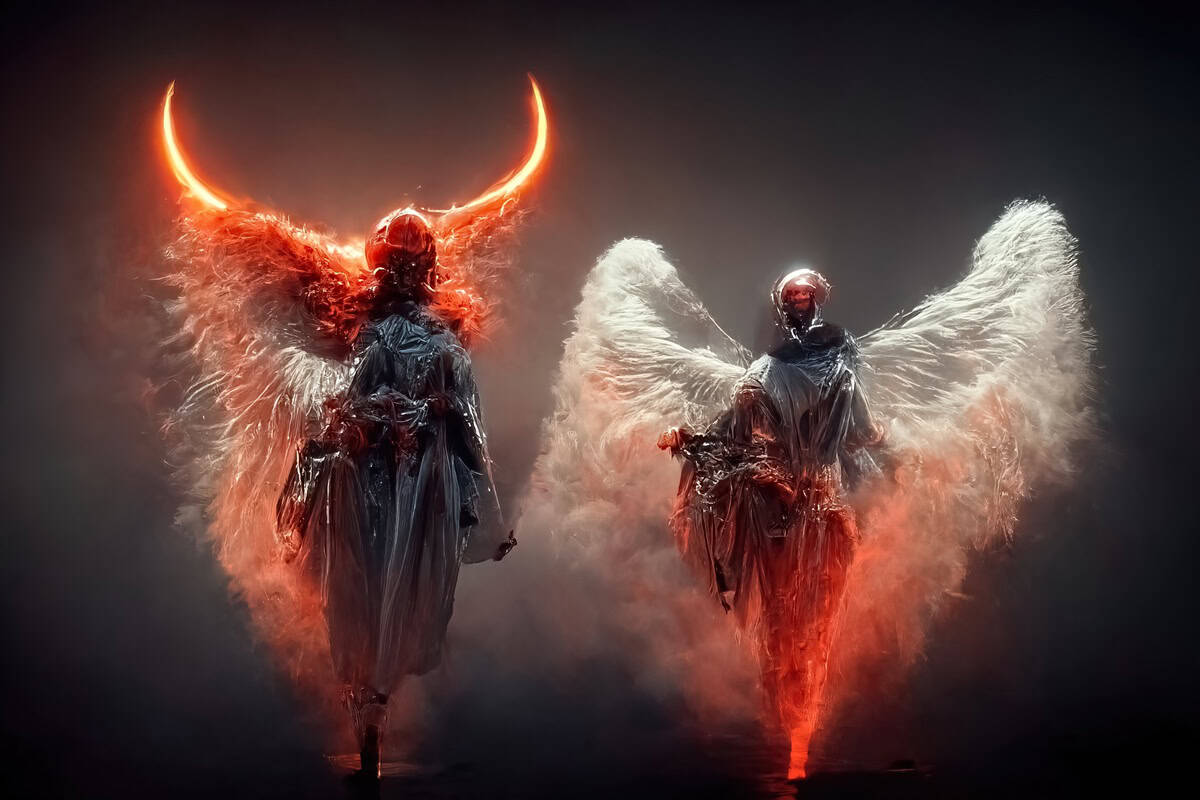
The Bible provides a seemingly clear story of how the devil was cast out of heaven, but it doesn’t provide details.
Most of what people believe has been added following the text, not from what was actually written in scripture.
The Bible makes some references to arrogance and disobedience but does not give a full account due to God’s desire to keep humans focused on making choices rather than on how they came into existence. Accountability is more important than history.
7. He Targets Weak Moments

The devil tempts people when they are exhausted, hungry, lonely, or dispirited.
Temptations seem greater during times of vulnerability; therefore, developing awareness through these experiences is important.
Self-care can provide spiritual protection. People who push themselves beyond their limits will be more easily tempted than those who have balanced themselves, and wisdom comes from understanding and respecting your limitations.
8. He Cannot Force Anyone To Sin

According to the Bible, the devil tempts but does not control. There is always a choice involved with an individual. Responsibility belongs to the individual.
Free will is reinforced in this way; if you blame the devil, there is no accountability for how you act. The Scriptures repeatedly teach us self-control.
To grow as a believer means accepting responsibility. Temptation reveals character; winning over temptation increases faith. The ability to have the power to choose is where power is found.
9. His Greatest Weapon Is Fear
The devil uses fear as a strong tool. Fear creates paralysis, blocks faith, and weakens courage.
The Bible repeatedly tells us not to fear. Fear distorts perception of problems and makes easy problems seem huge.
It also blocks the ability to trust. The devil disrupts peace through fear.
10. His Defeat Is Already Promised

The Bible teaches us that the devil’s power will end. The devil will be defeated, and evil will not win.
This hope gives believers encouragement to live without despair. Struggles can have purpose, but light will outlast darkness because faith is stronger than fear.
Perseverance is strengthened by this promise.

Born and raised in Bosnia and Herzegovina. Ever since I was a little girl, my imagination knew no bounds. I remember vividly how I’d scribble down short stories, each page bursting with adventures and characters conjured up from the whimsy of my mind. These stories weren’t just for me; they were my way of connecting with my friends, offering them a slice of my fantasy world during our playtimes. The joy and excitement on their faces as we dived into my fictional realms motivated me to keep writing. This early passion for storytelling naturally evolved into my pursuit of writing, turning a childhood hobby into a fulfilling career.