
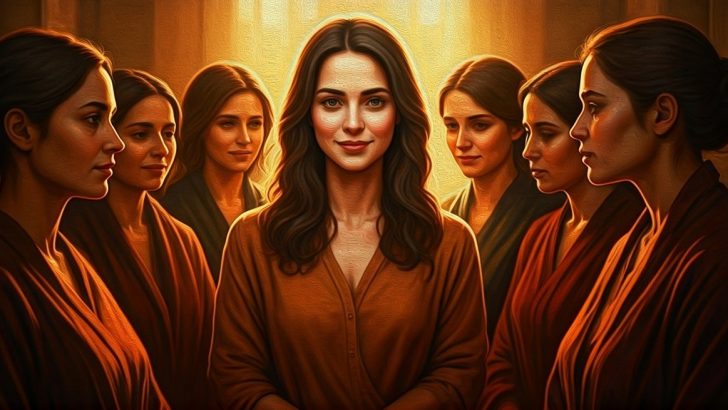
Across world religions, women have shaped spiritual narratives through leadership, courage, wisdom, and divine symbolism.
From goddesses who embody cosmic power to historical figures whose faith and actions altered religious trajectories, these women stand out — not just as characters, but as enduring symbols of feminine agency.
1. Mary (Mother of Jesus) — Christianity & Islam
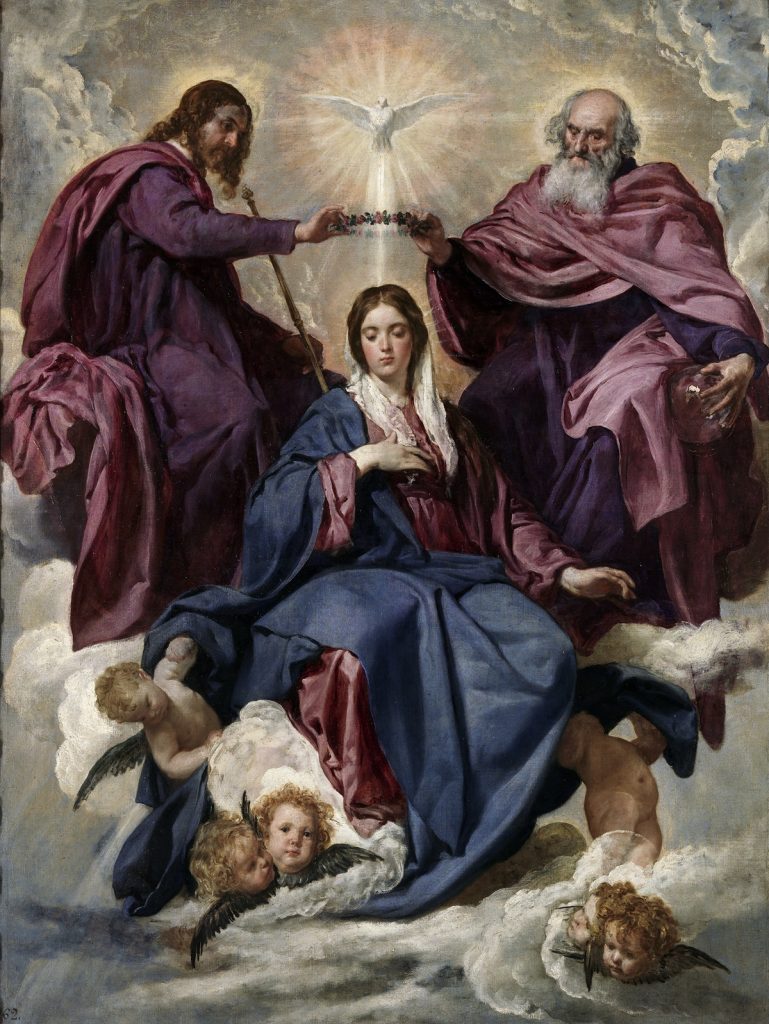
Revered as Theotokos (“God-bearer”) in Christianity, Mary’s acceptance of her role in the Incarnation makes her one of the most influential women in religious history. Her figure embodies obedience, compassion, and maternal devotion.
In Islam, Maryam (Mary) is the only woman named in the Qur’an and is held in exceptionally high esteem for her purity and steadfast faith.
2. Khadija bint Khuwaylid — Islam
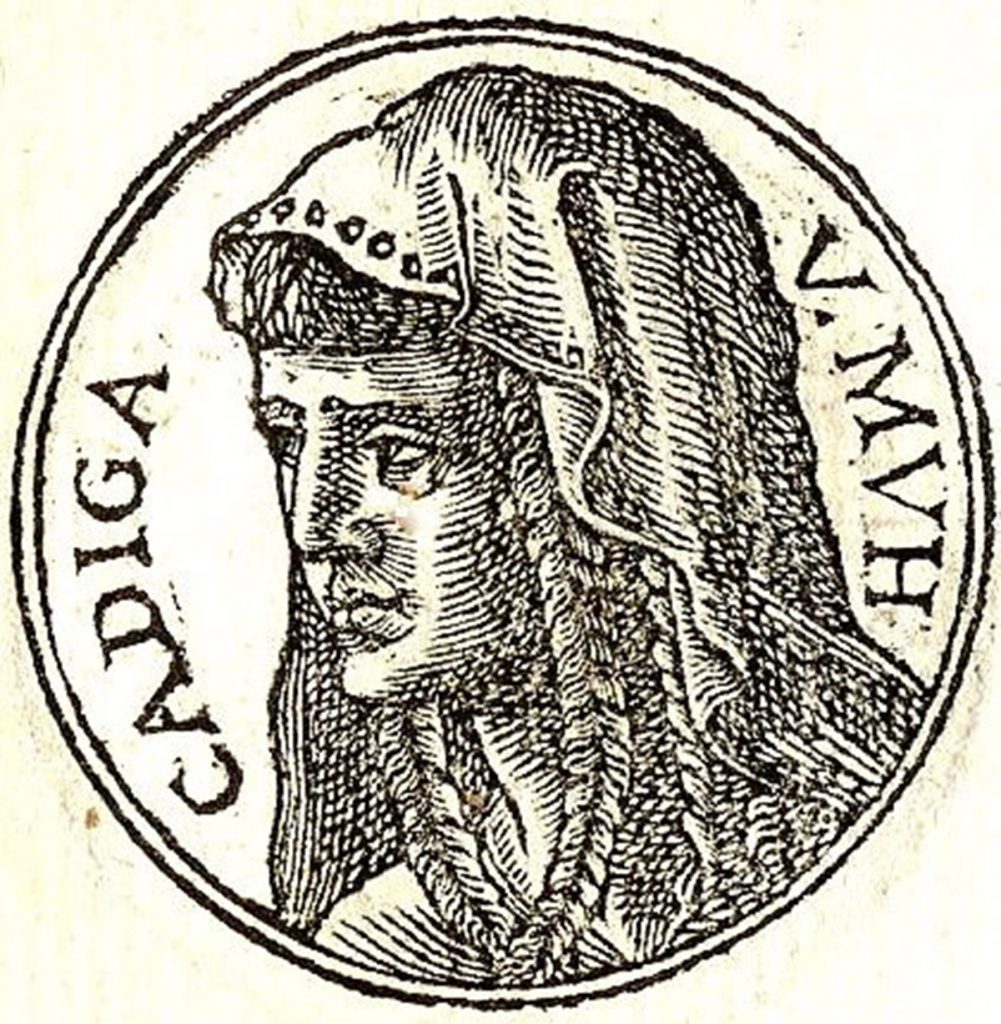
Known as the first wife of Prophet Muhammad, Khadija was a successful businesswoman who supported the earliest Muslim community financially and spiritually.
Her strength and faith made her a central figure in Islamic tradition, often titled “Mother of the Believers.”
3. Fatima — Islam

Fatima, daughter of Muhammad, is revered across Sunni and Shia traditions alike.
In many Islamic sources she is grouped among the most outstanding women of all time, embodying devotion, compassion, and spiritual fortitude.
4. Queen Esther — Judaism & Christianity
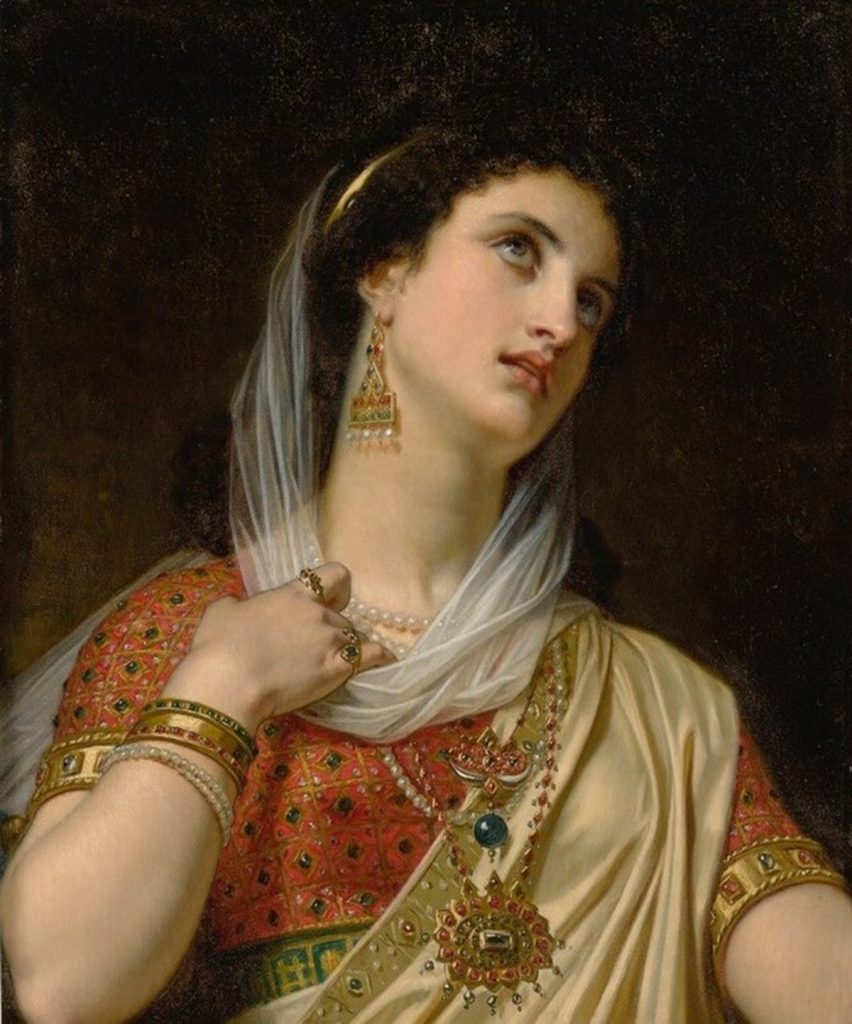
In the Hebrew Bible’s Book of Esther, this Persian queen uses wisdom and courage to prevent the genocide of her people.
Her story became central to the Jewish festival of Purim and remains a powerful example of political and spiritual resolve.
5. Deborah — Judaism & Christianity
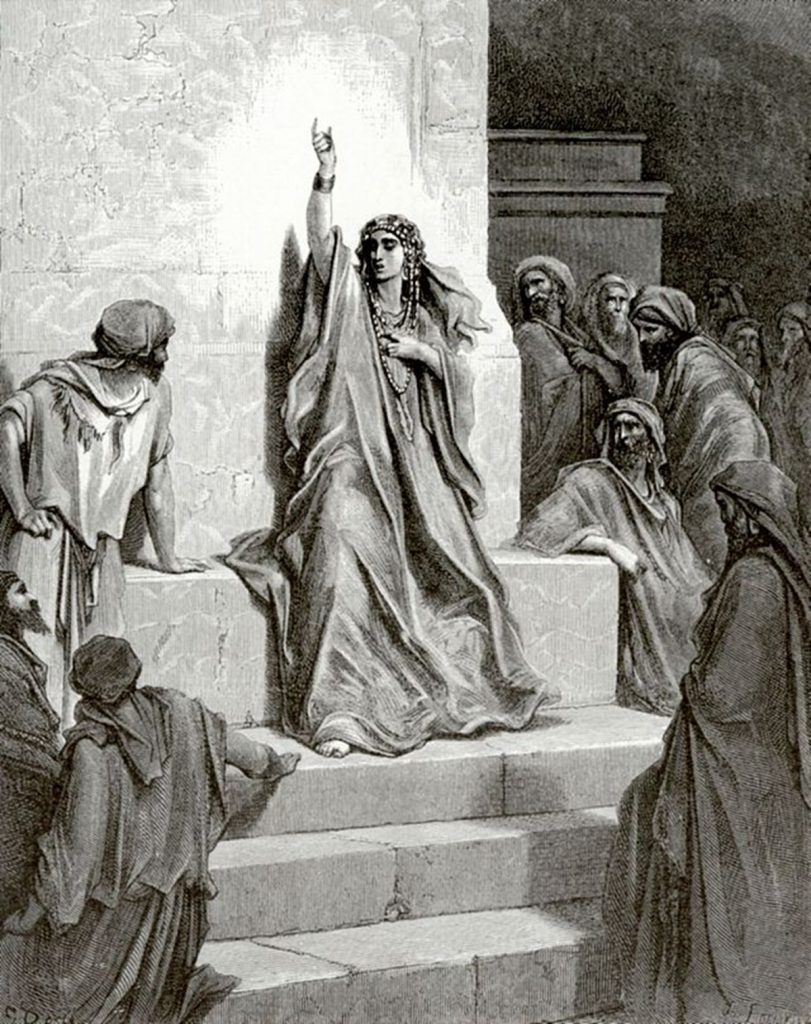
Deborah is one of the few female judges in the Bible — a role combining spiritual and political leadership.
In a patriarchal era, she led Israel to peace and is remembered for her prophetic authority and strategic insight.
6. Kuan Yin (Guanyin) — Buddhism
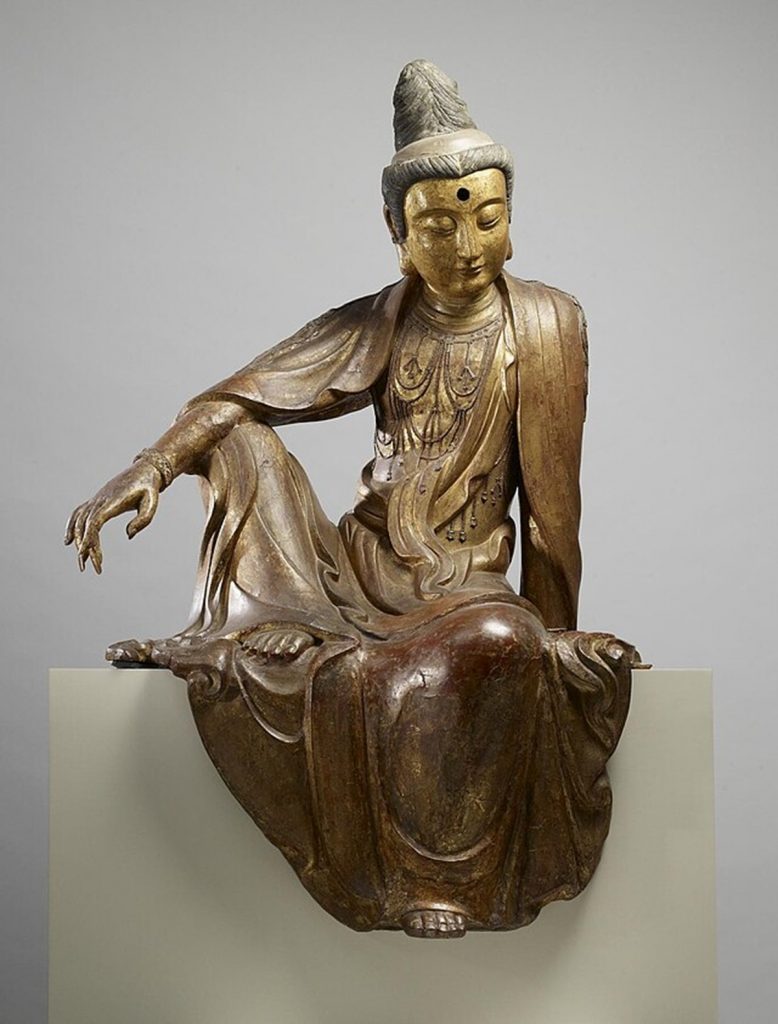
In East Asian Buddhism, Kuan Yin — often depicted in female form — is the Bodhisattva of Compassion. She symbolizes mercy and salvation, offering relief from suffering to all beings.
Her name and image have inspired countless devotees across China, Japan, Korea, and beyond.
7. Mahadevi / Shakti — Hinduism
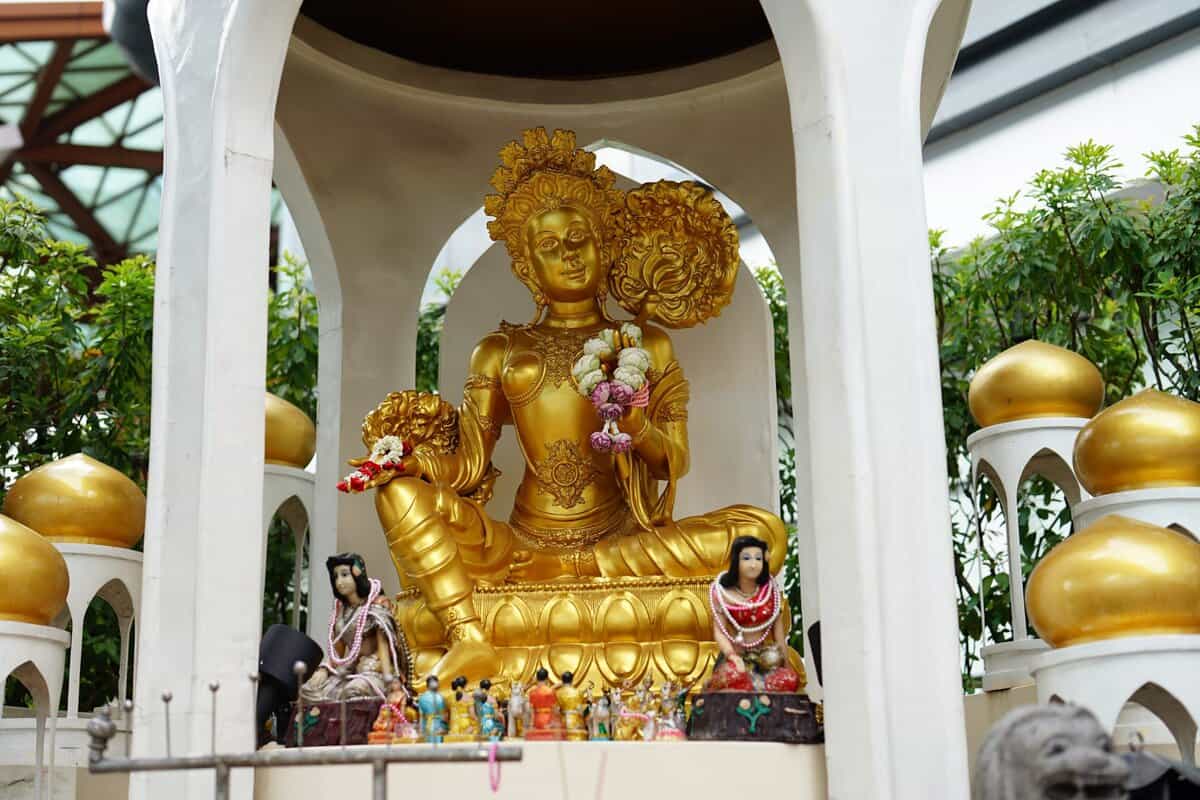
In Hindu theology, the divine feminine principle (Shakti) is the source of all cosmic power — and Mahadevi (the Great Goddess) embodies that supreme energy.
Whether as Durga, Kali, Parvati, or Saraswati, she represents life-giving, destructive, regenerative, and wisdom-bearing forces.
8. Táhirih — Bábí / Baháʼí Faith
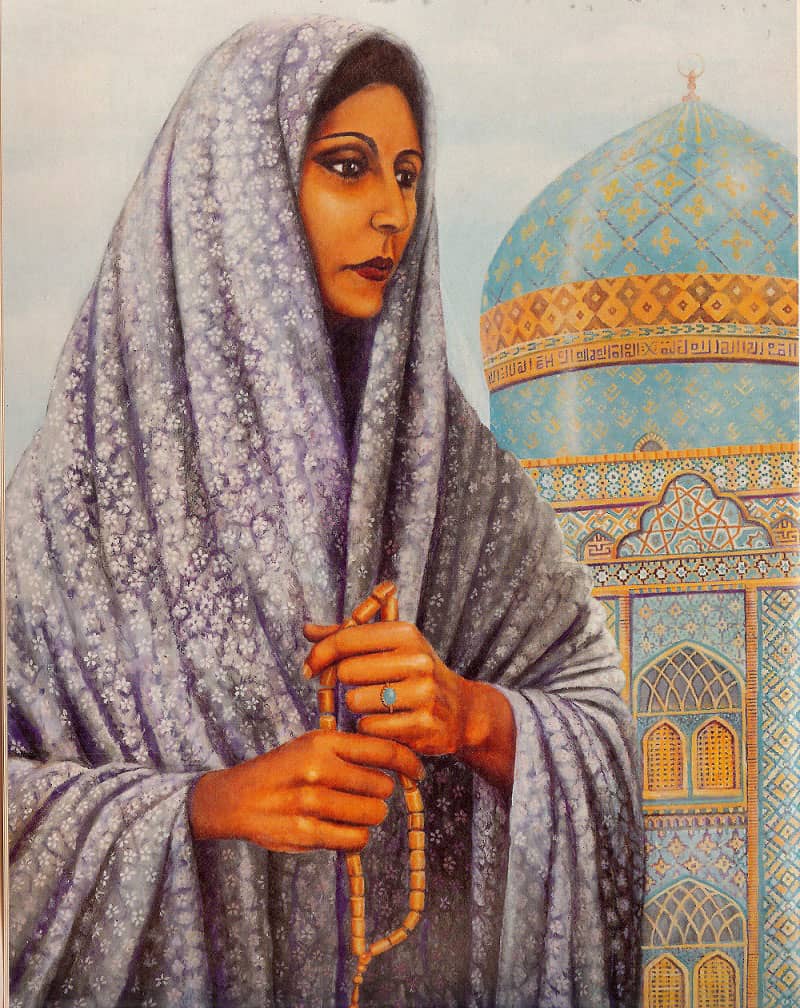
A poet and theologian of the 19th century, Táhirih is one of the most influential women in early Baháʼí history.
Her bold advocacy for spiritual equality and for unveiling as a symbol of liberation made her a potent spiritual icon.
9. Why These Women Matter Across Faiths
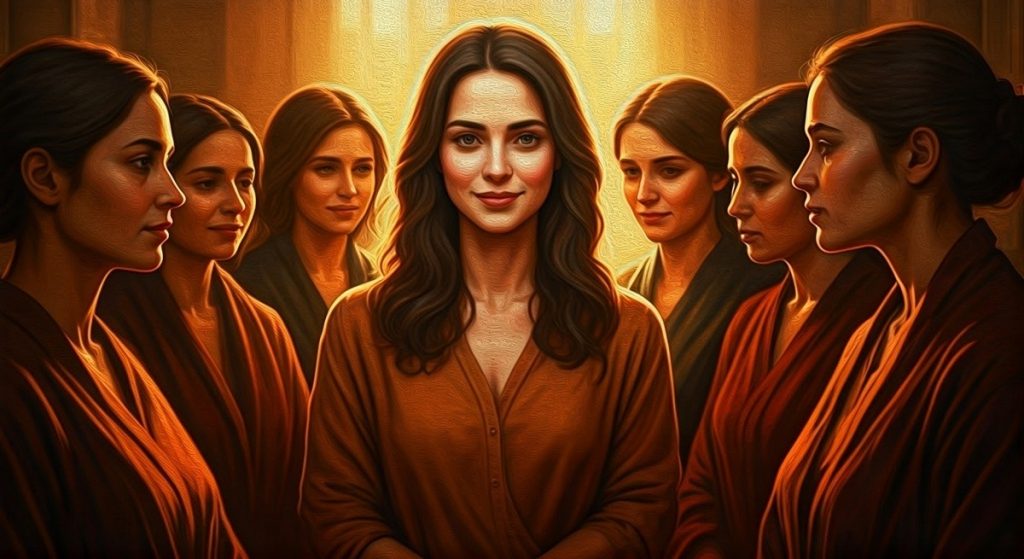
While the theological frameworks differ, several themes unite these figures:
Spiritual Leadership: Many, like Deborah and Táhirih, transcended societal constraints to lead or inspire.
Divine Feminine Expression: Goddess figures such as Kuan Yin and Mahadevi represent fundamental cosmological forces in their traditions.
Courage Under Persecution: Esther, Fatima, and Khadija exemplify bravery under pressure — whether political, social, or spiritual.
Transformative Influence: Their stories shaped how communities understand faith, morality, compassion, and devotion.
Across world religions, these women — whether human or divine — offer rich symbols of power, resilience, and spiritual depth.

Lover of good music, reading, astrology and making memories with friends and spreading positive vibes! 🎶✨I aim to inspire others to find meaning and purpose through a deeper understanding of the universe’s energies.