
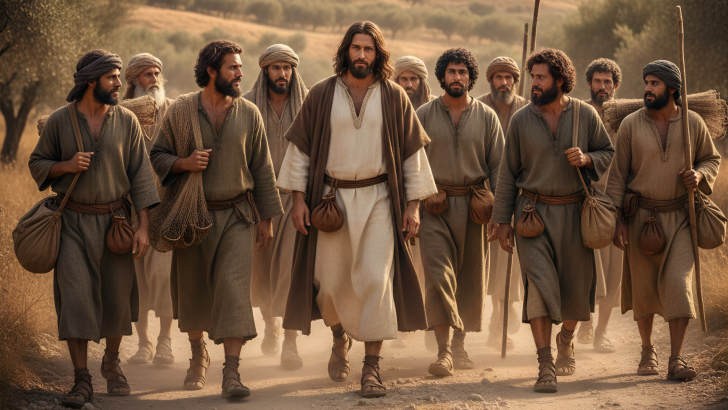
The disciples of Jesus came from many different walks of life. They were not all scholars, priests, or religious leaders.
Instead, they were ordinary people with ordinary jobs, called to follow an extraordinary mission.
Their professions reveal much about the society of first-century Judea, showing how people from various backgrounds could become part of God’s plan.
Many of these trades were physically demanding, required skill, and involved daily interaction with others.
Understanding the occupations of the disciples provides insight into their characters, skills, and perspectives, and helps us appreciate how ordinary work could prepare them for spreading Jesus’ teachings.
1. Peter and Andrew – Fishermen

Peter and his brother Andrew were fishermen on the Sea of Galilee. Fishing was a tough, labor-intensive profession that required early mornings, physical strength, and patience.
These men were used to hard work, long hours, and dealing with unpredictable conditions.
They relied on teamwork and skill to make a living, often working in small boats with nets to catch fish for sale.
Their occupation also meant they interacted frequently with the local community, selling their catch at the markets.
When Jesus called them, their experience as fishermen symbolized their readiness to become “fishers of men,” applying their persistence and dedication to spreading His message.
2. James and John – Fishermen and Sons of Zebedee

James and John, the sons of Zebedee, were also fishermen, likely working alongside their father. They were accustomed to labor, risk, and collaboration.
Fishing on the Sea of Galilee could be dangerous, with storms and rough waters common.
Their father probably taught them practical skills, responsibility, and how to work efficiently under pressure.
Jesus’ call required them to leave their family business behind, but their familiarity with hard work and teamwork prepared them for the challenges of ministry.
Their occupation also meant they were familiar with the hardships of ordinary life, making them relatable to the people they later served.
3. Matthew – Tax Collector

Matthew, also known as Levi, was a tax collector before following Jesus.
Tax collectors were generally despised by the Jewish community because they worked for the Roman authorities and often exploited their fellow citizens.
Despite this, Matthew had skills in accounting, record keeping, and negotiation. His work required attention to detail and familiarity with legal regulations.
Being a tax collector may have provided him with organizational skills that helped later when spreading Jesus’ teachings.
His profession also shows how Jesus welcomed people from all social standings, even those who were marginalized or mistrusted, emphasizing redemption and transformation.
4. Philip – Possibly a Merchant

While less is known about Philip’s specific profession, some scholars believe he may have been involved in trade or business.
Merchants needed good communication skills, a clear understanding of their products, and the ability to negotiate with diverse groups of people.
This occupation would have prepared Philip for outreach and interaction with a variety of social classes.
His experience in commerce could also have contributed to strategic thinking and problem-solving, qualities valuable in spreading a new movement.
Philip’s background reminds us that disciples came from practical, everyday professions, not only from religious or scholarly roles.
5. Bartholomew – Possibly a Farmer
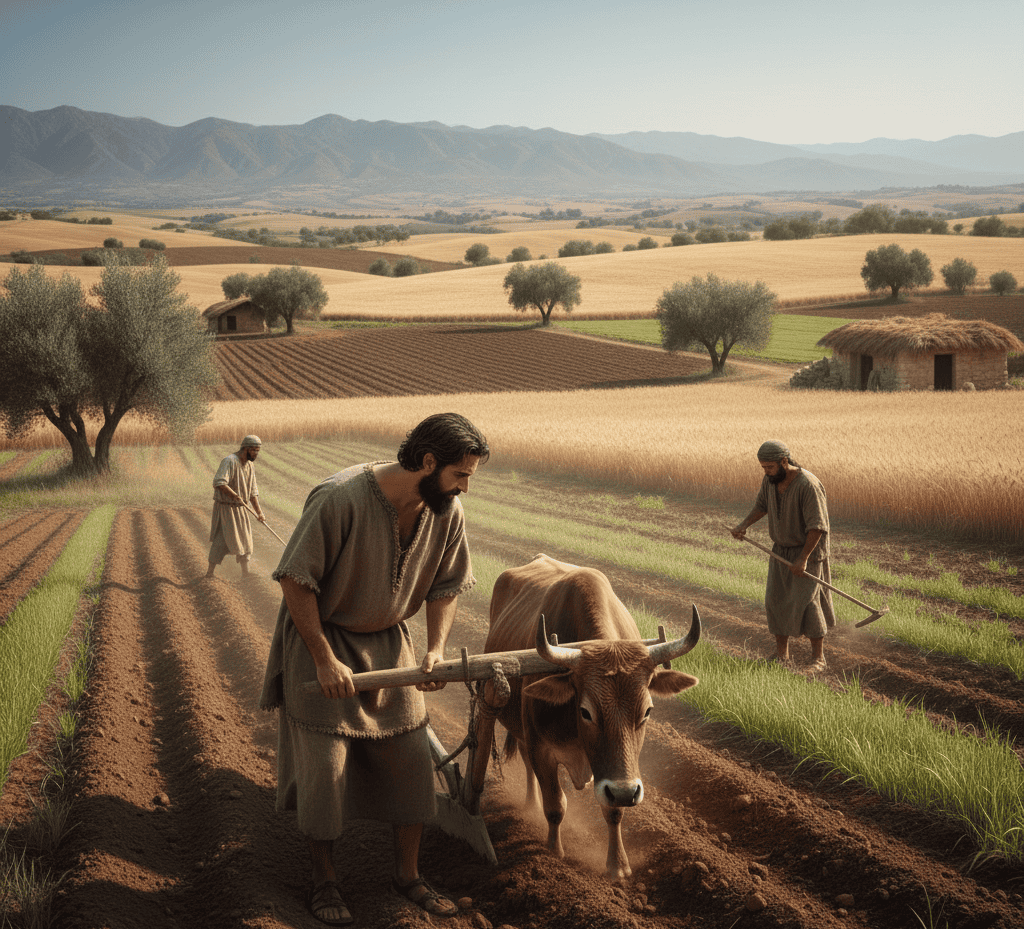
Bartholomew, sometimes identified with Nathanael, may have been a farmer or laborer.
Farming required physical endurance, patience, and long hours working with the land.
It also involved understanding seasons, weather, and crop management.
Farmers were closely connected to nature and the cycles of life, which may have influenced their spiritual perspective.
This background would have given Bartholomew resilience and an appreciation for diligence and humility.
His profession demonstrates that people rooted in simple, practical work were capable of joining a transformative spiritual mission.
6. Thomas – Possibly a Builder
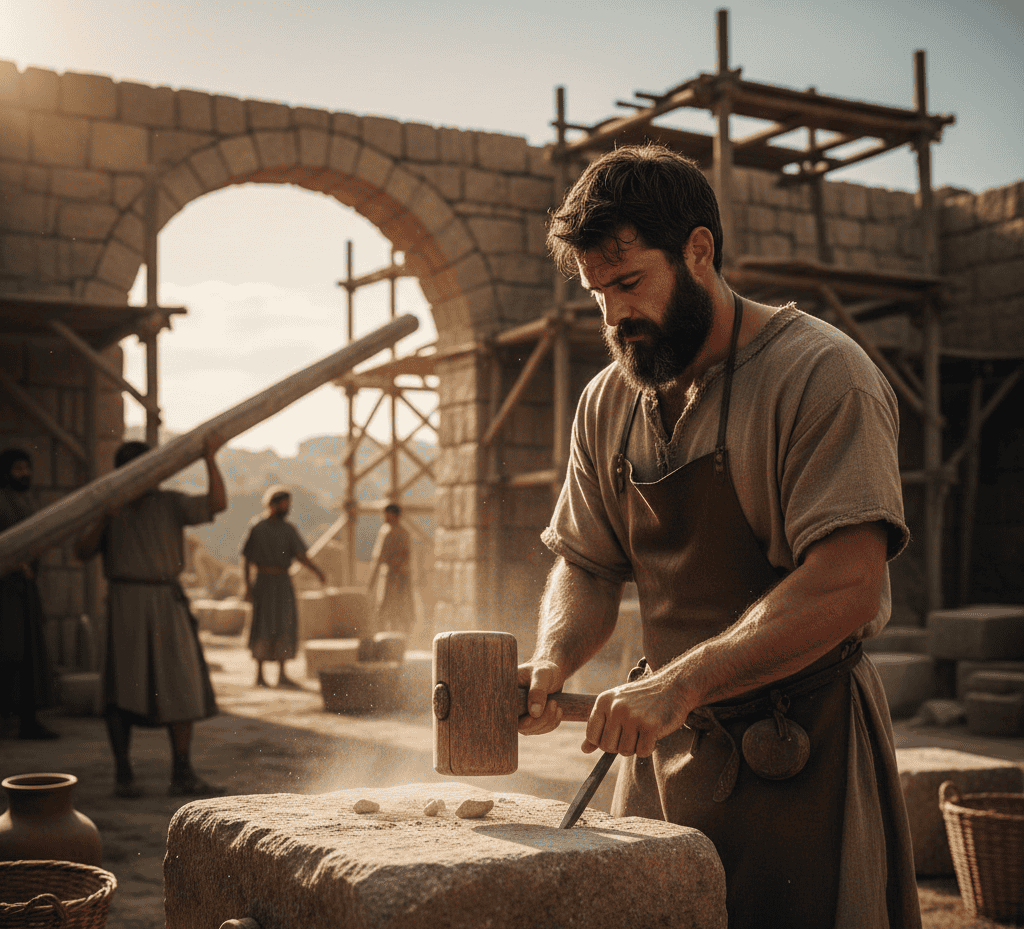
Thomas, also called Didymus, may have worked as a builder or craftsman. Construction work required skill, precision, and problem-solving, as well as physical strength.
Builders often worked in teams, learning cooperation and planning.
These skills likely helped Thomas approach challenges logically and contribute to collaborative efforts within the group of disciples.
His practical trade also illustrates that Jesus’ followers were not only teachers or spiritual leaders.
They brought hands-on experience and worldly knowledge that could support the mission in real and tangible ways.
7. Simon the Zealot – Revolutionary Background
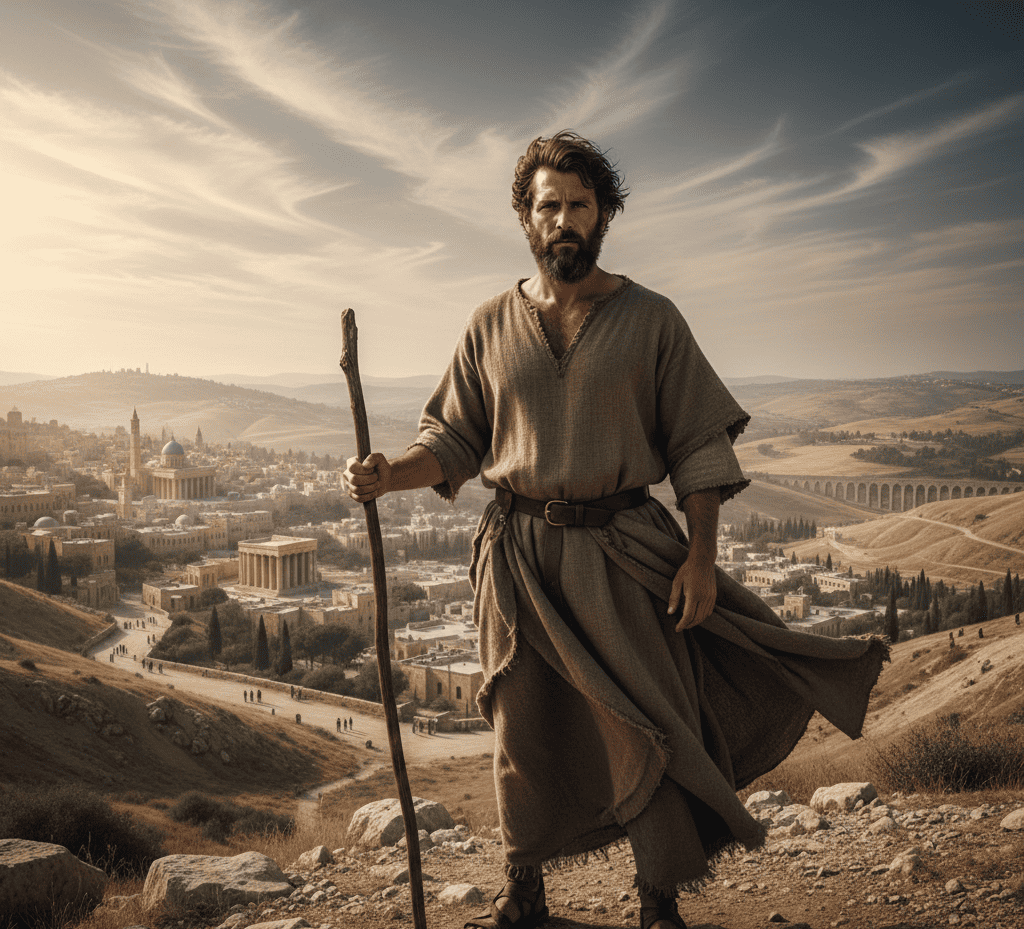
Simon was known as the Zealot, suggesting he may have been involved in a political or revolutionary movement.
Zealots were passionate about opposing Roman occupation and enforcing strict adherence to Jewish law.
This background implies he was committed, fearless, and deeply motivated by his beliefs.
Such a strong-willed and determined nature could have been redirected toward the teachings of Jesus.
His experience shows that disciples included people with fiery dedication and a willingness to take action, traits that could be applied to spreading a spiritual message rather than pursuing political rebellion.
8. James the Less – Possibly a Carpenter or Tradesman

James the Less, sometimes identified as the son of Alphaeus, may have worked in a skilled trade such as carpentry.
Carpentry required patience, attention to detail, and craftsmanship. These skills were highly practical and respected within the community.
As a tradesman, James would have been accustomed to physical labor and solving practical problems, traits useful for travel and ministry.
His humble profession emphasizes that Jesus’ disciples were ordinary people capable of extraordinary work, and that practical life skills could support spiritual endeavors.
9. Judas Iscariot – Treasurer
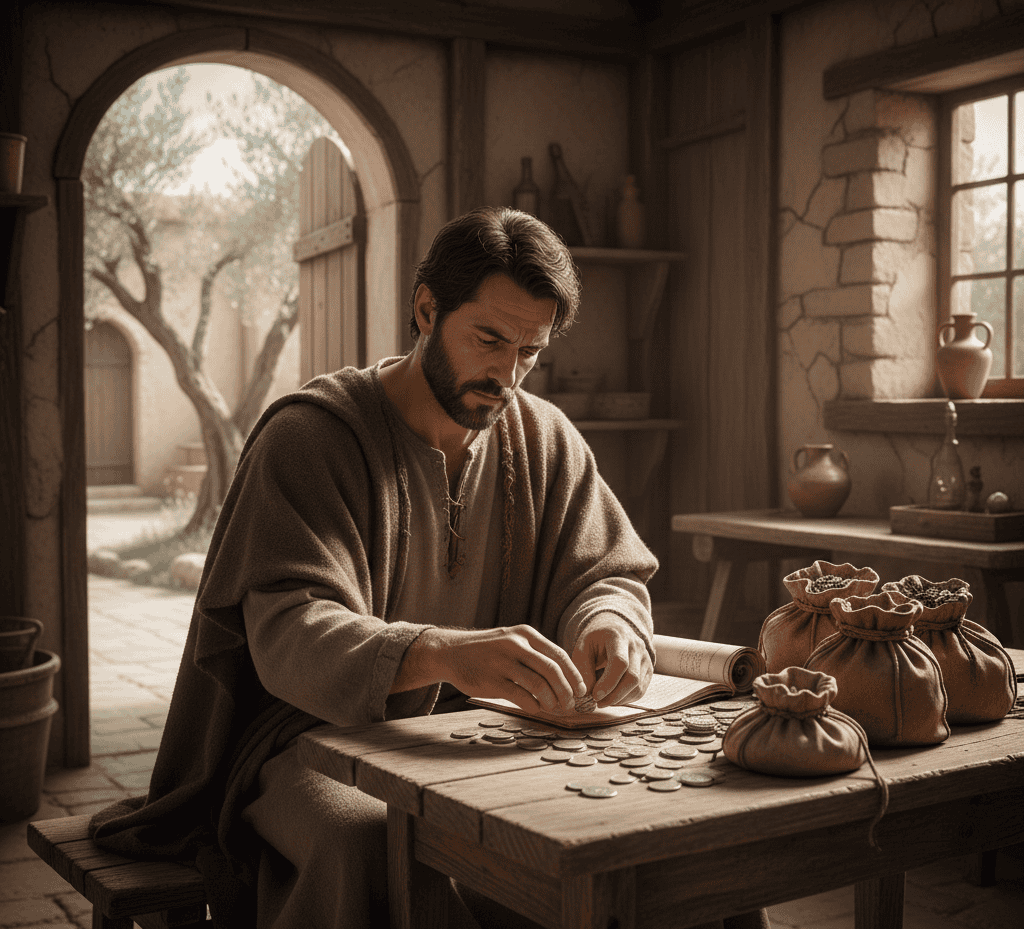
Judas Iscariot served as the group’s treasurer, responsible for handling money.
This role required trustworthiness, organization, and awareness of financial matters.
He would have kept track of resources and contributed to the practical needs of the disciples.
While history remembers him for his betrayal, his position shows that managing funds and material resources was an important aspect of their mission.
His role demonstrates that financial and administrative skills were essential for the early work of the disciples, even within a spiritual context.

Sempre senti uma forte ligação com o Divino desde o meu nascimento. Como autora e mentora, a minha missão é ajudar os outros a encontrar o amor, a felicidade e a força interior nos momentos mais sombrios.