

Ramesses II, often called Ramesses the Great, was one of the most powerful and famous rulers of ancient Egypt.
He ruled for more than sixty years during the height of the New Kingdom and left behind an enormous legacy of monuments, temples, and historical records.
Among the many remarkable details about his life, one of the most surprising is the size of his royal household.
Ramesses had a very large family and was known to have taken many wives and concubines, resulting in dozens of children.
His marriages were not only personal but also political, religious, and strategic.
These six facts explain how his many marriages are connected to power, diplomacy, and legacy.
1. His Marriages Were Political Alliances
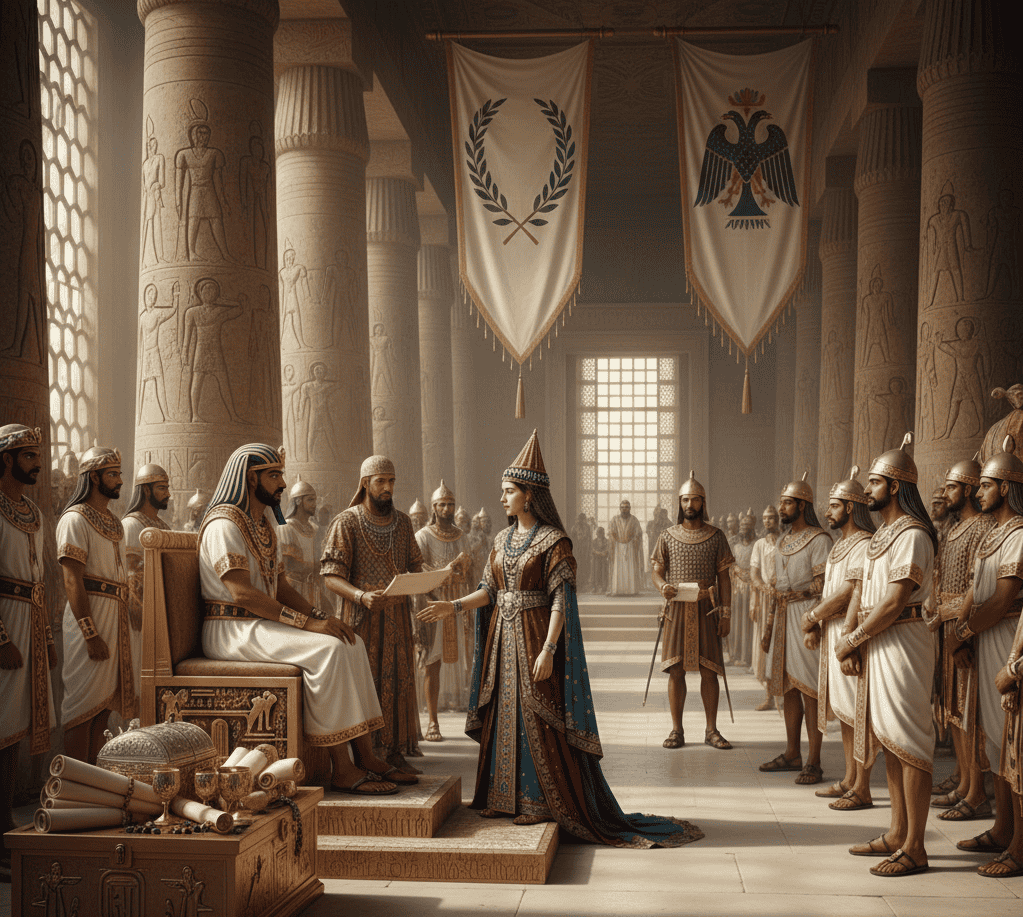
Ramesses II did not marry simply for love or tradition. His marriages were powerful political tools that helped him secure peace, loyalty, and influence across Egypt and neighboring regions.
By marrying daughters of nobles and foreign rulers, he strengthened alliances and reduced the chances of rebellion or conflict.
One of his most famous foreign marriages was to a Hittite princess after a peace treaty, which symbolized a new era of diplomacy between two former enemies.
His many wives were part of a carefully planned strategy that combined family, politics, and international relations into one powerful system of control and cooperation.
In addition to foreign alliances, Ramesses also married women from important Egyptian families to strengthen internal unity.
These marriages helped ensure that powerful nobles remained loyal to the throne and supported his long reign.
Royal marriages were often celebrated publicly, reinforcing the king’s image as a unifier of Egypt and protector of its stability.
Through these strategic unions, Ramesses created a network of loyalty that reached across social classes and borders.
His approach showed that marriage in ancient Egypt was not just personal, but a key tool of leadership and long-term political planning.
2. Nefertari Was His Great Royal Wife

Among Ramesses’ many wives, Nefertari held a special and honored place. She was known as his Great Royal Wife, a title reserved for the queen with the highest status.
Ramesses clearly loved and respected her deeply, as seen in the magnificent temple he built for her at Abu Simbel.
Her beauty, intelligence, and influence made her one of the most admired queens of ancient Egypt.
She often appeared beside the king in official artwork, showing her importance in royal life.
Their relationship seems to have been unusually affectionate for a royal marriage, highlighting a personal bond alongside political responsibility.
Historical records suggest she communicated with foreign queens and participated in international relations, helping maintain peaceful ties with other kingdoms.
Her tomb in the Valley of the Queens is one of the most beautifully decorated in Egypt, filled with vivid paintings that reflect her high status and spiritual importance.
Even after her death, Ramesses continued to honor her memory through monuments and inscriptions.
Her legacy shows that, despite his many marriages, some relationships carried deep emotional and symbolic meaning.
3. Many of His Wives Were His Own Daughters
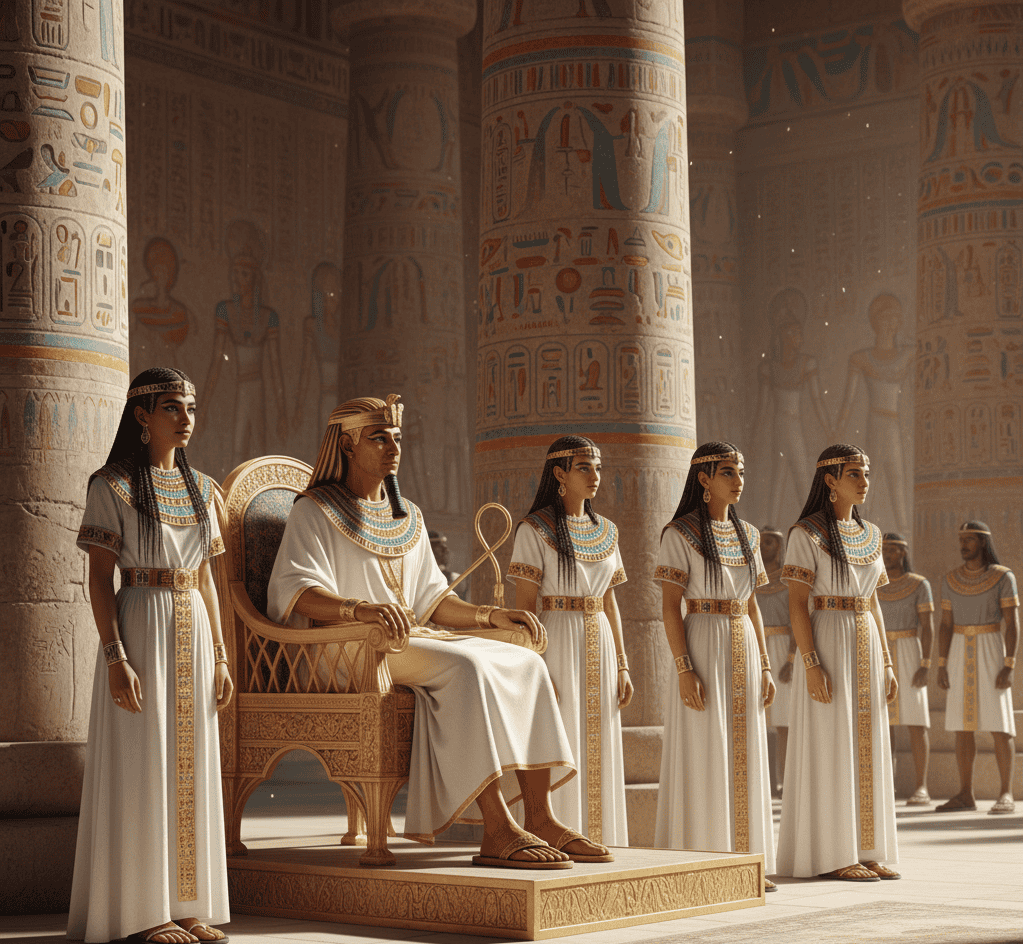
One of the most unusual aspects of Ramesses’ family life was his practice of marrying some of his own daughters.
While this may seem shocking today, it was not uncommon in Egyptian royal tradition.
Such marriages were meant to preserve the royal bloodline and strengthen the divine image of the pharaoh.
Kings were believed to be gods on earth, and keeping power within the family reinforced this sacred status.
These royal daughters were given important titles and lived within the palace, becoming part of the king’s extended household and ceremonial life.
These marriages were often symbolic rather than romantic or domestic.
The daughters who became wives typically continued to live in royal quarters and took part in religious or ceremonial duties rather than traditional family roles.
Their elevated status ensured they remained close to power and protected from political threats or rival marriages.
This practice reflected the unique social and religious expectations placed on Egyptian royalty.
It also demonstrated how the royal family functioned as both a household and a sacred institution designed to preserve authority and divine legitimacy.
4. He Had Over 100 Children
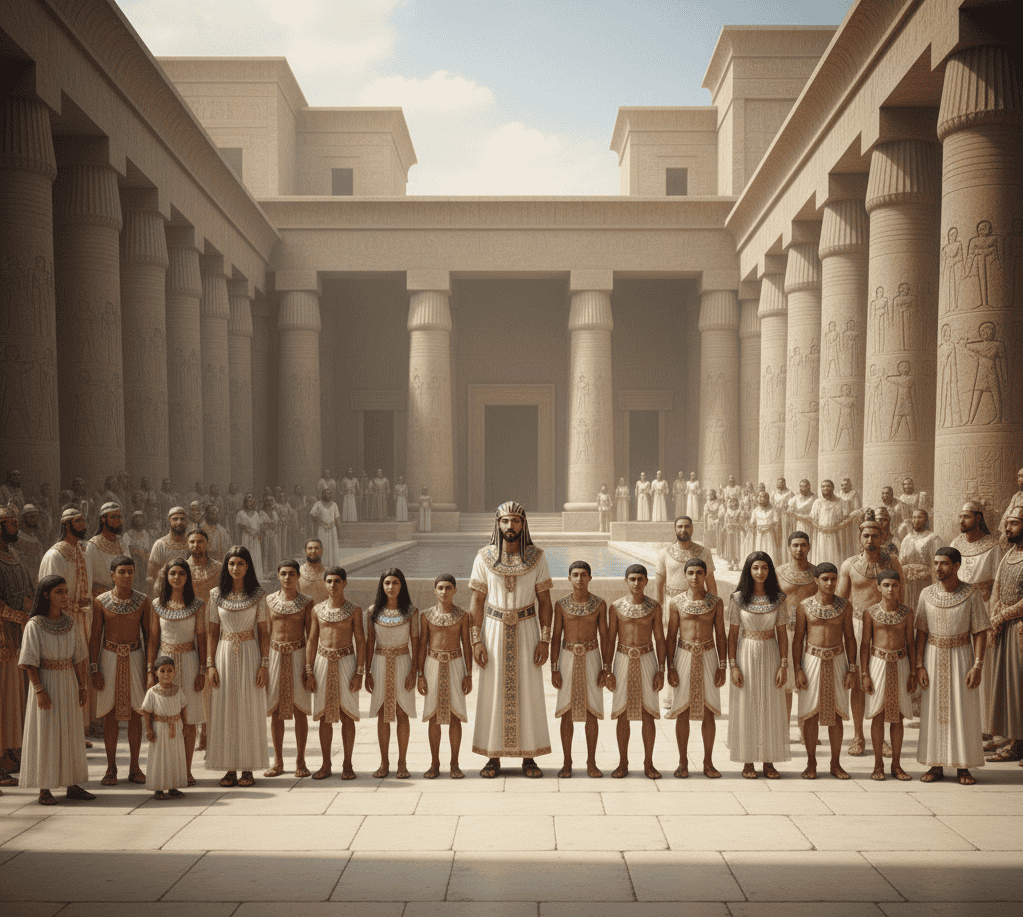
With so many wives, it is not surprising that Ramesses II fathered an enormous number of children.
Historical records suggest he had more than one hundred sons and daughters, making his family one of the largest in ancient history.
Many of his sons were trained for military or administrative roles, preparing them to help govern Egypt’s vast territories.
Royal children often appeared in temple carvings and monuments, showing the strength and continuity of the royal line.
His large family helped ensure that the dynasty would continue even if illness or conflict claimed potential heirs.
Managing such a large royal household required careful organization and planning. Each wife and her children lived in separate quarters, with their own staff and resources.
Education, training, and religious instruction were provided to prepare the children for their future responsibilities.
Several of his sons served as generals or officials, supporting their father’s long reign. However, because Ramesses lived into his nineties, many of his oldest sons died before him.
This meant the line of succession changed multiple times, reflecting both the benefits and challenges of such a vast royal family.
5. His Long Reign Made His Family Even Larger
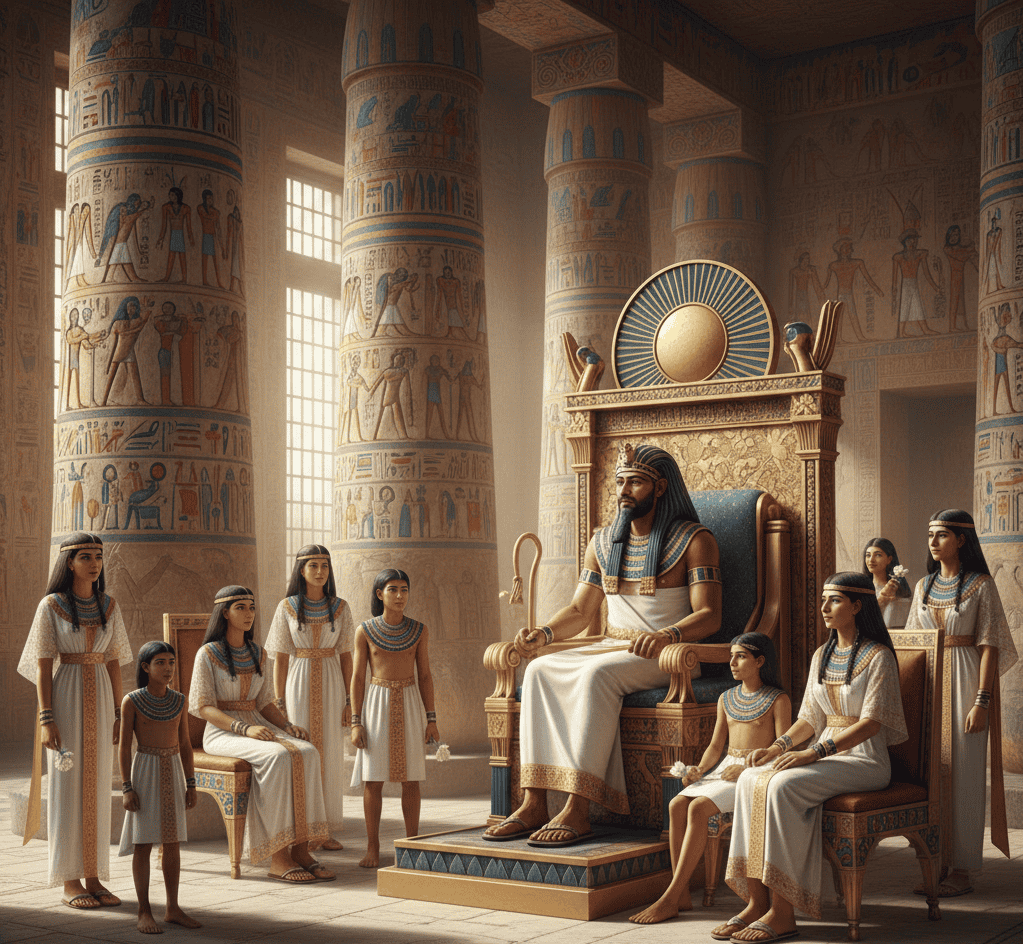
Ramesses II ruled Egypt for an extraordinary sixty-six years, one of the longest reigns in ancient history.
This extended period allowed his family to grow across several generations while he was still alive.
By the later years of his rule, he was not only a father but also a grandfather and great grandfather.
His long life meant that multiple heirs had time to be trained and serve in government or military roles.
The stability of his reign allowed this enormous family network to function as a support system for the administration of Egypt.
Over time, however, the size of his family created challenges in determining succession and managing royal responsibilities.
Several crown princes died before the king, forcing new heirs to be chosen later in his life.
Despite these difficulties, the large royal lineage helped maintain continuity and reduced the risk of a power vacuum after his death.
His long reign allowed Egypt to experience decades of stability, and his extended family became a symbol of strength, prosperity, and lasting royal authority.
6. His Family Was Part of His Public Image
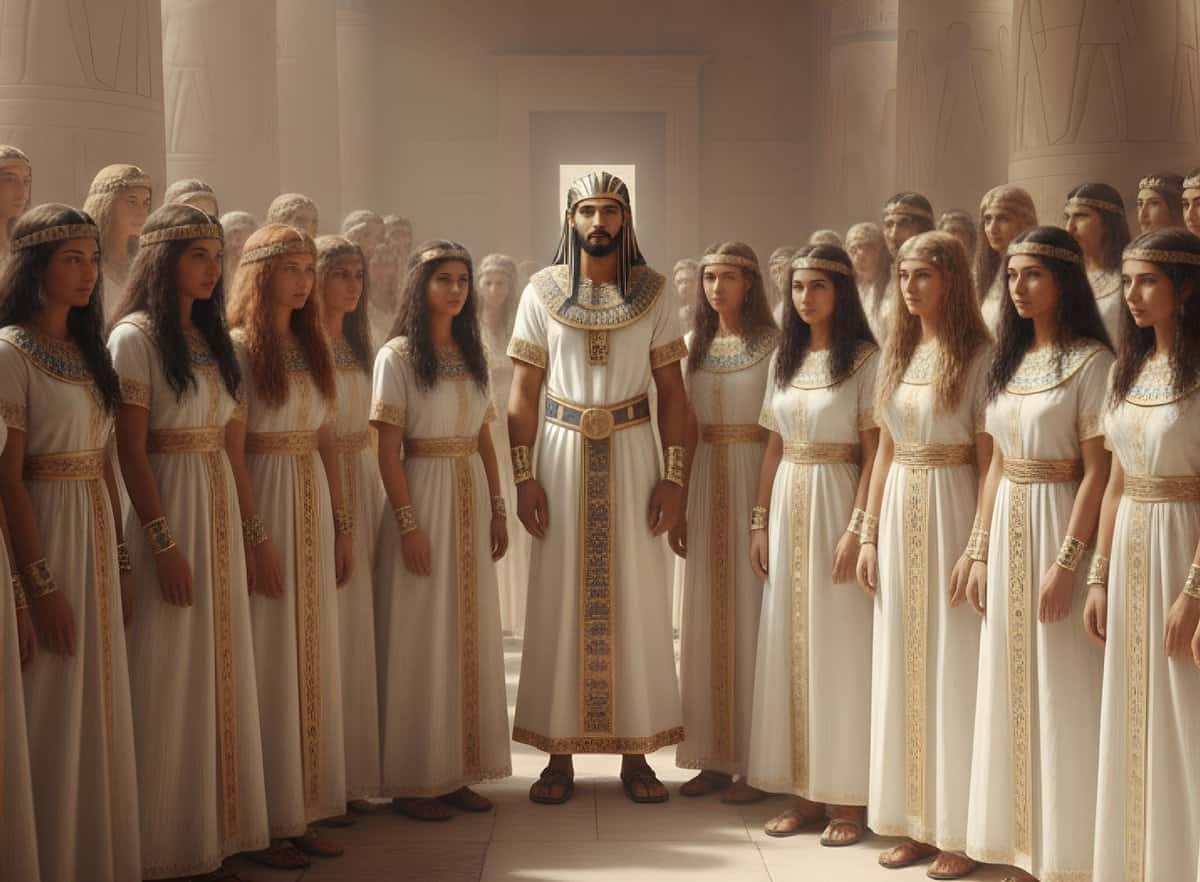
Ramesses II understood the power of image and propaganda, and his large family played a key role in how he presented himself to the people.
Temple walls and monuments often showed him surrounded by his wives and children, emphasizing fertility, strength, and divine favor.
These scenes communicated that the gods had blessed his reign with prosperity and abundance.
A large royal family reassured the population that the future of Egypt was secure and that the dynasty would continue for generations.
Public depictions of his family also reinforced the idea of the pharaoh as the father of the nation.
By presenting himself as a strong patriarch, Ramesses connected his personal household to the stability of the entire kingdom.
His wives and children appeared in religious ceremonies and festivals, strengthening the link between royal authority and divine approval.
Through art, architecture, and public display, his enormous family became part of a carefully crafted legacy designed to inspire loyalty and admiration long after his reign ended.

Sempre senti uma forte ligação com o Divino desde o meu nascimento. Como autora e mentora, a minha missão é ajudar os outros a encontrar o amor, a felicidade e a força interior nos momentos mais sombrios.