

Greek mythology is full of stories about gods, mortals, and heroes, but some figures stand out for their irresistible charm and ability to seduce many people.
These lovers used beauty, wit, magic, or sheer charisma to win hearts, manipulate desire, or create chaos.
Their stories often mix passion with danger, showing how love and lust could lead to both pleasure and tragedy.
From gods who pursued mortals to mortals whose attractiveness caused trouble, these myths reveal the power of attraction in the ancient world.
Their exploits influenced stories about betrayal, adventure, and divine punishment. Here are ten famous Greek lovers who seduced many people and left a lasting mark on mythology.
1. Aphrodite

Aphrodite, the goddess of love and beauty, was known for her unmatched ability to seduce gods and mortals alike.
She could inspire passion, manipulate desire, and create chaos with a single glance. Married to Hephaestus, she frequently had affairs, most famously with Ares, the god of war.
Her influence extended across Olympus and the mortal world, often triggering conflicts or wars because of the desires she stirred.
Mortals prayed to her for love, and gods feared or admired her power. Aphrodite represents not just beauty, but the irresistible and sometimes dangerous force of attraction.
Her seductions shaped numerous myths and remind us of love’s power to control even the mightiest beings.
2. Zeus

Zeus, the king of the gods, is infamous for his many affairs with goddesses, nymphs, and mortal women. His charm, divine power, and ability to change forms made him nearly irresistible.
Some of his most famous seductions include Leda, Europa, and Danaë, often involving transformations like turning into a swan, bull, or shower of gold.
These liaisons produced heroes such as Helen of Troy and Perseus. Zeus’ seductions often caused jealousy, revenge, or chaos, showing how divine desire could affect both gods and mortals.
His story illustrates the consequences of power combined with irresistible allure, and how charm and authority can sway even the most cautious.
3. Paris of Troy
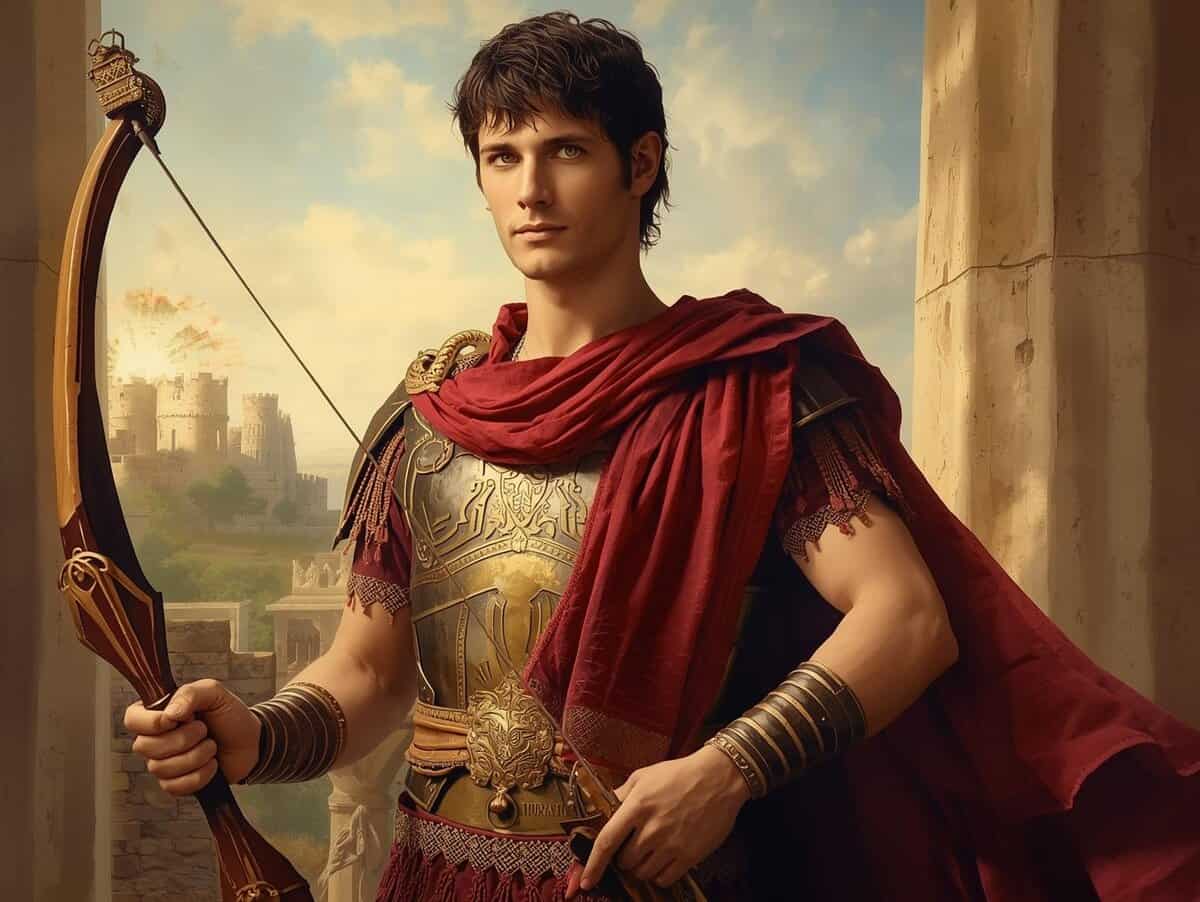
Paris, the prince of Troy, used charm and cunning to seduce many women, though most famously Helen, whose abduction sparked the Trojan War.
He was handsome, confident, and skilled in persuasion, often using flattery and appeal to desire to achieve his goals.
Paris’s seductions were sometimes selfish, driven by passion and ambition rather than love. His actions illustrate how attraction could lead to personal gain but also create enormous conflict.
While Paris was celebrated for his beauty, his stories show the dangers of seduction when combined with recklessness. His life reflects how desire could change the course of history in mythology.
4. Helen of Troy
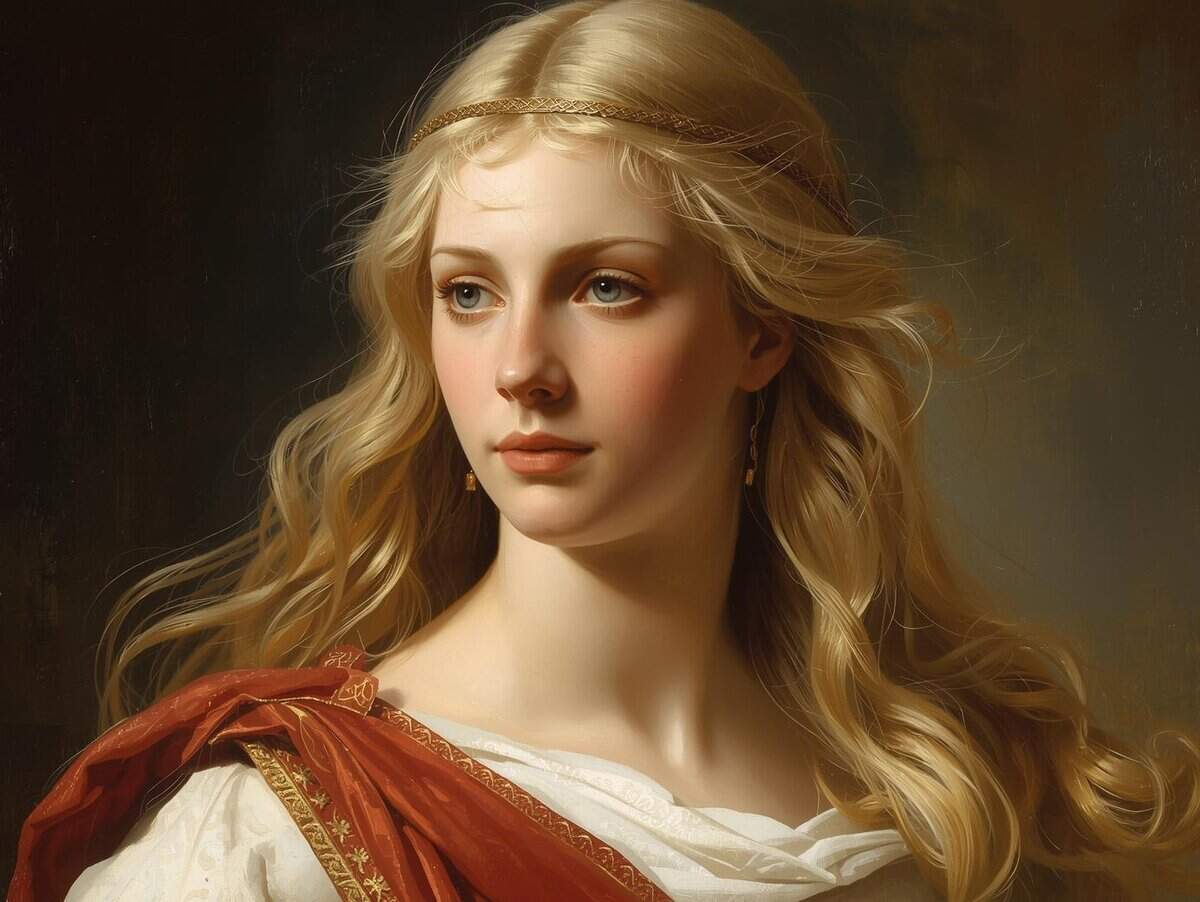
Helen, often called the most beautiful woman in the world, seduced men from all over Greece before the Trojan War.
Her beauty and allure were legendary, causing countless suitors to compete for her hand. Many myths suggest that gods, like Aphrodite, influenced her relationships, making her irresistible.
Helen’s seductions led to both admiration and disaster, including the decade-long war that destroyed Troy.
Her story demonstrates the dangerous power of beauty and attraction, showing how even a single person could ignite passion, jealousy, and violence.
Helen remains a symbol of irresistible charm and the double-edged consequences of seduction.
5. Circe

Circe, the sorceress of Aeaea, was famous for seducing many men, often transforming them into animals when they displeased her.
She used magic, beauty, and cunning to control and captivate her lovers. Her most famous encounter was with Odysseus, whom she eventually aided after initially attempting to trap him.
Circe’s seductive power was a mix of danger and charm, showing that attraction could be both enchanting and perilous.
Many sailors fell under her spell, illustrating how myth explored the seductive power of cunning women and the risks of desire.
Circe remains a legendary example of charm combined with supernatural influence.
6. Adonis

Adonis, a mortal of extraordinary beauty, seduced both goddesses and mortals. Aphrodite fell deeply in love with him, and his allure was irresistible to anyone who saw him.
His charm caused rivalry and jealousy among the gods, showing how physical beauty could create intense desire and conflict.
Adonis’ story ends tragically with his death by a wild boar, symbolizing the dangers of attraction and the fleeting nature of beauty.
His seductive power made him a symbol of desire, youth, and the consequences of overwhelming charm.
Adonis illustrates how myth often combined beauty with tragedy to teach lessons about desire.
7. Hermes

Hermes, the messenger god, was charming, clever, and irresistible, using wit and charisma to seduce nymphs, goddesses, and mortals.
Known for his speed and cunning, he often won lovers through persuasion rather than force. Hermes fathered many children with mortals and divine beings alike.
His seductive skills were legendary, making him a symbol of both romance and trickery.
His charm helped him navigate conflicts and achieve personal goals, showing that intelligence and allure could be just as powerful as strength or beauty.
Hermes’ stories reveal the playful and persuasive side of seduction in mythology.
8. Leda

Leda, a mortal queen, was famously seduced by Zeus, who took the form of a swan. Their union produced several children, including Helen of Troy and the Dioscuri twins, Castor and Pollux.
Leda’s story highlights how seduction in mythology often involved divine intervention and transformation.
Her beauty and grace attracted Zeus, and her offspring shaped major myths and wars.
The tale reflects the power of attraction, the mixing of mortal and divine bloodlines, and the lasting consequences of seduction.
Leda remains an iconic figure for her role in both beauty and mythological intrigue.
9. Medea

Medea, the sorceress and princess of Colchis, used her charm and magical skills to seduce Jason, leader of the Argonauts.
She helped him obtain the Golden Fleece and betrayed her own family to support him.
Medea’s seduction was both emotional and strategic, demonstrating that attraction could be used to manipulate, assist, or betray.
Her story also ends tragically, showing that love and seduction in mythology could be dangerous, unpredictable, and morally complex.
Medea embodies the power of charm, magic, and intellect combined, illustrating how seduction could shape destinies and alter the course of legendary adventures.
10. Calypso

Calypso, the nymph on the island of Ogygia, seduced Odysseus during his journey home from Troy.
Her beauty, charm, and immortality made her irresistible, and she held Odysseus on her island for seven years.
Calypso offered him immortality if he stayed, but he longed to return to his mortal wife, Penelope. Her seduction shows the tension between desire and duty, pleasure and loyalty.
Calypso represents the seductive allure of temptation, demonstrating how charm and beauty could trap even heroes. Her story remains a classic example of irresistible attraction in Greek mythology.

Sempre senti uma forte ligação com o Divino desde o meu nascimento. Como autora e mentora, a minha missão é ajudar os outros a encontrar o amor, a felicidade e a força interior nos momentos mais sombrios.