
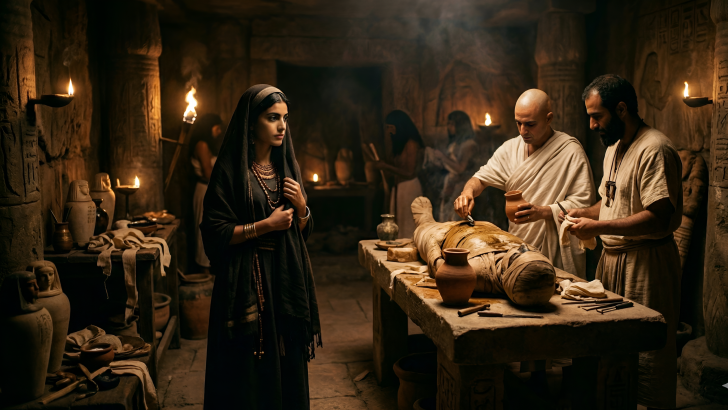
Mummification is one of the most fascinating practices from ancient history, especially in Ancient Egypt.
It was a careful process used to preserve the body after death so the soul could continue its journey in the afterlife.
Egyptians believed that the body needed to remain whole for the spirit to return and recognize it. Because of this belief, they developed detailed methods to prevent decay.
The process could take many days and involved skilled workers, special tools, and sacred rituals. Priests often guided the process, combining science and religion.
Over time, mummification became more advanced, showing how important it was in Egyptian culture.
Even today, scientists study mummies to learn about health, diet, and life in the ancient world. Here are seven secrets of mummification explained in simple and clear terms.
1. The Brain Was Removed Through the Nose
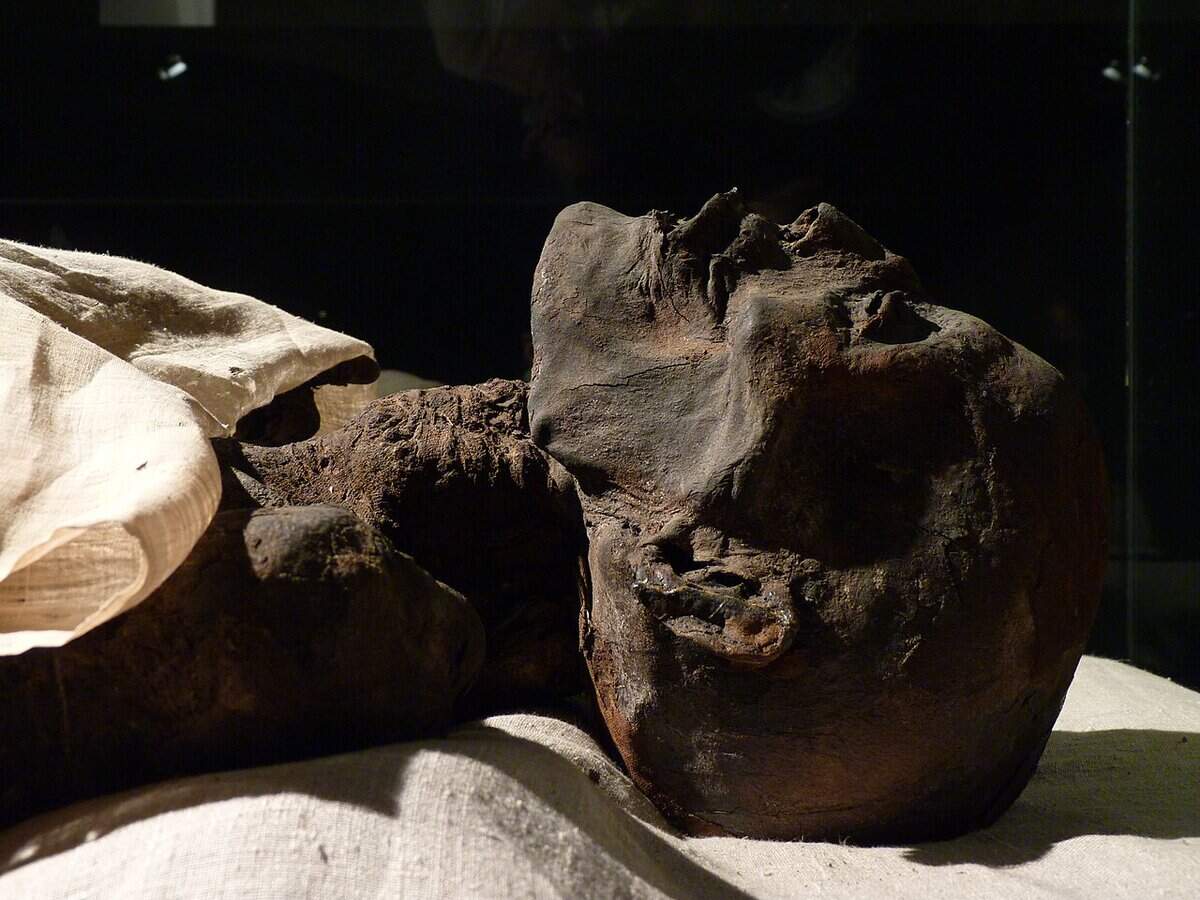
One of the most surprising parts of mummification is how the brain was removed.
Ancient embalmers believed the brain was not very important, so they carefully took it out to prevent decay.
They used a long metal hook, inserting it through the nose to break the brain into small pieces. Then they pulled it out bit by bit.
This method may sound strange today, but it was effective for their purpose. The empty skull was sometimes rinsed with special liquids to clean it.
This step helped slow down decomposition and prepare the body for the next stages. Even though it seems unusual, it shows how skilled and precise the embalmers were.
They understood that removing soft tissue helped preserve the body much longer. This technique is one of the most well-known and fascinating secrets of mummification.
2. Internal Organs Were Carefully Removed
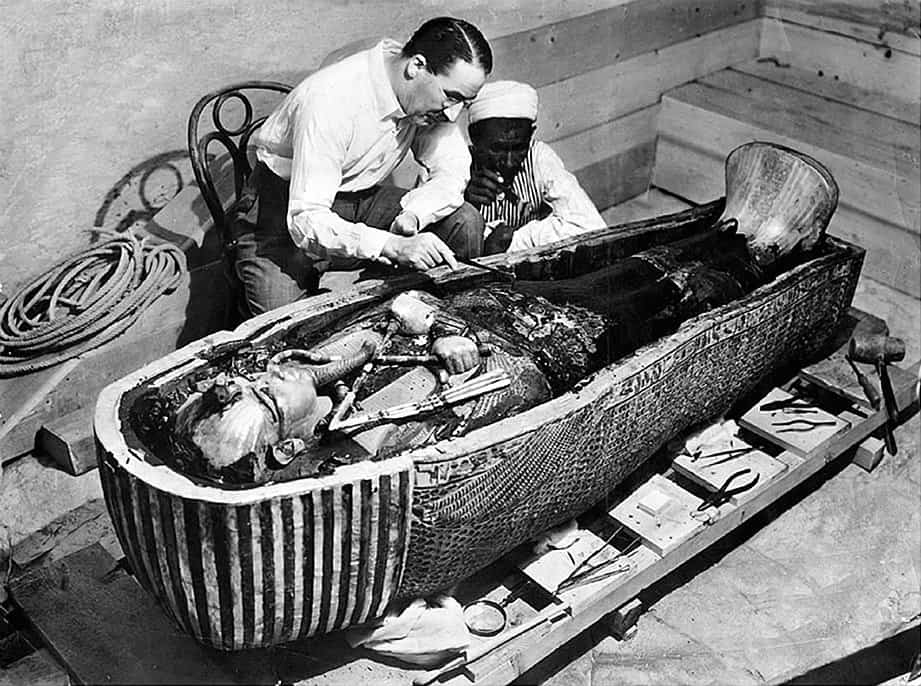
After removing the brain, embalmers focused on the internal organs. They made a small cut on the side of the body and took out organs like the lungs, liver, stomach, and intestines.
These organs were important, so they were preserved separately in special containers called canopic jars.
Each jar was protected by a different god and had a specific purpose. The heart, however, was usually left inside the body because it was believed to be the center of thought and emotion.
Egyptians thought the heart would be judged in the afterlife. Removing most organs helped prevent decay, since these parts break down quickly.
This step shows how the Egyptians combined spiritual beliefs with practical knowledge. By preserving the organs and the body, they hoped to ensure a safe journey into the next world.
3. The Body Was Dried Using Salt
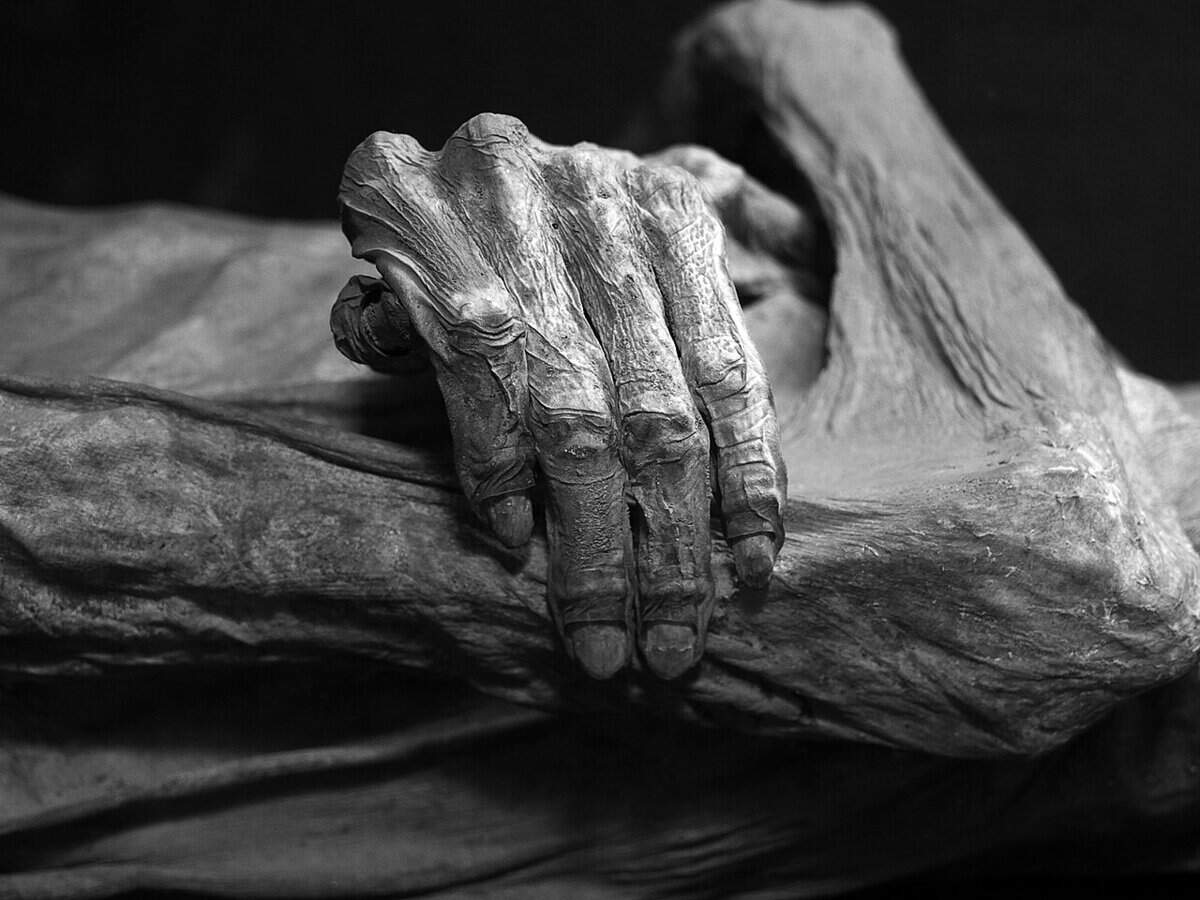
Drying the body was one of the most important steps in mummification. Embalmers used a natural salt called natron to remove all moisture from the body.
The body was covered and filled with this salt for about forty days. This process dried out the skin and tissues, stopping bacteria from growing.
Without moisture, the body could not decay easily. After this period, the body looked much thinner and lighter.
This step required patience and careful timing. If done incorrectly, the body could be damaged or not preserved properly.
The use of natron shows how advanced the Egyptians were in understanding preservation.
Drying the body completely was key to making mummification successful. It is one of the main reasons why many mummies have survived for thousands of years.
4. The Body Was Filled and Shaped
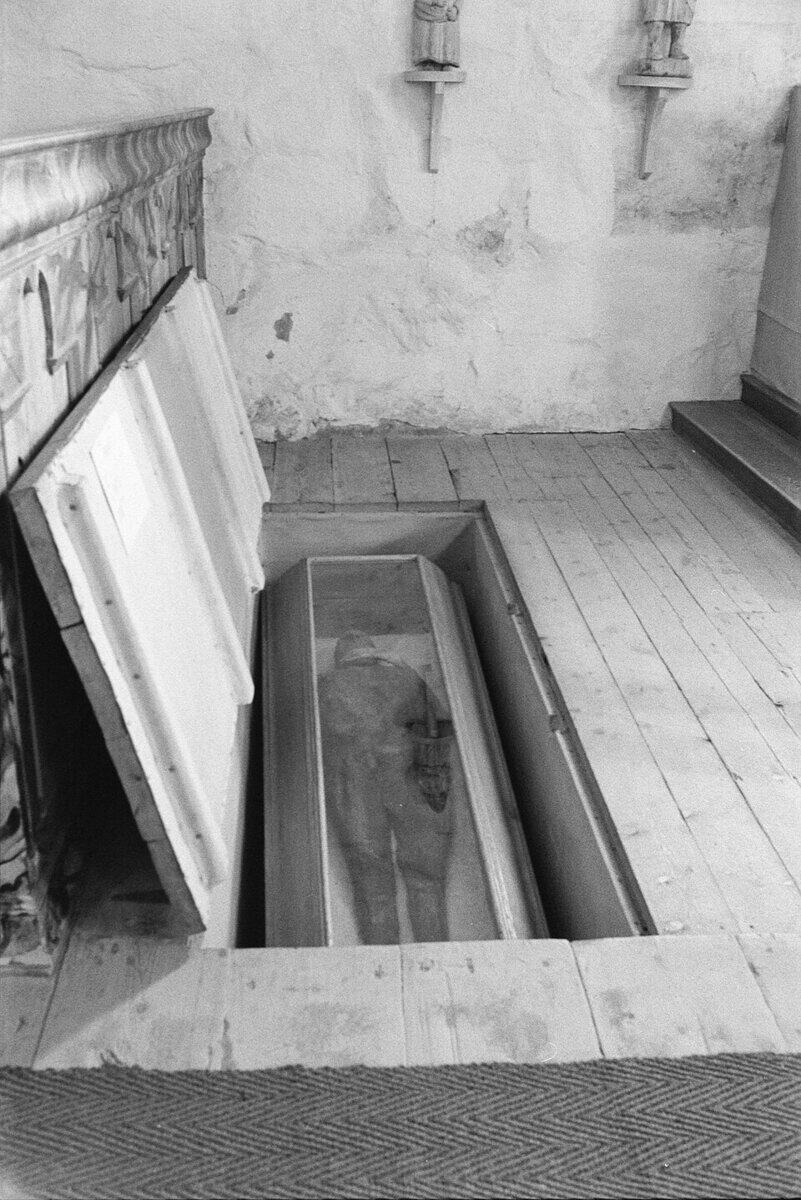
Once the body was dried, it did not look natural anymore. To fix this, embalmers filled the body with materials like linen, sand, or sawdust.
This helped restore its shape and make it look more like a living person. Sometimes they also added oils and resins to keep the skin soft and prevent cracking.
This step was important because appearance mattered in the afterlife. The Egyptians believed the soul needed to recognize the body.
By reshaping it, they made sure it looked complete and whole. This process required skill and attention to detail.
It shows that mummification was not only about preservation but also about respect and belief.
The care taken in shaping the body reflects how seriously the Egyptians viewed life after death.
5. Wrapping the Body Took Great Care
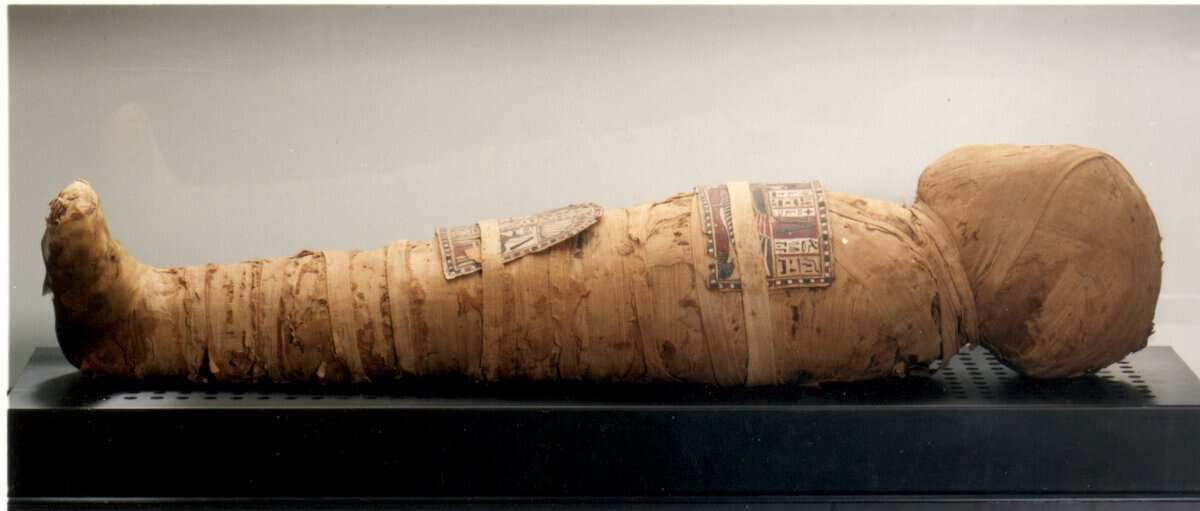
Wrapping the body was one of the longest and most detailed steps. Embalmers used many layers of linen strips to cover the entire body.
Each layer was carefully placed, and sometimes small amulets were added between the wrappings for protection.
These amulets were believed to help the person in the afterlife. The wrapping process could take several days, depending on the importance of the individual.
Resin was often used to glue the layers together and keep everything in place. The final result was a tightly wrapped body that was well protected from air and moisture.
This step combined both practical and spiritual elements. The wrappings acted as a barrier against decay, while the amulets provided safety and guidance.
6. Special Masks Were Placed on the Face
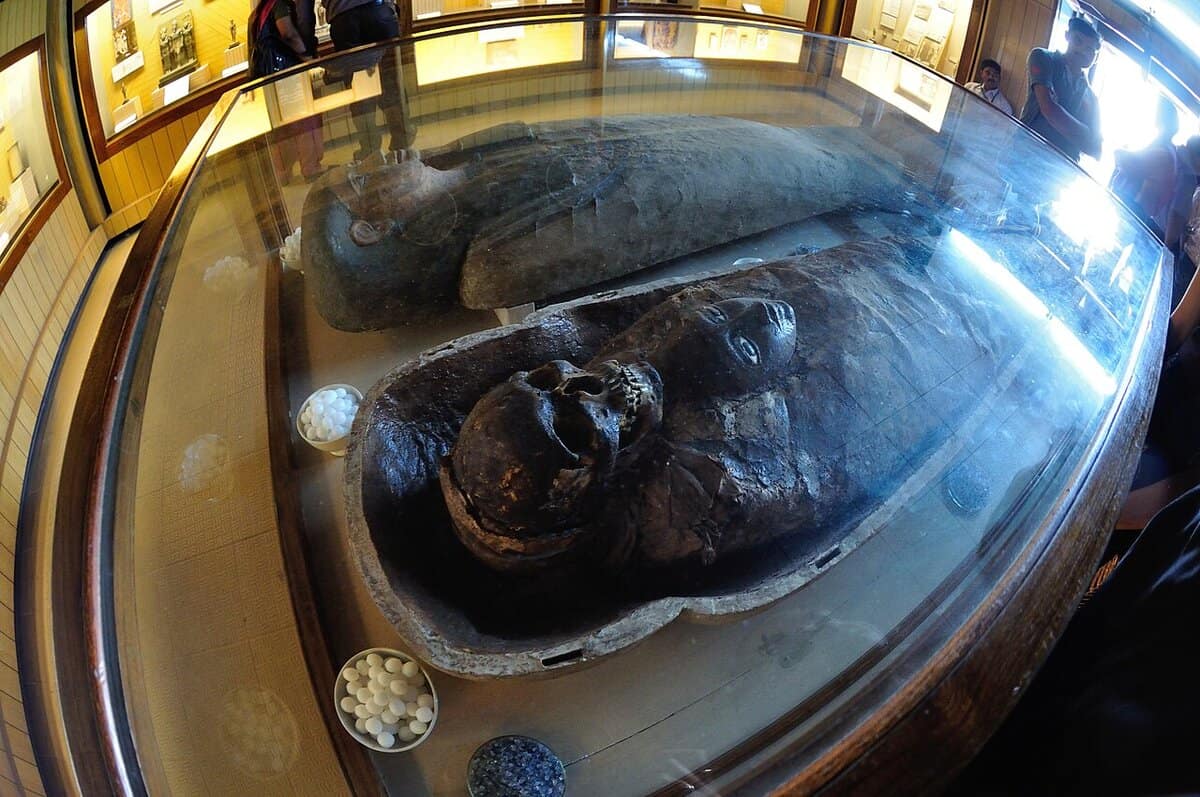
Many mummies were given masks to cover their faces. These masks were often made from materials like gold, wood, or cartonnage, depending on the person’s status.
The mask was designed to look like the individual, helping the soul recognize the body. For wealthy or important people, the masks could be very detailed and beautiful.
They sometimes included symbols of protection and power. The mask also served as a final layer of protection for the face.
It helped preserve the features and added to the dignity of the person. This practice shows how much importance was placed on identity in the afterlife.
The mask was not just a decoration. It was a meaningful part of the journey beyond death.
7. The Process Was Deeply Religious
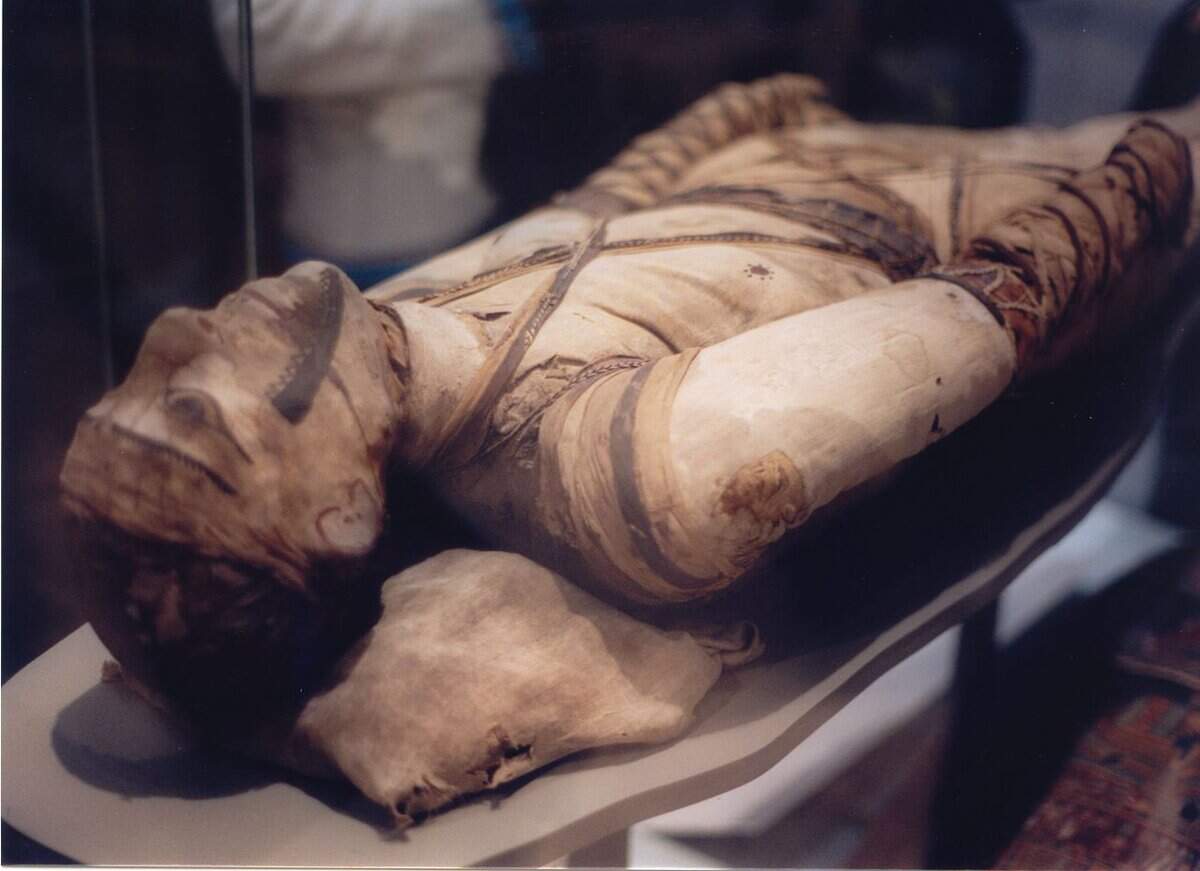
Mummification was not just a physical process. It was deeply connected to religion and belief.
Priests performed rituals and prayers at different stages to guide the soul safely to the afterlife.
One important ceremony was the “Opening of the Mouth,” which was believed to restore the senses of the dead.
Egyptians believed that life continued after death, and the body needed to be ready for that journey. Every step of mummification had both a practical and spiritual purpose.
This connection between science and religion made the process unique. It shows how strongly the Egyptians believed in the afterlife and the importance of preparing for it.
Mummification was not just about preserving the body but about ensuring eternal life.

Sempre senti uma forte ligação com o Divino desde o meu nascimento. Como autora e mentora, a minha missão é ajudar os outros a encontrar o amor, a felicidade e a força interior nos momentos mais sombrios.