

Conspiracy theories usually live somewhere between “fun late-night rabbit hole” and “please log off and go outside.” But every once in a while, history pulls a plot twist and goes, “Actually… that one? Real.”
Yes, some ideas that were once dismissed as paranoid nonsense later turned out to be disturbingly accurate. Governments lied, corporations schemed, and entire operations were hidden in plain sight. The lesson? Not every conspiracy theory is true—but enough of them have been that it’s made everyone just a little more suspicious of official narratives.
Here are 10 conspiracy theories that went from “that sounds crazy” to “oh… that actually happened.”
1. MK-Ultra – The CIA’s Mind Control Experiments
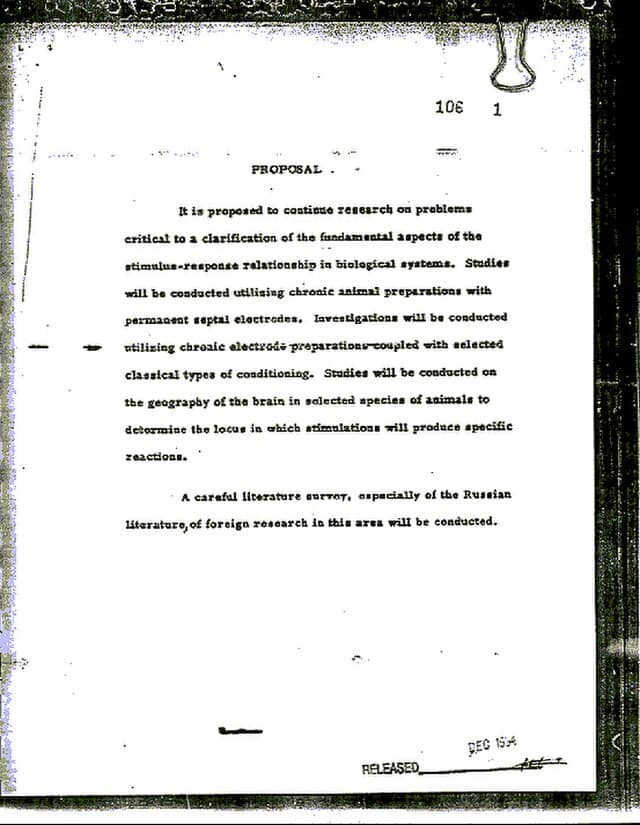
For years, people whispered that the Central Intelligence Agency was experimenting with mind control. Most assumed it was science fiction—or at best, wildly exaggerated.
Turns out… it was real.
Project MK-Ultra, officially confirmed in the 1970s, involved secret experiments on human subjects, often without their consent. These included administering drugs like LSD, psychological torture, and attempts to manipulate behavior and memory.
The goal? To develop techniques for interrogation and control during the Cold War. Ethical guidelines? Practically nonexistent.
Many records were destroyed, so the full extent of the program is still unknown. Which somehow makes it even worse. What was once dismissed as paranoid fantasy is now a documented chapter of history—and a reminder that sometimes, the truth is way darker than the theory.
2. The Tuskegee Syphilis Study
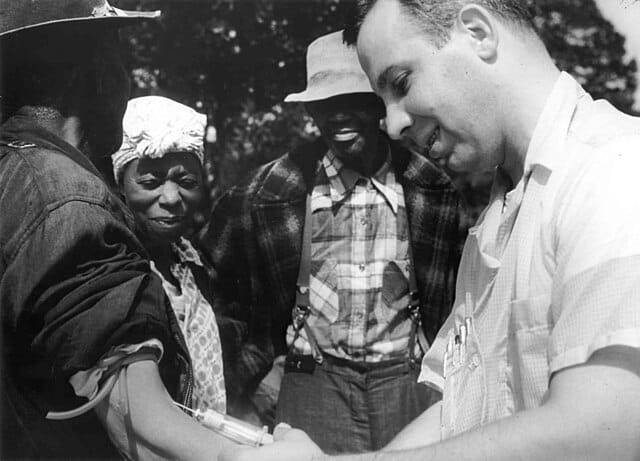
The idea that doctors would deliberately withhold treatment from patients sounded unthinkable. Unfortunately, reality disagreed.
From 1932 to 1972, the U.S. Public Health Service conducted a study on Black men in Tuskegee who had syphilis. The participants were told they were receiving medical care—but were actually left untreated, even after penicillin became widely available.
The purpose was to observe the natural progression of the disease. Yes, really.
When the truth came out, it caused national outrage and permanently damaged trust in medical institutions. It’s one of the most disturbing examples of real-life ethical failure—and proof that skepticism isn’t always misplaced.
3. Operation Northwoods
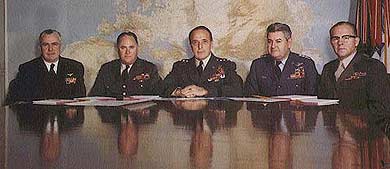
If someone told you the government once considered staging fake attacks to justify war, you’d probably raise an eyebrow. But in the early 1960s, that exact idea was proposed.
Operation Northwoods was a plan developed by U.S. military officials suggesting false-flag operations—including staged attacks on American targets—to create support for war against Cuba.
To be clear: the plan was never carried out. But it was very real—and approved at high levels before being rejected by President John F. Kennedy.
The fact that it was even considered is enough to make anyone side-eye history a little harder.
4. The Watergate Scandal
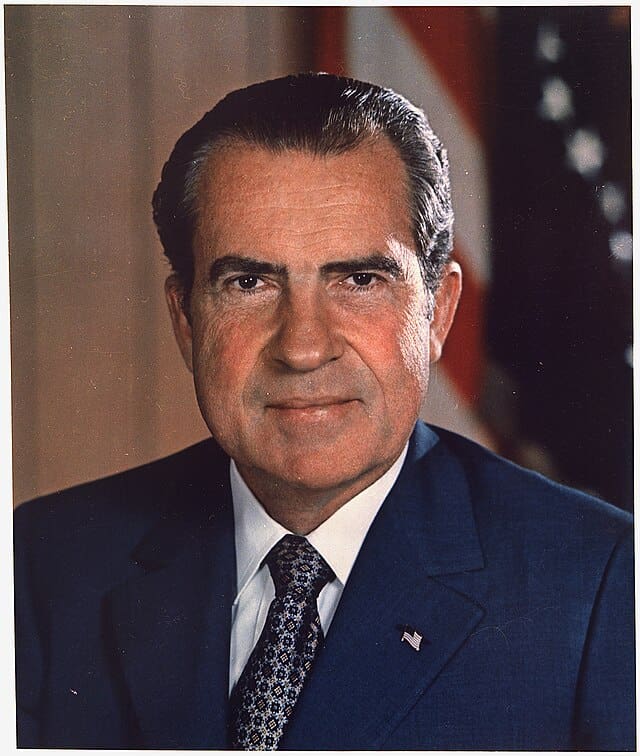
At first, it sounded like a minor political break-in. Then it turned into one of the biggest scandals in U.S. history.
The Watergate Scandal revealed that members of President Richard Nixon’s administration were involved in illegal activities, including spying on political opponents and attempting to cover it up.
What made it worse wasn’t just the crime—it was the lies, the obstruction, and the abuse of power.
The investigation eventually led to Nixon’s resignation, making him the only U.S. president to step down from office. What started as a “that sounds exaggerated” theory ended in a full-blown constitutional crisis.
5. COINTELPRO – Surveillance of Activists
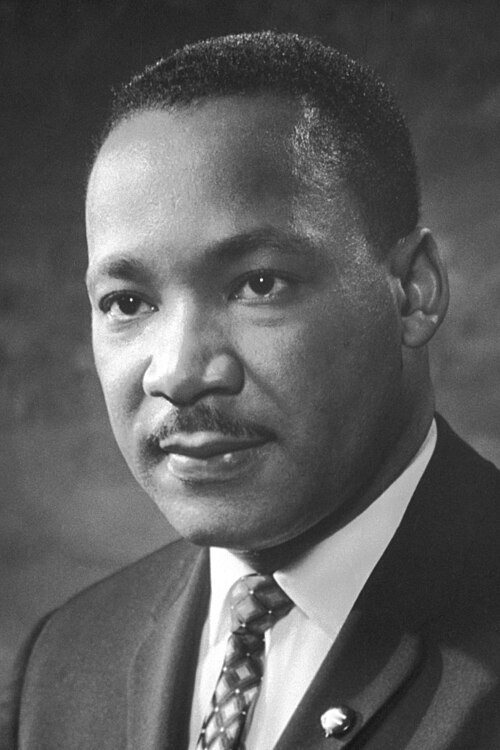
The idea that the government secretly monitored and disrupted activist groups once sounded like paranoia. Then the documents came out.
Federal Bureau of Investigation’s COINTELPRO program targeted civil rights leaders, political activists, and organizations deemed “subversive.” This included figures like Martin Luther King Jr..
Tactics ranged from surveillance to spreading misinformation and attempting to discredit individuals.
It wasn’t just about watching—it was about controlling narratives. And once exposed, it confirmed that some of the fears people had weren’t exaggerated… they were accurate.
6. The Gulf of Tonkin Incident

The Gulf of Tonkin Incident was used to justify increased U.S. involvement in the Vietnam War. At the time, it was reported as a clear attack on American ships.
But later investigations revealed that the second reported attack likely never happened—or was at least misrepresented.
This revelation raised serious questions about how information was used to influence public opinion and policy.
What was once accepted as fact turned out to be… not entirely accurate. And that changed how people viewed official war narratives moving forward.
7. Big Tobacco Knew Smoking Was Dangerous
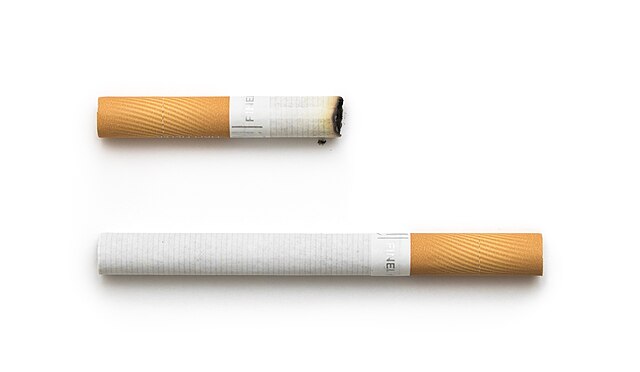
For decades, tobacco companies publicly downplayed the health risks of smoking. Privately? They knew exactly what they were doing.
Internal documents revealed that major companies were aware of the link between smoking and serious health issues—but chose to obscure or deny it to protect profits.
This wasn’t just misleading marketing—it was a coordinated effort to shape public perception.
When the truth came out, it led to lawsuits, regulations, and a massive shift in how corporations are held accountable.
Turns out, the real conspiracy wasn’t that smoking was harmless—it was that people were told it was.
8. The NSA’s Mass Surveillance Programs
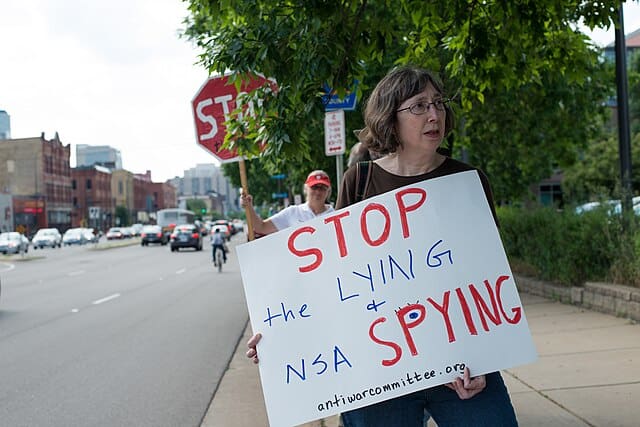
The idea that governments were monitoring massive amounts of digital communication sounded like dystopian fiction—until Edward Snowden proved otherwise.
In 2013, Snowden leaked classified information revealing that the National Security Agency was collecting vast amounts of data from phone calls, emails, and internet activity.
The scale of the surveillance shocked the world and sparked debates about privacy, security, and government overreach.
It confirmed what many suspected: that digital life isn’t nearly as private as we’d like to think.
9. The Iran-Contra Affair
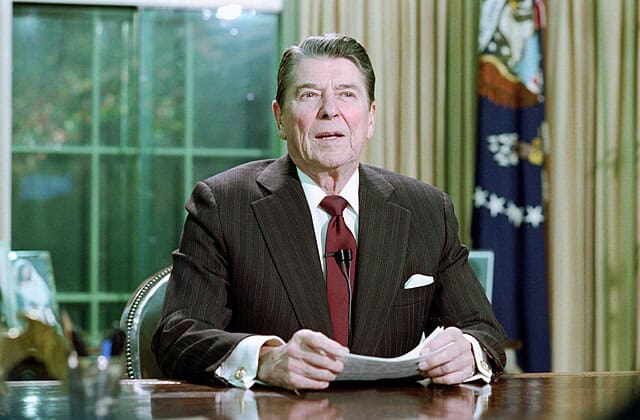
The Iran-Contra Affair sounds like a movie plot: secret arms deals, hidden funding, and political denial. But it was very real.
During the 1980s, officials in President Ronald Reagan’s administration secretly facilitated the sale of arms to Iran and used the proceeds to fund Contra rebels in Nicaragua—despite legal restrictions.
When the story broke, it caused a major political scandal and raised serious questions about transparency and accountability.
Another case where the truth turned out to be just as complicated—and questionable—as the theory.
10. Area 51 Exists (Just Not Like You Think)
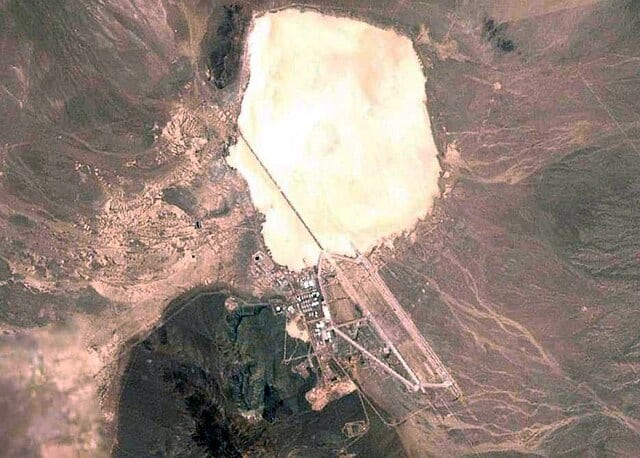
For years, Area 51 was the ultimate conspiracy hotspot—aliens, UFOs, secret experiments, you name it.
While the extraterrestrial claims remain unproven (sorry), the base itself is very real. The U.S. government officially acknowledged its existence in 2013.
Area 51 has been used for testing experimental aircraft and military technology, which explains the secrecy—and some of the strange sightings over the years.
So no, we don’t have confirmed aliens. But we fazer have a highly classified facility that was hidden in plain sight for decades. And honestly? That’s intriguing enough.

Lover of good music, reading, astrology and making memories with friends and spreading positive vibes! 🎶✨I aim to inspire others to find meaning and purpose through a deeper understanding of the universe’s energies.