

The Appalachian Mountains have a long history of folklore, herbal knowledge, and spiritual traditions.
For generations, people living in the region relied on plants found in forests, fields, and gardens.
Many herbs were valued for practical reasons, such as cooking and home remedies, while others became connected to luck, protection, prosperity, and spiritual beliefs.
These traditions blended influences from European settlers, local customs, and folk practices passed down through families.
Different communities often had their own beliefs about how certain plants could bring blessings or help keep away bad fortune.
Here are ten herbs that have often been linked to Appalachian folk magic.
1. Rosemary

Rosemary was one of the most respected herbs in Appalachian folk traditions.
People often associated it with protection, memory, and blessings.
Sprigs of rosemary were sometimes placed near doors or windows because they were believed to help keep negative influences away from the home.
The herb’s strong scent made it popular for many household uses as well.
Some families carried small pieces of rosemary for good luck or included it in special gatherings and celebrations.
Because rosemary stays green throughout much of the year, it also became a symbol of endurance and faithfulness.
Its connection to protection helped make it one of the most commonly mentioned herbs in Appalachian folklore.
2. Sage

Sage was widely valued for both practical and spiritual reasons.
People used it in cooking, but it was also connected to wisdom, cleansing, and good judgment.
In some traditions, sage was believed to help clear away unwanted energy and create a sense of peace.
The herb was often grown near homes because it was considered useful in many ways.
Families sometimes included sage in seasonal customs and household rituals.
Its long history of use helped it gain a reputation as a plant connected to wisdom and protection.
Because it was easy to grow and highly useful, sage became a familiar part of Appalachian gardens and folk practices.
3. Mint
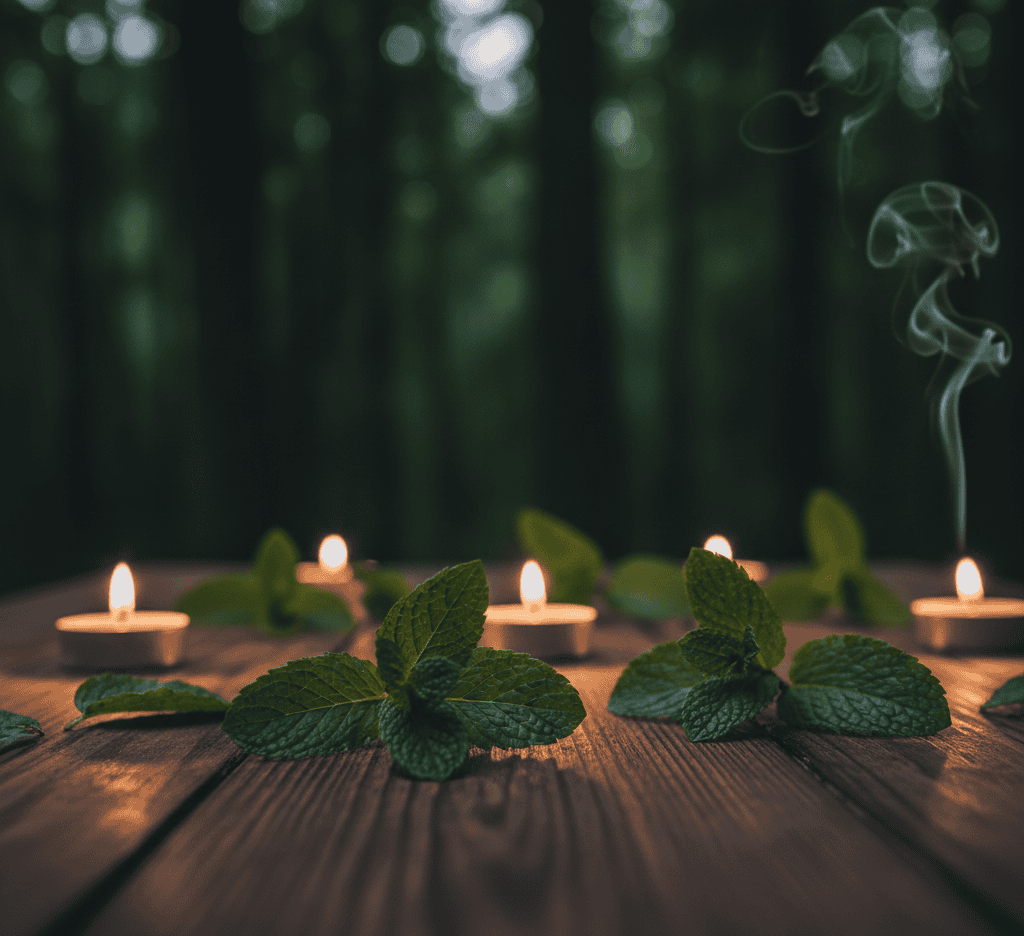
Mint was a common herb found in many Appalachian gardens. Its fresh scent and rapid growth made it a favorite plant among families.
In folk traditions, mint was often associated with prosperity, success, and welcoming good fortune.
Some people believed keeping mint near the home could attract positive things into daily life.
The herb was also used in teas and household remedies. Because mint spreads quickly, it became a symbol of growth and abundance.
Its pleasant smell and usefulness helped make it one of the most appreciated herbs in the region.
Many folk beliefs connected mint with fresh opportunities and new beginnings.
4. Thyme

Thyme was another herb often linked to protection in folk traditions. People valued it for its flavor, fragrance, and versatility.
Some believed thyme could help bring courage during difficult times. Others associated it with strength and positive energy.
The herb was sometimes placed inside homes or carried in small bundles.
Because thyme remained useful throughout much of the year, it became a symbol of resilience.
Its reputation for protection appeared in many European traditions and eventually became part of Appalachian folklore as well.
Generations of families continued using thyme in both practical and symbolic ways.
5. Yarrow

Yarrow has a long history in folk traditions throughout many parts of the world.
In Appalachia, it was often connected with healing, protection, and good fortune.
Its clusters of small flowers made it easy to recognize in fields and meadows.
People respected the plant and often included it in herbal practices passed down through families.
Some traditions suggested carrying yarrow for protection during travel. Others associated it with strength and resilience.
Because it grows in challenging conditions, yarrow became a symbol of endurance.
Its long connection to folklore helped secure its place among the best-known herbs in Appalachian traditions.
6. Mugwort
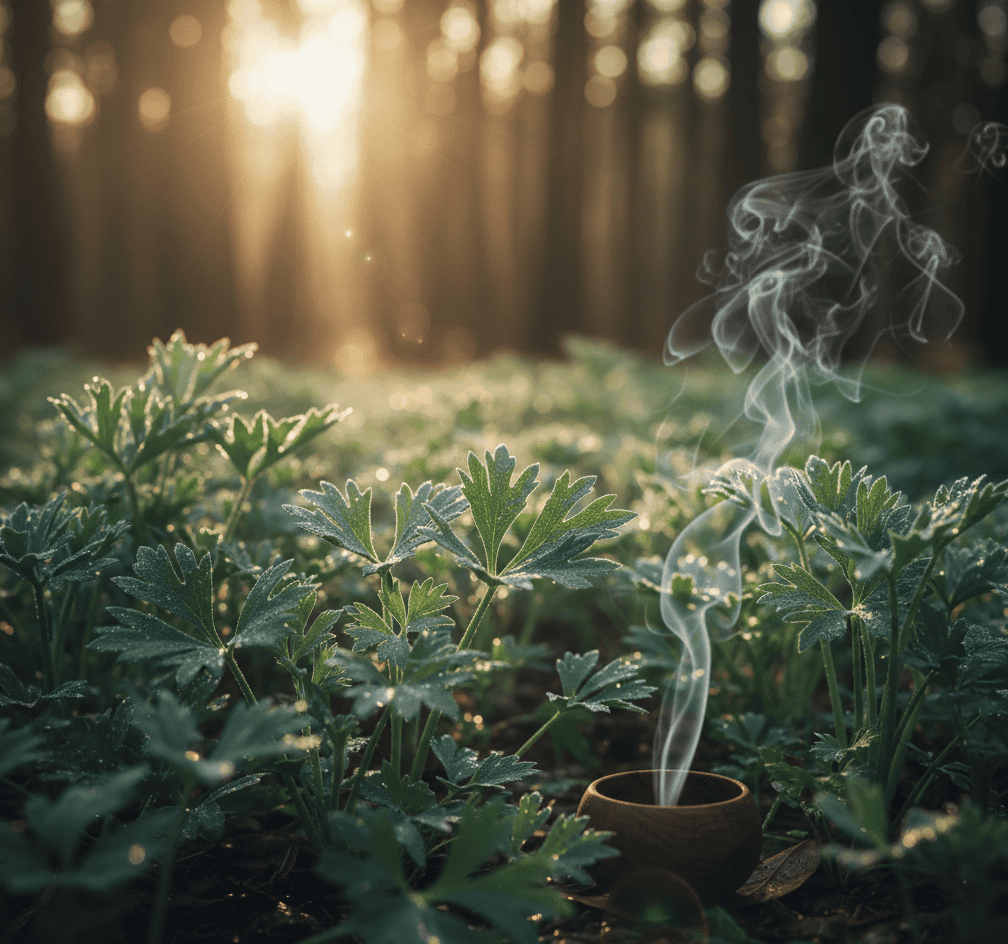
Mugwort was often connected with dreams and intuition. Many folk traditions saw it as a mysterious plant with strong symbolic importance.
People sometimes associate mugwort with insight, reflection, and spiritual awareness.
Its use appears in folklore from many regions, including areas that influenced Appalachian customs.
The herb became known for its connection to nighttime practices and symbolic dream work.
Stories about mugwort were passed down through generations and helped build its reputation.
Its unusual role in folk beliefs made it stand out from more common household herbs and added an element of mystery to Appalachian traditions.
7. Lavender

Lavender was appreciated for its pleasant fragrance and calming qualities.
In folk traditions, it was often linked to peace, harmony, and emotional comfort.
People sometimes placed lavender inside homes to create a welcoming atmosphere.
The herb was also associated with relaxation and restful sleep. Its beautiful purple flowers made it popular in gardens as well.
Because lavender combined beauty with usefulness, it became a favorite plant among many families.
Over time, folk beliefs connected it with happiness and positive energy.
8. Basil

Basil was valued not only as a cooking herb but also as a symbol of prosperity and good fortune.
Many people believed it attracted blessings and success. The herb’s pleasant scent added to its popularity.
Since basil grows quickly under the right conditions, it became associated with growth and abundance.
Some families planted it near their homes and gardens as a symbol of good luck.
Its usefulness in daily life helped strengthen its reputation in folk traditions.
Across generations, basil remained a familiar and respected plant connected with positive outcomes and hopeful beginnings.
9. Chamomile

Chamomile was well known for its gentle nature and pleasant flowers. People commonly use chamomile in teas and household remedies.
In Appalachian folk beliefs, it was often associated with peace, patience, and good fortune.
Its calming reputation contributed to its symbolic importance. The bright flowers were seen as cheerful and uplifting.
Some traditions connect chamomile with attracting positive opportunities and creating a peaceful home environment.
Because it was both useful and easy to grow, the herb became a common feature in many gardens.
Its association with comfort and well-being helped preserve its popularity for generations.
10. Pennyroyal
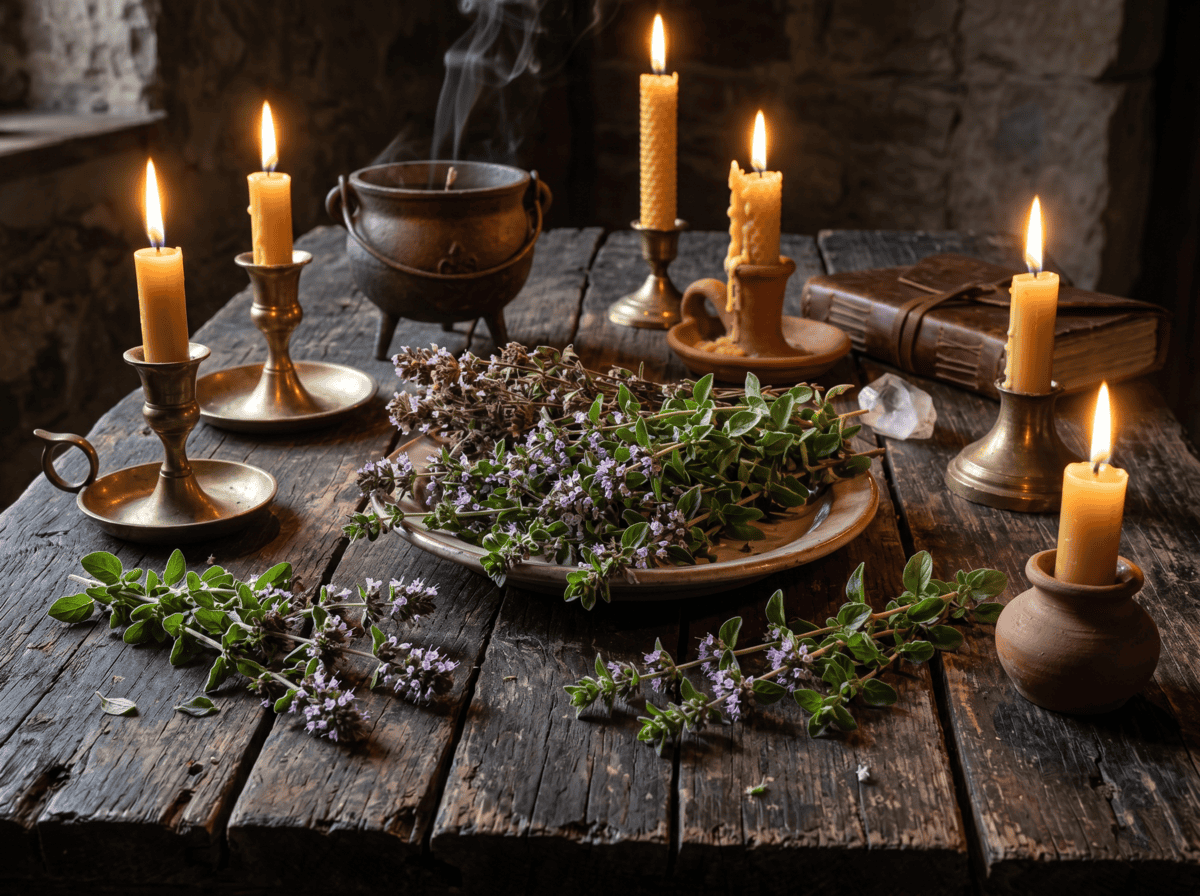
Pennyroyal appeared in many Appalachian folk traditions and stories. Its strong scent made it noticeable and easy to identify.
The herb was often connected with protection and keeping away unwanted influences.
People sometimes placed pennyroyal around homes or included it in traditional herbal practices.
Like many plants used in folk customs, its symbolic meaning varied from one community to another.
The herb became part of the rich collection of plant knowledge passed down through Appalachian families.

Sempre senti uma forte ligação com o Divino desde o meu nascimento. Como autora e mentora, a minha missão é ajudar os outros a encontrar o amor, a felicidade e a força interior nos momentos mais sombrios.