

Imagine waking up one morning to discover that your neighbor thinks your goat looked at her suspiciously, her bread didn’t rise, and therefore you are obviously in league with dark supernatural forces. Congratulations: you may have just become a witch.
From roughly the 15th to the 18th century, accusations of witchcraft spread across Europe and colonial America with the speed and logic of modern internet conspiracy theories. People were accused for reasons ranging from genuine local panic to personal grudges, property disputes, unusual behavior, or simply being the wrong person in the wrong village at the wrong time.
Being accused of witchcraft wasn’t just socially inconvenient—it was potentially life-ending. Here is what life was actually like for anyone unfortunate enough to find themselves on their town’s supernatural suspect list.
1. Your Reputation Could Collapse Overnight
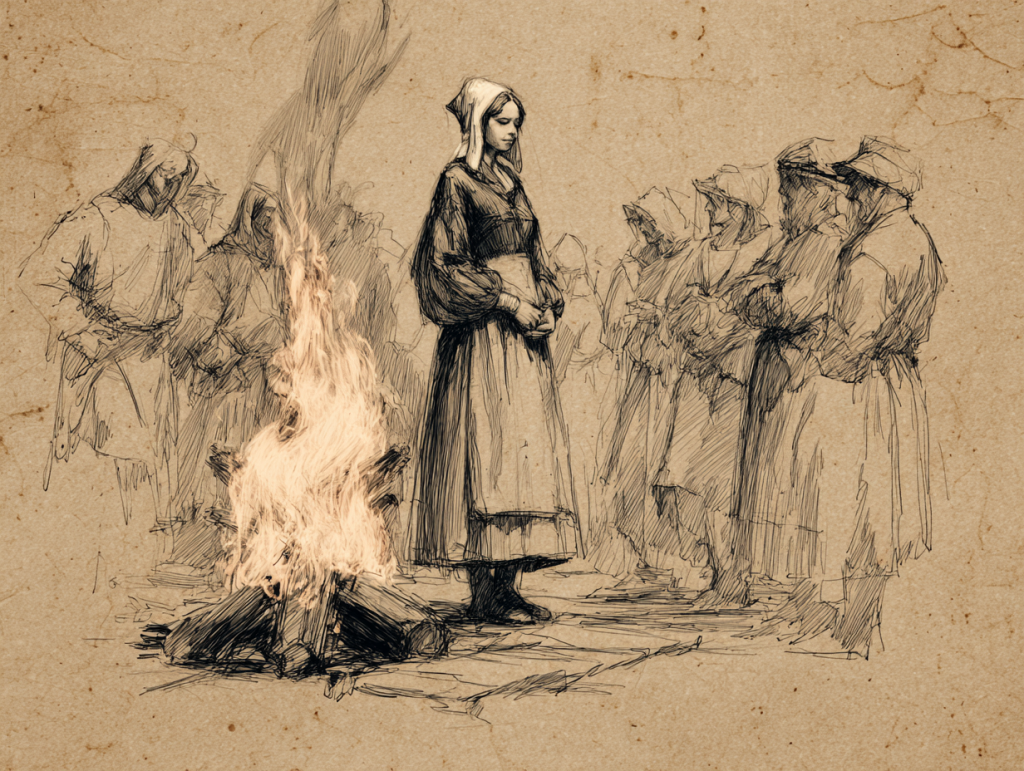
Modern cancel culture moves quickly, but witchcraft accusations operated at speeds that would impress social media.
One day you were Margaret, the woman who made excellent cheese and occasionally helped neighbors with herbal remedies. The next day you were Margaret, the woman who apparently held meetings with the devil in the forest and probably caused someone’s cow to stop producing milk in 1647.
Rumors spread rapidly in small communities where everyone knew everyone else’s business. If crops failed, livestock died, children became sick, or storms damaged fields, people often searched for someone to blame.
Unfortunately, “bad luck happens sometimes” has never been humanity’s favorite explanation.
The accused often found friends avoiding them, customers disappearing, and neighbors suddenly remembering every mildly unusual thing they had ever done.
“Oh, she talks to cats?”
Case closed.
2. The Evidence Against You Could Be Completely Ridiculous
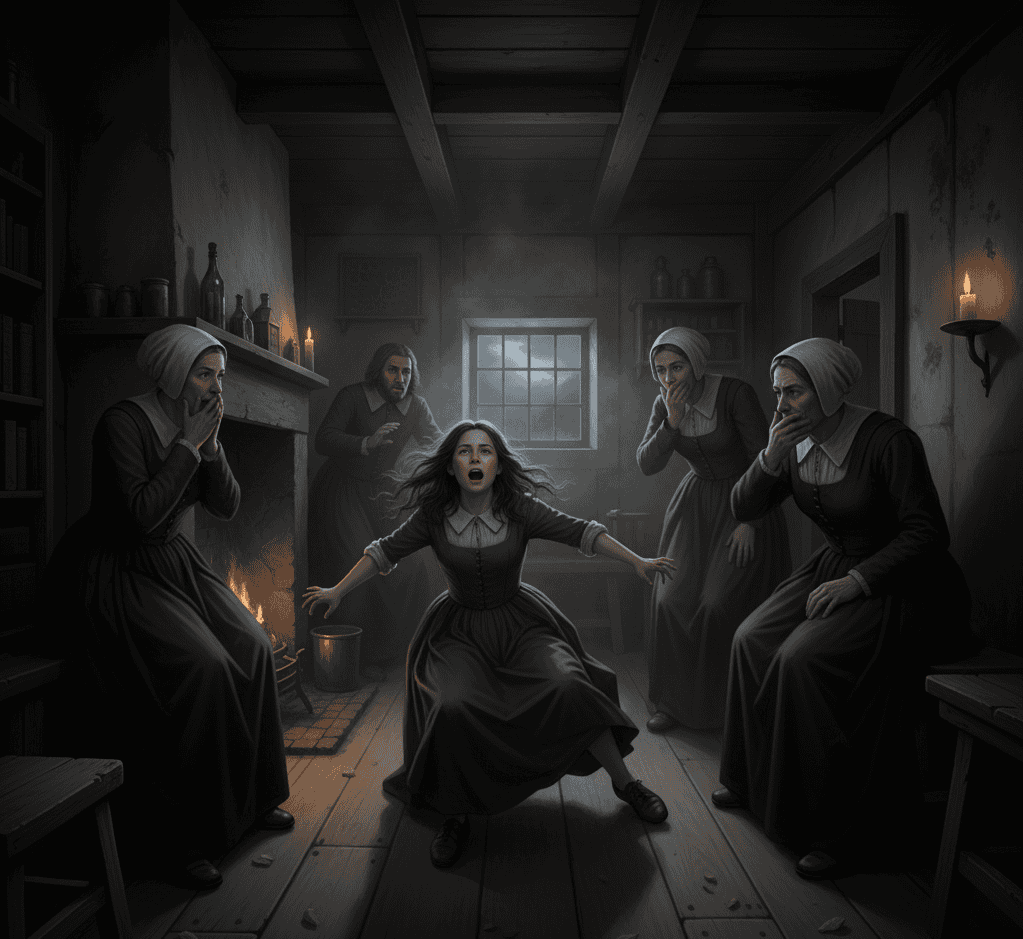
The standards of evidence during many witch trials can only be described as “creative.”
Did you own a cat? Suspicious.
Did you have a birthmark? Clearly a witch’s mark.
Were you unusually knowledgeable about herbs or medicine? Extremely suspicious.
Did someone dream that you cursed them? Surprisingly admissible.
One famous test involved throwing accused witches into water because water was considered pure enough to reject evil. If you floated, you were a witch.
If you sank, congratulations—you were innocent.
Unfortunately, this result was difficult to appreciate while drowning.
Other evidence included spectral visions, unexplained illnesses, failed harvests, and testimony that sounds remarkably similar to “trust me, I have a feeling.”
Modern courts have many flaws, but at least they generally require something stronger than “my chickens have been acting weird lately.”
3. Being Different Was Dangerous

Many accused witches shared one characteristic: they stood out.
Older women living alone, widows, healers, midwives, outspoken personalities, foreigners, and people who did not fit neatly into social expectations often attracted suspicion.
Communities under stress frequently search for outsiders or vulnerable individuals to blame for larger problems. Economic hardship, disease outbreaks, war, and religious tensions all fueled witch panics.
This meant that traits we might admire today—independence, expertise, unconventional thinking, or refusing to quietly accept unfair treatment—could become liabilities.
Men were accused too, though women made up the majority of victims in many regions.
History repeatedly demonstrates that societies become dangerous places when fear starts making personnel decisions.
4. Interrogations Were Designed to Produce Confessions
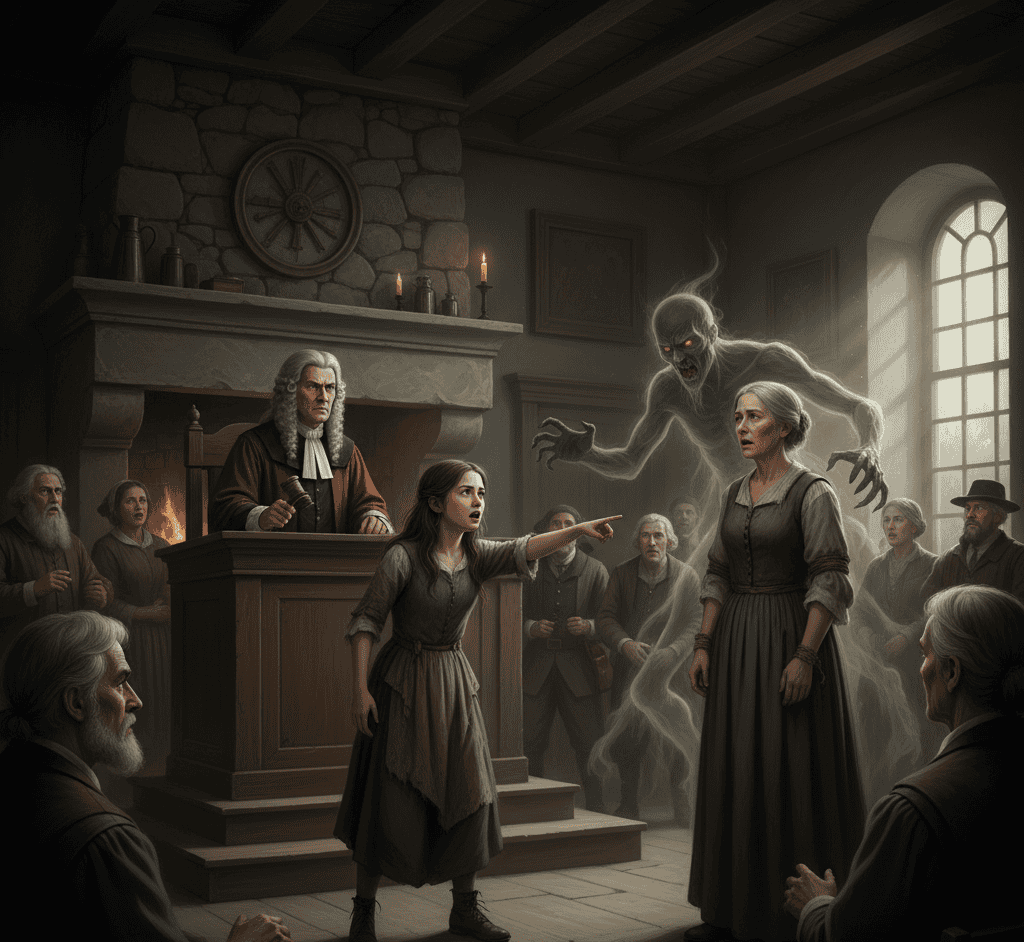
Unfortunately, investigators in many witch trials often started with the assumption that the accused was guilty.
The real question became not whether someone was a witch but how long it would take for them to admit it.
In some regions, sleep deprivation, prolonged questioning, intimidation, and torture were used to force confessions. Unsurprisingly, many people eventually confessed to impossible crimes involving flying, shape-shifting, or attending supernatural gatherings.
Human beings will say astonishing things if the alternative is continued torture.
Some even accused neighbors or family members in hopes of ending their own suffering.
The resulting accusations spread like dominoes through entire communities.
Turns out fear and pain are not ideal conditions for accurate witness testimony.
Who could have predicted that?
5. Trials Often Felt More Like Theater Than Justice
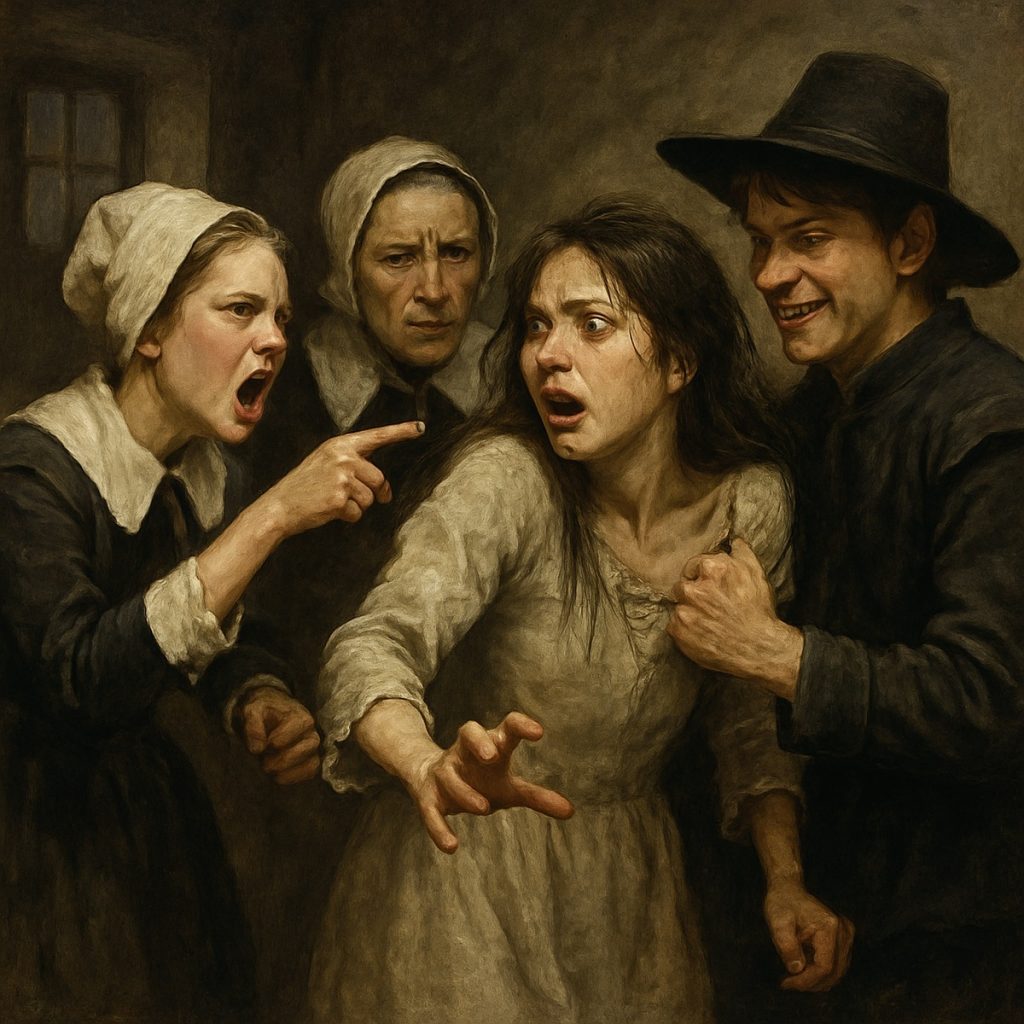
Many witch trials had outcomes that seemed predetermined from the beginning.
Judges, religious authorities, and local leaders often operated within systems that already believed witches existed and represented a genuine threat to society.
The accused frequently lacked legal representation and had little opportunity to defend themselves effectively.
Witnesses presented stories about strange dreams, mysterious illnesses, and unexplained accidents as serious evidence.
Meanwhile the accused was expected to prove a negative.
No one has ever successfully proven they were not secretly attending midnight meetings with supernatural entities because proving something never happened is surprisingly difficult.
Imagine trying to convince a court that you definitely did not transform into a wolf last Tuesday.
Where exactly do you begin?
6. Your Family Could Become Suspects Too
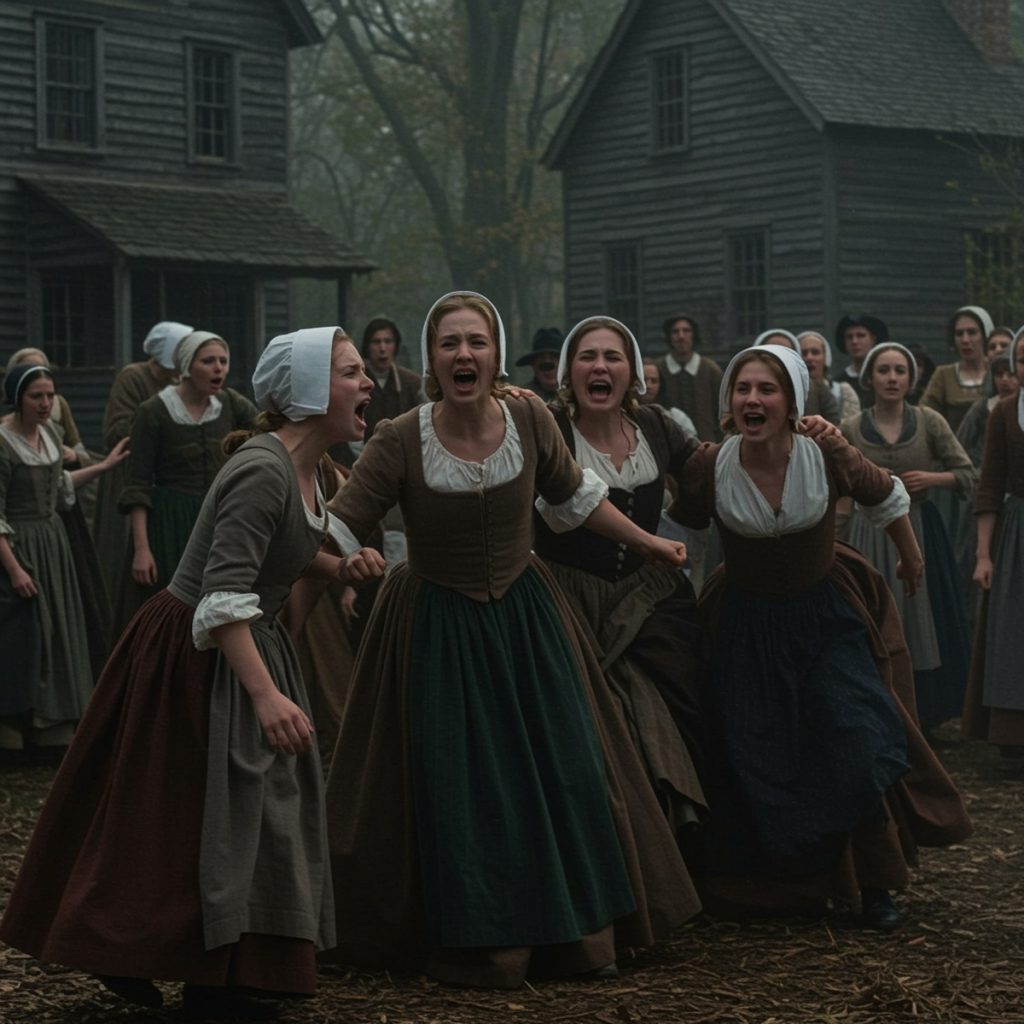
Witchcraft accusations rarely traveled alone.
Once one person came under suspicion, family members, friends, and associates often found themselves under investigation as well.
Children sometimes testified against parents. Husbands and wives could become implicated together. Entire social networks came under scrutiny.
This created an atmosphere where trust became dangerous.
Helping an accused person could make others wonder why you were so eager to defend them.
Were you protecting an innocent neighbor?
Or were you covering for a fellow witch?
The answer you gave might determine whether you remained a witness or became the next suspect.
This kind of fear damaged communities long after the trials ended.
7. Acquittal Didn’t Always Save Your Life
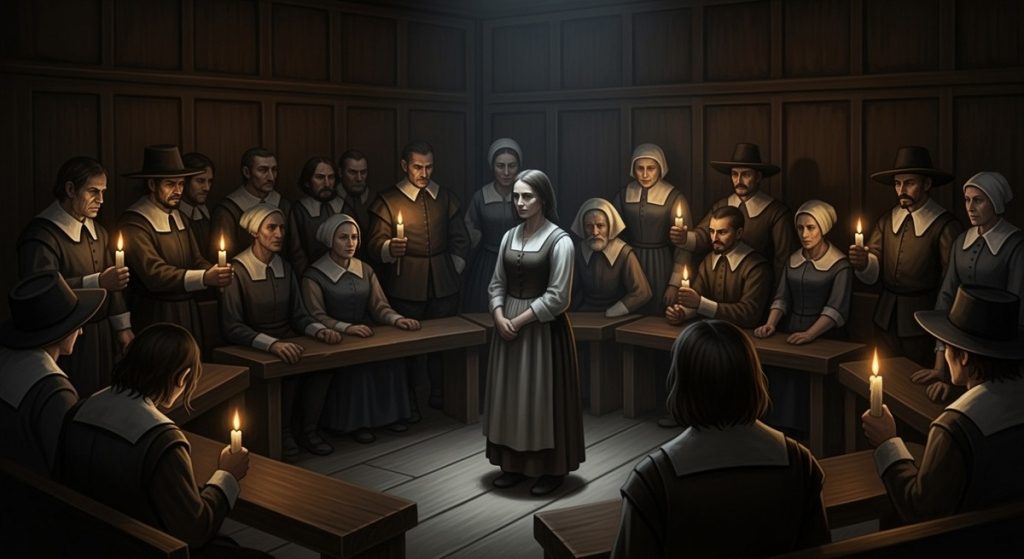
Being found innocent did not necessarily mean returning to normal life.
The accused often faced ruined reputations, financial hardship, and social isolation even after surviving legal proceedings.
Neighbors might still avoid them.
Employers might refuse to hire them.
Communities sometimes viewed acquittal as a technicality rather than proof of innocence.
After all, if dozens of people believed you had cursed someone’s pig, that rumor tended to stick around.
In some cases, accused individuals fled their homes entirely and started over elsewhere.
It’s difficult to rebuild your social life when your previous community associated you with crop failures and possible conversations with Satan.
Networking events become awkward.
8. The Entire Experience Was Fueled by Fear, Not Magic
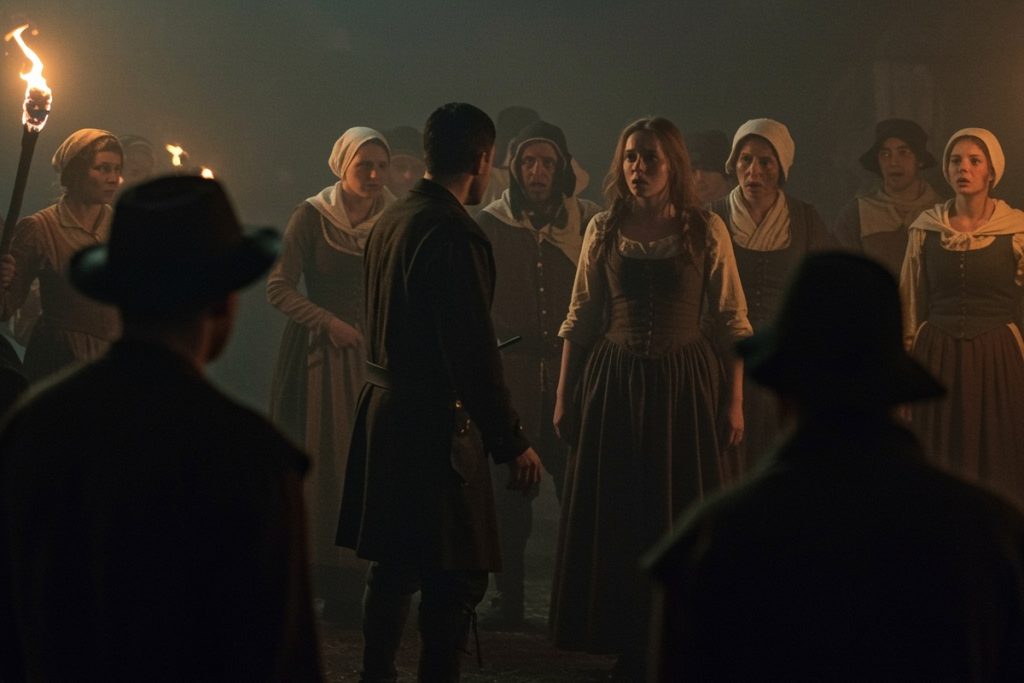
Perhaps the most important truth about witch hunts is that they tell us far more about human psychology than supernatural forces.
Periods of uncertainty make societies vulnerable to fear, scapegoating, and conspiracy thinking. When people face disease, war, famine, or economic hardship, simple explanations become extremely attractive.
Complex problems are frustrating.
Blaming one suspicious neighbor is easy.
The tragedy of witch hunts lies not only in the innocent lives destroyed but in how ordinary people became participants in extraordinary injustice.
The good news is that most societies today have legal protections designed to prevent this kind of panic.
The less good news is that humans remain remarkably talented at finding new ways to blame one another for complicated problems.
History rarely repeats exactly.
But it does occasionally recycle material with alarming enthusiasm.

Lover of good music, reading, astrology and making memories with friends and spreading positive vibes! 🎶✨I aim to inspire others to find meaning and purpose through a deeper understanding of the universe’s energies.