
Throughout the Bible, we can see that Israel’s biggest struggle is temptation.
The people were constantly seduced by false gods, worshipping idols and building altars. They didn’t do this out of evil, but because palpable idols gave them some sense of control over their fate.
Israelites prove over and over again how hard it can be to trust in the invisible God.
In the Bible, there are thousands of false deities, but these 10 stand out the most.
1. Baal
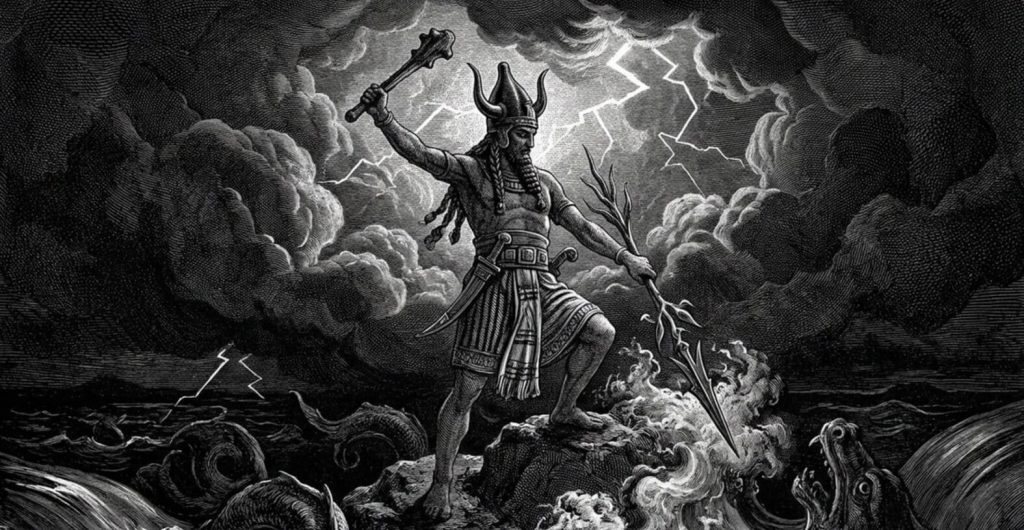
Baal was one of the most prominent deities of the ancient Near East, worshipped across Canaan as the god of storm, rain, e fertilidade.
Back when a bad harvest meant certain death, it was tempting to turn to a deity that promised agricultural success.
His worship often involved ecstatic rituals meant to convince him to send rain.
Some of these rituals were notoriously brutal, aimed at buying Baal’s mercy.
This false god constantly seduced Israel away from God, especially under King Ahab, whose wife Jezebel actively promoted Baal worship.
Most prominently, the prophet Elijah proved Baal’s falsehood on Mount Carmel.
Baal’s prophets danced and cut themselves, and screamed for hours, begging him to light a sacrifice on fire.
However, Elijah said one prayer, and God immediately delivered.
2. Asherah
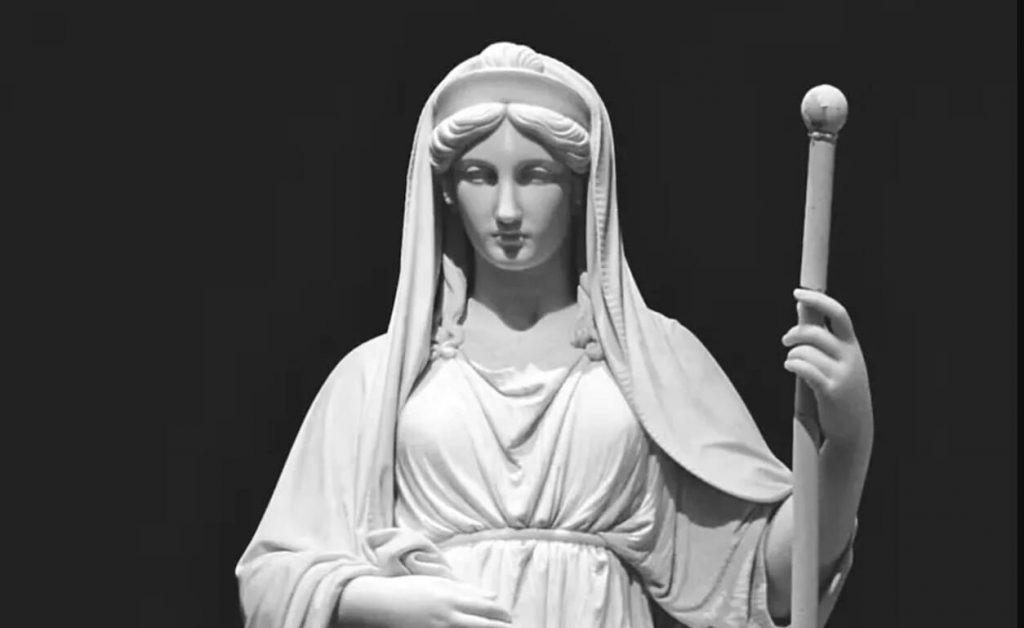
Asherah was often worshipped as a spouse de Baal or even Deus Himself. She was represented by carved wooden poles and living trees.
She symbolized fertility, motherhood, and the abundance of the land.
Her worship persisted for a long time, and her sacred poles were even brought into the Temple, placed right alongside altars meant exclusively for Yahweh!
This false goddess scared the prophets the most precisely because it was subtle, infiltrating the true faith rather than challenging it.
However, God responded directly to her worship; he ordered her sacred trees cut during religious purges done by kings Hezekiah and Josiah.
3. Molech
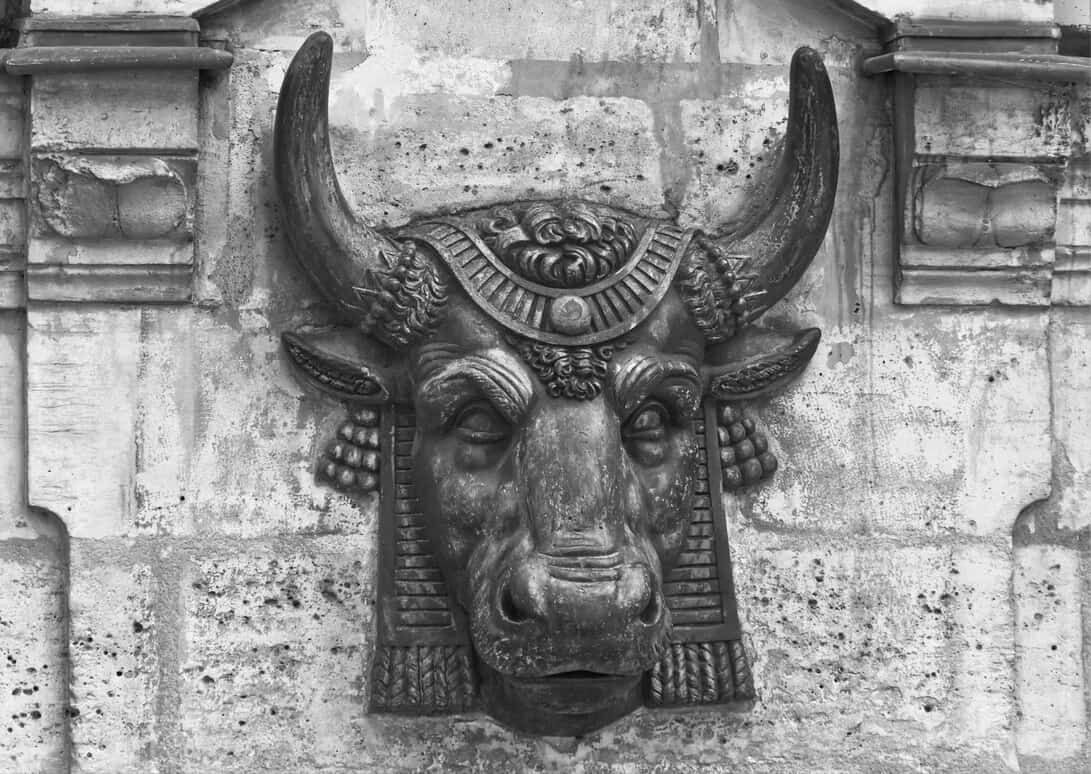
Molech is one of the darkest false gods in the biblical lore.
He was a Canaanite and Ammonite deity associated with horrifying child sacrifice rituals. The rituals sometimes happened in a valley called Topheth, right outside Jerusalem.
His worship was harshly condemned in all of scripture, and even God explicitly forbade it through Moses, calling it a desecration of everything sacred!
Still, some Israelite kings embraced Molech, even sacrificing their own children!
Later, King Josiah’s reforms specifically targeted and destroyed Molech’s altars, putting an end to his terror.
4. Dagon
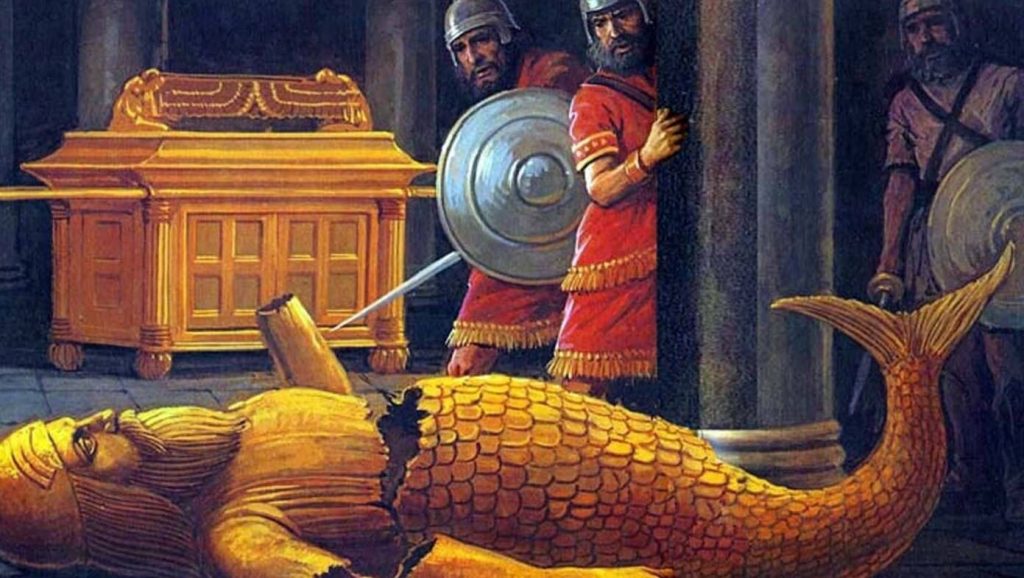
Dagon was the chief deity of the Philistines, often depicted with a fish tail.
He’s associated with agriculture e military strength, and was worshipped in major temples in Ashdod and Gaza.
When the Philistines stole the Ark of the Covenant, they decided to place it inside Dagon’s temple, right next to his statue, to humiliate Israel.
However, the very next morning, Dagon’s statue was found lying face-down before the Ark. They fixed it, but he kept falling.
Dagon’s collapse became a demonstration of the weakness of false gods.
5. Chemosh
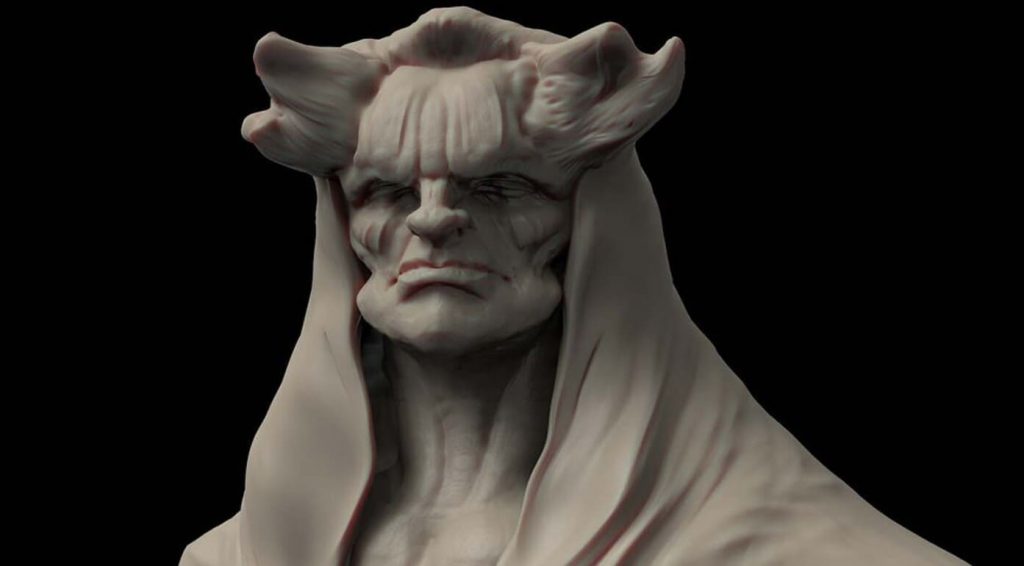
Chemosh was the primary deity of Moab, Israel’s longtime rival. This false god is linked to war and conquest, and tragically, child sacrifice during times of crisis.
Mesmo King Solomon built a high place in Jerusalem for Chemosh to please one of his many foreign wives. This was shameful since Solomon was otherwise praised for his wisdom.
His example shows how false gods can infiltrate the nation through political alliance; they’re not always a result of rebellion.
Later, God expressed His condemnation of Chemosh worship through prophets.
6. Artemis
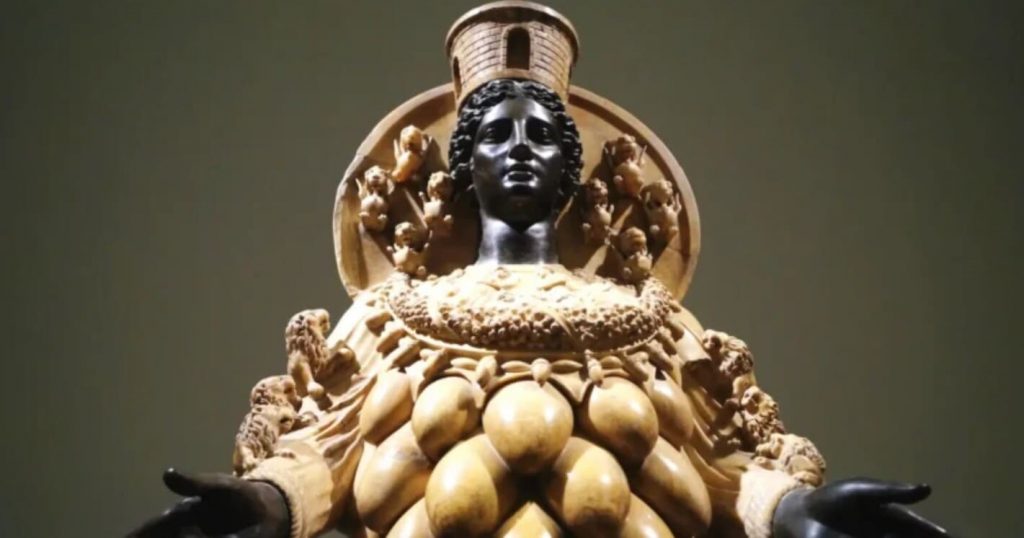
Artemis doesn’t show up until the New Testament. She was worshipped in Ephesus, where her massive temple stood as one of the seven wonders of the ancient world.
Unlike the traditional Greek huntress, the Ephesian Artemis was depicted with multiple breasts, symbolizing fertility and abundance.
The entire local economy was built around her!
When the apostle Paul started preaching against her and the people began to abandon false worship, there was a riot of the local silversmiths!
This shows that most pagan deities are actually símbolos of the things their worshippers needed to survive, whether that’s rain, fire, trade, or something else.
Through Paul, God peacefully led people away from Artemis, eventually converting the entire city.
7. Astarte
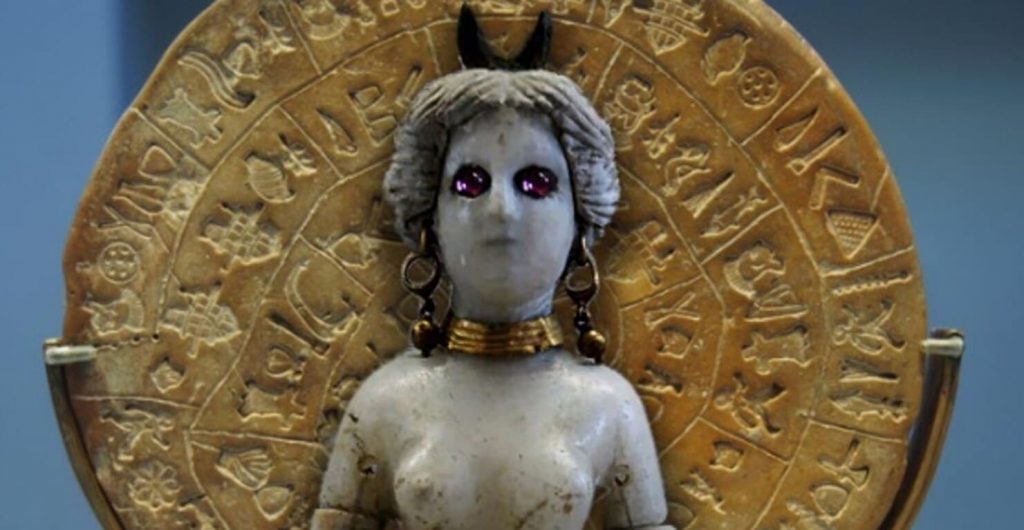
Astarte is often associated with the goddess Asherah and Ishtar, and was worshipped as a goddess of war and sexuality.
She was also connected to Baal in Canaanite and Phoenician tradition.
Her worship frequently included sacred intimacy, blending it directly with religious devotion.
Astarte’s worship infiltrated Israel multiple times, especially during foreign alliances and intermarriage.
God’s anger wasn’t directed only at the falsehood and idolatry, but at the broader social decay and exploitation that seemed to follow her cult.
It’s strongly believed that this kind of worship actively damages communities and family structures.
8. Marduk
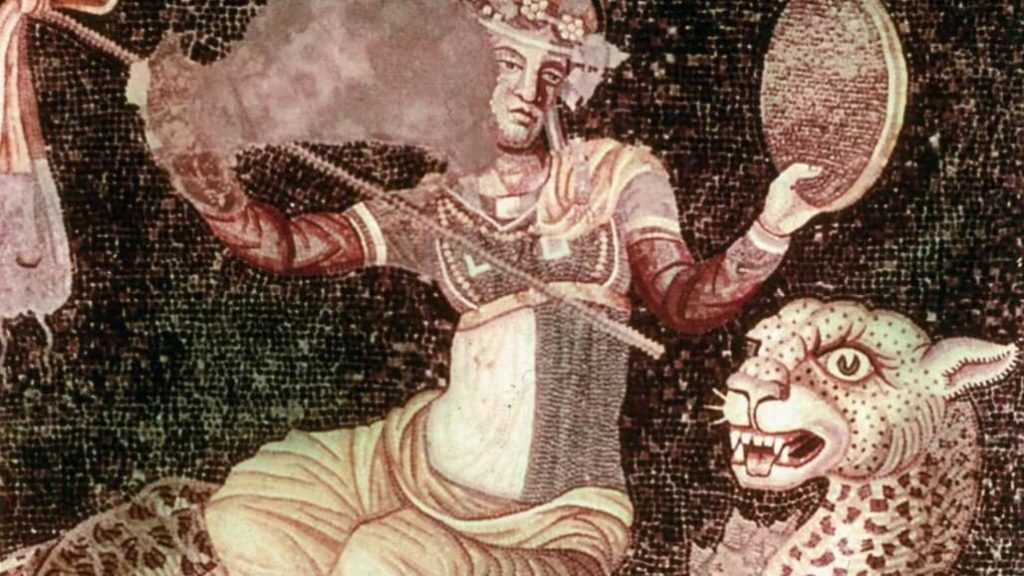
Marduk is the chief deity of the entire Babylonian pantheon. He’s envisioned as the one who tamed chaos and brought order to the universe.
When Babylon conquered Jerusalem and exiled the Israelites, Marduk worship represented the possibility that the Deus of the Bible was defeated.
The prophet Daniel confronted this fear by interpreting dreams and experiencing miracles that proved God’s enduring power.
Even in exile, Isaiah went even further, openly mocking false Babylonian idols.
This proved once and for all that the divine authority lives even when cities and empires fall.
9. Tammuz
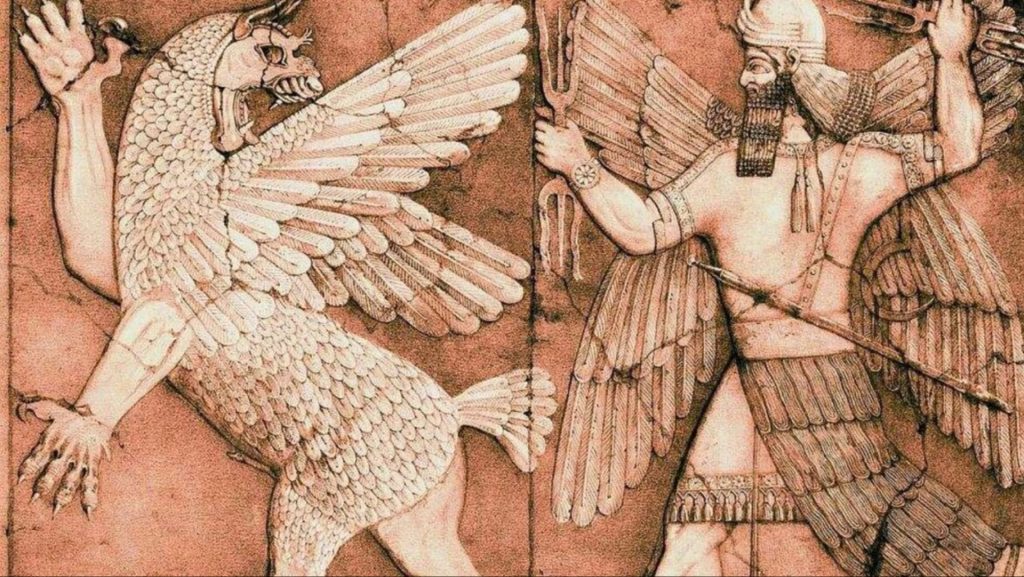
Tammuz originated from the Sumerian and Babylonian traditions. He was worshipped as a vegetational god tied to seasonal death and rebirth.
He was ritually mourned by women as he descended into the underworld, and this worship actually appears directly inside the Temple itself in Ezekiel’s vision.
He saw women mourning the false god at the gate of God’s house.
It’s one of the clearest illustrations of the Israelites betraying God.
Outraged, in this vision, God finally lets the destruction of Jerusalem happen.
10. Adrammelech
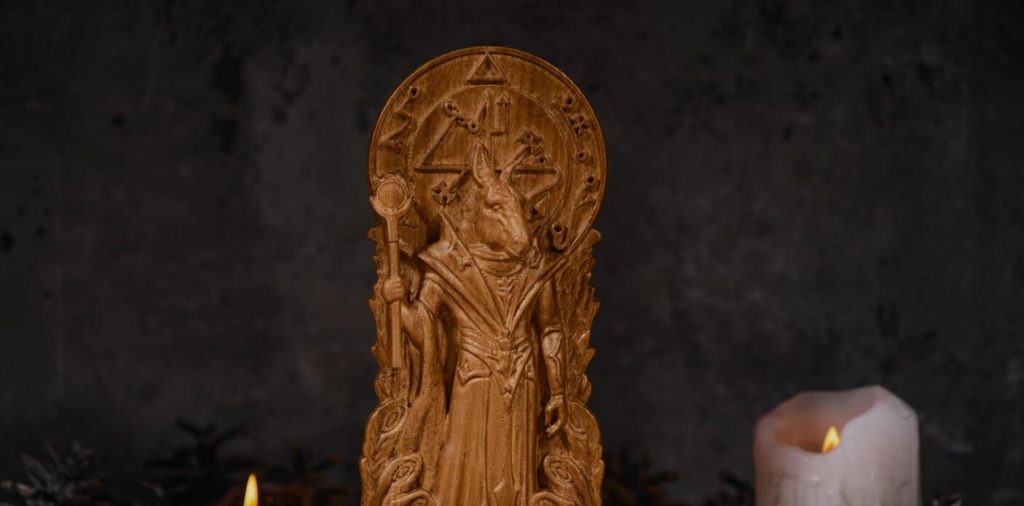
Adrammelech was worshipped by the Sepharvites, who were relocated to Israel after the Assyrian conquest.
Much like Molech, this false god also demanded child sacrifice. His name appears in scripture specifically to comment on the disturbing customs the Sepharvites brought to Israel.
Adrammelech isn’t mentioned often, but he shows that the patterns of false worship persist even after exile, relocation, and punishment.

A little Aquarius, devoted to writing and embroidery. Through my writing, I hope to empower readers to align with their true selves and navigate life’s mysteries with confidence.