
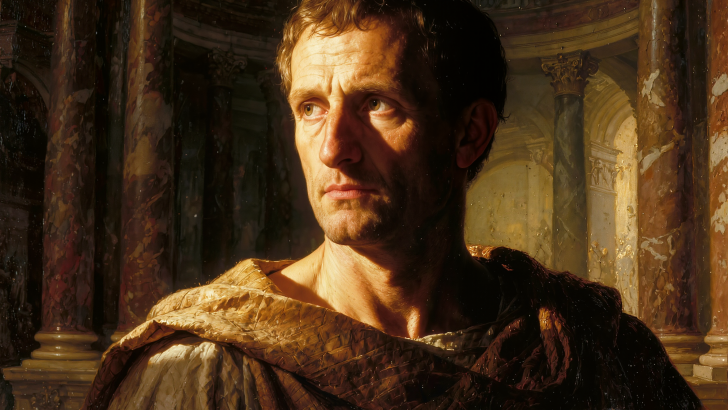
Ancient Rome is often remembered for its armies and emperors. But what was everyday life actually like for ordinary Romans?
Roman society was built around customs and traditions that shaped how people ate, worked, socialized, and even dressed.
Some of these habits feel surprisingly familiar, while others seem strange by modern standards.
Here are ten customs that played a major role in daily life across Ancient Rome and helped define what it meant to be Roman.
1. Wearing the Toga as a Symbol of Citizenship
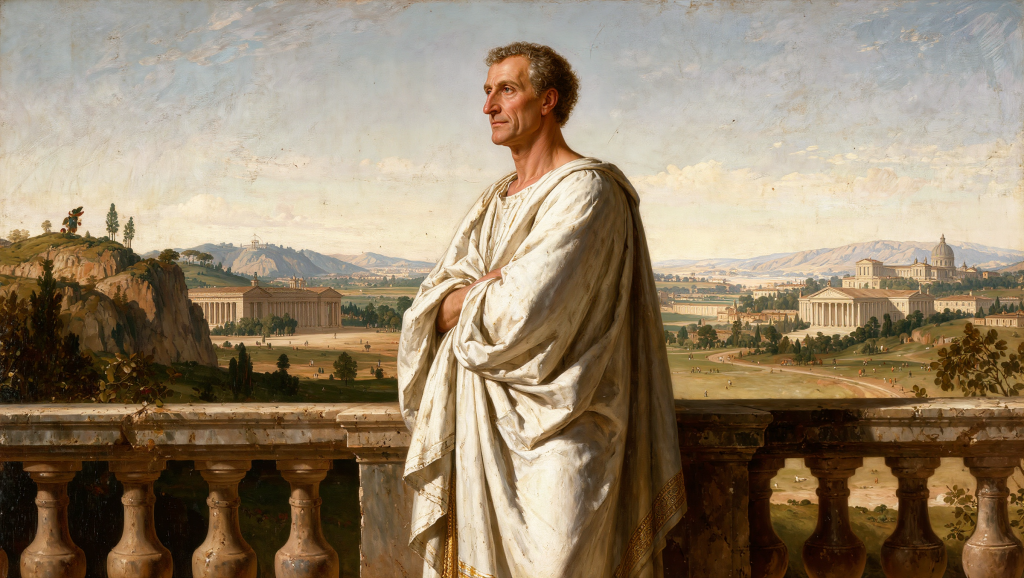
When people think of Ancient Rome, they usually picture someone wearing a toga. While not everyone wore one every day, the toga was an important symbol of Roman citizenship.
A toga was a large piece of cloth draped around the body in a specific way. It wasn’t exactly comfortable or practical. In fact, many Romans preferred simpler clothing for everyday activities.
Still, wearing a toga carried social meaning. Adult male citizens were expected to wear one during official events, legal proceedings, and public ceremonies.
Different types of togas could even signal a person’s status. Politicians, magistrates, and candidates for office often wore special versions that set them apart.
In a way, the toga acted like a visible badge of identity.
2. Visiting the Public Baths
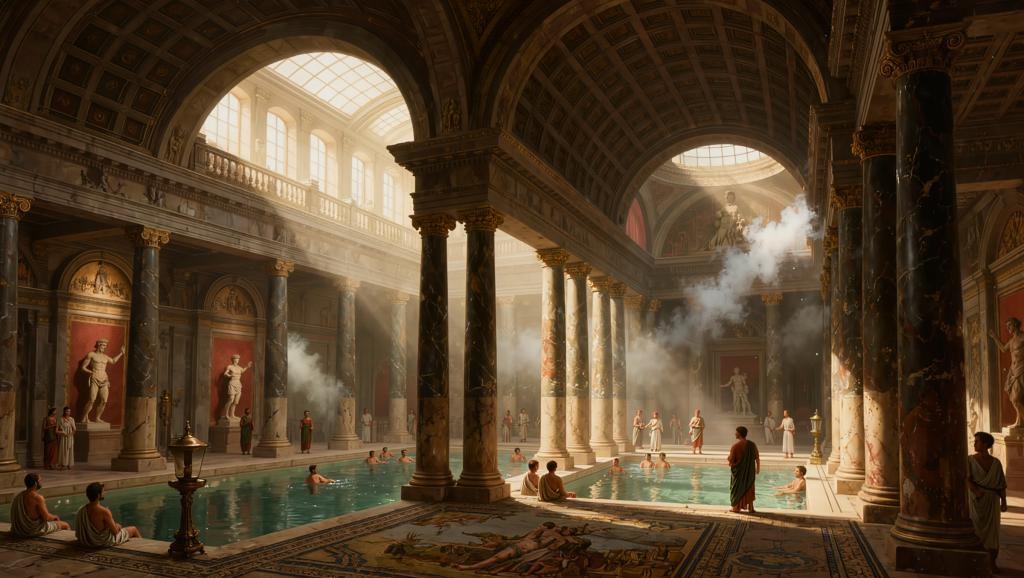
Public baths were a huge part of Roman life. They served as social centers where people met friends, discussed business, and relaxed.
Many Roman cities had large bath complexes that included pools, steam rooms, exercise areas, and gardens.
Admission was often inexpensive, making the baths accessible to much of the population.
A typical visit involved moving through rooms of different temperatures. Romans might start in a warm room, move into a hot bath, and finish with a cold plunge.
It was part hygiene, part recreation, and part social networking. It was probably one of the highlights of daily life for many people.
3. Eating While Reclining
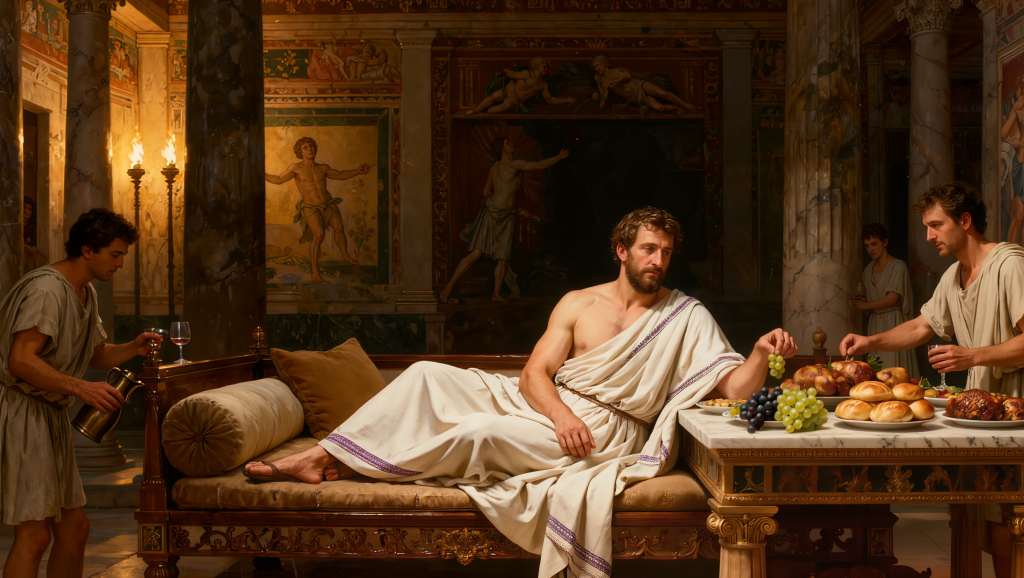
One Roman custom that tends to surprise people is the practice of eating while lying down.
Among wealthier Romans, formal dinners often took place in a dining room called a triclinium. Guests reclined on couches arranged around a table while servants brought food and drinks.
This wasn’t how everyone ate every meal. Ordinary people generally sat while dining. But for the upper classes, reclining during banquets became a sign of status and refinement.
These gatherings could last for hours. Food, conversation, entertainment, and politics all mixed together.
4. Honoring Household Gods
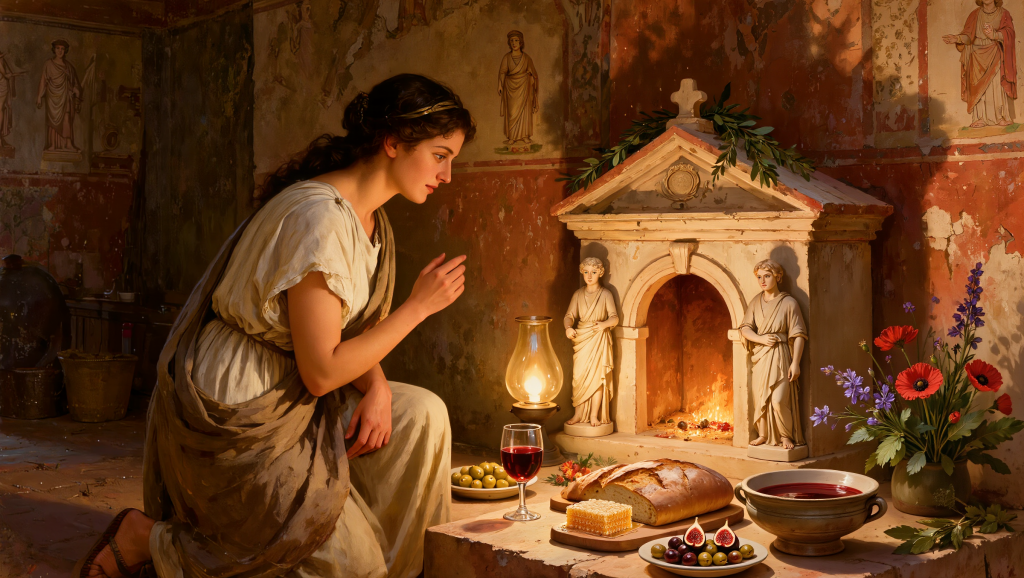
Religion touched nearly every part of Roman life, including activities inside the home.
Many families maintained small household shrines dedicated to protective spirits known as the Lares and Penates. Romans believed these deities watched over the family, home, and food supply.
Daily offerings might include wine, incense, flowers, or small portions of meals. Family members often prayed at these shrines before important events or celebrations.
What’s interesting is how personal this practice was. While Rome had grand temples and state-sponsored religious ceremonies, many Romans interacted with religion most often in their own homes.
5. Patron-Client Relationships
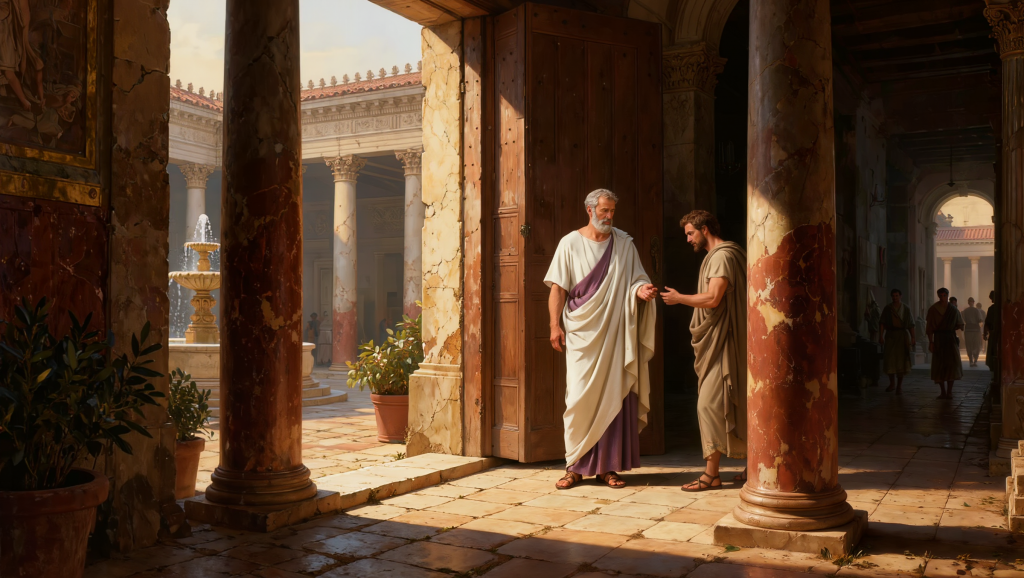
Roman society relied heavily on personal connections. One of the most important customs involved the relationship between patrons and clients.
A patron was usually a wealthy or influential individual who provided assistance, protection, legal help, or opportunities. In return, clients offered loyalty, political support, and public respect.
Many clients would visit their patron early in the morning as part of a daily routine. These visits could involve discussing problems, requesting favors, or simply showing respect.
The system helped people build networks and navigate Roman society. It wasn’t always equal, of course, but it became a fundamental part of social and political life throughout the Roman world.
6. Attending Gladiator Games and Public Spectacles
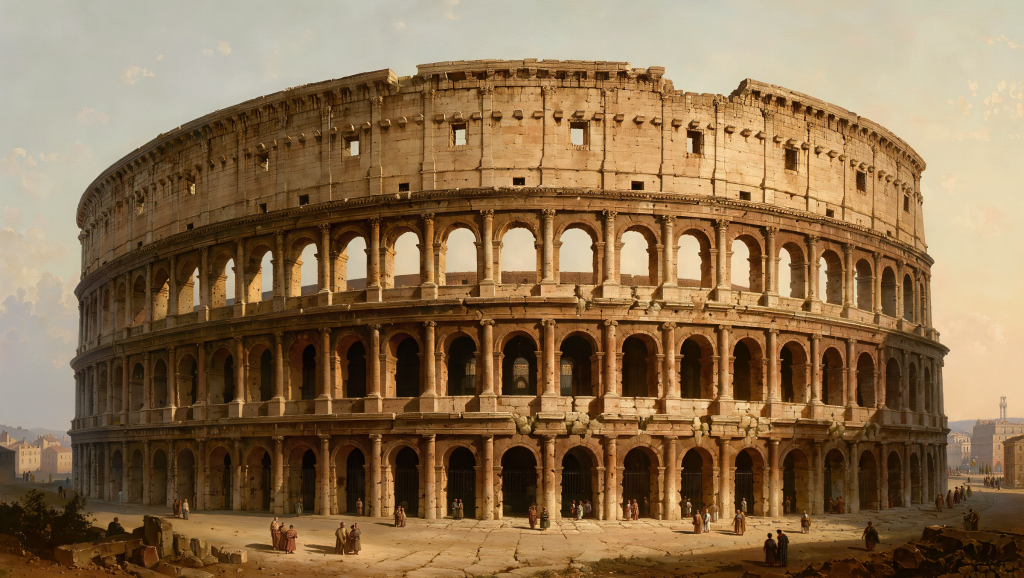
Entertainment was serious business in Ancient Rome.
Romans loved public spectacles, especially gladiator contests, chariot races, theatrical performances, and animal hunts. Large venues such as amphitheaters and circuses could hold thousands of spectators.
These events served several purposes. They provided entertainment, demonstrated political power, and reinforced social values like courage and endurance.
Attendance was often free because wealthy sponsors or government officials paid for the events. As a result, people from many social classes could participate.
While modern audiences often focus on the violence, Romans viewed these spectacles as an important part of public life and civic culture.
7. Celebrating Saturnalia
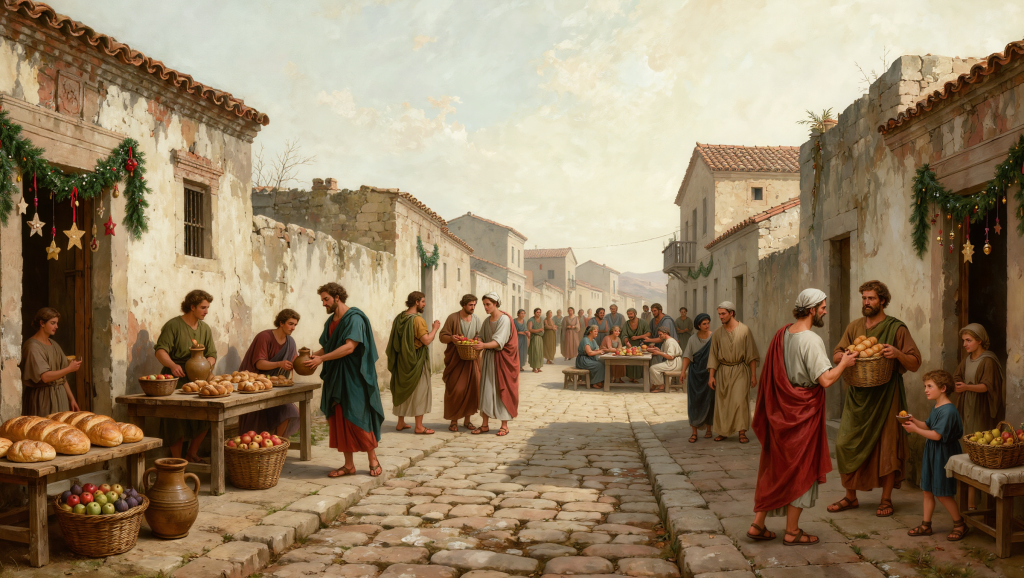
If there was one Roman festival known for fun and excitement, it was Saturnalia.
Held in honor of the god Saturn, the festival took place each December and lasted for several days.
During Saturnalia, many normal social rules were relaxed. People exchanged gifts, held feasts, decorated their homes, and enjoyed games and celebrations.
One of the most unusual traditions involved temporary role reversals. In some households, servants could enjoy freedoms normally unavailable to them, and masters might even serve their servants during parts of the festivities.
The atmosphere was lively and playful. And some historians have compared Saturnalia to a combination of modern holiday traditions and a giant citywide party.
8. Naming Children According to Family Tradition
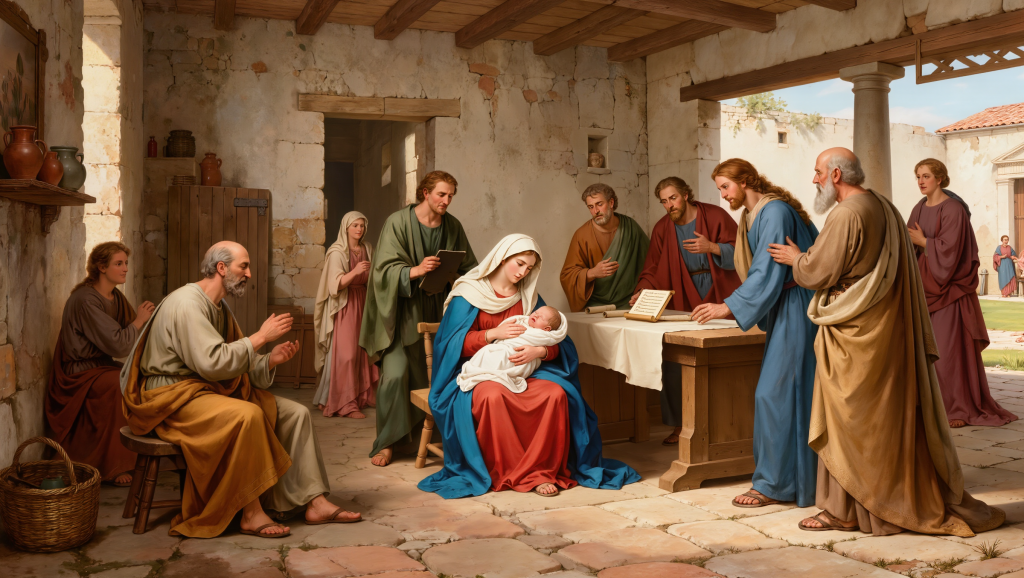
Roman names followed customs that reflected family identity and social status.
Boys often received names that connected them to their family lineage. Many Roman male names included several parts, identifying both the individual and the broader family group.
Girls were frequently named after their family name as well. If multiple daughters existed, they might be distinguished by terms meaning older, younger, first, second, and so on.
To modern ears, this can sound a bit repetitive. But for Romans, emphasizing family connections was more important than highlighting personal uniqueness.
9. Morning Business and Social Calls
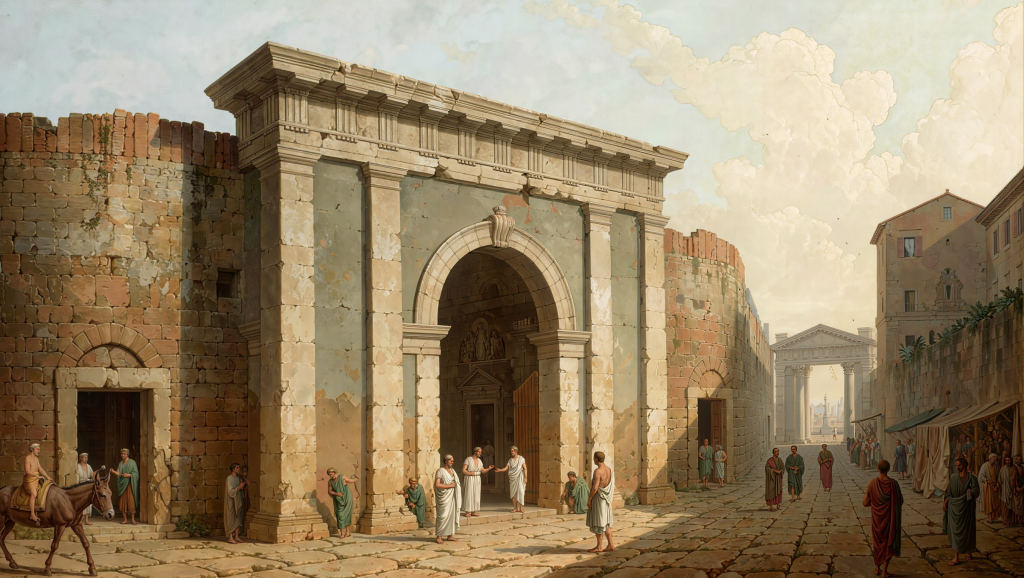
Romans tended to start their day early.
For many citizens, mornings were devoted to business, legal matters, shopping, and social obligations. Wealthy Romans often received visitors shortly after sunrise. Merchants opened shops, officials conducted public affairs, and clients visited patrons.
The streets could become quite busy during these hours. In large cities like Rome itself, daily activity began long before most modern people would think about commuting to work.
This routine helped organize urban life and reinforced social relationships. A person’s morning schedule often reflected their place within Roman society.
10. Respecting Ancestors Through Funeral Traditions
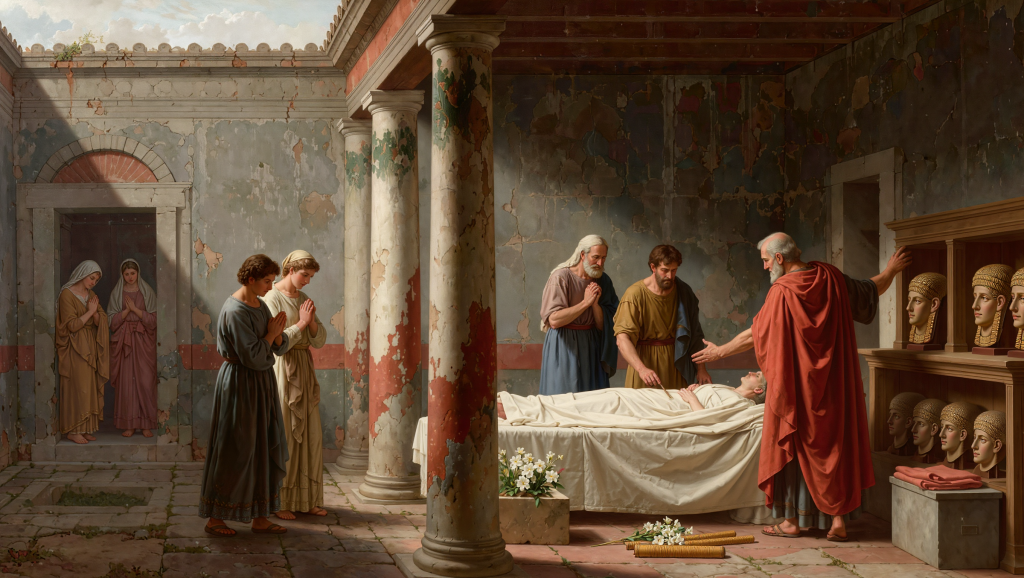
Romans placed great importance on remembering family members who had passed away.
Funerals could be elaborate events, especially for prominent families. Processions moved through public streets, and family members honored the achievements of the deceased.
Some wealthy households displayed wax masks representing ancestors. These masks served as reminders of family history and accomplishments.
Remembering ancestors wasn’t limited to funerals. Families often observed rituals and commemorations throughout the year.
