
Romance has always been part of human history, but the way people found partners has changed over time.
Long before dating apps, text messages, or even formal dates, people had their own ways of showing interest, attracting a partner, and proving they were serious about marriage.
Some traditions were sweet, some were unusual, and a few seem downright strange today. Yet each one tells us something about the culture that created it.
From secret love tokens to public displays of devotion, these courtship customs reveal how people across different times and places tried to answer the same question: how do you win someone’s heart?
1. Courting Through Windows in Colonial America
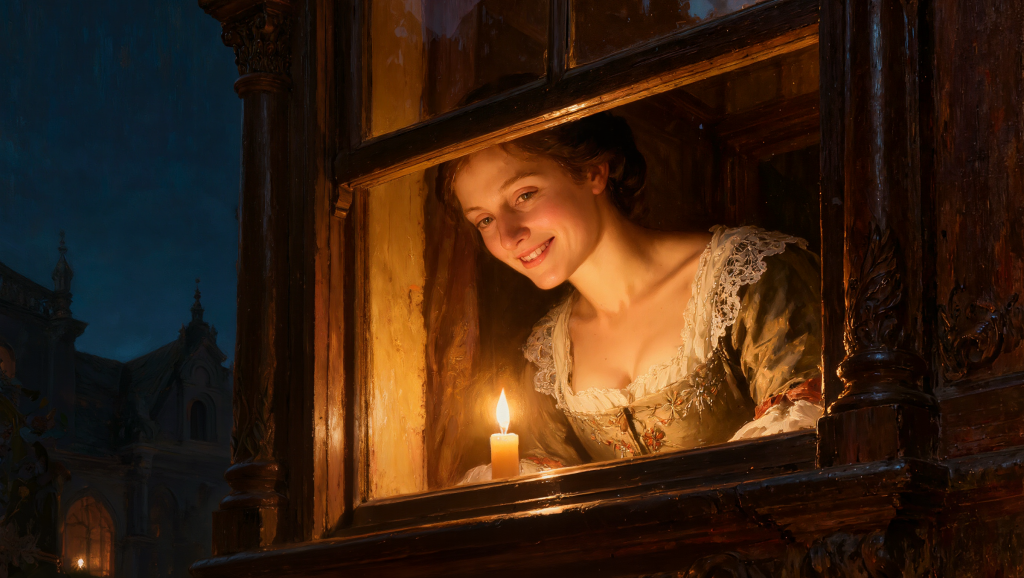
In parts of colonial America, especially in New England during the 17th and 18th centuries, young couples often spent time together under the watchful eye of family members. Privacy was limited, so courtship followed strict rules.
One interesting custom involved a suitor visiting a young woman at her home and speaking with her through a window. Parents could observe the interaction while still allowing the couple some conversation.
This may not sound very romantic today, but at the time it was considered respectable. Families wanted to ensure relationships developed properly and with good intentions.
The window became a safe middle ground between complete supervision and complete privacy.
2. Bundling: Sharing a Bed, Separately
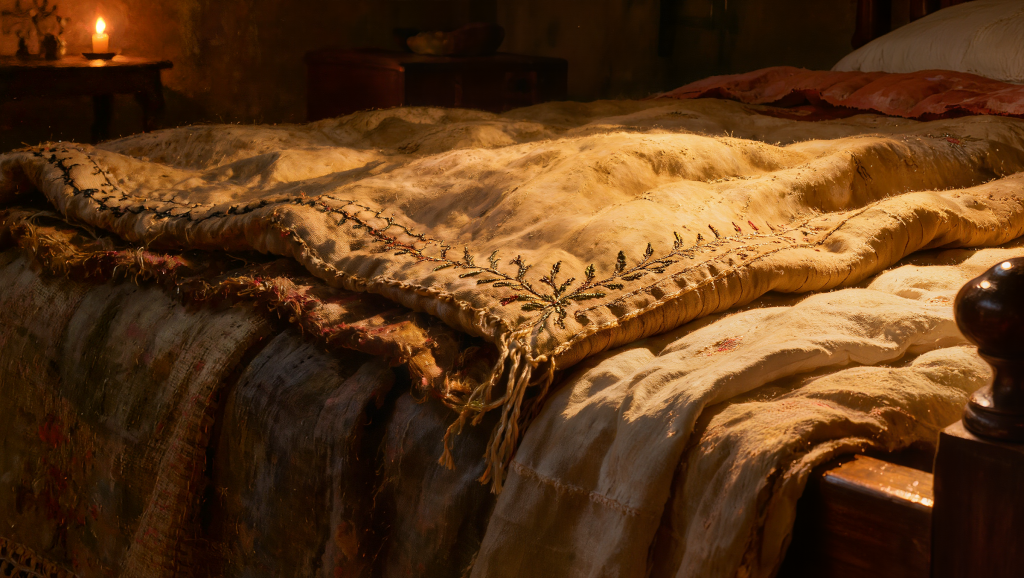
One of the most surprising courtship traditions came from colonial America and parts of Northern Europe. It was known as “bundling.”
During a courtship visit, a couple might spend the night in the same bed, especially if travel distances were long or weather conditions were difficult.
However, there was a catch.
They remained fully clothed and were often separated by a wooden board, blanket, or special sack-like garment.
The idea was to allow conversation and emotional closeness while preventing physical intimacy. Families sometimes approved of the arrangement and viewed it as a practical solution.
Not every family practiced bundling, and historians still debate how common it was. Even so, it remains one of the most unusual courtship customs in history.
3. Love Spoons in Wales
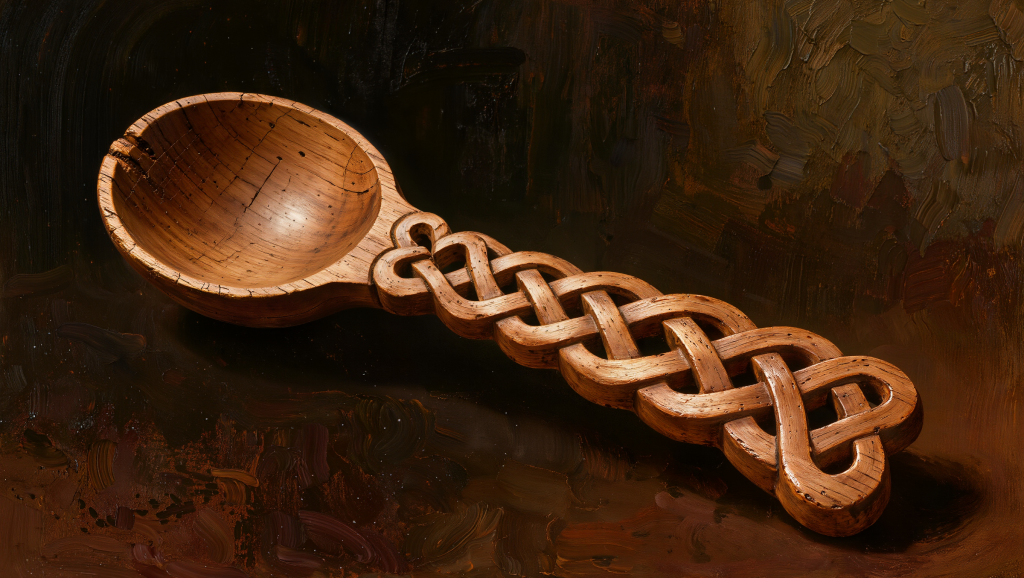
For centuries in Wales, young men carved decorative wooden spoons and presented them to women they hoped to court.
These weren’t ordinary kitchen utensils. The spoons featured intricate designs including hearts, keys, chains, wheels, and other symbols.
Each carving carried a message. A heart represented affection, while a key could symbolize the key to one’s heart.
Creating a love spoon required patience and skill, and a well-crafted spoon showed dedication, craftsmanship, and effort—qualities that were highly valued in a potential husband.
Some surviving examples are astonishingly detailed. Today, Welsh love spoons are still popular gifts and remain an enduring symbol of romance.
4. The Japanese Tradition of Omiai
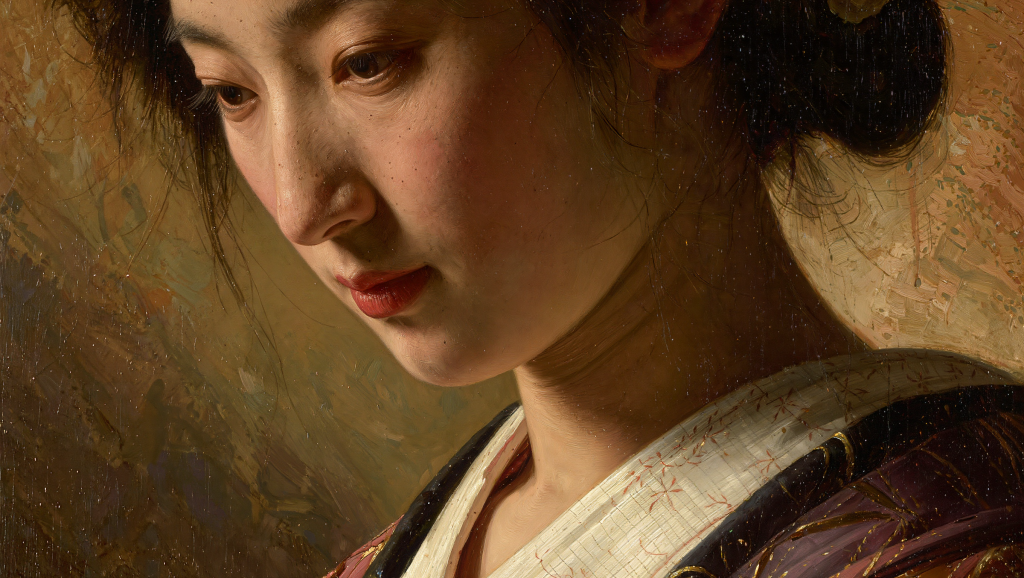
In Japan, arranged meetings known as omiai became an important path to marriage, particularly during the late 19th and early 20th centuries.
Families or professional matchmakers would introduce potential partners based on factors such as family background, education, social standing, and personal compatibility.
If both parties agreed, they would meet and get to know each other.
Unlike the stereotype of forced marriage, many omiai arrangements gave individuals the option to decline a match. The process was structured, but personal choice often played a role.
Even today, modern versions of omiai continue in Japan, though they exist alongside more conventional dating.
5. Serenading in Southern Europe
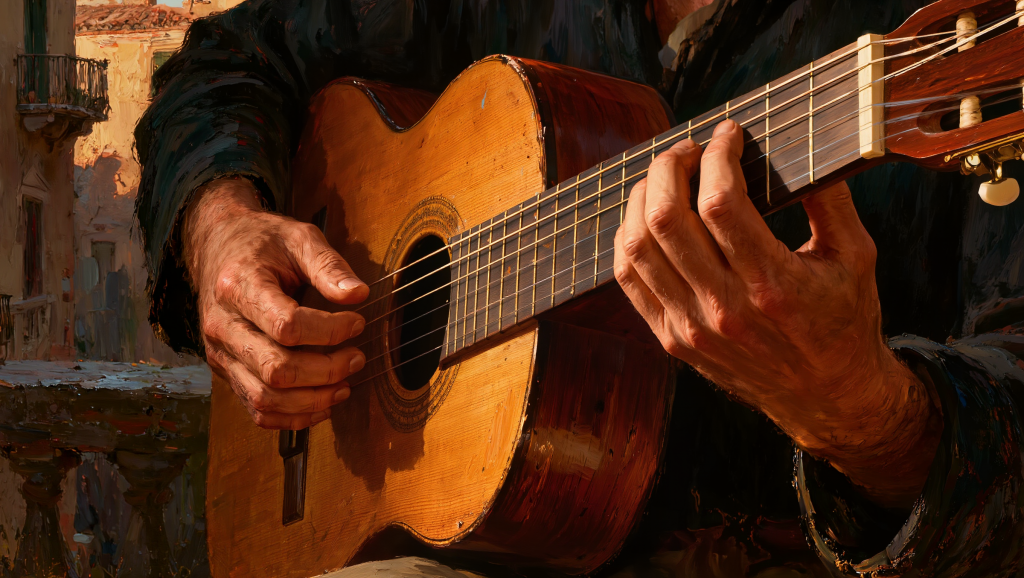
For hundreds of years, a determined suitor in countries such as Italy and Spain might express his feelings through a nighttime serenade.
A young man would gather musicians—or sometimes perform himself—and sing beneath a woman’s window. The goal was to impress her and demonstrate his affection publicly.
Of course, this required courage. Not only did the woman hear the performance, but so did her family, neighbors, and anyone else nearby.
A poor singer risked embarrassment, while a talented one could earn admiration.
Serenading became deeply associated with romance and still appears in popular culture today.
6. Handfasting in Medieval Britain
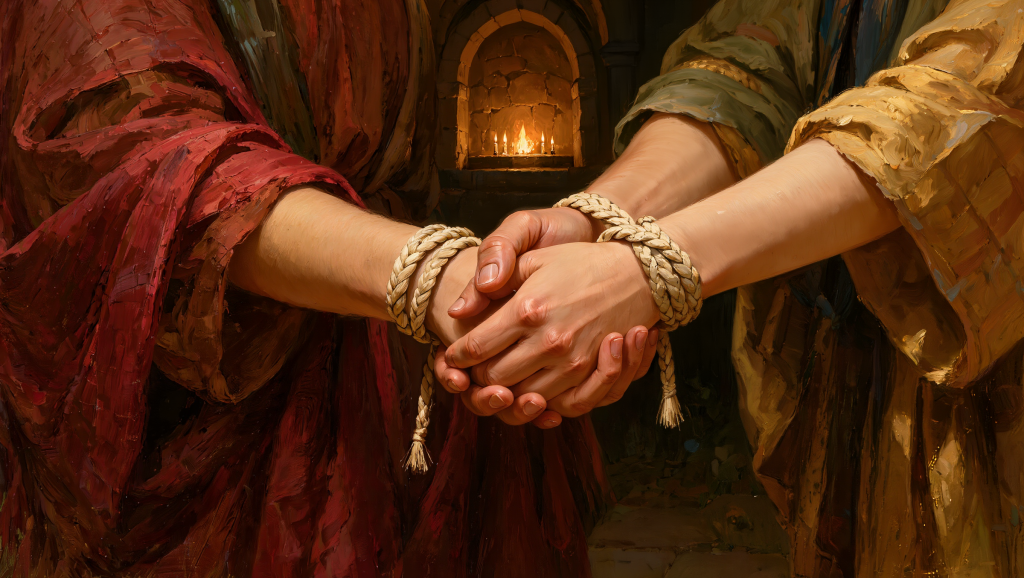
Before modern wedding ceremonies became standardized, some couples in parts of Britain practiced a tradition called handfasting.
During the ceremony, a couple’s hands were tied together with a ribbon, cord, or cloth while vows were exchanged. This symbolic act represented their commitment to one another.
In some regions, handfasting functioned as a formal engagement. In others, it was considered a legitimate marriage ceremony. Practices varied depending on location and time period.
The phrase “tying the knot” is often linked to this tradition. Whether or not every version led directly to marriage, handfasting emphasized mutual promises and public commitment.
7. The Victorian Language of Flowers
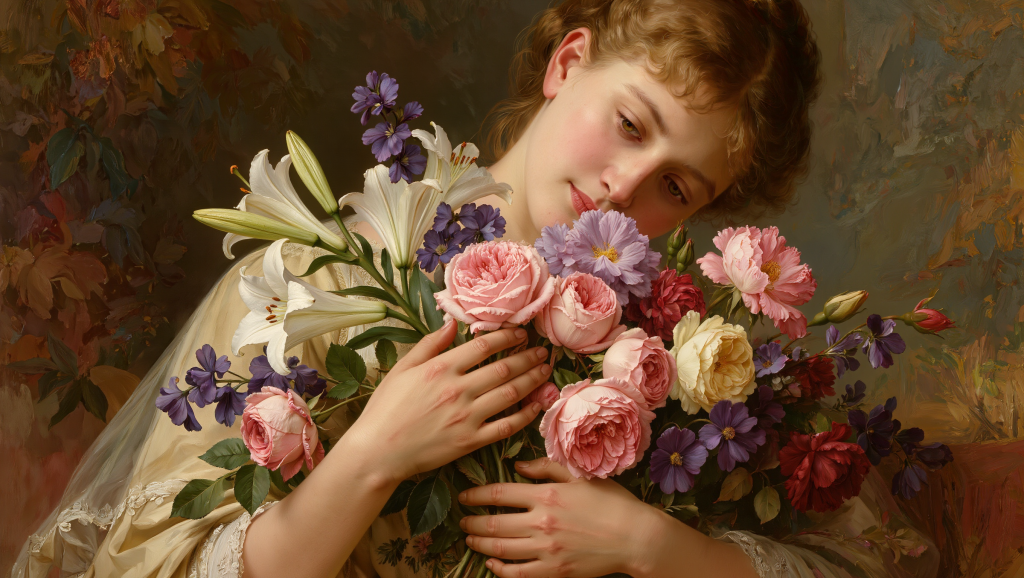
The Victorian era in the 19th century was famous for its strict social rules. Open displays of affection were often discouraged, which led people to communicate feelings in creative ways.
One popular method was floriography, sometimes called the language of flowers.
Different flowers carried different meanings. Red roses symbolized love, while other blooms represented friendship, admiration, jealousy, or devotion.
A carefully arranged bouquet could communicate an entire message without a single spoken word. People even consulted guidebooks explaining the meanings of specific flowers.
To modern eyes it may seem overly complicated, but Victorians enjoyed the subtlety.
8. Courting Fans in 18th-Century Europe
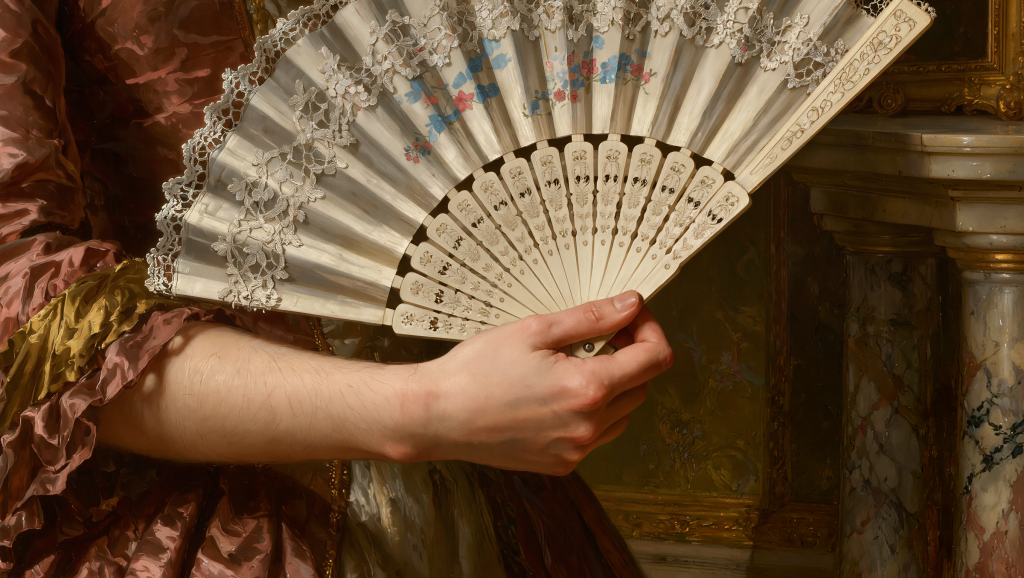
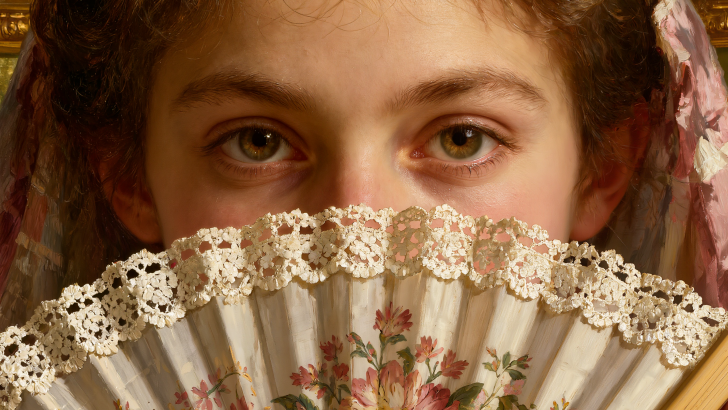
In the 1700s, fashionable women often carried decorative hand fans. According to popular tradition, fans could also be used to send flirtatious signals.
Certain movements supposedly conveyed messages. Holding a fan near the heart might signal affection. Opening and closing it in a particular way could indicate interest or encourage conversation.
Historians disagree about how formal or widespread this “fan language” really was. Some evidence suggests it was exaggerated by fan manufacturers and later writers.
Still, the idea became incredibly popular and remains associated with historical romance.
Whether fully real or partly myth, the fan became an elegant symbol of courtship and social interaction.
9. May Day Courtship Traditions
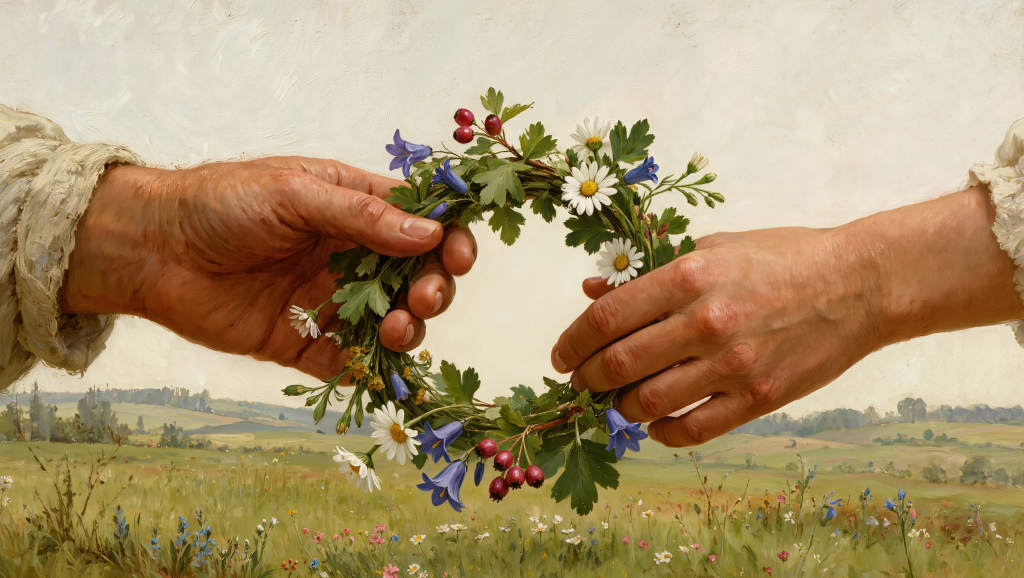
Across parts of Europe, May Day celebrations often included rituals connected to romance and marriage.
Young men might decorate a tree or erect a maypole in a village square. In some regions, they secretly left flowers or branches outside the homes of women they admired. Elsewhere, dances and festivals provided opportunities for young people to meet potential partners.
Spring naturally became associated with love, fertility, and new beginnings. Communities used seasonal celebrations to encourage social interaction among unmarried young adults.
10. The Scottish Tradition of Blackening
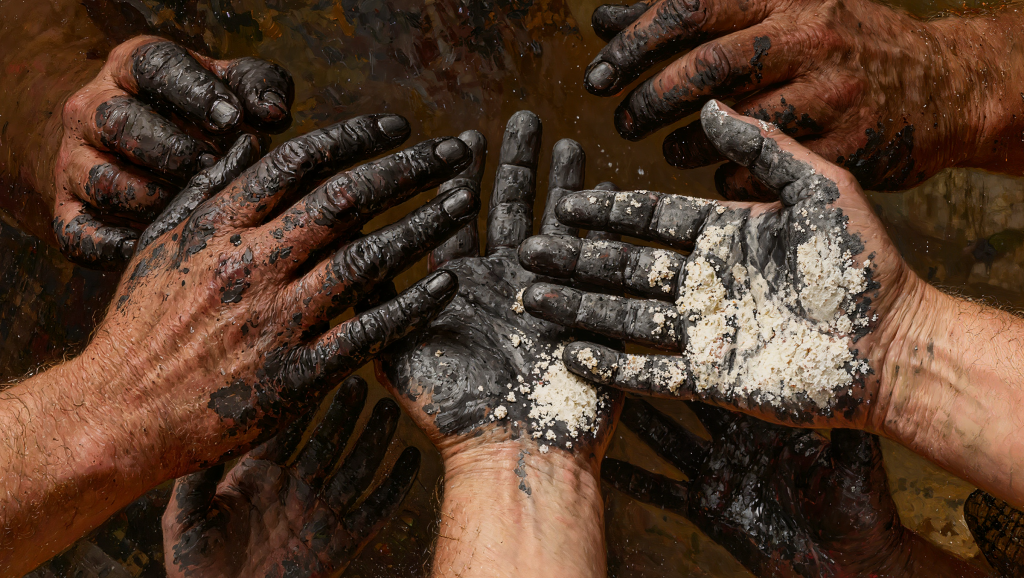
Scotland has long been known for unique wedding customs, and one of the most memorable is blackening.
Traditionally, friends and family would cover a bride, groom, or both with substances such as soot, flour, feathers, mud, or other messy materials before the wedding. The unfortunate couple would then be paraded around town.
At first glance, this sounds more like a prank than a romantic tradition. In fact, it wasn’t really about romance itself. Instead, it served as a test of resilience and preparation for married life.
The idea was that if a couple could survive public embarrassment and chaos together, they could handle the challenges of marriage.
Odd as it may seem, the custom remains part of Scottish wedding culture in some areas today.
