
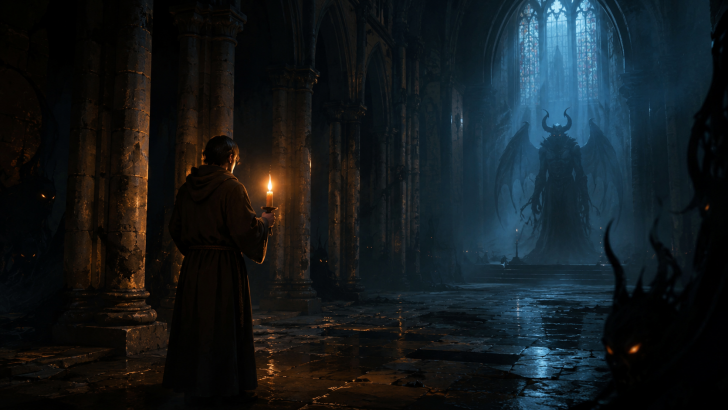
Today, many people think of demons as fictional characters from movies, novels, or fantasy games.
During the medieval period, countless people believed demons were real spiritual beings that could influence everyday life.
These beliefs shaped everything from religion and medicine to law and folklore.
Strange illnesses, frightening dreams, sudden disasters, and unexplained events were sometimes blamed on demonic activity.
Priests, scholars, and ordinary villagers all had their own ideas about how demons worked and how they could be avoided.
While many of these beliefs may seem surprising today, they reveal how people in the Middle Ages tried to explain a world that often felt mysterious and unpredictable.
Here are eight medieval beliefs about demons that shock modern readers.
1. Demons Were Believed to Wander the Earth Constantly
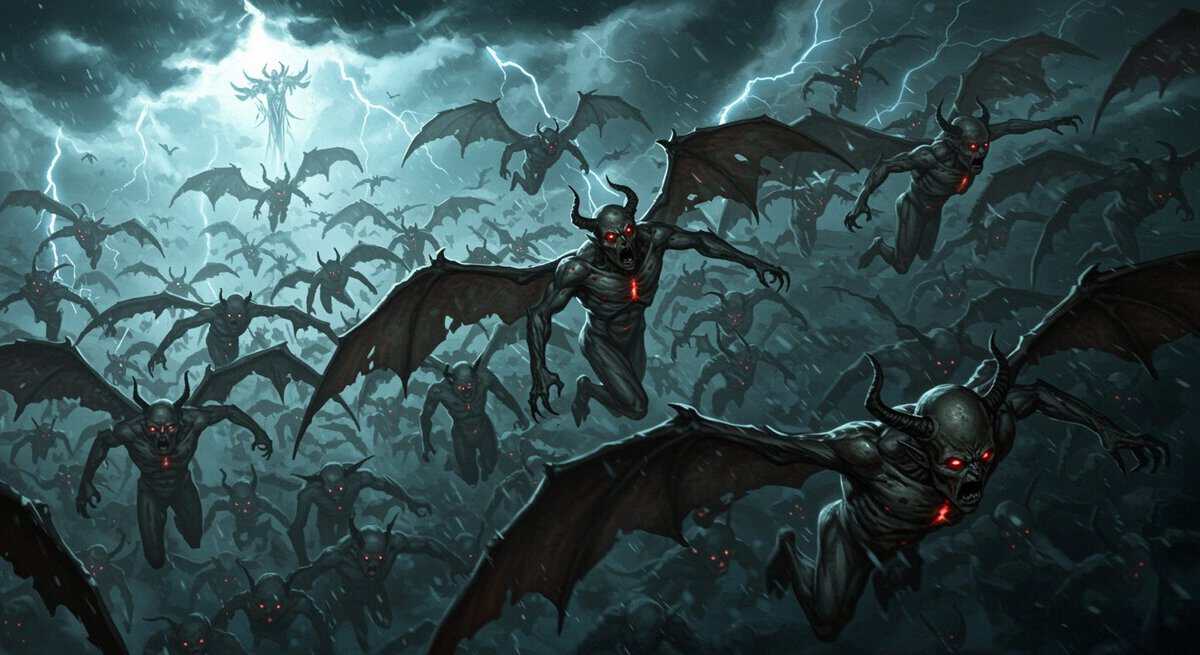
Many medieval people believed demons were not confined to a distant underworld.
Instead, they thought these spiritual beings moved freely through the world, watching human behavior and searching for opportunities to tempt people into wrongdoing.
Imagine believing that unseen beings might be nearby wherever you went. This idea encouraged people to remain spiritually alert throughout their daily lives.
Ordinary temptations, moments of anger, or selfish decisions were sometimes viewed as opportunities that demons tried to exploit.
For medieval Christians, the struggle between good and evil was not just a symbolic idea. It was believed to be taking place all around them every day.
2. Demons Could Tempt People Through Dreams
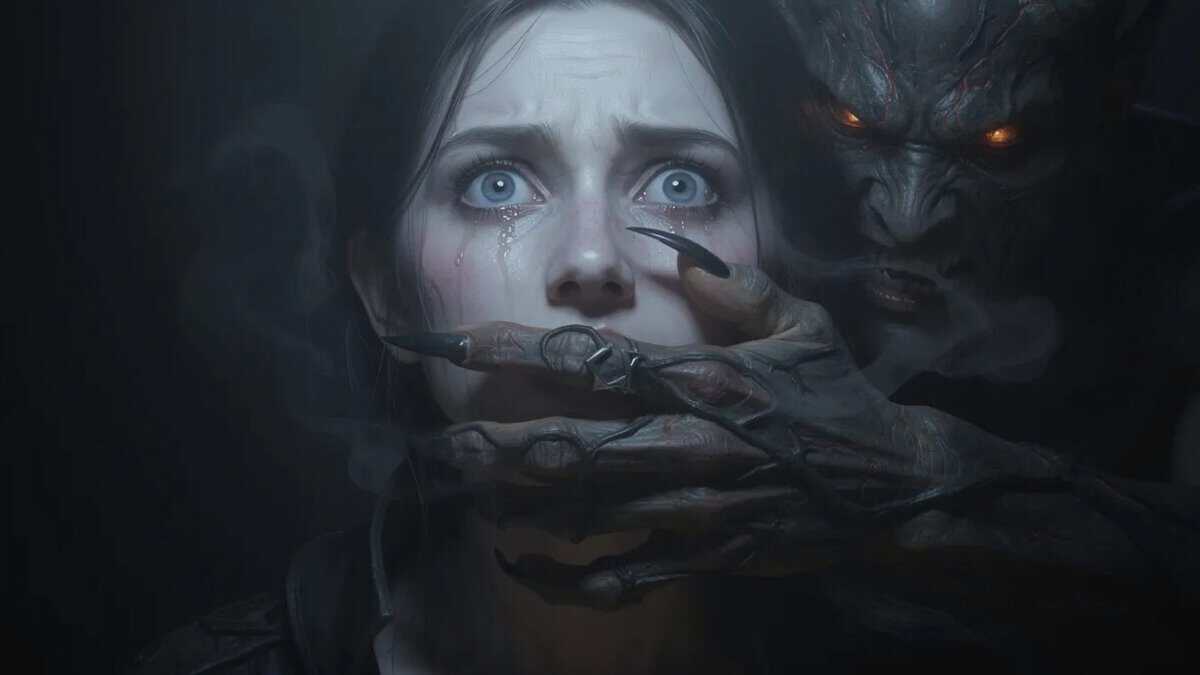
Dreams were often taken much more seriously during the Middle Ages than they are today.
While some dreams were believed to come from God, others were thought to be attempts by demons to confuse, frighten, or tempt sleeping people.
A disturbing dream could sometimes be interpreted as a spiritual warning rather than simply an active imagination.
Imagine waking after a frightening nightmare and believing it might have carried a deeper supernatural meaning.
Because dreams were considered important, many people prayed before going to bed and asked for divine protection during the night.
These practices reflected the widespread belief that sleep did not necessarily place someone beyond spiritual danger.
3. Some People Believed Demons Could Cause Illness

Before modern medicine, the causes of many illnesses remained a mystery.
As a result, some medieval people believed certain physical or mental conditions could be influenced by demonic forces.
This belief did not mean every illness was blamed on demons. Medieval physicians often searched for natural causes as well.
However, diseases that appeared suddenly or behaved in unusual ways sometimes received supernatural explanations.
Think about living in a time when no one understood bacteria or viruses.
Without those scientific discoveries, people naturally searched for other explanations when sickness spread through a community.
These beliefs reflected the limited medical knowledge available during the period rather than deliberate superstition.
4. Holy Objects Were Believed to Offer Protection
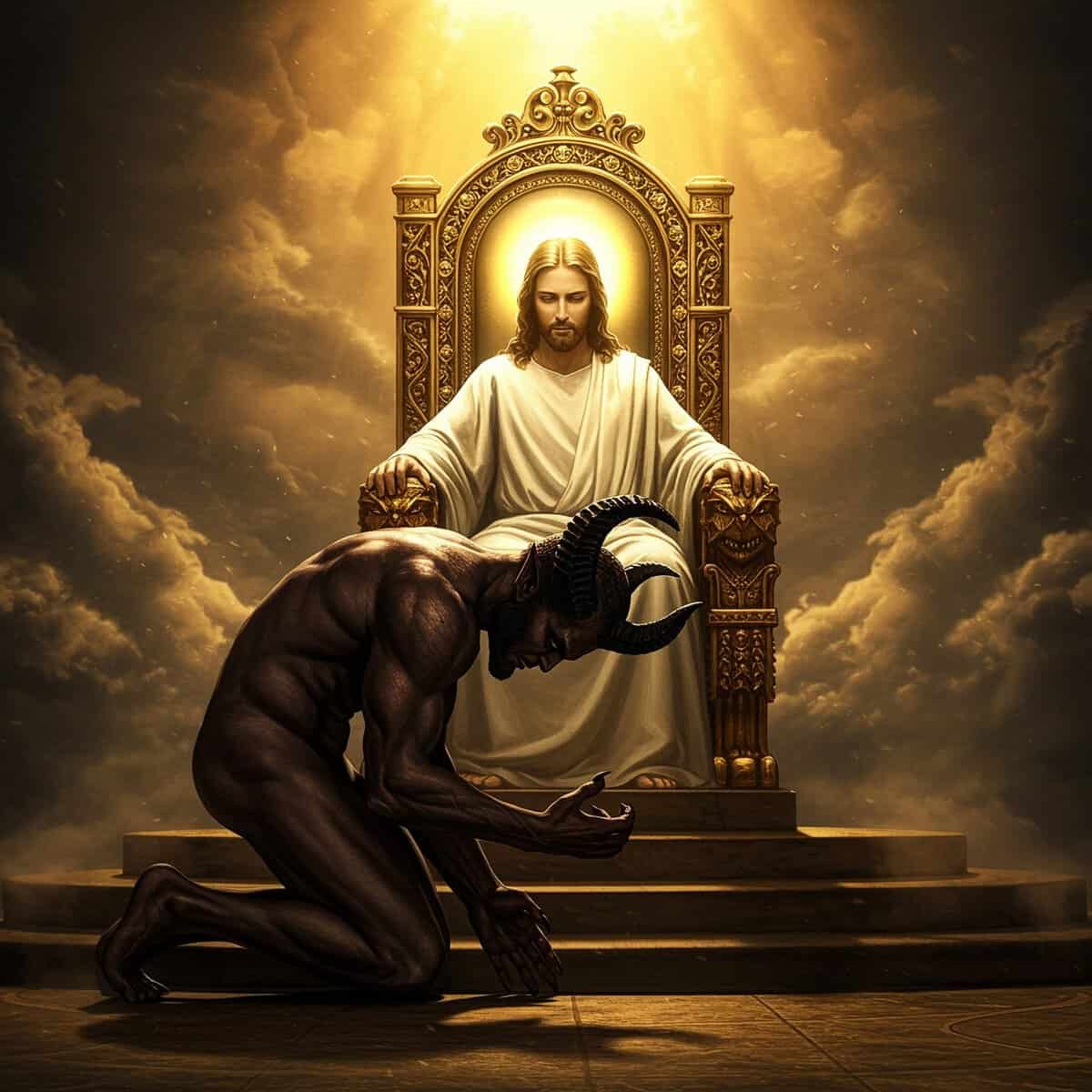
Many people believed certain religious objects could help protect them from demonic influence.
Crosses, blessed water, sacred relics, and written prayers were commonly treated as sources of spiritual comfort and protection.
Imagine setting out on a long journey while carrying an object you believed offered divine care.
These practices gave people confidence during uncertain times. People felt brave.
Religious symbols served as visible reminders of faith and were thought to strengthen a person’s resistance to spiritual temptation.
Whether at home or while traveling, many medieval Christians found reassurance in keeping these sacred objects nearby.
5. Demons Were Thought to Be Masters of Deception
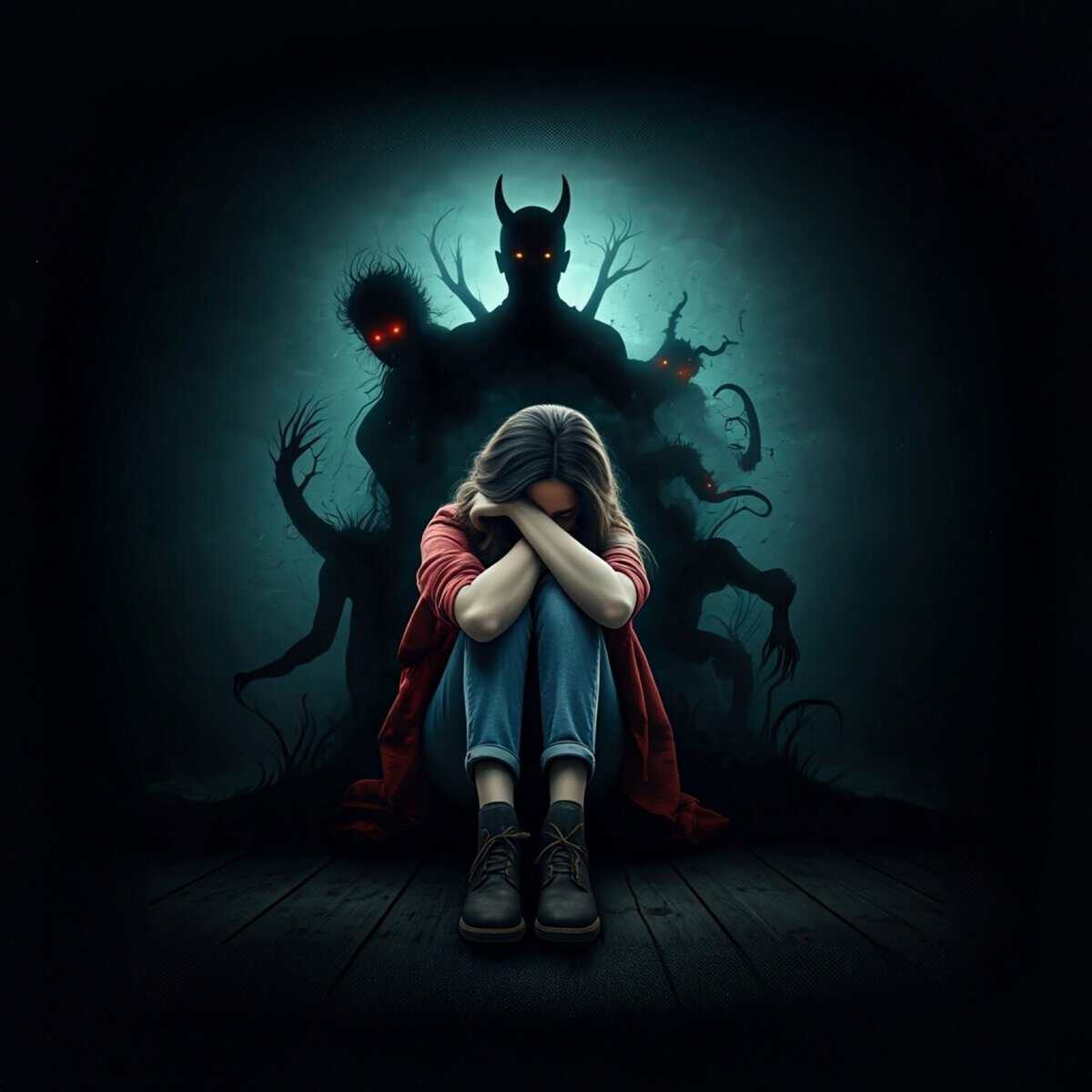
Medieval writers frequently described demons as clever deceivers rather than obvious monsters.
According to many religious teachings, demons could disguise their true intentions by making harmful choices appear attractive or harmless.
This belief encouraged people to think carefully before making important decisions.
Imagine receiving advice that seemed appealing at first but eventually led to serious consequences. The lesson was that appearances could be misleading.
Many medieval sermons emphasized the importance of wisdom, patience, and moral judgment because people believed deception often arrived in subtle forms rather than dramatic ones.
6. Scholars Tried to Classify Different Demons
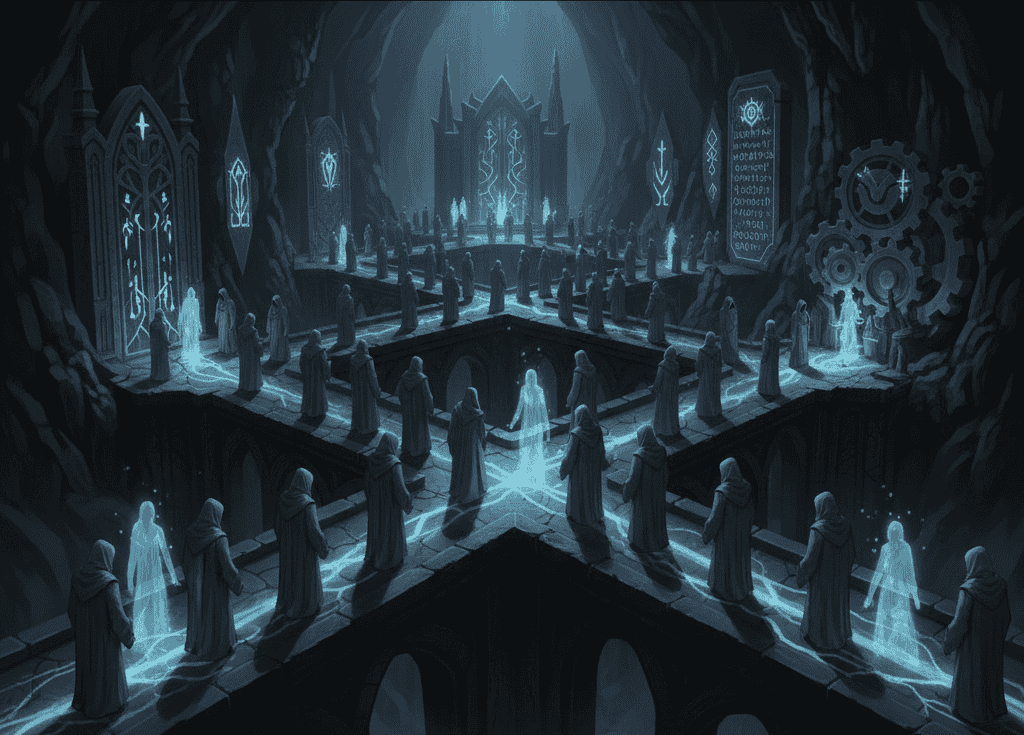
One surprising aspect of medieval history is that some scholars attempted to organize demons into detailed categories.
They wrote books describing different names, ranks, and supposed areas of influence based on religious traditions, folklore, and earlier writings.
To modern readers, these classifications may resemble fictional world-building. However, many educated people at the time treated these discussions quite seriously.
Imagine creating an encyclopedia devoted entirely to supernatural beings.
These writings reflected a broader medieval interest in organizing knowledge about every part of the universe, including the unseen spiritual world.
Not everyone agreed with these classifications, but they became influential in later folklore and literature.
7. Demons Were Believed to Fear Genuine Faith
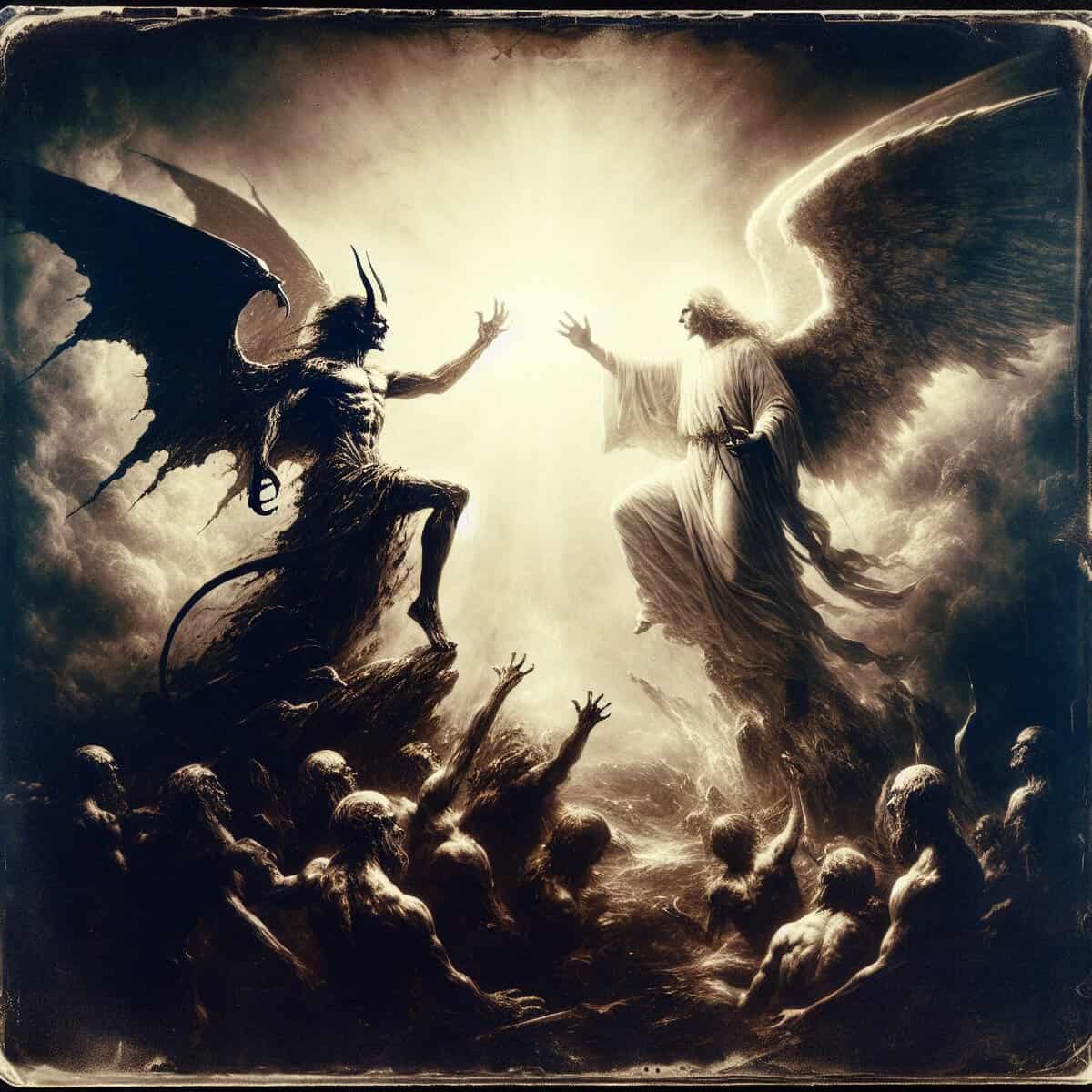
Although medieval people often saw demons as dangerous, they did not believe they were unstoppable.
Religious teachings generally emphasized that sincere faith, prayer, and trust in God were stronger than any demonic force.
This belief offered comfort during uncertain times. It made people stronger and more peaceful.
Instead of living in constant fear, believers were encouraged to strengthen their spiritual lives through worship and moral behavior.
Imagine facing frightening situations while believing that goodness ultimately held greater power than evil.
That message appears repeatedly throughout medieval religious writings.
It reminded people that courage and faith were considered more powerful than fear.
8. Some People Believed Demons Could Disguise Themselves as Angels
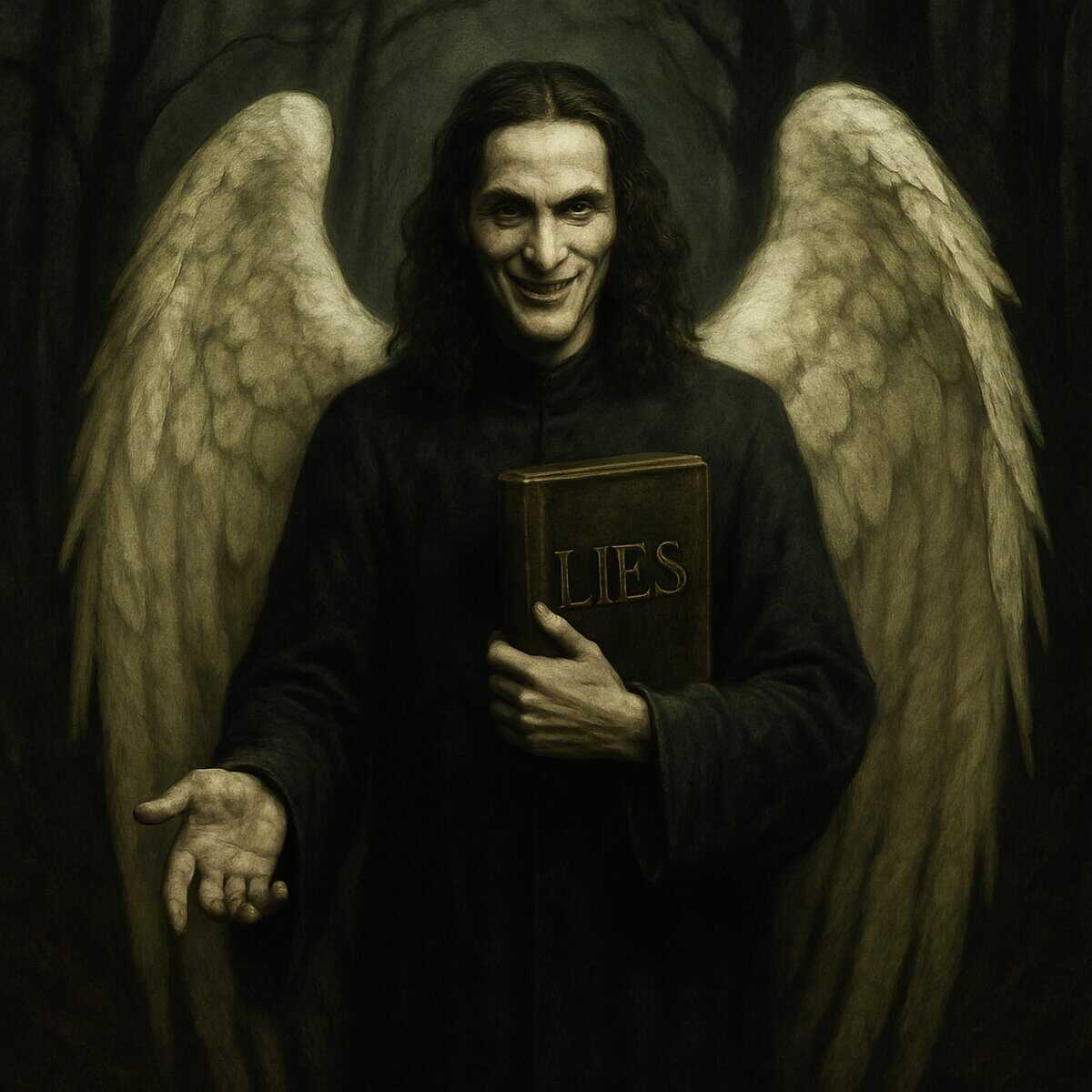
One of the most unsettling medieval beliefs was that demons did not always appear frightening.
According to many religious writers, demons could disguise themselves as beautiful or trustworthy beings in order to deceive people.
They were believed to imitate goodness, offering false guidance while hiding harmful intentions.
Imagine meeting someone who seemed wise, kind, and convincing, only to discover they had completely different motives.
This belief taught people to be cautious about accepting every vision or supernatural experience at face value.
Medieval theologians often emphasized that appearances alone could not be trusted.
They encouraged people to judge spiritual experiences carefully rather than assuming every extraordinary event came from a good source.
To modern readers, this idea may sound like something from a fantasy novel, but for many people during the Middle Ages, it was considered a very real possibility.

Sempre senti uma forte ligação com o Divino desde o meu nascimento. Como autora e mentora, a minha missão é ajudar os outros a encontrar o amor, a felicidade e a força interior nos momentos mais sombrios.