

Being invited to dinner with the gods sounds like the greatest honor anyone could receive.
In Greek mythology, only a handful of mortals ever came that close to the Olympians, and one of them was a wealthy king named Tantalus.
He had everything most people could only dream about. The gods trusted him, welcomed him to their table, and treated him almost like one of their own.
Then he threw it all away.
What happened next became one of the darkest stories in Greek mythology, and it’s also where we get the word tantalize.
Here’s the incredible story of Tantalus and the feast that changed everything.
1. Tantalus Was No Ordinary Mortal
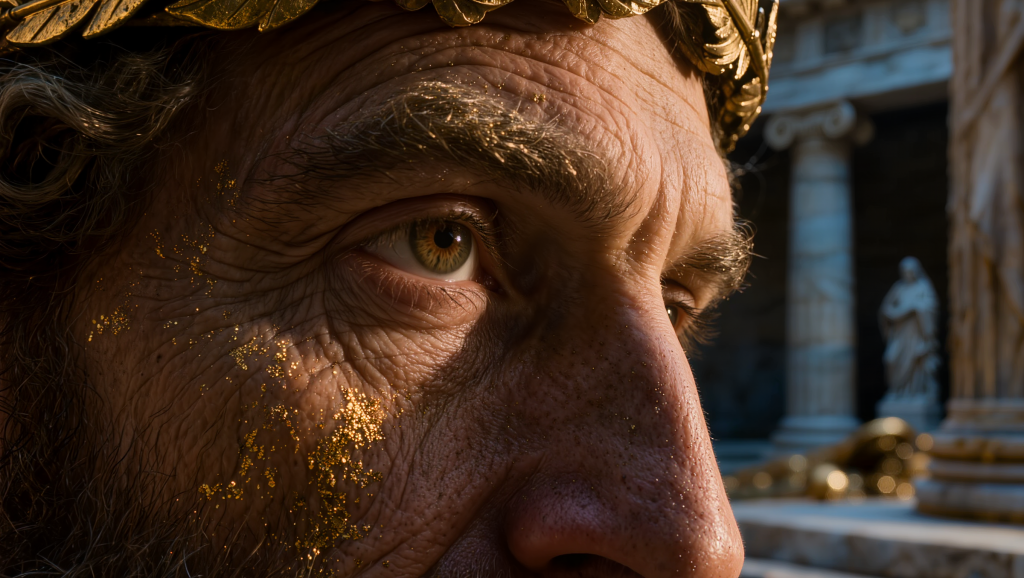
Tantalus wasn’t just another king wandering around ancient Greece.
According to most versions of the myth, he was the son of Zeus and the nymph Pluto, which meant he already had a connection to the gods from birth.
He ruled the wealthy kingdom of Sipylus, usually placed in what is now western Turkey, and he was famous for his riches and influence.
But what really made him special was his relationship with the Olympian gods.
Unlike almost every other human, Tantalus was welcomed onto Mount Olympus itself.
He wasn’t there to deliver messages or perform some impossible quest. He was invited as a guest.
He sat at the same table as Zeus, Hera, Athena, Apollo, and the rest of the Olympians, sharing meals that no ordinary person was ever supposed to experience.
For a mortal, it simply didn’t get any better than that.
2. Dining With the Gods Was an Incredible Privilege

In Greek mythology, the gods lived very differently from humans.
They ate ambrosia and drank nectar, foods that were believed to be connected with their divine nature. Mortals weren’t supposed to have them. The gap between humans and gods was enormous, and very few people were ever allowed to cross it.
That’s why Tantalus stood out.
The Olympians trusted him enough to invite him into their world.
Imagine being invited into the most exclusive place imaginable, somewhere no one else could enter, and being treated as an honored guest. That’s basically what happened.
Unfortunately, Tantalus didn’t seem to understand how rare that privilege really was.
3. He Began Abusing the Gods’ Trust

Here’s where the story becomes a little complicated.
Ancient Greek writers didn’t all tell exactly the same version.
Some claimed Tantalus stole ambrosia and nectar from Olympus and secretly gave them to humans. Others said he revealed private conversations and divine secrets that he’d overheard while dining with the gods.
Another tradition even says he stole a sacred golden dog that belonged to Zeus.
Even though the details change, the message stays the same.
Tantalus became arrogant.
Instead of appreciating the incredible honor he’d been given, he acted as though the rules no longer applied to him. In Greek mythology, that kind of pride had a name: hubris.
And if there’s one thing the Olympian gods almost always punished, it was hubris.
Still, according to the most famous version of the myth, he wasn’t finished making terrible decisions.
Not even close.
4. The Feast That Horrified Olympus
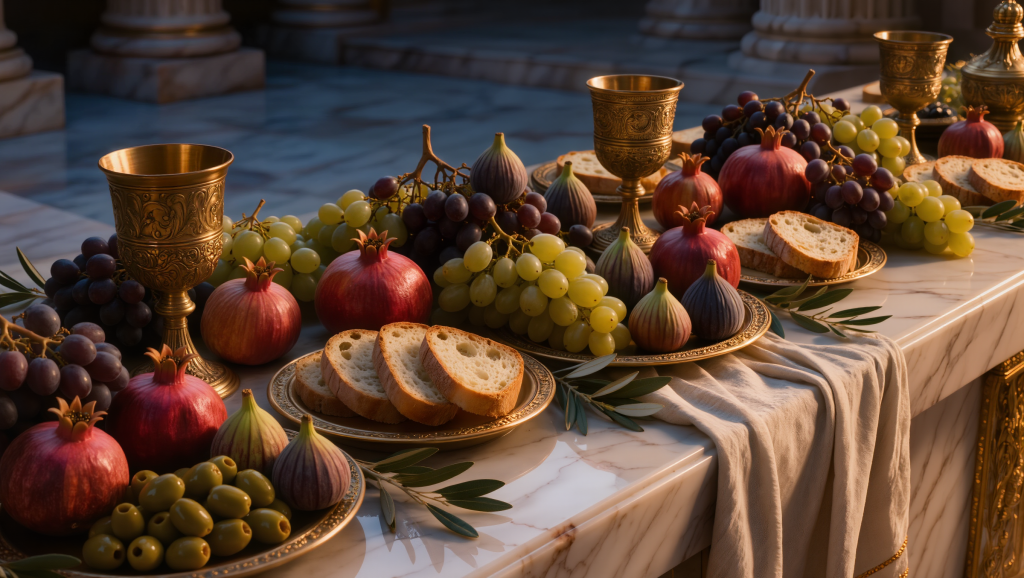
This is the version most people know today, and it’s easily the darkest.
Tantalus wanted to test whether the gods were truly all-knowing. So he came up with an idea that was as shocking as it was horrifying.
He killed his own son, Pelops.
Then he cut the body into pieces, cooked the meat, and served it to the Olympian gods during a great banquet.
And if the gods ate the meal without realizing what it was, they couldn’t possibly be all-knowing.
Almost every god recognized the deception immediately. None of them touched the food.
Only Demeter, overwhelmed with grief because her daughter Persephone had recently disappeared into the Underworld, absentmindedly ate a small piece from Pelops’ shoulder before realizing what had happened.
The feast ended in horror instead of celebration.
5. Pelops Didn’t Stay Dead
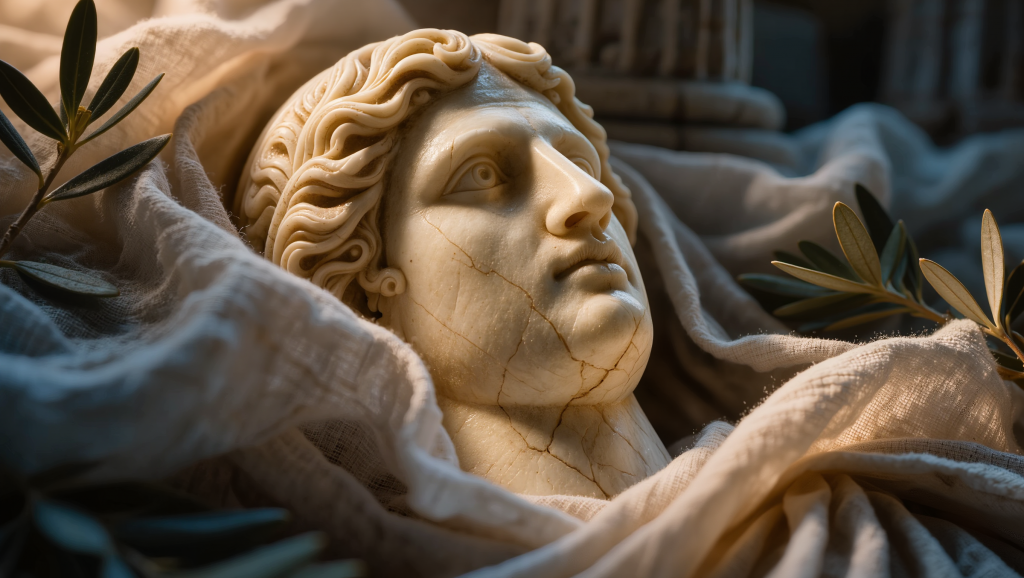
As disturbing as the banquet was, the story doesn’t end with Pelops.
The gods gathered the pieces of his body and brought him back to life.
And since Demeter had unknowingly eaten part of his shoulder, the missing piece was replaced with one made of ivory. It became one of the strangest details in all of Greek mythology.
Pelops would go on to become an important figure himself.
Many myths connect him to the naming of the Peloponnese, and he eventually became the ancestor of famous heroes and kings like Atreus, Agamemnon, and Menelaus.
In other words, Tantalus nearly destroyed a family that would later shape some of Greece’s greatest legends.
6. His Punishment Became Legendary

The gods had tolerated a lot from Tantalus.
This time, though, there was no forgiveness.
Zeus condemned him to Tartarus, the deepest and darkest part of the Underworld, where the worst offenders were punished for eternity.
His punishment was brilliantly cruel.
Tantalus stood forever in a pool of clear water that reached almost to his chin. Every time he bent down to drink, the water disappeared.
Above his head hung branches filled with ripe fruit. Whenever he reached for them, the branches lifted just beyond his fingertips.
As if that weren’t enough, many versions also describe a huge stone suspended above him, always threatening to fall but never actually doing so.
He would remain hungry. He would remain thirsty. And he would never escape.
7. This Is Where the Word “Tantalize” Comes From

Here’s a fun fact that surprises a lot of people.
The English word tantalize comes directly from Tantalus.
Today we use it to describe something that’s tempting but always just out of reach. Maybe it’s a promotion you almost got, a vacation you can’t quite afford, or the smell of fresh food when you’re absolutely starving.
That’s exactly what Tantalus experienced forever.
It’s one of those rare myths that’s still hiding in everyday language thousands of years later.
8. The Story Was Really About Pride
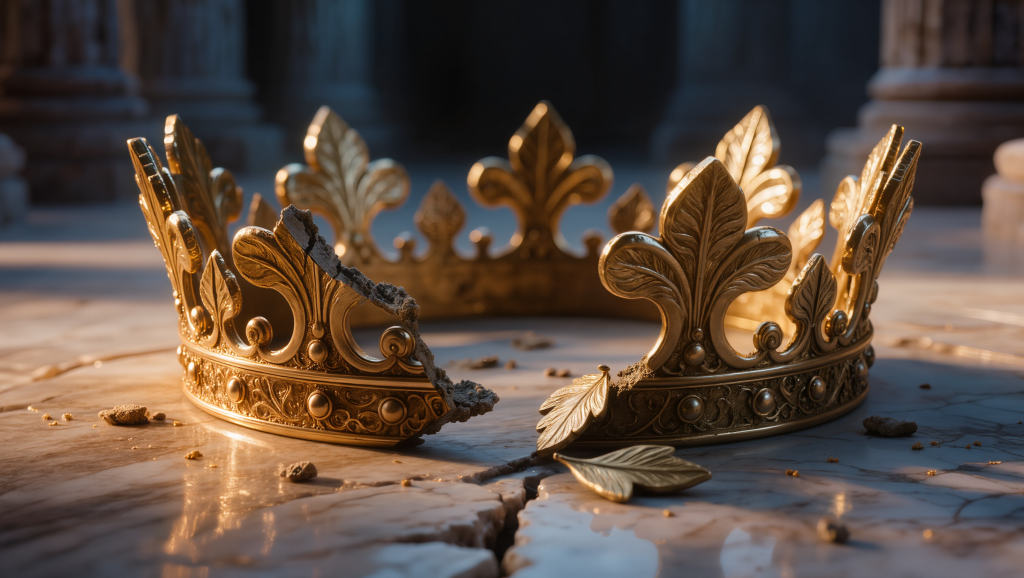
It’s easy to focus on the gruesome feast because it’s so shocking, but that wasn’t the main lesson ancient Greeks took from the story.
The bigger issue was Tantalus’ pride.
He was given extraordinary privileges that almost no human could imagine. Instead of showing gratitude, he believed he could outsmart the gods, ignore the limits placed on mortals, and abuse the trust he’d been given.
Greek mythology is filled with characters who suffer because of hubris, but Tantalus is probably one of the clearest examples.
His story also reminds us that myths weren’t meant to be neat historical accounts. Different ancient writers told different versions of what Tantalus actually did before his punishment.
Some blamed theft, others betrayal, and others the horrifying banquet with Pelops.
What all of those stories have in common is the same basic message: when someone lets arrogance replace gratitude, the fall can be spectacular.
