
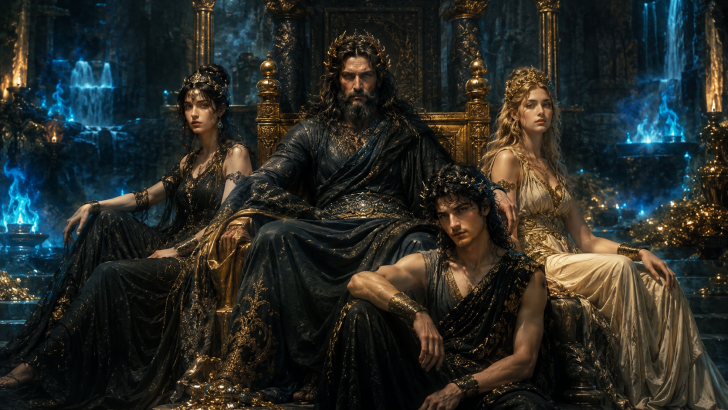
When people think about Hades, they usually picture the ruler of the underworld sitting upon his dark throne beside Persephone.
Unlike Zeus, who fathered countless heroes and gods, Hades is often portrayed as distant, serious, and far less involved in romantic adventures.
Because of this, many people assume Hades had no children at all. The truth is more complicated.
Different ancient writers, local traditions, and later myths sometimes gave the god of the underworld children of his own.
Some ruled over death and spirits, while others represented mercy, blessings, and even peaceful endings.
Since Greek mythology rarely agrees on every detail, some of these family connections vary depending on the source.
Still, they offer a fascinating look into one of mythology’s most mysterious royal families.
Here are six children of Hades that many people have never heard about.
1. Melinoë Was the Goddess of Ghosts and Night Wanderers
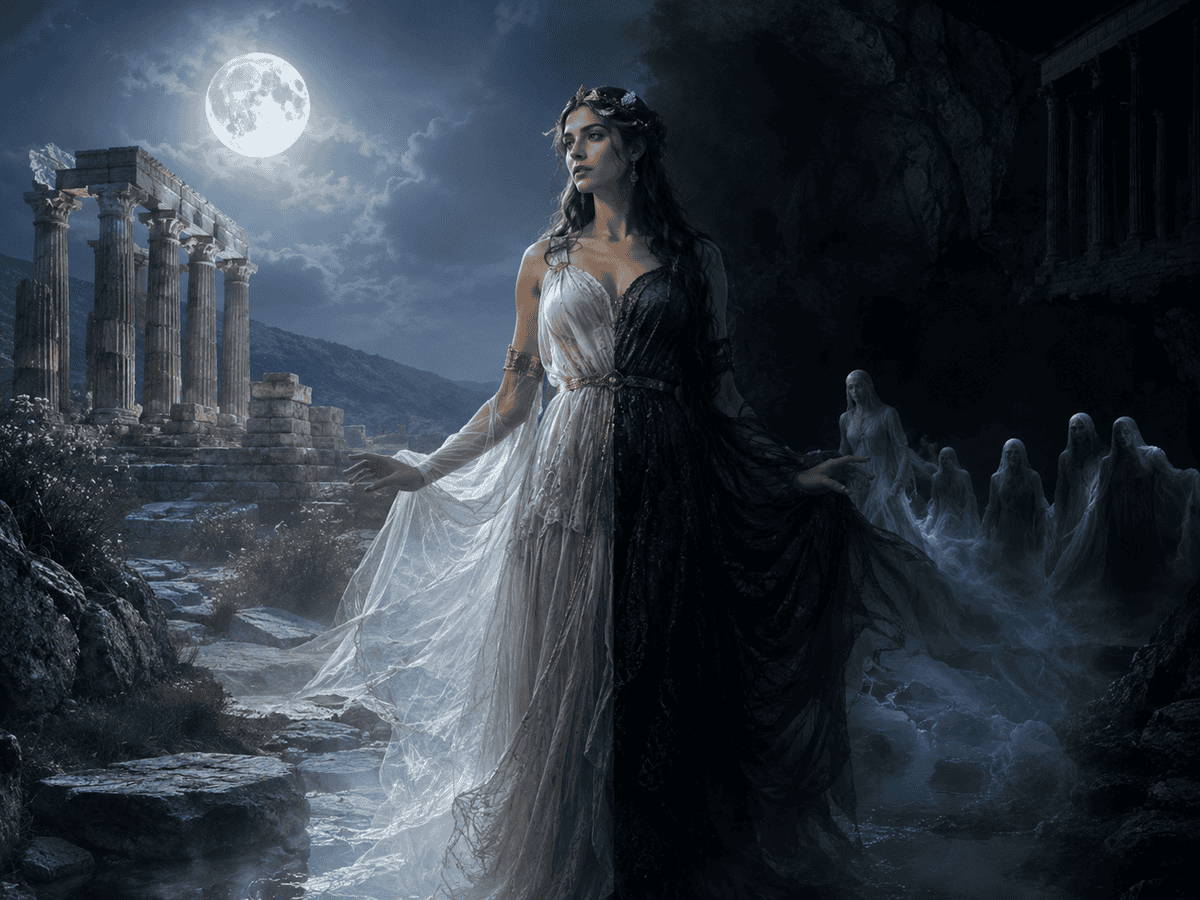
Melinoë is perhaps the most famous child connected to Hades in later Greek traditions.
She was associated with ghosts, nightmares, and spirits that wandered during the night.
Ancient descriptions portray her as a mysterious goddess who moved between the world of the living and the dead.
Some traditions describe her as the daughter of Persephone and Zeus, while others connect her directly to Hades because Zeus was said to have approached Persephone while appearing in Hades’ form.
This unusual story gave Melinoë strong ties to the underworld regardless of which version is followed.
Ancient texts sometimes describe her as having a body divided between light and darkness, symbolizing her connection to both life and death.
Her role was not necessarily evil or malicious. Instead, she represented the strange and unsettling mysteries that surrounded the spirit world in Greek imagination.
Even today, Melinoë remains one of the most intriguing and mysterious figures connected with the underworld family.
2. Macaria Represented Blessed Death
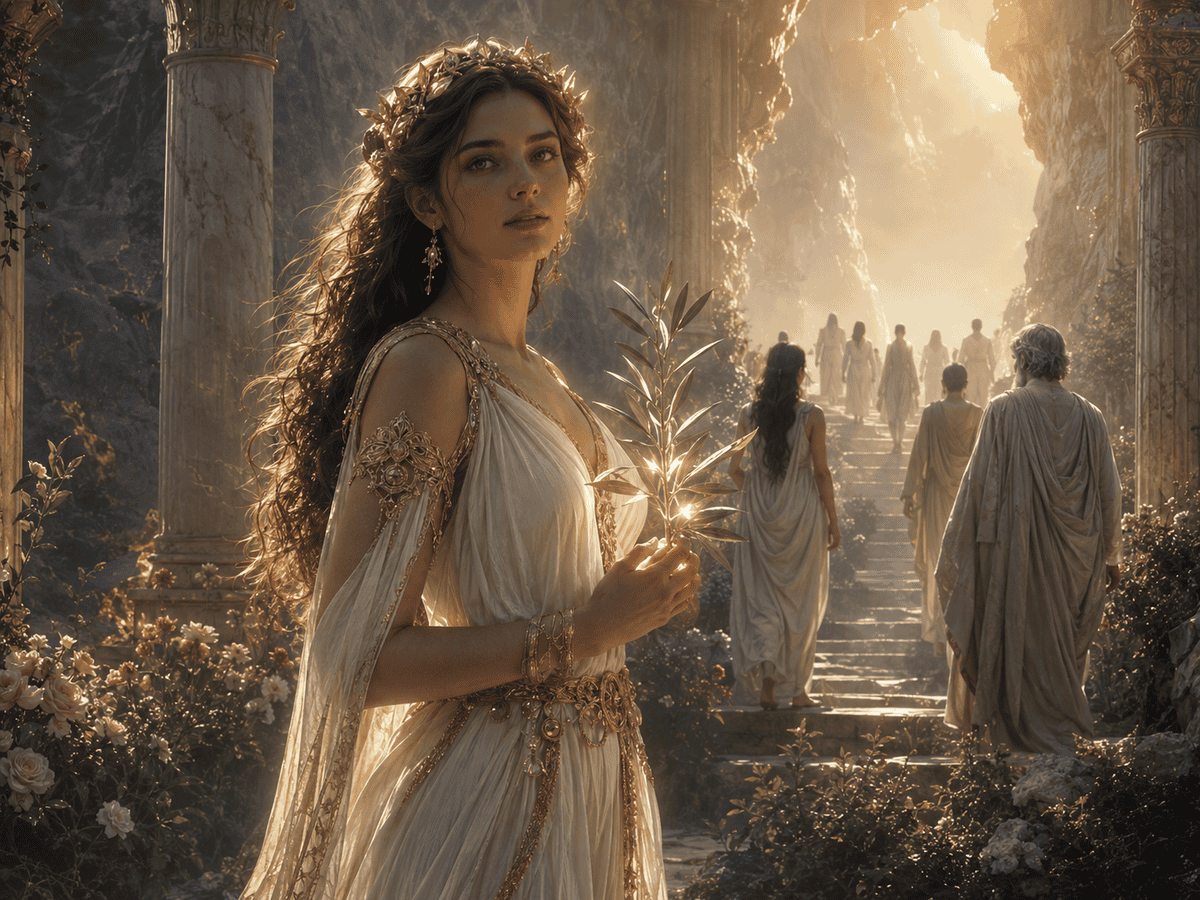
The idea of a goddess connected with peaceful death may sound surprising, but that was the role of Macaria.
Her name roughly means “blessed” or “fortunate,” and she was associated with gentle or peaceful endings rather than suffering or violence.
Many later traditions describe her as the daughter of Hades and Persephone. Unlike many underworld figures, Macaria was not feared.
Instead, she represented the belief that not every death was tragic or terrifying. For the ancient Greeks, a peaceful passing after a long and meaningful life could be viewed as a blessing.
Very few myths survive about her, which has only increased her mystery.
Her existence also reminds us that the Greek underworld was not simply a place of punishment.
It was the destination of nearly every soul, and figures such as Macaria reflected its quieter and more compassionate side.
Among the children connected with Hades, she is certainly one of the least known.
3. Zagreus Was Sometimes Called the First Son of Hades
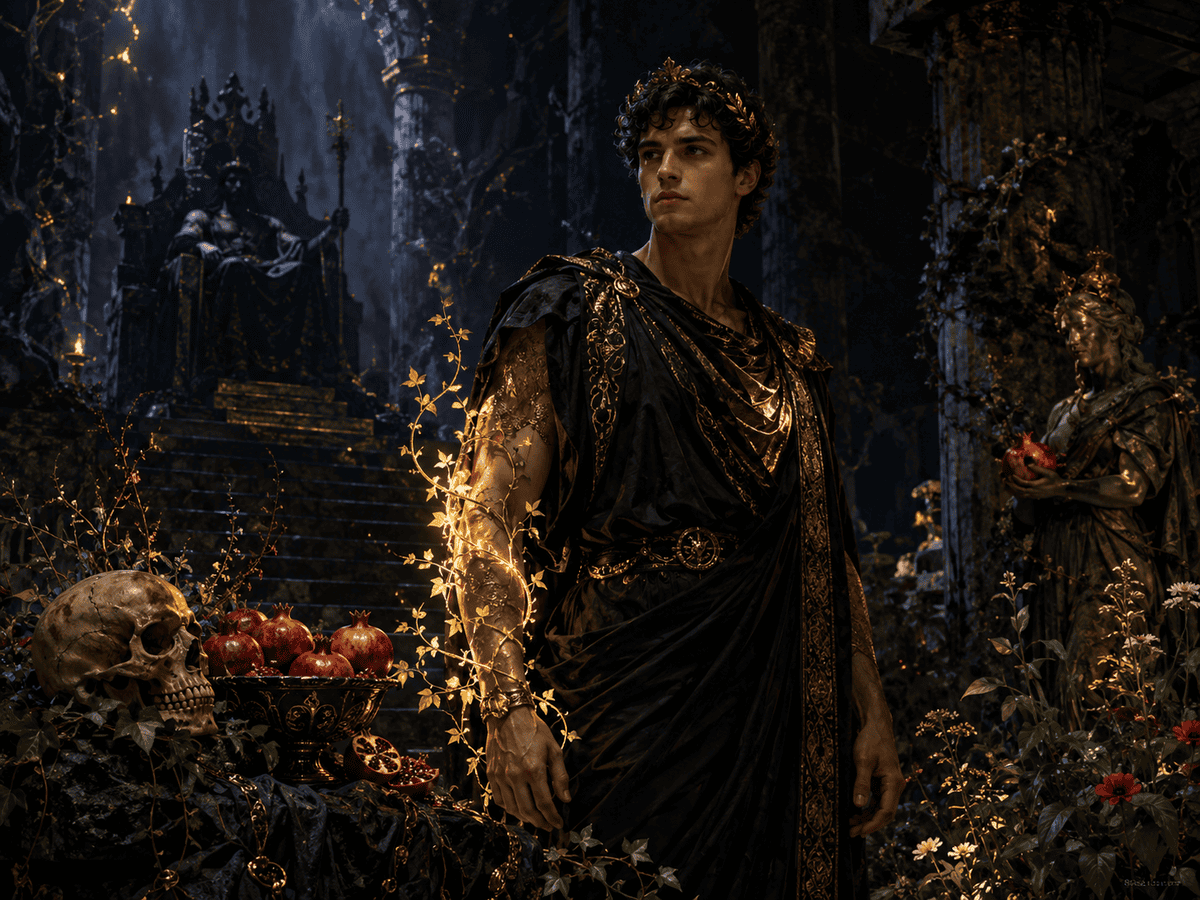
Zagreus occupies one of the most confusing places in Greek mythology.
In some traditions, especially those connected with Orphic beliefs, he was described as the son of Zeus and Persephone.
Other traditions identified him as the son of Hades and Persephone instead.
Because ancient myths changed over time and varied between regions, scholars still debate his exact parentage.
Zagreus was often connected with rebirth, renewal, and the cycle of life and death.
Some stories describe him as an earlier form of Dionysus or as a separate god who shared certain characteristics with the god of wine.
His mythology became especially important in mystery religions that focused on the soul and the afterlife.
Zagreus was once one of the most significant figures connected with the underworld and spiritual transformation.
His story reflects the deep interest ancient Greeks had in what happened after death.
4. The Erinyes Were Sometimes Linked to Hades’ Household
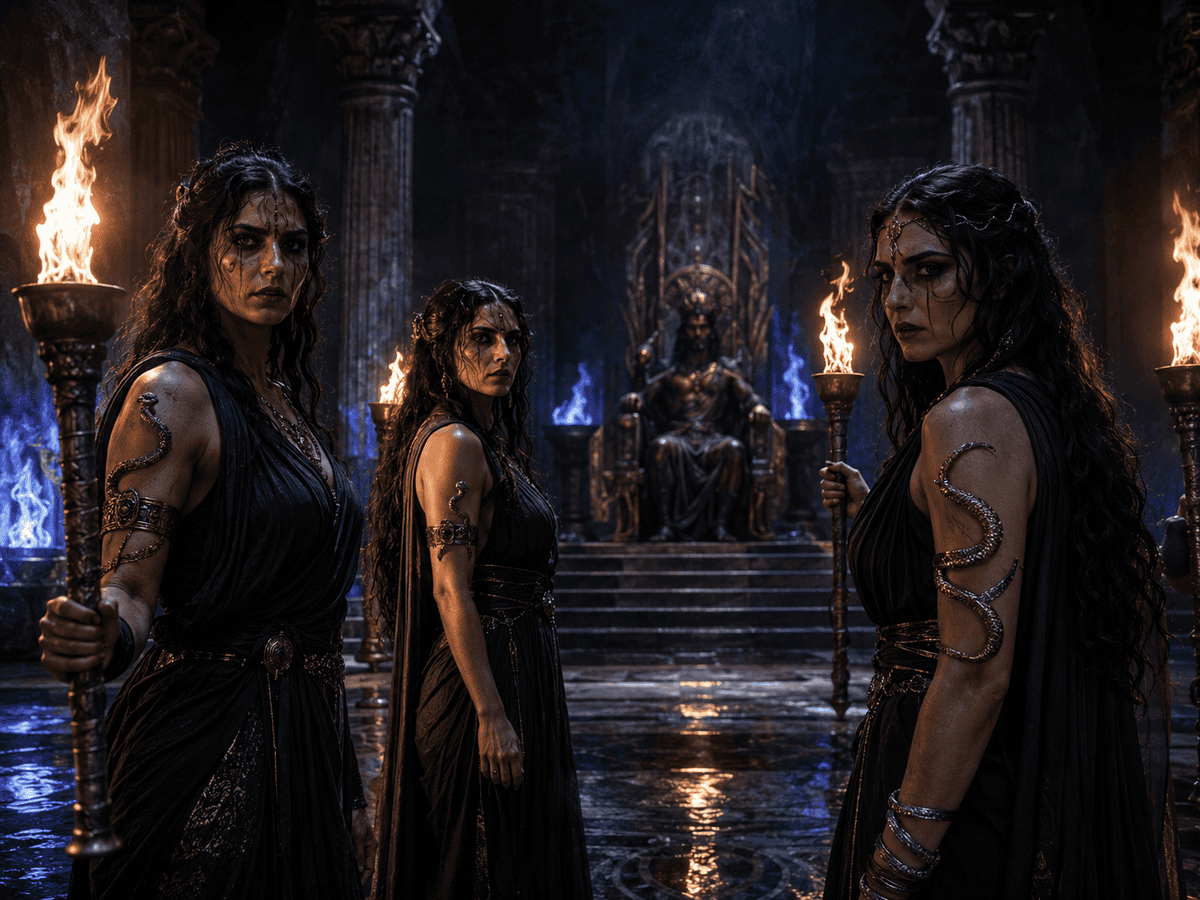
The Erinyes, better known as the Furies, were terrifying spirits of vengeance who punished murderers, oath breakers, and those guilty of terrible crimes.
Most myths give them different origins, often tracing them back to the blood of Uranus.
However, some later traditions closely connected them with Hades and his kingdom, treating them almost as members of his extended household or spiritual family.
The Furies acted as guardians of justice within the underworld. They ensured that crimes committed among the living did not go unanswered after death.
Their presence reminded Greeks that even kings and heroes could not escape the consequences of their actions forever.
Their fearsome reputation made them some of the most respected figures in the underworld.
5. The Keres Were Sometimes Viewed as Daughters of Death
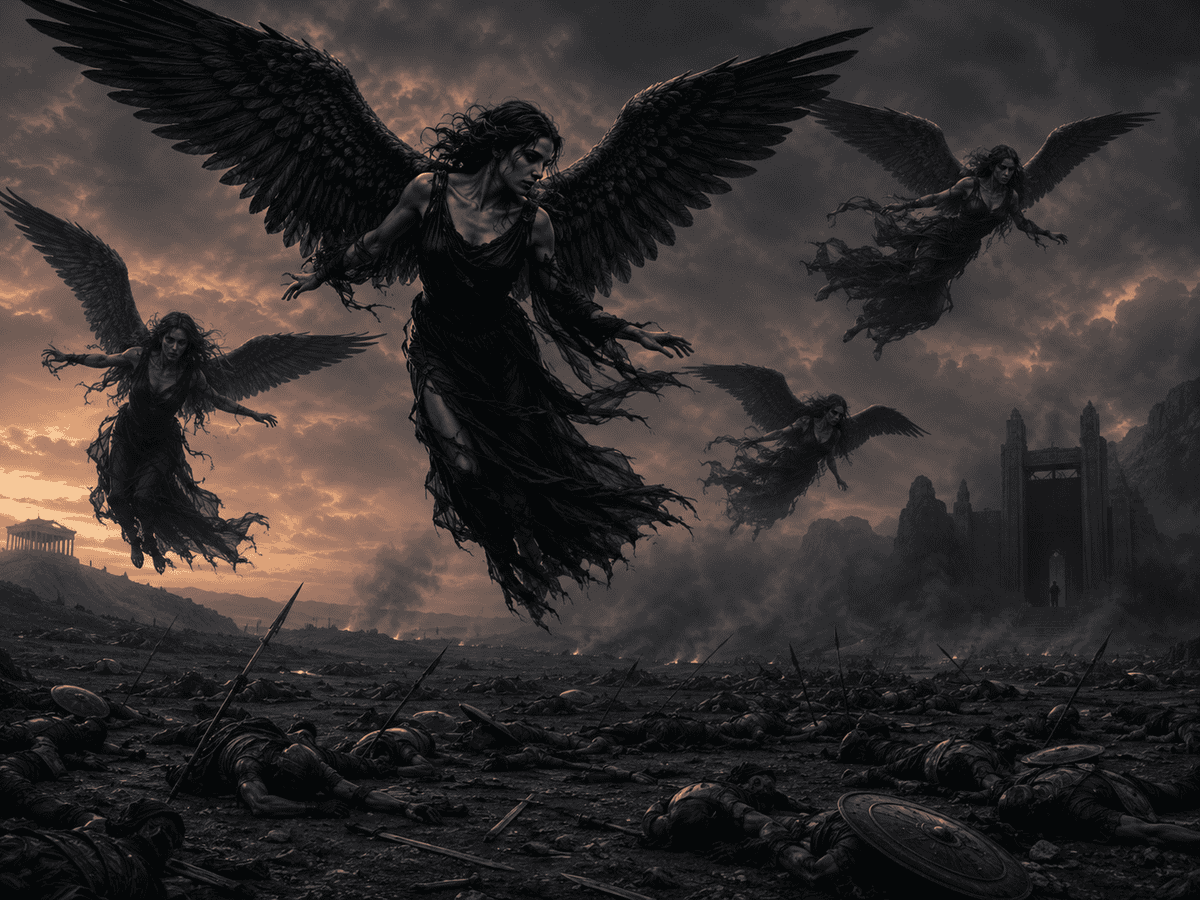
The Keres were female spirits associated with violent death on the battlefield.
Ancient artists often depicted them flying above wars and conflicts, waiting to claim the souls of fallen warriors. Most traditions identify them as daughters of Nyx, the goddess of night.
However, because of their close connection with death and the underworld, some local traditions and later writers grouped them among the children or servants of Hades.
The Keres represented the brutal reality of war that ancient people knew all too well. Unlike peaceful spirits such as Macaria, they symbolized sudden and violent endings.
Their frightening appearance reflected the fear and uncertainty that surrounded battle in the ancient world.
6. Ploutos Was Occasionally Connected to Hades Through His Name
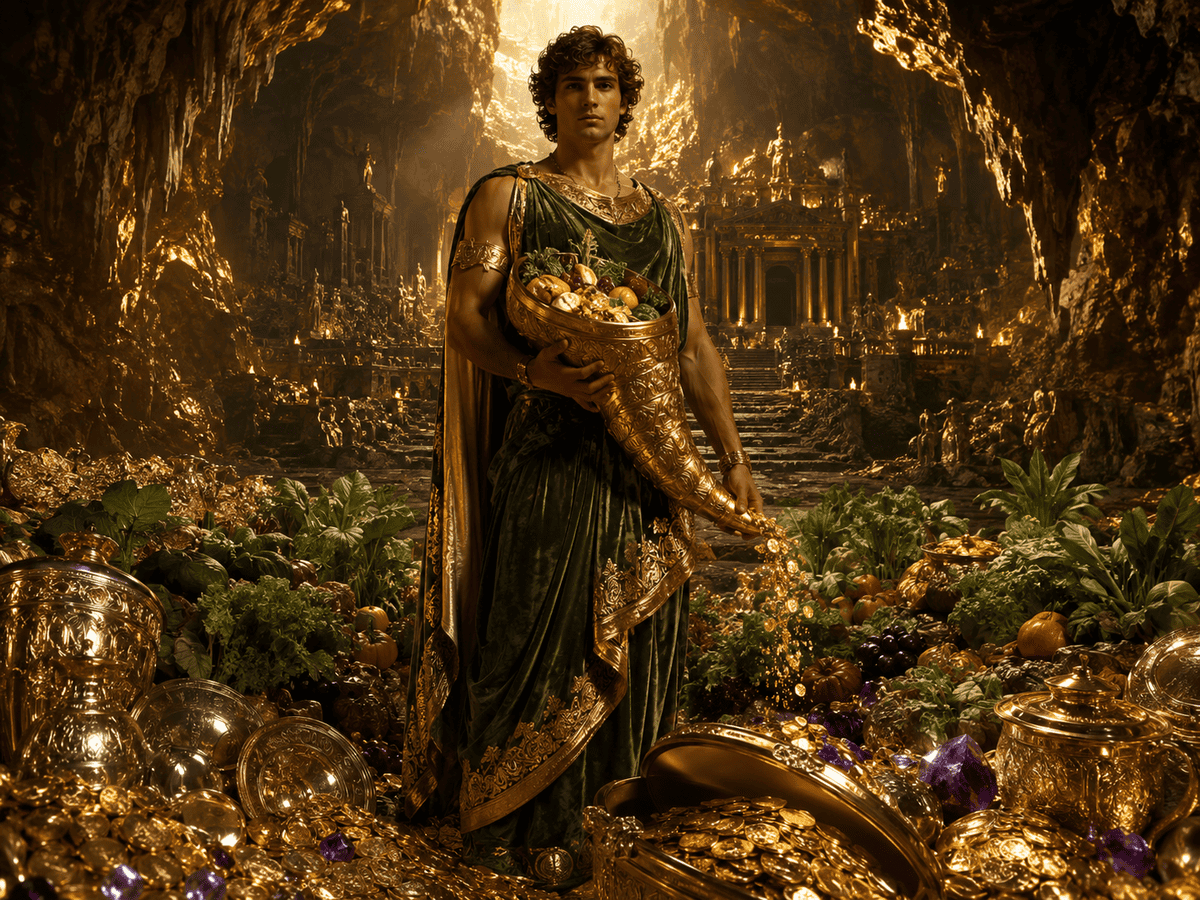
At first glance, wealth may seem completely unrelated to the underworld.
However, the Greeks associated precious metals, fertile soil, and hidden treasures with the earth beneath their feet.
Because Hades ruled everything underground, he sometimes received the title Plouton, meaning “the wealthy one.”
This connection occasionally caused confusion between Hades and Ploutos, the god of wealth and abundance. Most myths identify Ploutos as the son of Demeter and the mortal Iasion.
Even so, some later traditions and local beliefs connected him symbolically with Hades because both figures ruled over riches hidden beneath the earth.
Gold, silver, gemstones, and fertile fields all emerged from the ground that Hades governed.

Sempre senti uma forte ligação com o Divino desde o meu nascimento. Como autora e mentora, a minha missão é ajudar os outros a encontrar o amor, a felicidade e a força interior nos momentos mais sombrios.