
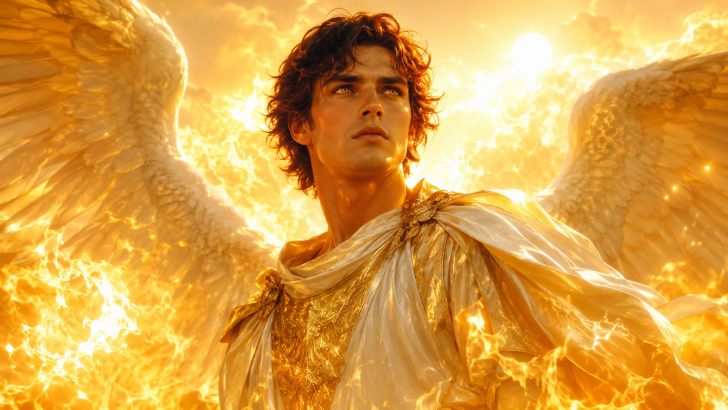
Fire has always carried powerful symbolism in religious traditions and mythology.
It can provide warmth, light, protection, and purification, yet it can also represent power, judgment, and transformation.
Because of these associations, it is not surprising that some angelic traditions speak of heavenly beings connected with flames and divine fire.
One of the most fascinating among them is Nuriel. He appears in certain Jewish mystical writings and traditions as an angel associated with fire, radiance, and spiritual strength.
His name and symbolism have fascinated scholars, theologians, and students of angelology for centuries.
Here are eight things about Nuriel, the Angel of Fire.
1. Nuriel’s Name Is Closely Connected With Light and Fire
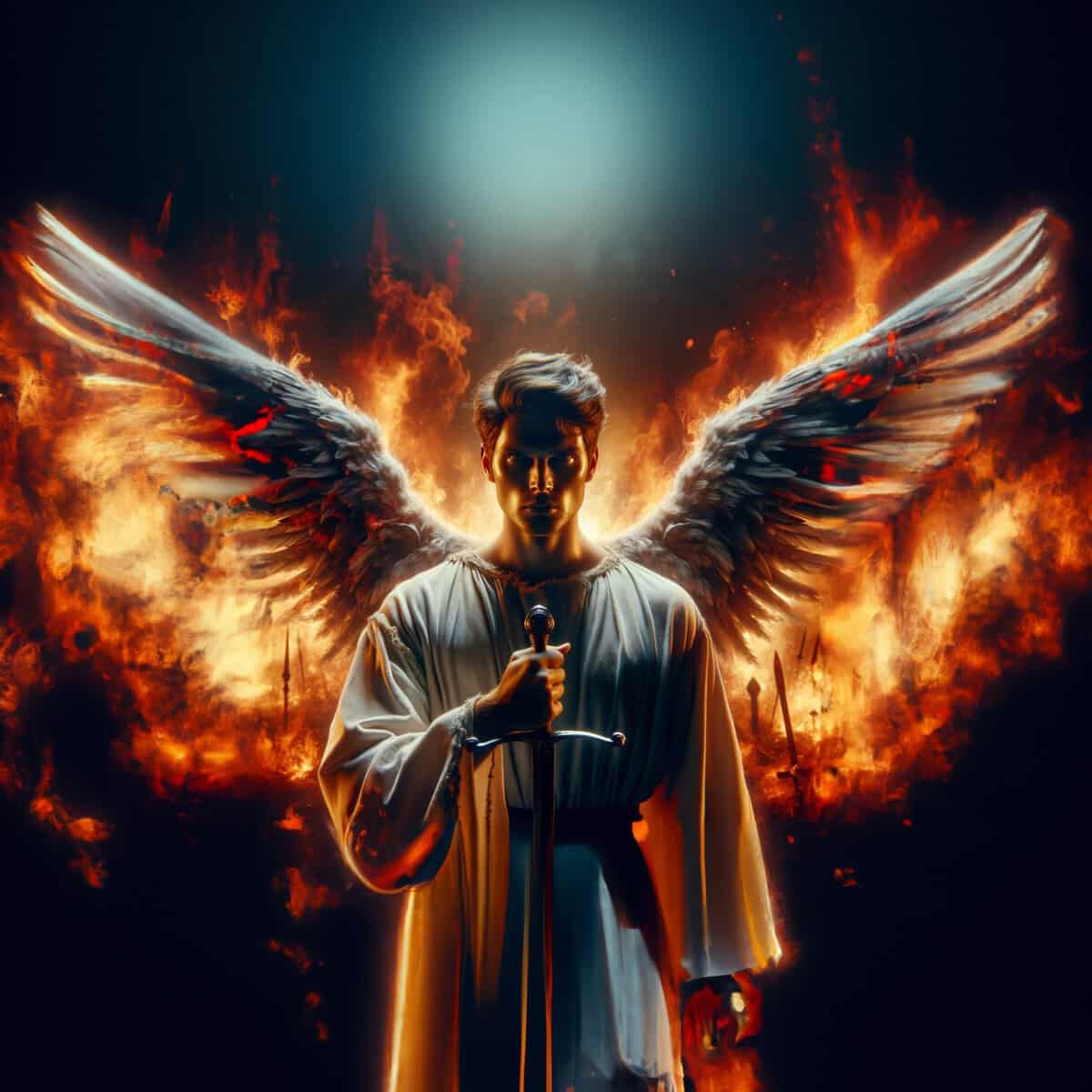
The name Nuriel is often interpreted as meaning “Fire of God” or “Light of God,” depending on the tradition and translation being used.
Both meanings fit his symbolism remarkably well. Throughout religious history, light has represented wisdom, truth, guidance, and divine presence.
Fire often carries many of the same meanings while adding ideas of power and transformation.
Because of this, Nuriel became associated with heavenly radiance and spiritual illumination.
His name itself reflects the ancient belief that divine light could guide people through confusion and uncertainty.
The connection between fire and wisdom appears in many cultures, making Nuriel’s symbolism feel familiar even outside angelic traditions.
His name serves as a reminder that light often becomes most valuable during periods of darkness.
2. He Appears Primarily in Jewish Mystical Traditions
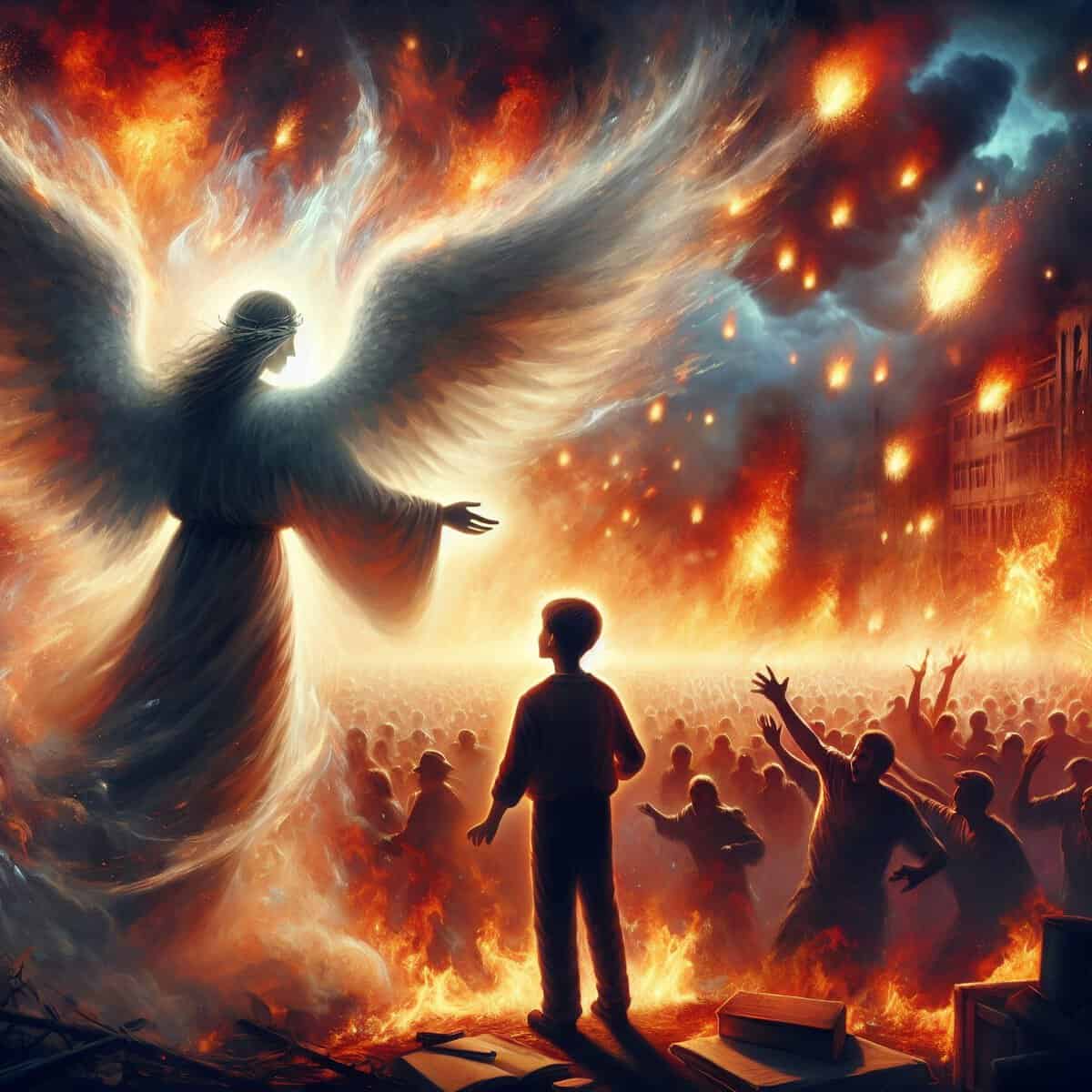
Unlike Michael, Gabriel, or Raphael, Nuriel does not play a major role in the Bible.
Instead, most references to him come from Jewish mystical writings, angelology, and later religious traditions.
Because of this, many people have never encountered his name before exploring these subjects more deeply.
Ancient traditions often described large hierarchies of angels with specialized roles and responsibilities.
Some acted as messengers, others as protectors, healers, or guardians of natural forces.
For many students of angelology, discovering figures such as Nuriel reveals just how rich and diverse ancient traditions surrounding angels truly were.
3. Fire Symbolized Purification as Well as Power
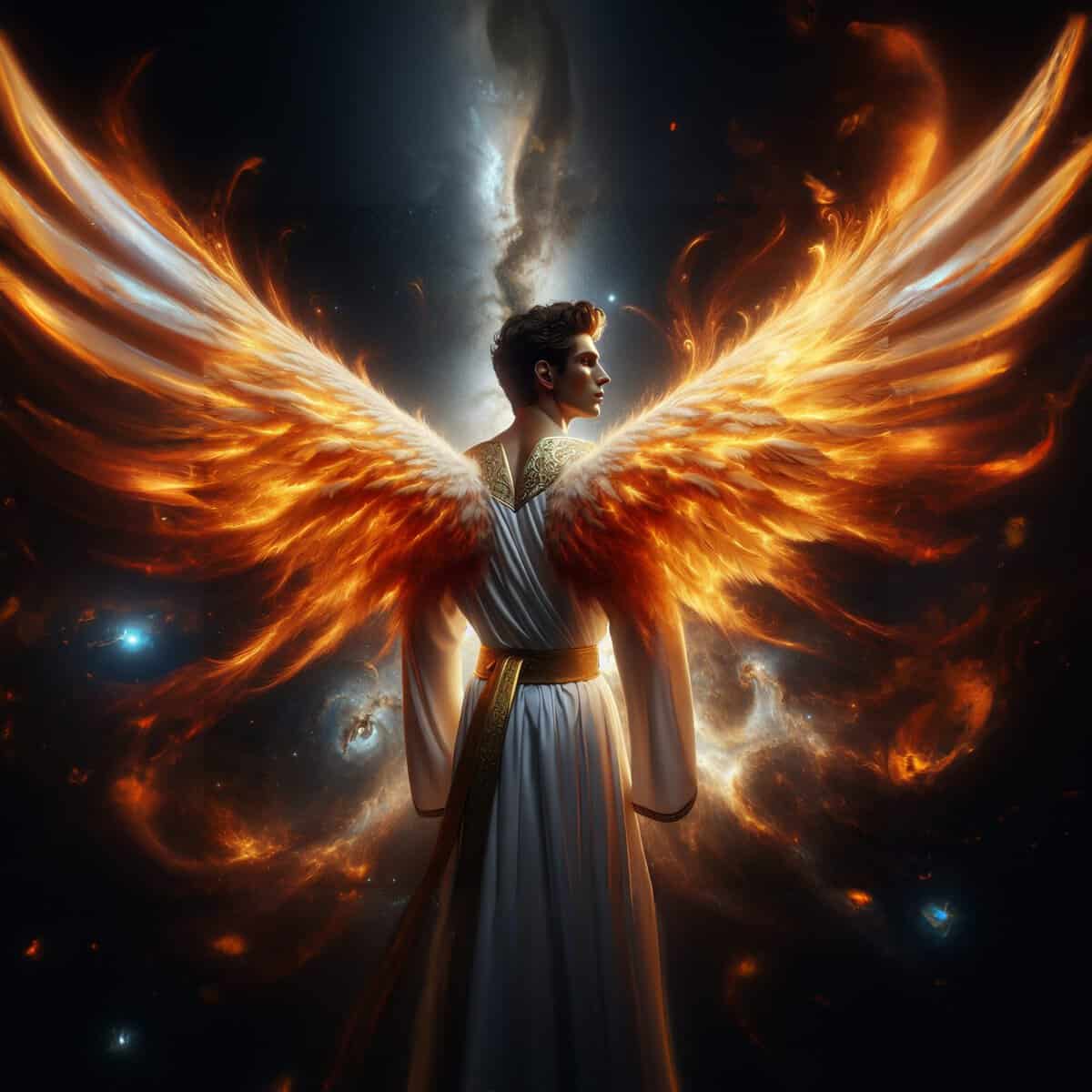
Modern people often associate fire primarily with destruction. Ancient cultures viewed it somewhat differently.
Fire could destroy, but it could also purify, refine, and renew. Metals became stronger through fire.
Food became safer through fire. Darkness disappeared through fire.
Because of these associations, divine fire often symbolized spiritual purification and personal transformation.
Nuriel became linked with these ideas in several traditions. His symbolism encourages growth through challenge and wisdom gained through experience.
Transformation is rarely comfortable, but many spiritual traditions describe it as necessary for growth.
The image of sacred fire reflects this process perfectly. Old habits burn away while stronger qualities emerge in their place.
4. Some Traditions Associate Him With Heavenly Chariots
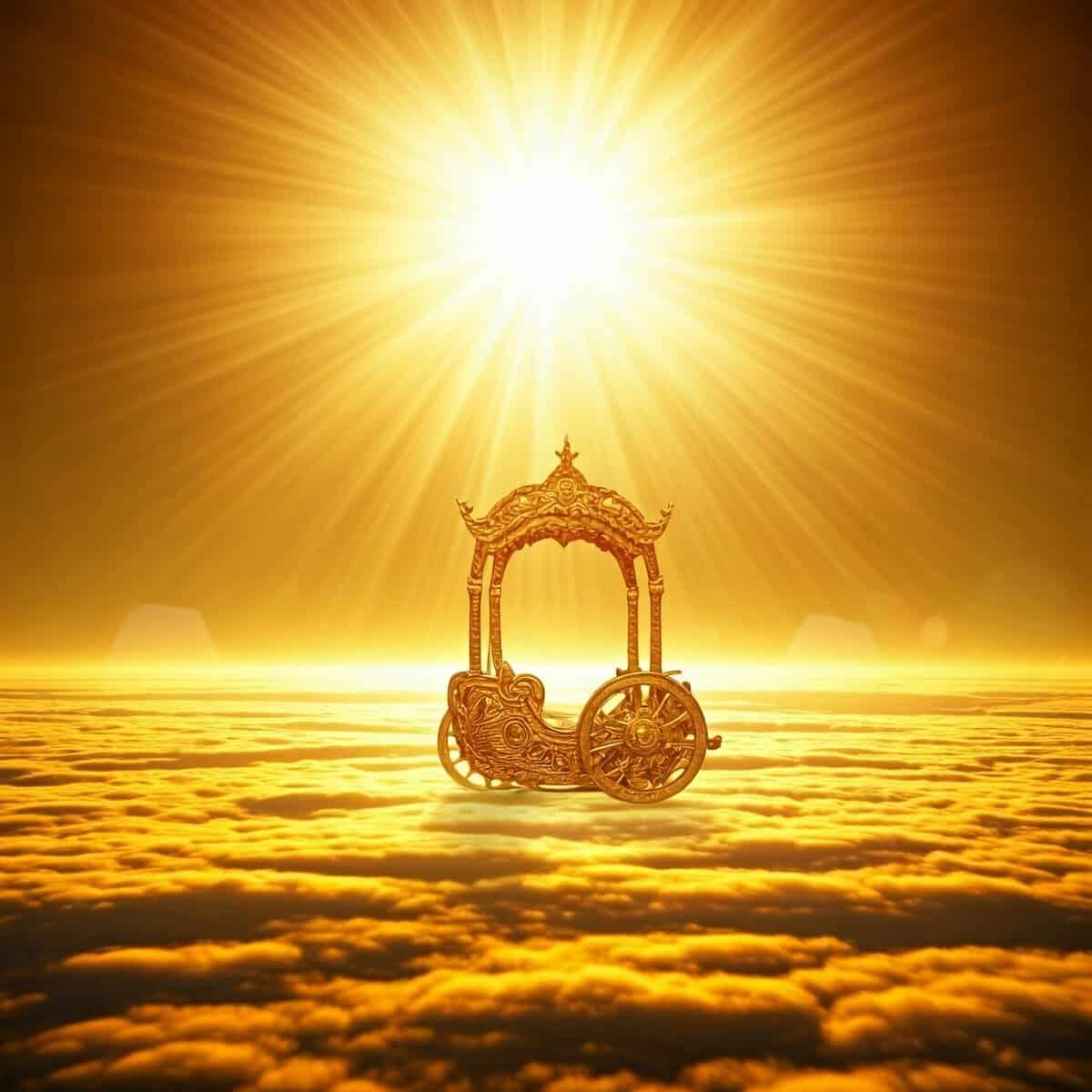
Certain mystical writings connect Nuriel with fiery chariots and heavenly visions.
These images appear frequently in ancient religious literature, where fire often accompanies moments of divine revelation or spiritual significance.
The prophet Elijah was taken into heaven by a fiery chariot according to biblical tradition, while the visions of Ezekiel include wheels and heavenly beings surrounded by flames and light.
Nuriel’s connection with these images reinforces his role as an angel linked with divine power and majesty.
The symbolism emphasizes movement, energy, and spiritual presence.
Rather than representing ordinary fire, these traditions speak of heavenly fire that inspires awe and wonder.
Such imagery helped ancient writers express ideas that ordinary language struggled to capture.
5. He Is Sometimes Connected With Protection
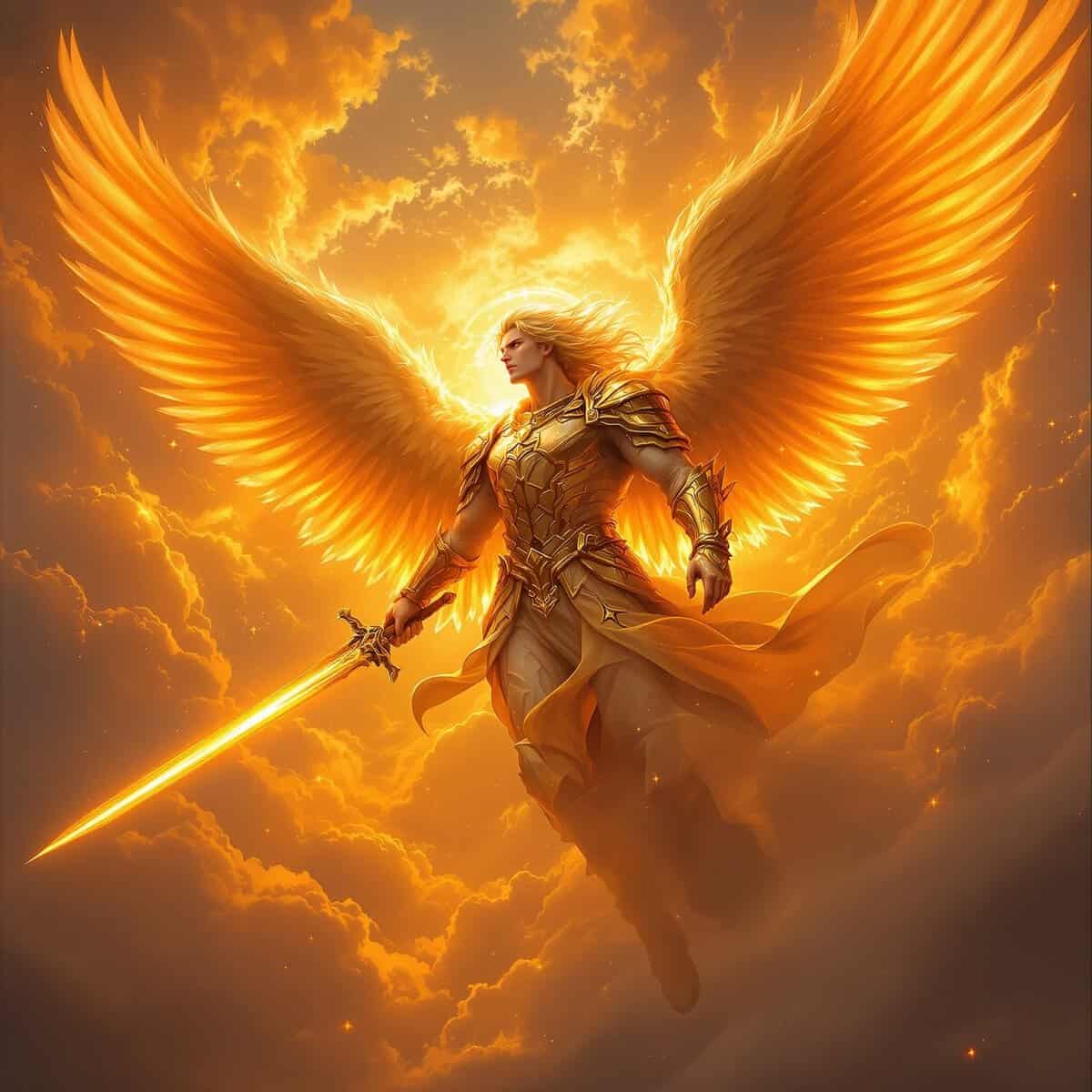
Fire has long been viewed as a source of protection. Campfires kept predators away.
Torches illuminated dangerous paths. Sacred flames guarded temples and holy places.
Because of this history, some traditions associate Nuriel with protection and guardianship.
This protective role does not focus on warfare or battle in the same way that Michael’s symbolism often does.
Instead, it emphasizes guidance, vigilance, and spiritual safety. Light allows dangers to be seen more clearly.
Warmth creates security during difficult times. These qualities became part of Nuriel’s symbolic role.
His fire is often portrayed not as something to fear but as something that provides comfort and direction.
6. Nuriel Represents Spiritual Energy and Passion
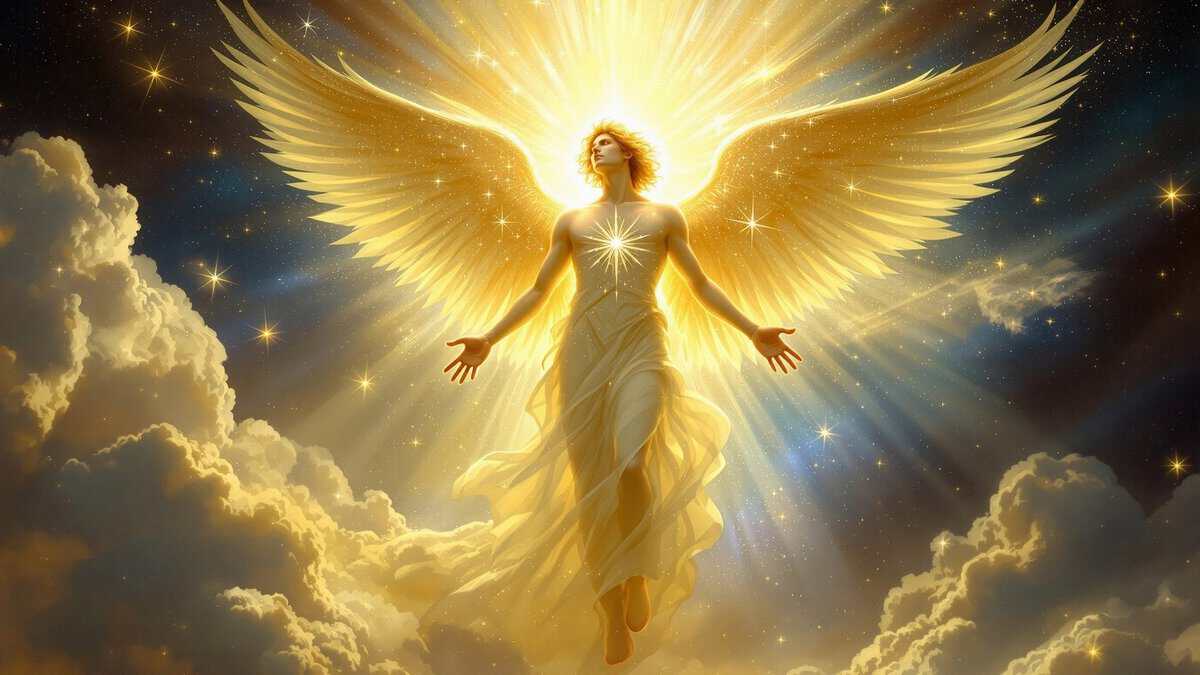
Fire moves constantly. It spreads, changes, and transforms whatever it touches.
Because of this, many people interpret Nuriel as a symbol of spiritual energy and motivation.
Periods of exhaustion or discouragement can leave people feeling disconnected from their goals and values.
The image of sacred fire represents renewed enthusiasm and purpose. Ancient writers frequently used flames to symbolize inspiration and devotion.
A person described as being “on fire” for a cause still carries this ancient symbolism today.
Nuriel reminds people that passion and determination often need to be protected and nurtured.
7. His Symbolism Reflects Courage During Difficult Times
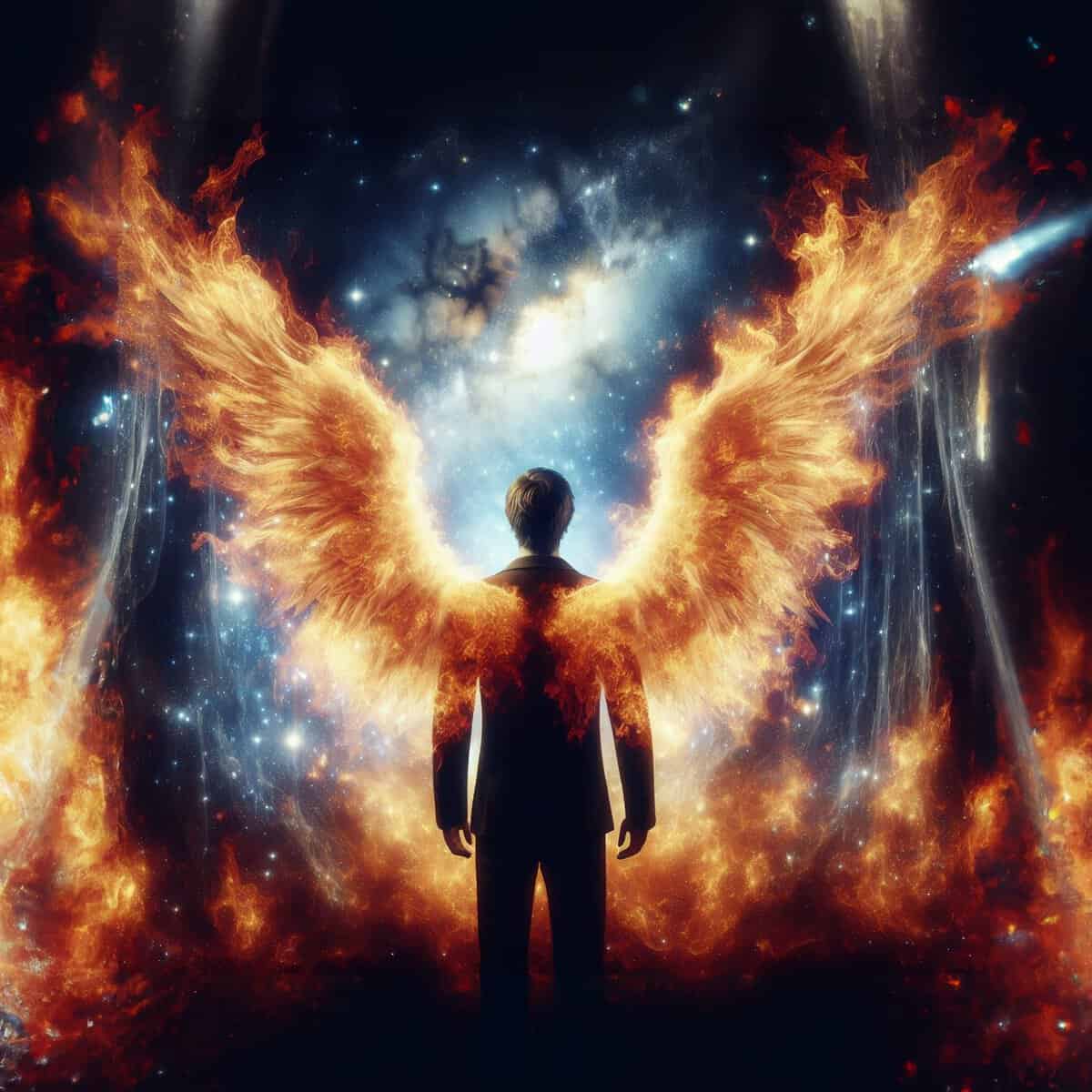
Fire provides light precisely when darkness becomes overwhelming. This idea became an important part of Nuriel’s symbolism.
Many spiritual traditions emphasize courage not as the absence of fear but as the willingness to continue despite uncertainty.
A lantern does not eliminate the entire darkness around it. It simply provides enough light for the next few steps.
Nuriel’s imagery reflects this principle beautifully. His fire symbolizes hope, perseverance, and resilience during difficult periods.
People rarely need to see the entire road ahead. Often they only need enough light to continue moving forward.
The symbolism of sacred fire offers encouragement during moments when answers feel distant or unclear.
8. His Greatest Symbol May Be Transformation
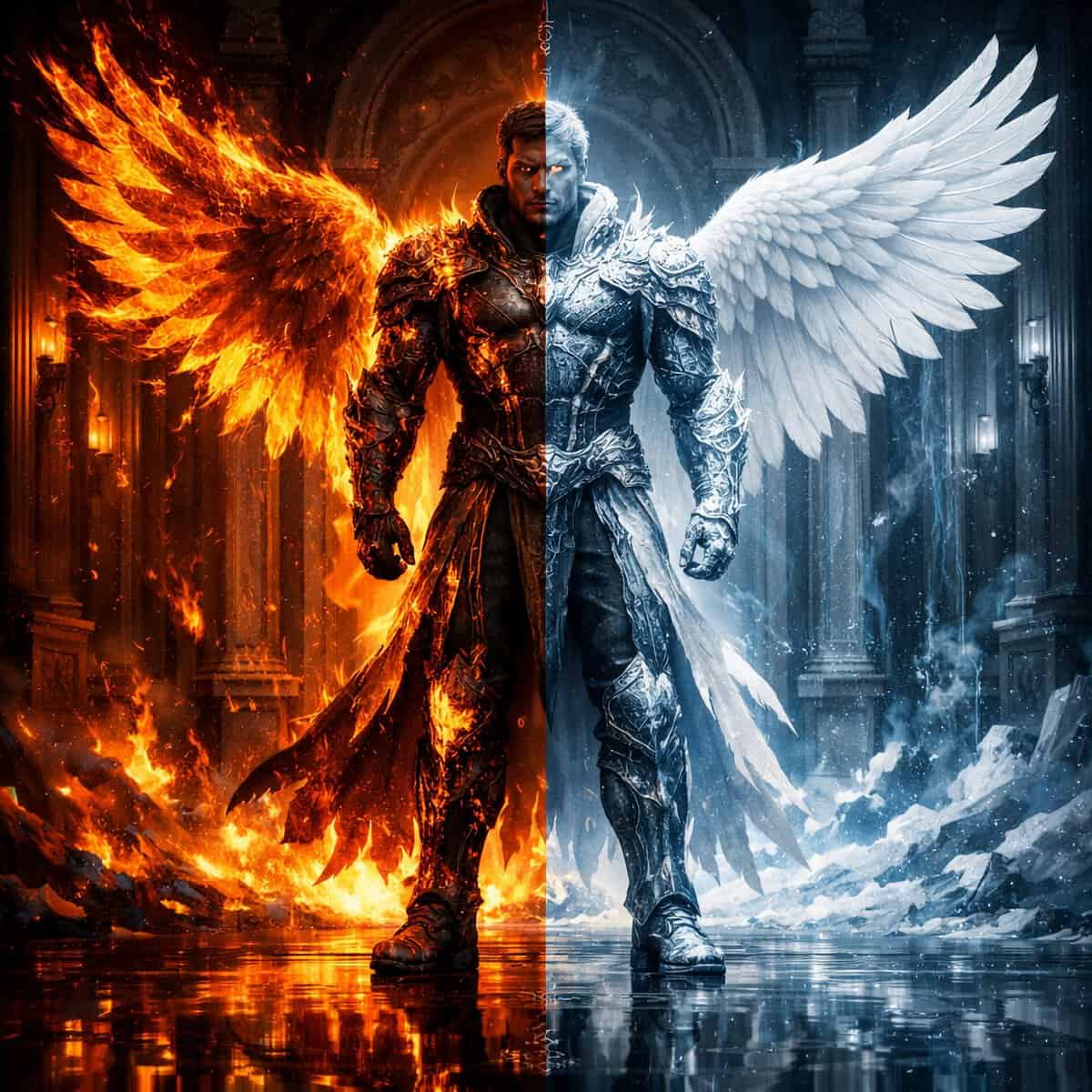
Perhaps more than anything else, Nuriel represents transformation.
Few natural forces change the world around them as dramatically as fire does.
Wood becomes ash. Metal becomes stronger. Darkness becomes light. Cold becomes warmth.
Ancient people recognized this extraordinary ability to create change, and they often used fire as a symbol of spiritual growth and renewal.
Nuriel reflects this idea throughout his traditions and imagery. Personal growth frequently involves leaving old habits behind and developing new strengths.
The process can be uncomfortable, uncertain, and demanding. Yet transformation has always been one of the central themes of spiritual life.
The Angel of Fire reminds people that change is not always something to fear.
Sometimes it is the very thing that allows us to become stronger, wiser, and closer to the person we hope to become.

Sempre senti uma forte ligação com o Divino desde o meu nascimento. Como autora e mentora, a minha missão é ajudar os outros a encontrar o amor, a felicidade e a força interior nos momentos mais sombrios.