
Beauty standards are constantly changing, and we don’t need to look far in the past to notice the pattern.
Just a couple of years ago, a beautiful woman was expected to have a strikingly curvy figure and huge lips. And currently, more and more people struggle to be skinny.
We make fun of past standards, like those huge, wild eyebrows we all sported in the 2010s or the insane outfits of the 2000s.
However, beauty standards exist in a cycle. The very things we ridicule today might become popular next month!
So, what made a lady beautiful during the Renaissance and earlier? Can you recognize any of these trends today?
1. A High Forehead
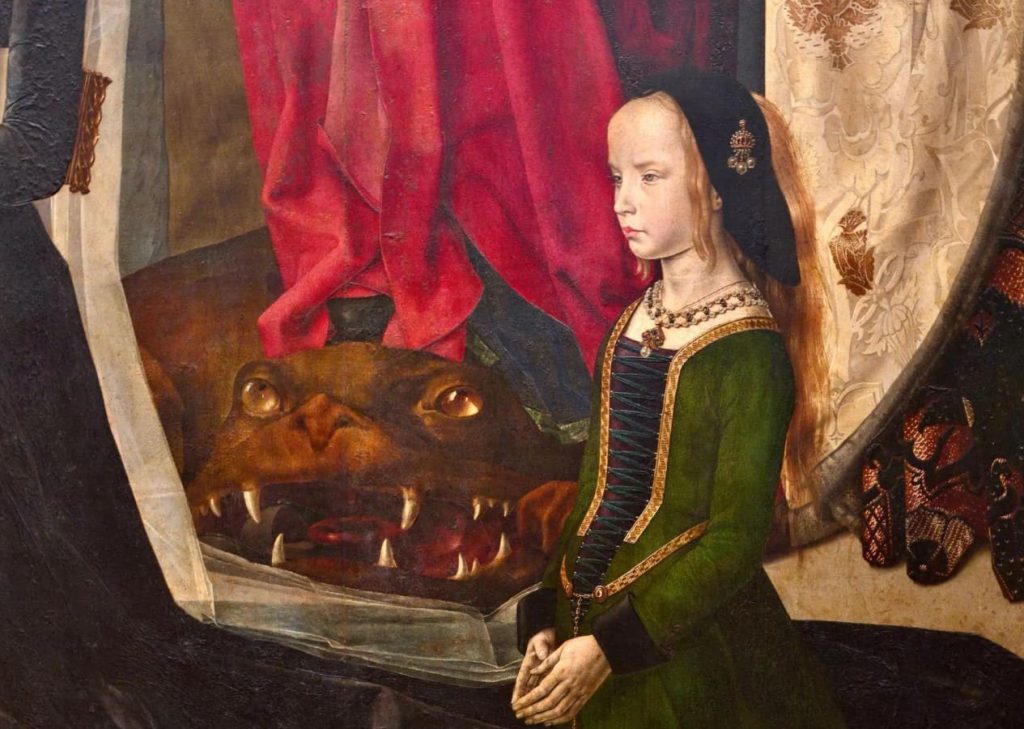
To be considered a proper beauty back then, you had to have a huge forehead!
It symbolized noble birth e inteligência. For some reason, people also saw the high forehead as a sign of purity.
It also gave the face an oval shape that artists of the time loved to paint.
So, if you were born with a lower hairline, shaving was inevitable.
Women frequently shaved their hairline to make their forehead stand out as much as possible. Not even their eyebrows would be spared!
To make the forehead higher, most women plucked their eyebrows so thin they were barely there!
To make it even more dramatic, elaborate headdresses would be worn to frame the huge forehead.
2. Fair Skin
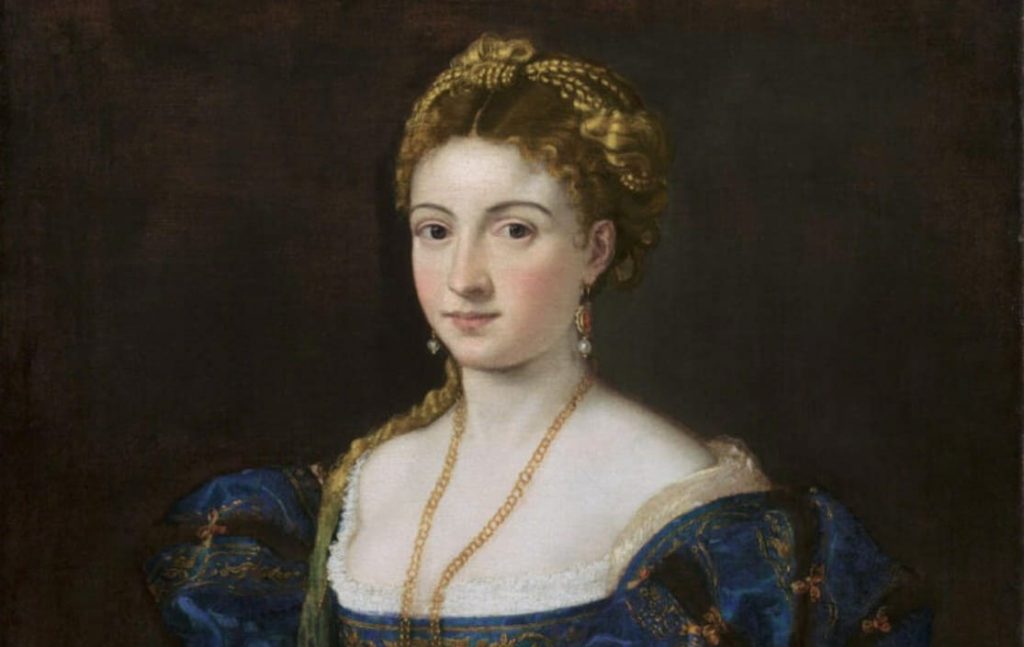
In Europe, but also in a few other places around the world, pale skin was the goal.
At the time, a proper beauty wasn’t just someone with naturally pretty features, but also highborn.
To the people of that time, fair skin signaled that a woman didn’t need to spend time outside and work in a field. It meant she was rich enough to sit in the shade all day.
But what if you were born with a natural tan? Plenty of people have a warmer skin tone, even all across Europe.
Well, then, you would use some scary chemistry to whiten your complexion! People famously mixed white lead and vinegar into a paste called ceruse.
They also bled themselves using leeches to look pale.
Can we recognize ourselves in this beauty standard? Don’t many people go to tanning salons, even though the health risks are common knowledge?
Also, in parts of East Asia, women still whiten their skin with aggressive creams, all to fit into what society calls beautiful.
3. Golden Hair
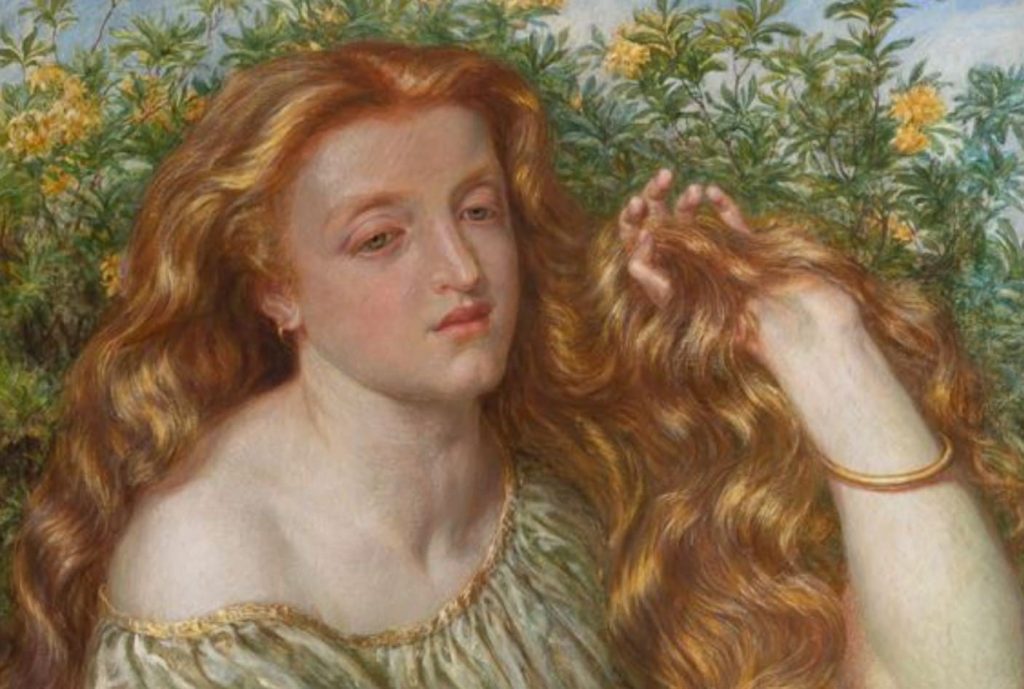
Blonde hair has been popular since the ancient Greeks, but during the Renaissance, it reached a whole new level of obsession!
Golden locks became associated with purity and angels. Poets wrote endlessly about gold and sunbeams catching in a lady’s hair.
Naturally, even the people who were born with a different hair color wanted to fit the beauty standard, so they had to get creative.
Women would sit in the sun for hours with special mixtures of saffron, lemon juice, and sometimes, horse urine to bleach their hair!
Sometimes, they would apply a paste to their hair and wear a crownless hat so the sun could do its thing.
Interestingly, people didn’t actually care whether the hair color was natural. Simply being able to afford such a high-maintenance style was a symbol of status.
4. Flat Chest
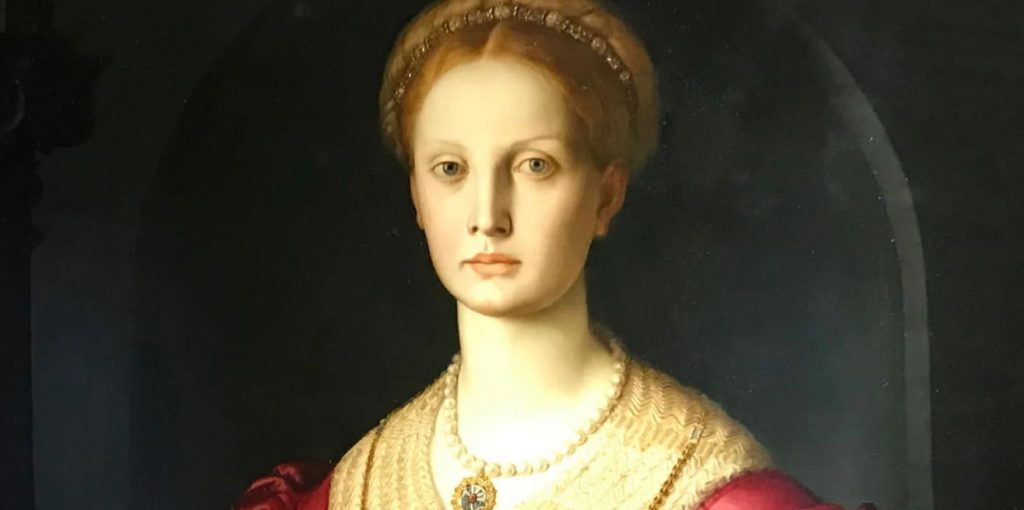
When we imagine a medieval beauty, most of us think of curvy women in tight corsets, but the ideal bust was actually flat, especially during the Renaissance.
A large chest was considered vulgar and even called animalistic! Instead, women wanted a boyish and slender figure. People considered it delicate and youthful.
In 2026, we consider this a red flag for numerous good reasons, but women of the time did their best to fit in.
If someone had a larger bust, they did everything possible to conceal it. They wore tight bodices and stiff corsets that completely flattened their chests.
Much like their other beauty methods, this wasn’t the healthiest choice.
5. Full Lips
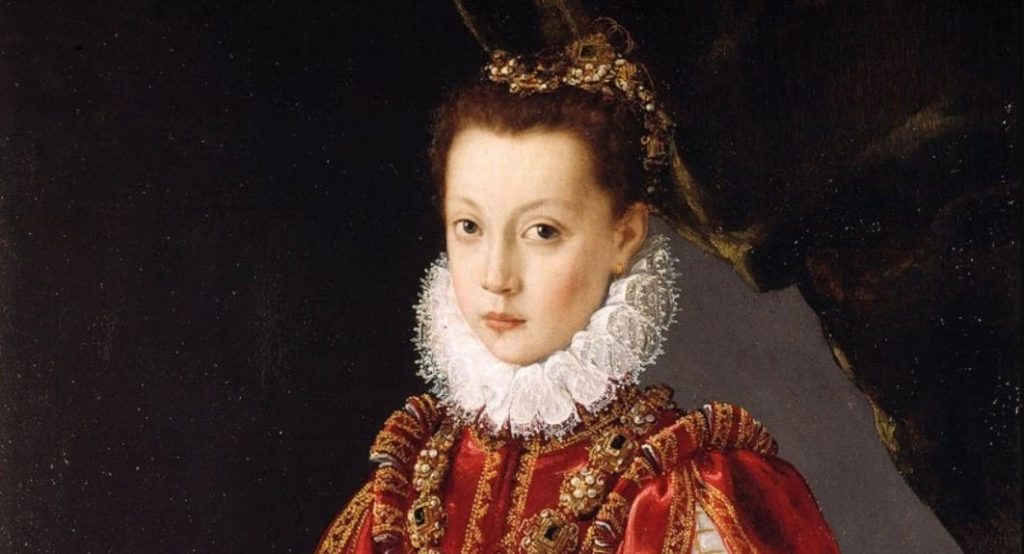
Finally, here’s a trend we can identify with. In these eras, much like today, full and pouty lips were the beauty standard.
A perfect pout was seen as a sign of youth, health, and sensuality, though never over the top.
Women used all sorts of natural dyes to get the perfect red tint. They would crush up berries and mix them with beeswax.
However, if you thought they didn’t put anything toxic on their lips, too, I have to disappoint you. They also used mercuric sulfide to paint their lips.
The goal was to achieve blushed lips rather than heavily painted.
Overlining was done at that time too by the ladies who didn’t have naturally full lips.
6. A Rounded Belly
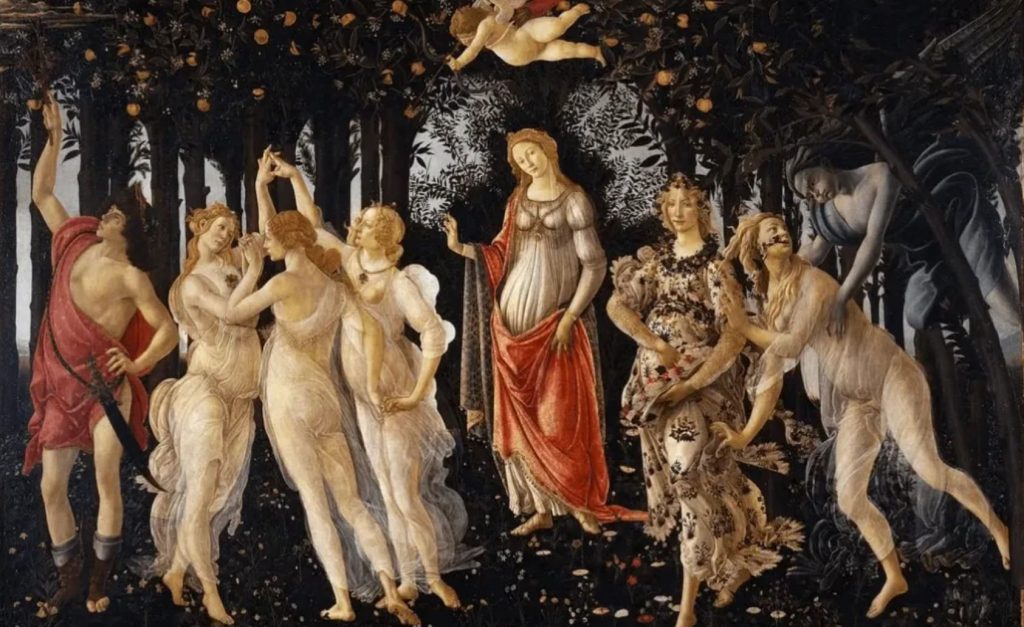
Did you know that Renaissance beauty standards included a rounded belly?!
This is so far removed from what we consider attractive today, but I’m sure many of us wish it could be brought back! It would take some pressure off.
Naturally, being overweight wasn’t the goal, but women didn’t have to hide their lower belly.
This look was associated with fertility and femininity. Having children was the primary duty of women at the time, so a growing belly was seen as desirable.
Dresses were even designed with a low, pointed V-shape in the front to highlight the stomach area!
A flat stomach meant that you were either masculine or impoverished.
Rich women ate well and lived comfortably, and their bodies showed it.
7. Knowledge, Kindness, Beauty
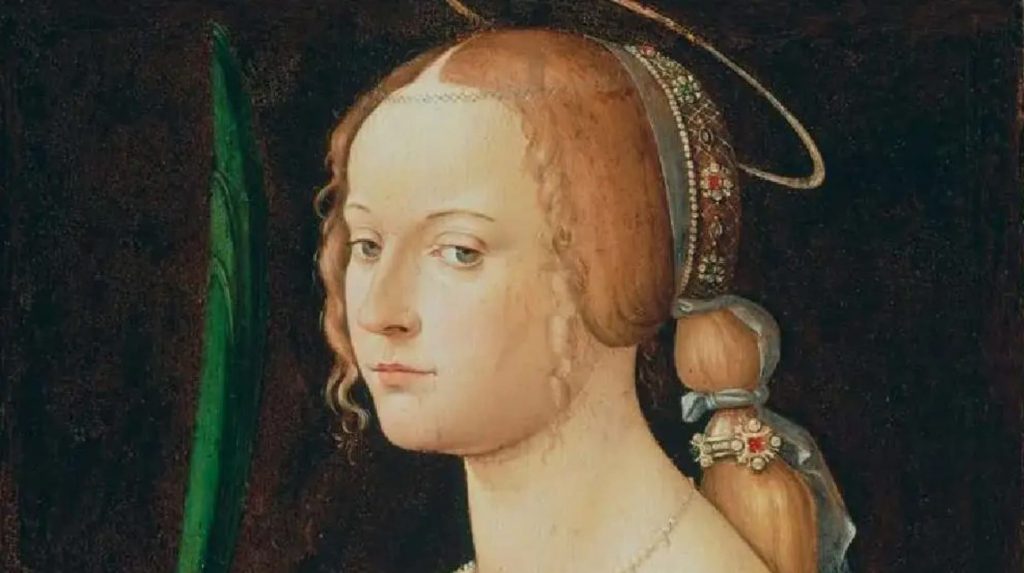
During the Renaissance, a woman became the focus of art and poetry once more. In the Middle Ages, it was all about the Church and faith.
As the classical beauty standards of ancient Greece and Rome came back, women became an inspiration once more.
This was progress, but it also meant that they had to fulfill huge societal expectations!
Being pretty and religious wasn’t good enough anymore. Women also had to be graceful, kindhearted, and educated.
Having a high forehead and pale skin could only get them so far!
During this time, women had to read, write, learn história, play instruments, and speak multiple languages.
Poets constantly linked outer beauty to inner virtue.
A kind heart was believed to make a woman’s face glow with divine light.
8. A Dimpled Chin
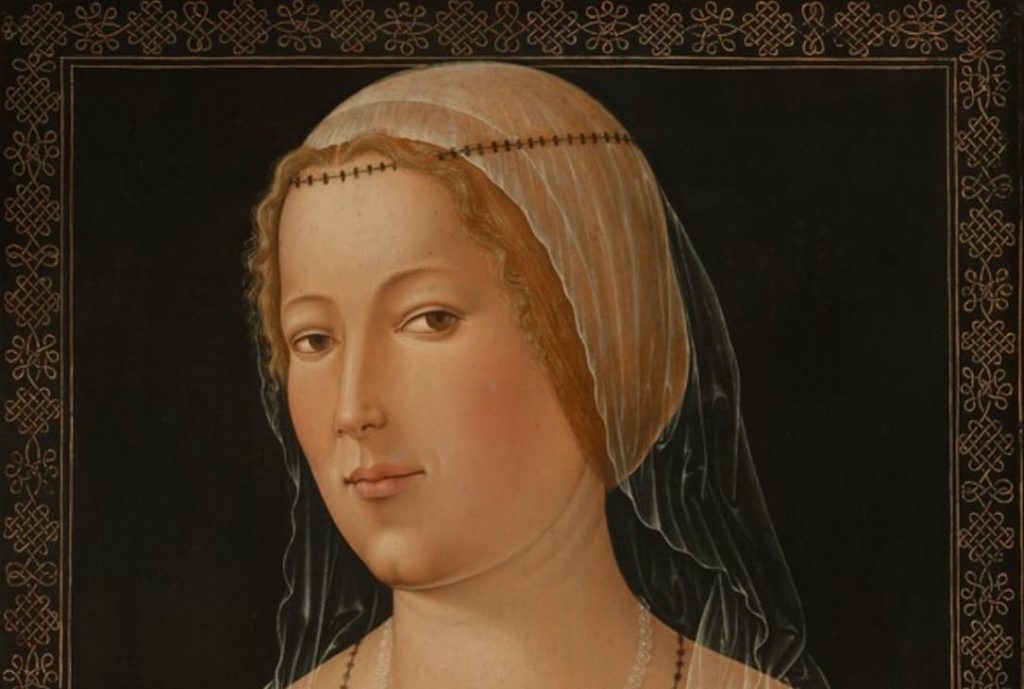
It seems like the people of the past had such specific opinions about every part of the body. A dimpled chin was considered charming and attractive.
It added a touch of character to the lower face. Since the eyebrows were plucked away and the hairline was shaved, the dimple of the chin provided some balance and texture.
Honestly, it sounds like a solution to an unnecessary problem.
Artists like Raphael and Botticelli loved to paint ladies with these chin dimples, which cemented the beauty standard.
Funnily enough, of all things, this couldn’t be faked.
9. Flawless Skin
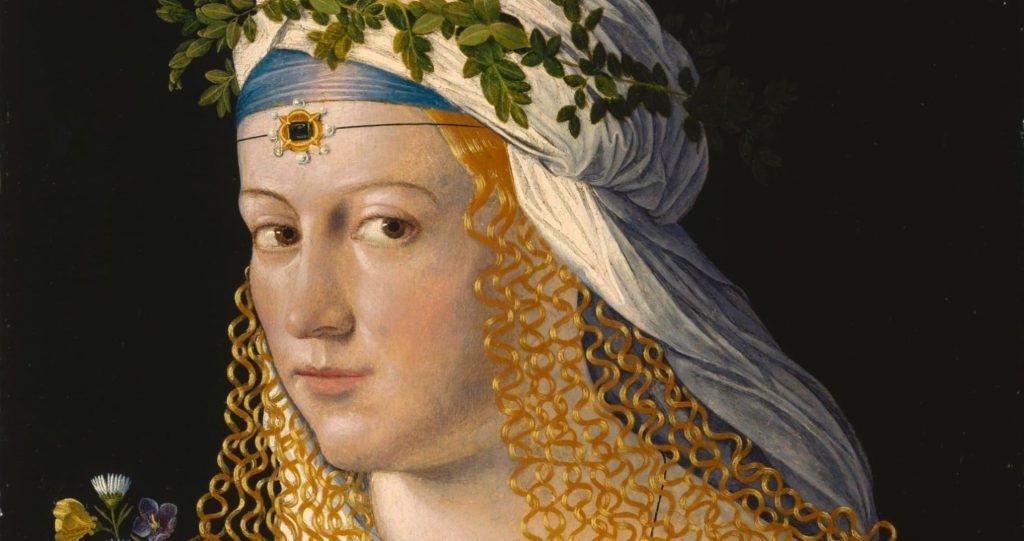
Beauty in the Middle Ages and Renaissance included unmarked skin as a non-negotiable.
Women wanted to keep their skin completely free from any blemishes, marks, freckles, or scars. Any mark on the skin was seen as a flaw, or even as a sign of bad character!
Women used various pastes and lotions to care for their skin. They washed their faces with rosewater and applied poultices made of almonds and milk.
Naturally, they also used lead-based paints to cover any potential blemish.
Pox marks from illnesses were a huge fear, so any imperfection would be linked to them.
The goal was to look like a polished pearl, which can be tricky even with modern makeup.
10. Soft Arms
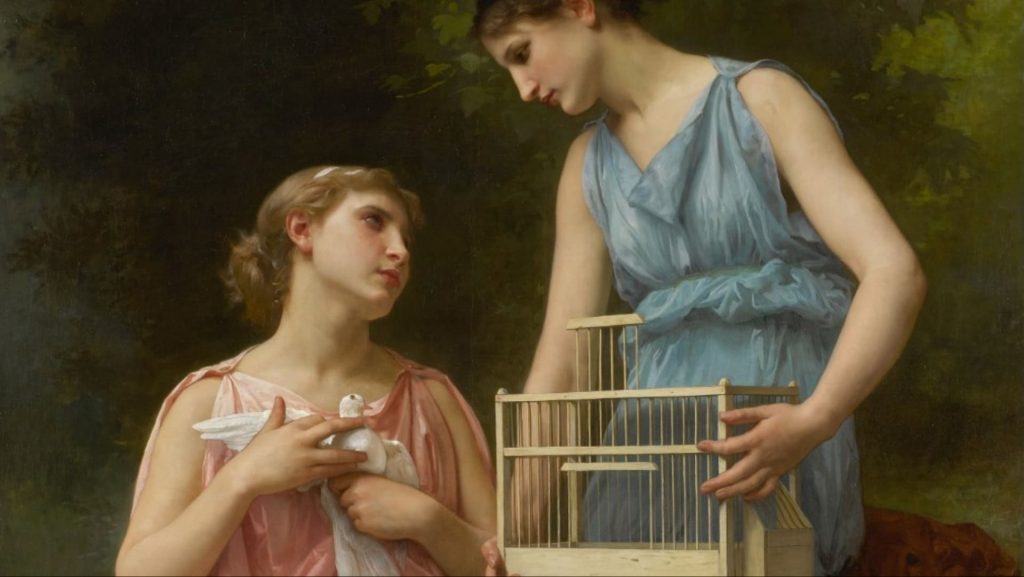
While today, we all want toned arms and sharp shoulders, in the past, the ideal was soft and flashy skin.
Strength and visible muscles were strictly for common women. For a lady of status, having plump, rounded arms was a major beauty goal!
The puffs of white linen under dress sleeves were specifically designed to make arms appear fuller.
Also, if a woman had skinny arms, it wasn’t a good sign. It signaled poverty and illness.
11. Huge Eyes
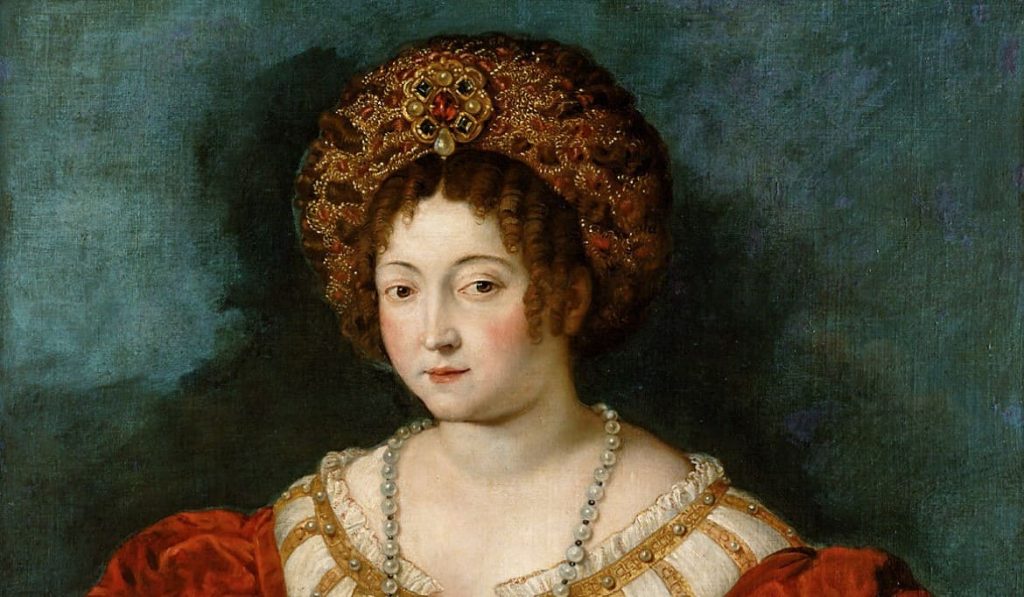
With their eyebrows all but gone, these women needed huge, expressive eyes to make up for them.
Big, glowing, and dark eyes were the beauty ideal. They were considered soulful and innocent.
Nowadays, you can simply get any kind of eye contacts. If you want to, you can make your entire eye completely black!
But back then, women had to use drops efectuada from belladonna to dilate their pupils! They risked poisoning and blinding themselves just to fit in.
The enlarged pupils made the eyes look deep, which created the perfect contrast to the pale face.
People saw emotion and vulnerability in this look, and the poets idealized it.

A little Aquarius, devoted to writing and embroidery. Through my writing, I hope to empower readers to align with their true selves and navigate life’s mysteries with confidence.