
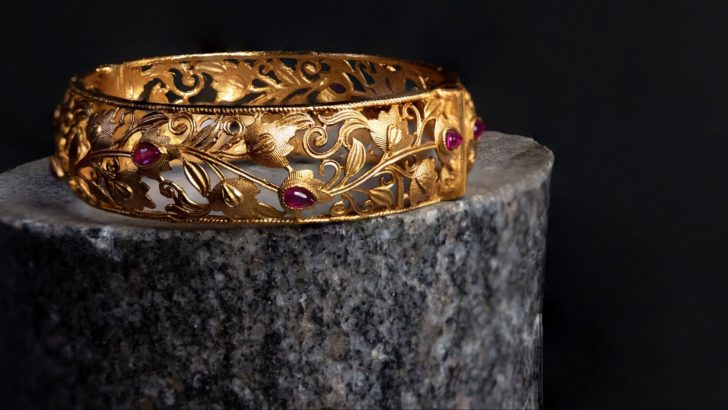
Gold is a symbol of our greed, and we almost always talk about it in financial terms.
Markets, reserves, price per ounce, the gold standard, etc. However, while this is real, it’s also the shallowest view of this noble metal.
Humanity’s obsession with gold began in prehistoric times, before people even had any financial use for it.
Gold doesn’t rust, doesn’t rot, and doesn’t lose its shine. It’s an immortal material!
Ancient civilizations followed a simple logic here: Things that refuse to die deserve reverence.
1. Everything Ends, Except Gold
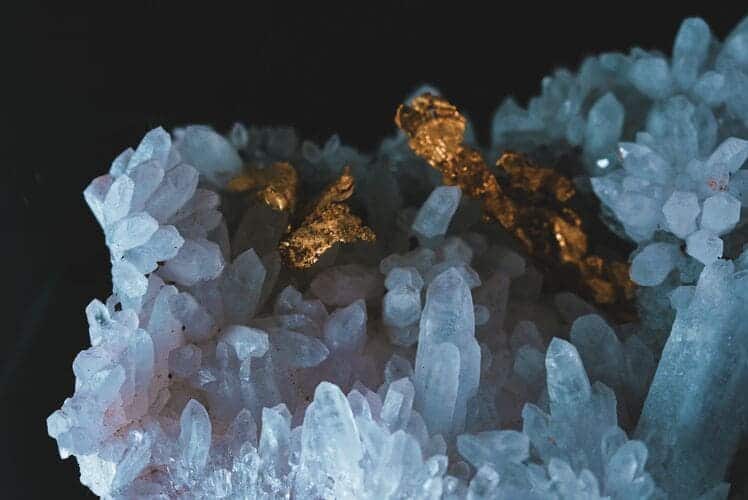
To understand why gold made early humanity so obsessed, you have to put yourself in their shoes.
They lived in a world where everything rotted in a matter of days or weeks. Food, animal hides, weapons, and wood.
And most importantly, the human body, so alive and active, and full of ideas, turned to nothing after death.
Then, people discovered gold in riverbeds and on rocks.
Its warm shine undoubtedly attracted people’s attention first, but this metal would turn out to be much more special than anyone thought.
Time passed. People disappeared. Yet gold stayed the same.
It outlived things, people, and civilizations. So, the initial reverence for gold didn’t come from greed. It came from maravilha.
2. How Old Is This Metal?
So, ancient peoples quickly came to see that gold was a special metal, but they didn’t know the half of it.
It was indeed very different, but not only in ways they could observe.
Astrophysicists classify gold as a heavy element, which means it can’t be forged inside an ordinary star.
The atoms of gold scattered across our planet were created in the collision of neutron stars, catastrophic cosmic events that occurred billions of years before our solar system existed.
Even the stars that produced gold are considered some of the most exotic celestial bodies we know of.
Ancient Egyptians and Mycenaean held gold in such high regard because it could outlive everything. They didn’t know just how long it had already been alive.
These atoms predate the Earth itself!
3. Gold Is Sacred, But It’s Not Good
This concept can be difficult to grasp today because popular religions worship gentle gods.
These gods love humanity and are the source of all love and goodness in the world. So, to us, worship naturally includes goodness.
To ancient peoples, not so much. Most ancient deities served a specific divine purpose, but they were often cruel and angry.
That is why these civilizations had no issue with worshipping gold.
This metal stoked their greed, inspired crime and hate, but so did many deities of the time!
So, that’s why gold can be both sacred and bad for us.
Besides, sacred could also mean set apart and above other things. The immortality of this metal made it special, and that was enough to inspire worship.
4. Material of the Divine
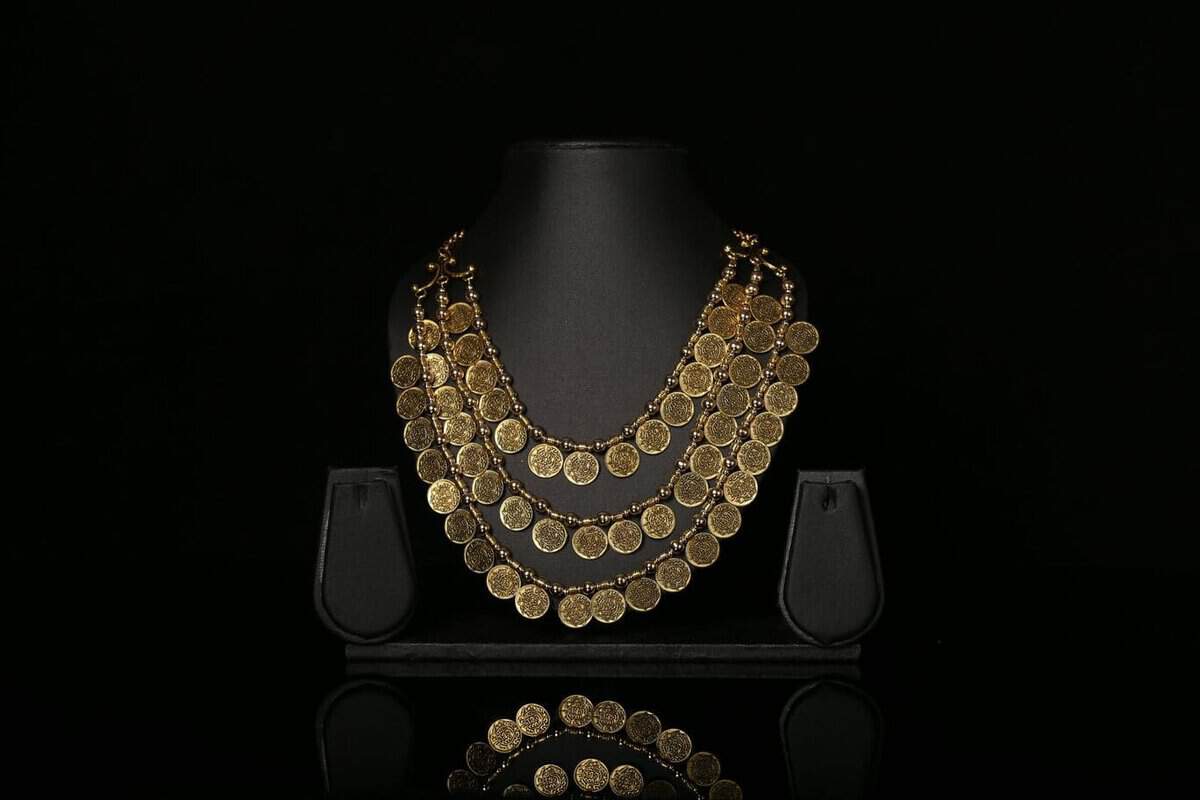
Once ancient peoples decided that gold had to be the material of the divine, it became obvious what they should do with it.
This metal was placed on statues of gods, on rulers, bridese o dead.
All of these existed at the boundary between the ordinary world and something beyond it.
It was placed on gods because it was their native material, the actual substance of heaven.
Rulers were seen as carriers of divine authority on earth, so the noble metal marked that dual nature and made it visible.
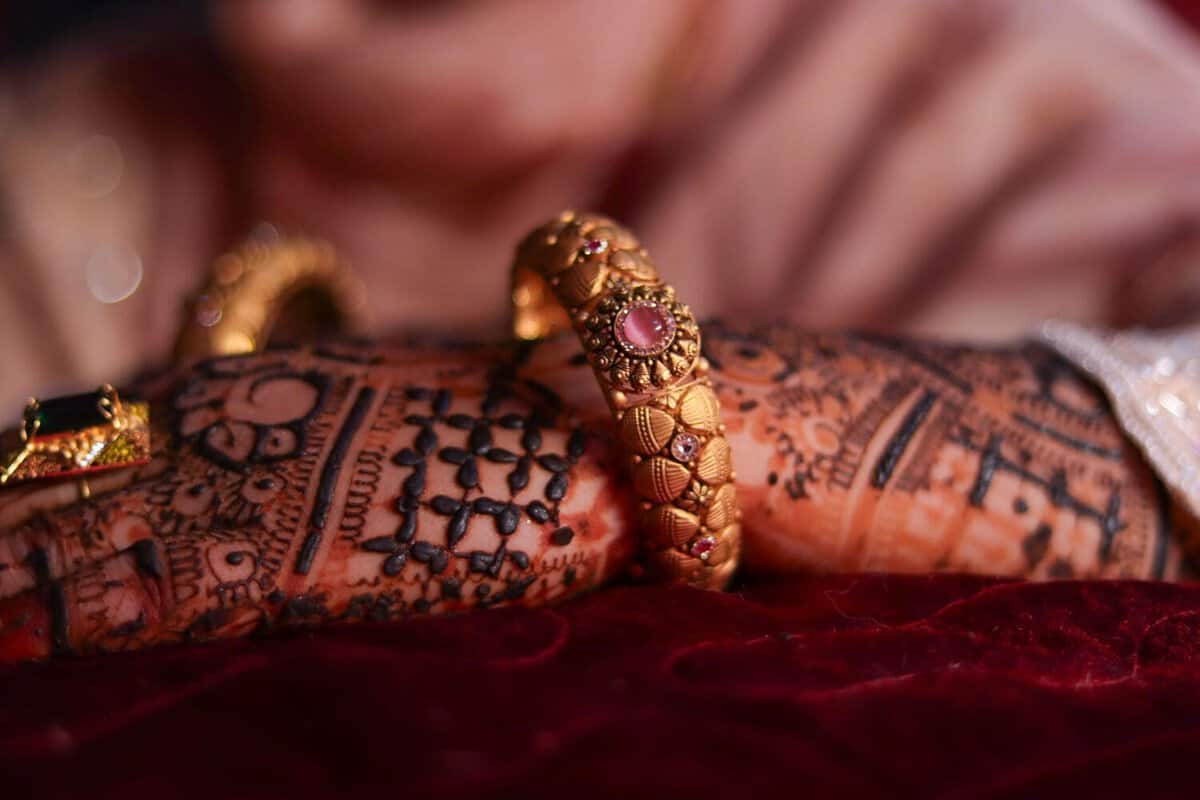
Weddings represent a liminal time, leaving brides between two homes and families. Gold blessed their passage.
And the dead were sent off with gold because it was thought to bring mortal flesh closer to the divine.
5. How Ancient Civilizations Used Gold
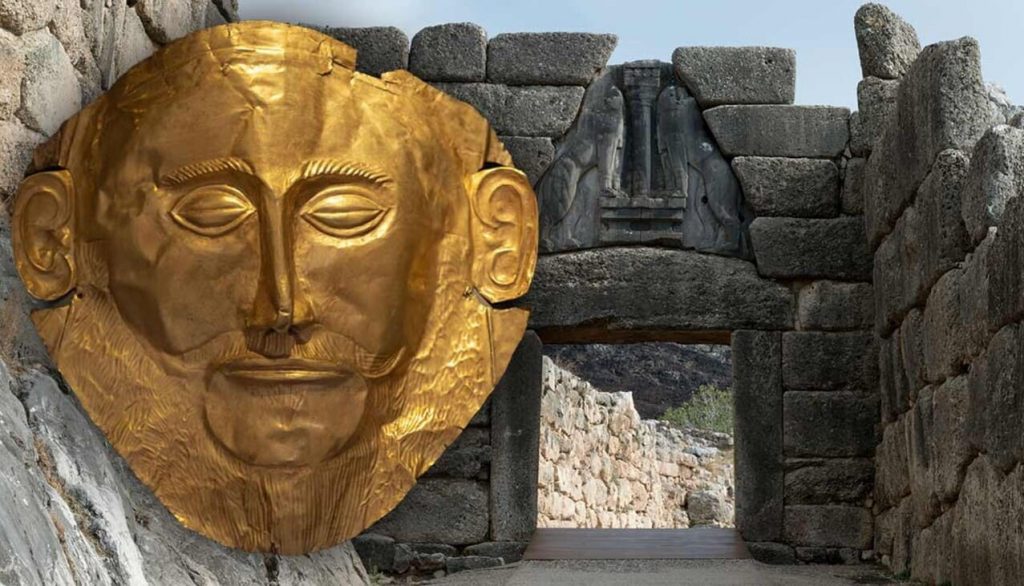
Several ancient cultures developed an intense relationship with gold.
Egypt is the most documented for understanding gold as the literal flesh of the gods, particularly Amun and Ra.
The metal was used in temple construction, divine statues, and royal burial on such a huge scale that we still struggle to comprehend where they got all that gold.
The coffin of Tutankhamun alone used over a hundred kilograms of solid gold!
O Mycenaeans of Bronze Age Greece produced the famous gold death máscaras. These were meant to keep their rulers’ faces recognizable forever.
O Aztecs called gold “the excrement of the gods,” which isn’t as dismissive as it sounds. It meant that this metal was divine in the most biological sense!
O Inca capital Cusco was covered in gold to the point where it blinded the Spanish with reflected sunlight.
Each of these civilizations independently concluded that gold brought them closer to their gods.
6. What Sets Gold Apart?
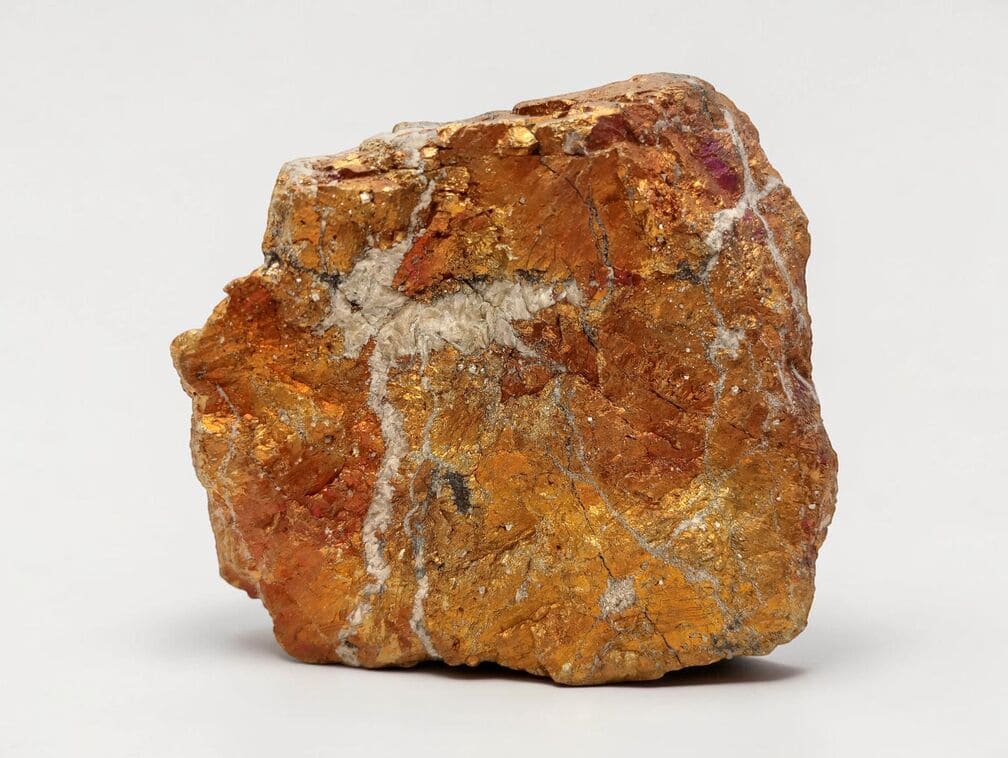
The ancient world understood very well what lasted and what perished.
Iron rusted. Bronze corroded. Silver tarnished to black. Gold is the only metal and the only material that has not given in to time.
It was clearly exceptional, even if people couldn’t truly explain it.
It emerged from the ground shining and remained shining indefinitely. In a world where everything was mortal, gold simply wasn’t.
Gold jewelry is still being excavated left and right, and even after millennia, there’s no patina or signs of decay.
The ancients asked themselves: What kind of matter survives its owner?
The obvious answer was divino.

A little Aquarius, devoted to writing and embroidery. Through my writing, I hope to empower readers to align with their true selves and navigate life’s mysteries with confidence.