
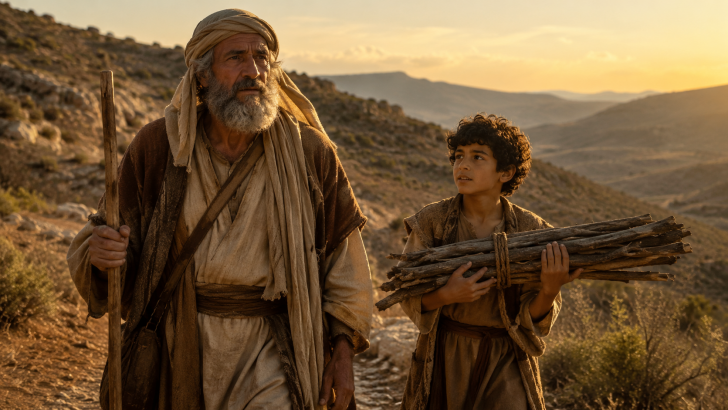
Few stories in the Bible are as difficult and emotionally challenging as God’s command for Abraham to sacrifice his son Isaac.
The story appears in Genesis 22. Isaac was the long-awaited son through whom God had promised Abraham a future family and covenant.
Then Abraham received a command that appeared to threaten the very promise God had given him.
Abraham obeyed, but Isaac was never sacrificed. At the crucial moment, God stopped Abraham, and a ram was provided instead.
The story is not presented as permission for human sacrifice. Its ending is essential because God prevents Isaac’s death.
Here are ten reasons commonly given for why God asked Abraham to sacrifice Isaac.
1. God Was Testing Abraham’s Faith
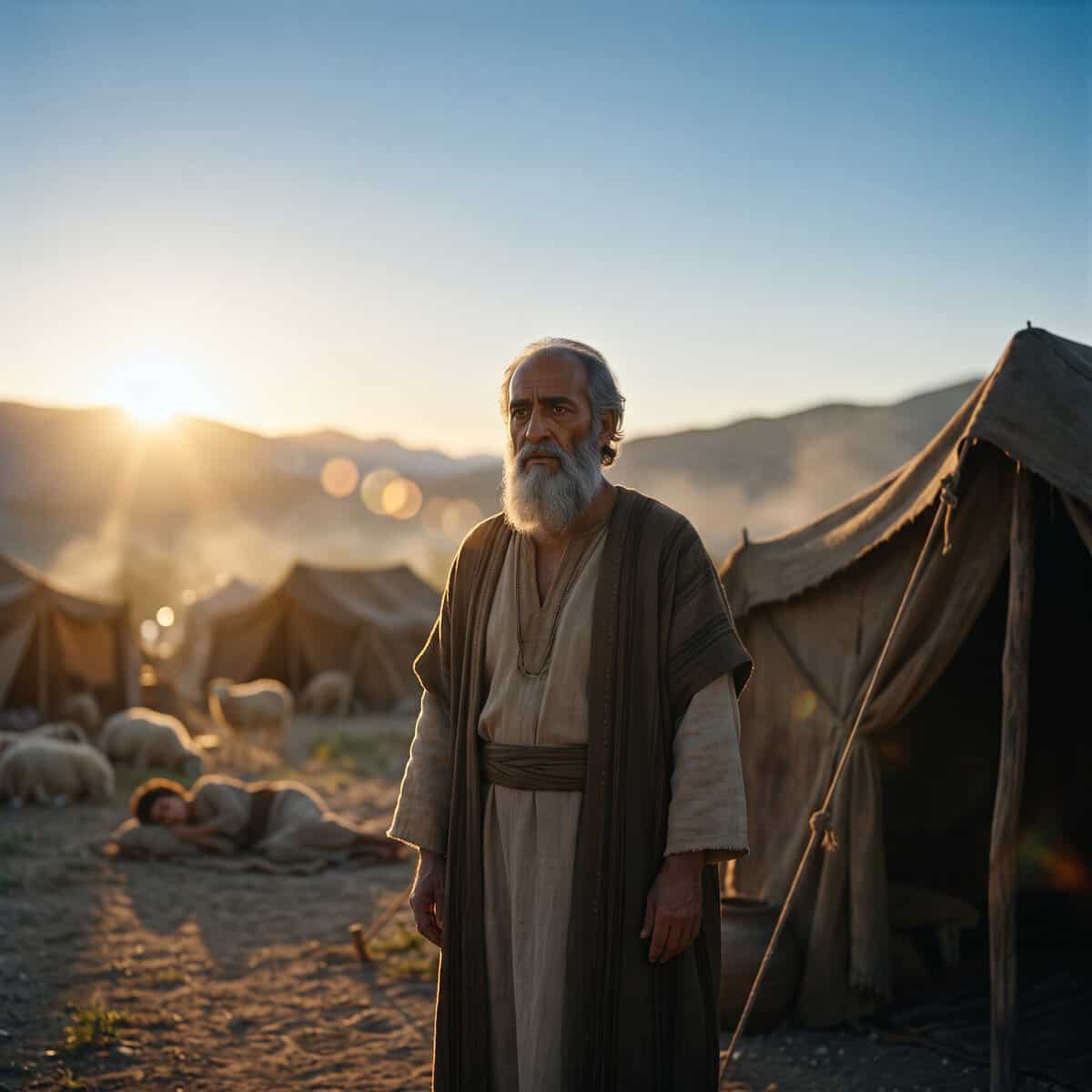
Genesis introduces the story by clearly saying that God tested Abraham. Abraham had already followed God through many difficult situations.
He had left his homeland, traveled into unfamiliar territory, and waited many years for the promised son.
But Isaac represented something especially important. He was not simply Abraham’s beloved child.
He was connected with God’s promise concerning Abraham’s future descendants. The command therefore created an enormous test of trust.
Could Abraham continue trusting God when he could not understand how God’s command and God’s earlier promise could fit together?
The story presents Abraham moving forward despite this uncertainty.
His faith was being tested not because the situation was easy to understand, but precisely because it seemed impossible to understand.
2. Isaac Had Become Abraham’s Most Precious Gift
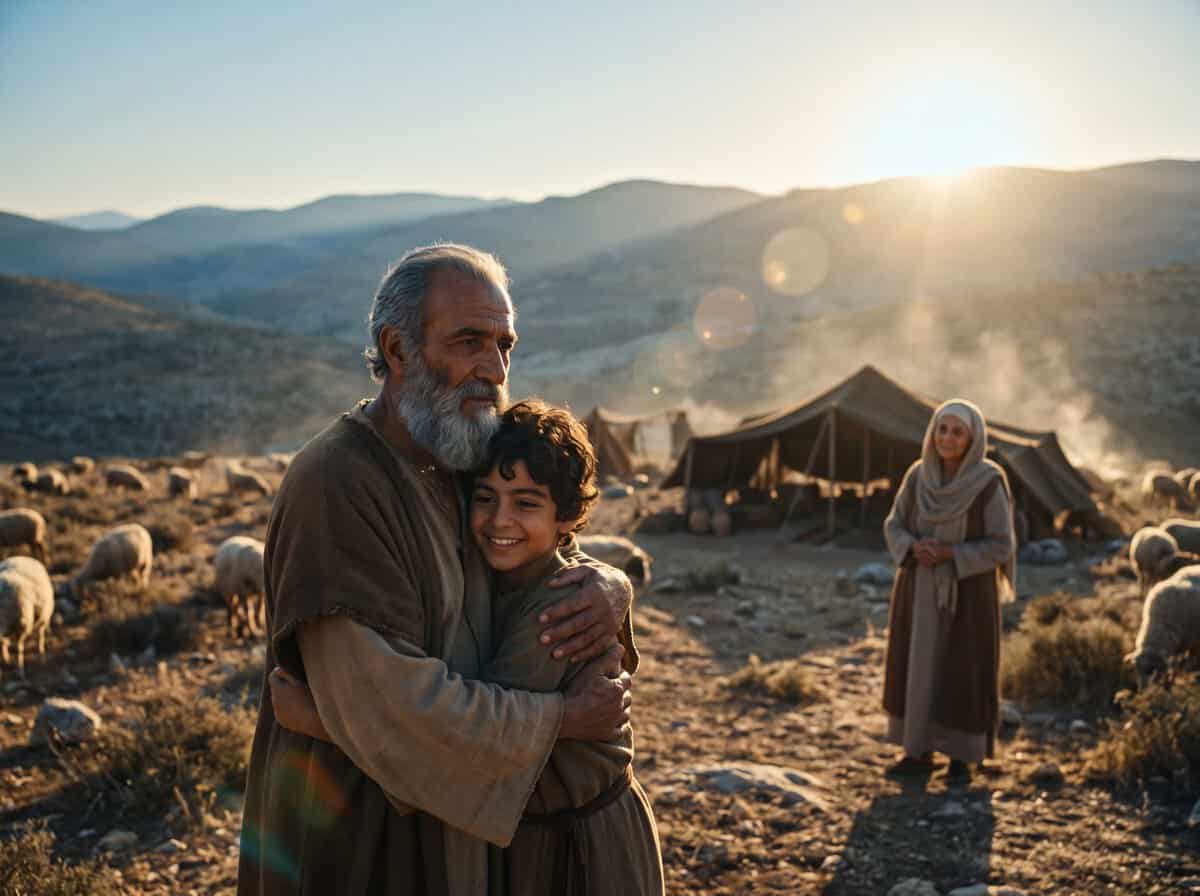
God had promised Abraham a son, but Abraham and Sarah waited many years before Isaac was born. By the time Isaac arrived, he represented decades of expectation.
Genesis 22 emphasizes Abraham’s love for him, describing Isaac as the son whom Abraham loved. This detail gives the test its emotional weight.
One interpretation is that Abraham had to demonstrate that even God’s greatest gift would not become more important to him than God Himself.
People can become so attached to blessings, achievements, relationships, or possessions that the gift becomes more important than the giver.
Abraham’s test challenged that possibility at the most extreme level. The story asks whether faith remains when a person is required to surrender control.
3. Abraham Had to Trust God’s Promise
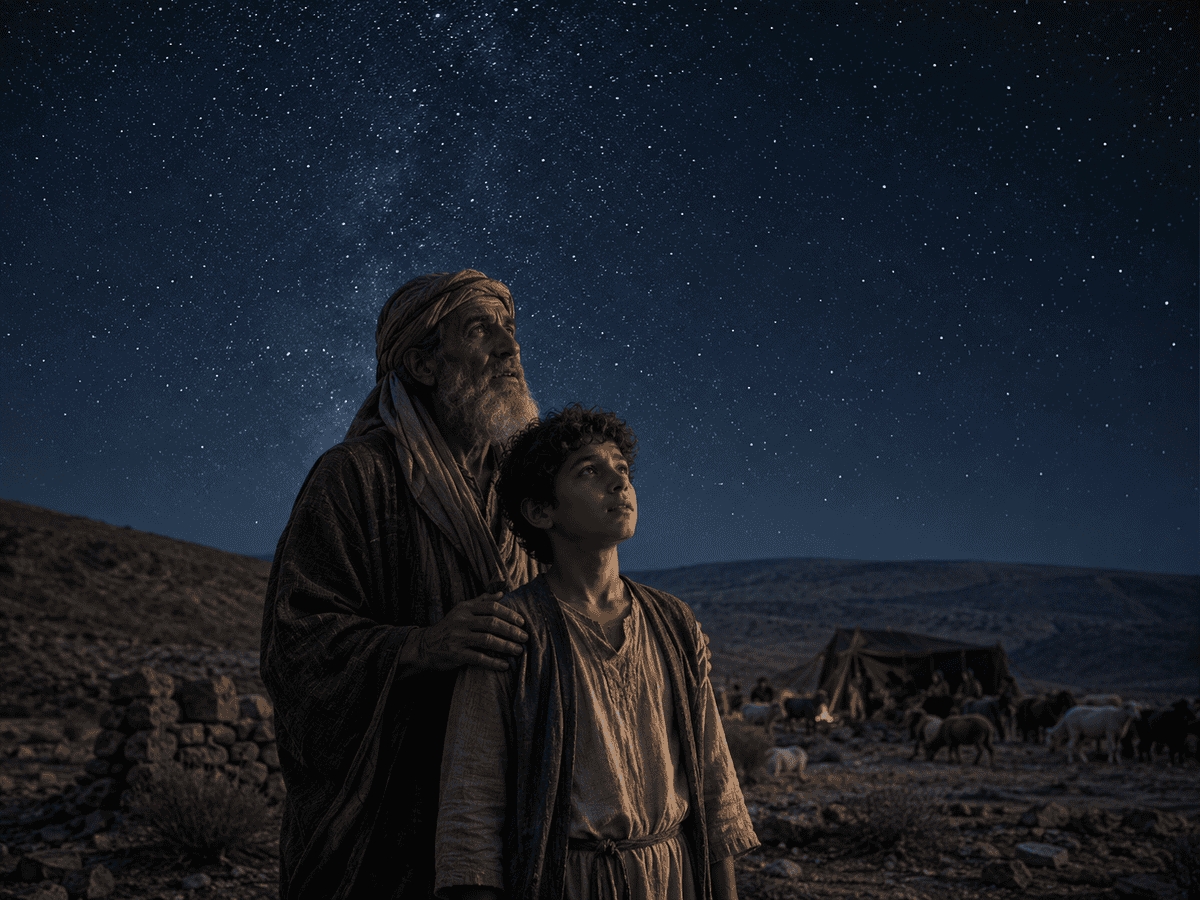
The command seemed to contradict something God had already told Abraham. God had specifically connected Isaac with the covenant promise.
If Isaac died, how could those promises possibly be fulfilled? The New Testament Book of Hebrews focuses directly on this problem.
Hebrews interprets Abraham’s actions as evidence that he remained convinced God could somehow keep His promise, even if doing so required something beyond ordinary human possibility.
From this perspective, Abraham was not abandoning his belief in God’s promise. He was trusting it more completely.
He did not know how the situation would end, but he believed God’s previous words concerning Isaac would ultimately remain true.
4. The Story Demonstrated the Cost of Obedience
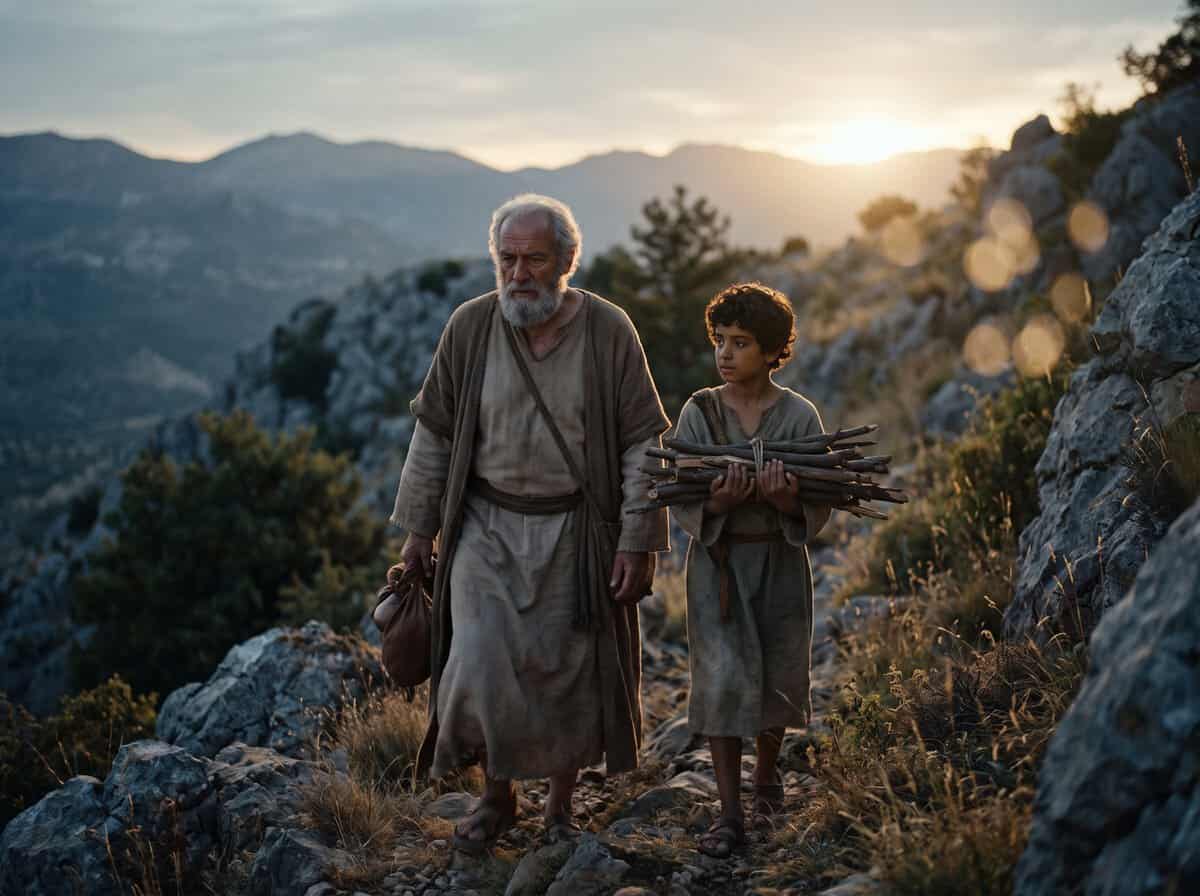
Biblical obedience is easy when the command agrees with what someone already wants. Abraham’s situation was completely different.
Everything about the test was personally costly. He could not obey casually or without emotional struggle.
That difficulty emphasizes an important biblical theme: genuine faith sometimes requires surrender rather than convenience.
Abraham had previously experienced moments when fear or impatience influenced his decisions.
Genesis 22 presents him differently. He responds to the command and continues forward despite not understanding the outcome.
5. God Intended to Stop the Sacrifice
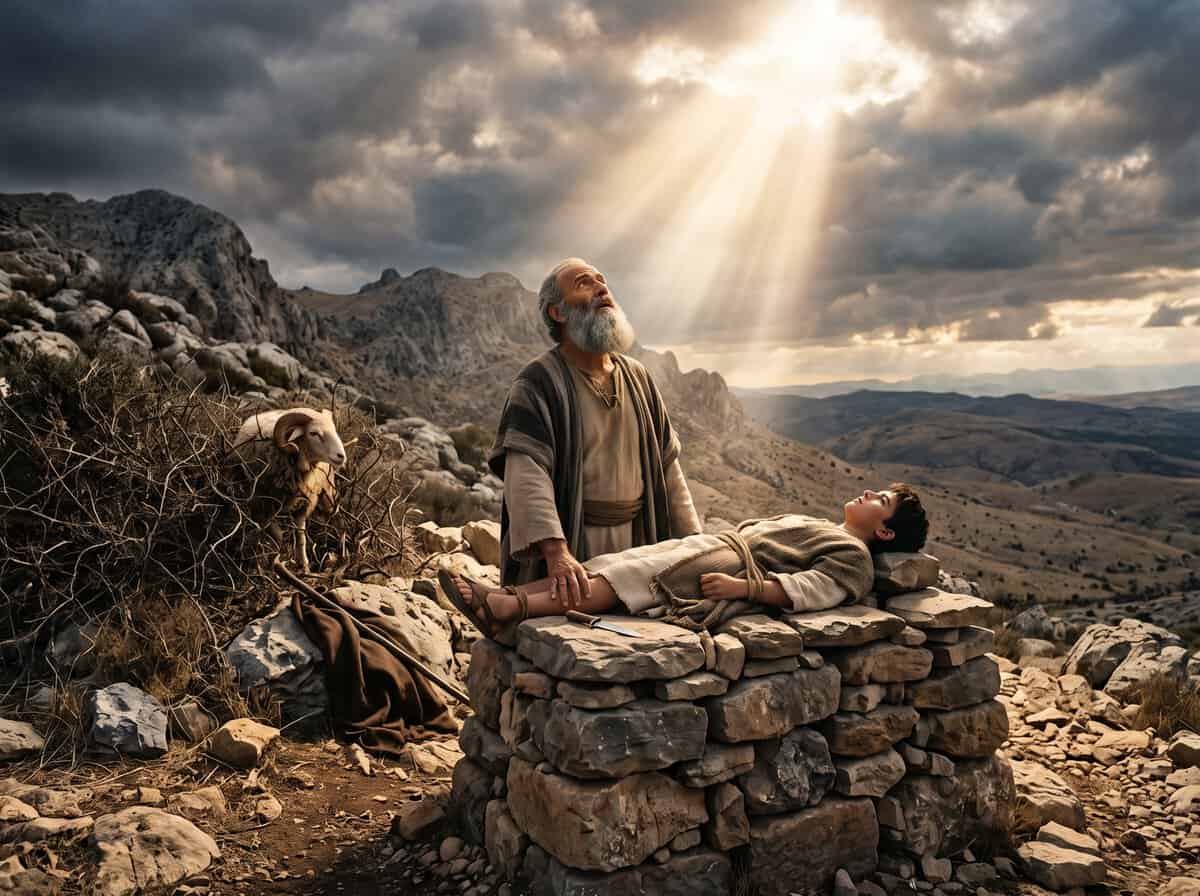
The ending changes how the entire story must be understood. Isaac does not die.
At the crucial moment, an angel of the Lord calls to Abraham and tells him not to harm the boy.
This reveals that Isaac’s death was not the final purpose of the test. God wanted Abraham’s faithfulness demonstrated, not Isaac’s destruction.
A ram caught nearby was then offered instead. This ending is especially important because human sacrifice existed in parts of the ancient world.
Genesis 22 moves toward sacrifice but ends with divine intervention. The story therefore cannot reasonably be reduced to the idea that God simply desired a human offering.
6. The Ram Introduced the Theme of Substitution
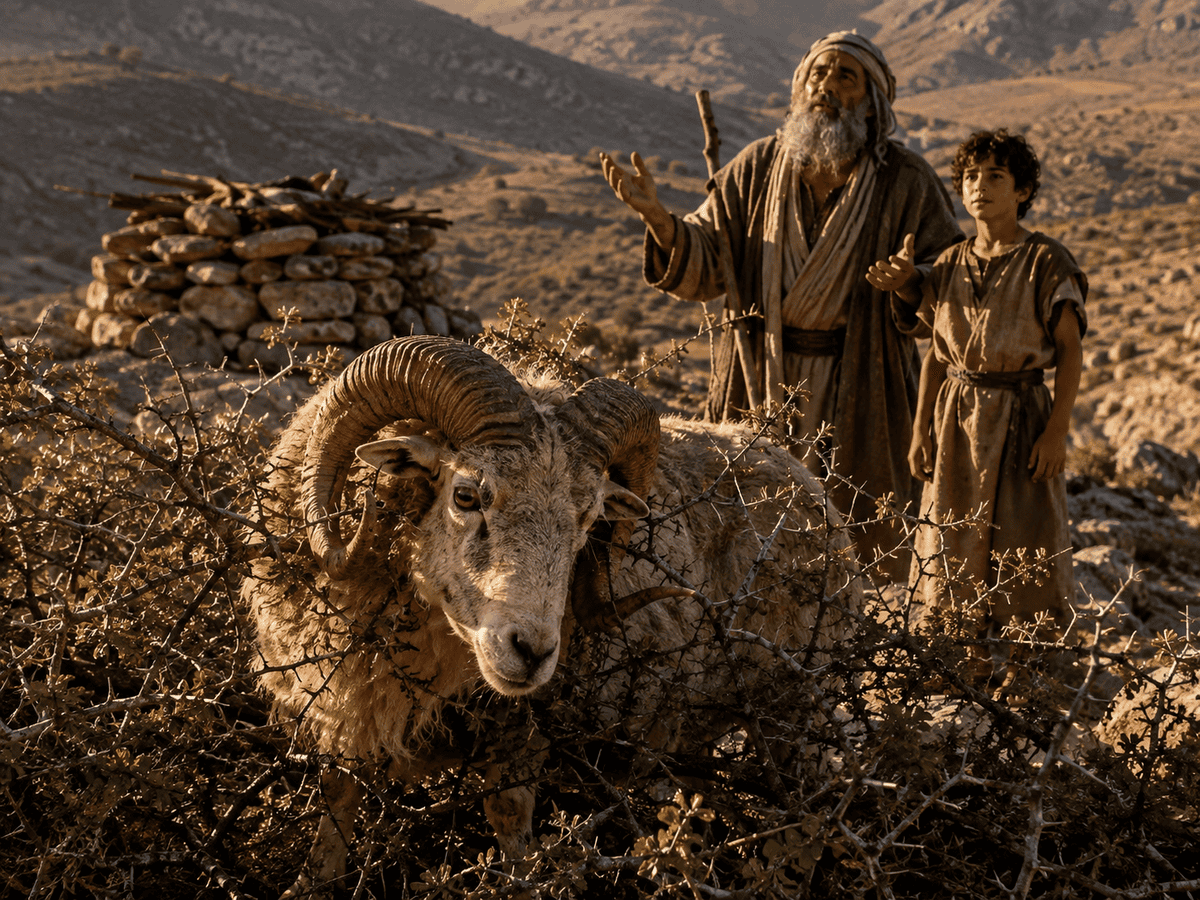
After Abraham is stopped, he notices a ram caught by its horns in a thicket. The ram becomes the sacrifice instead of Isaac.
That substitution became one of the story’s most important theological themes. Something else is provided where Isaac had been expected to die.
Jewish interpretations have connected the ram with later themes of sacrifice and divine mercy.
Christian interpretations often see the episode as part of a larger biblical pattern in which God provides what humanity cannot provide for itself.
The important point within Genesis itself is straightforward. Abraham arrives expecting to make an offering, but ultimately God provides the animal.
This leads directly to Abraham naming the place in connection with the idea that the Lord will provide.
7. The Story Distinguished Israel’s God From Human Sacrifice
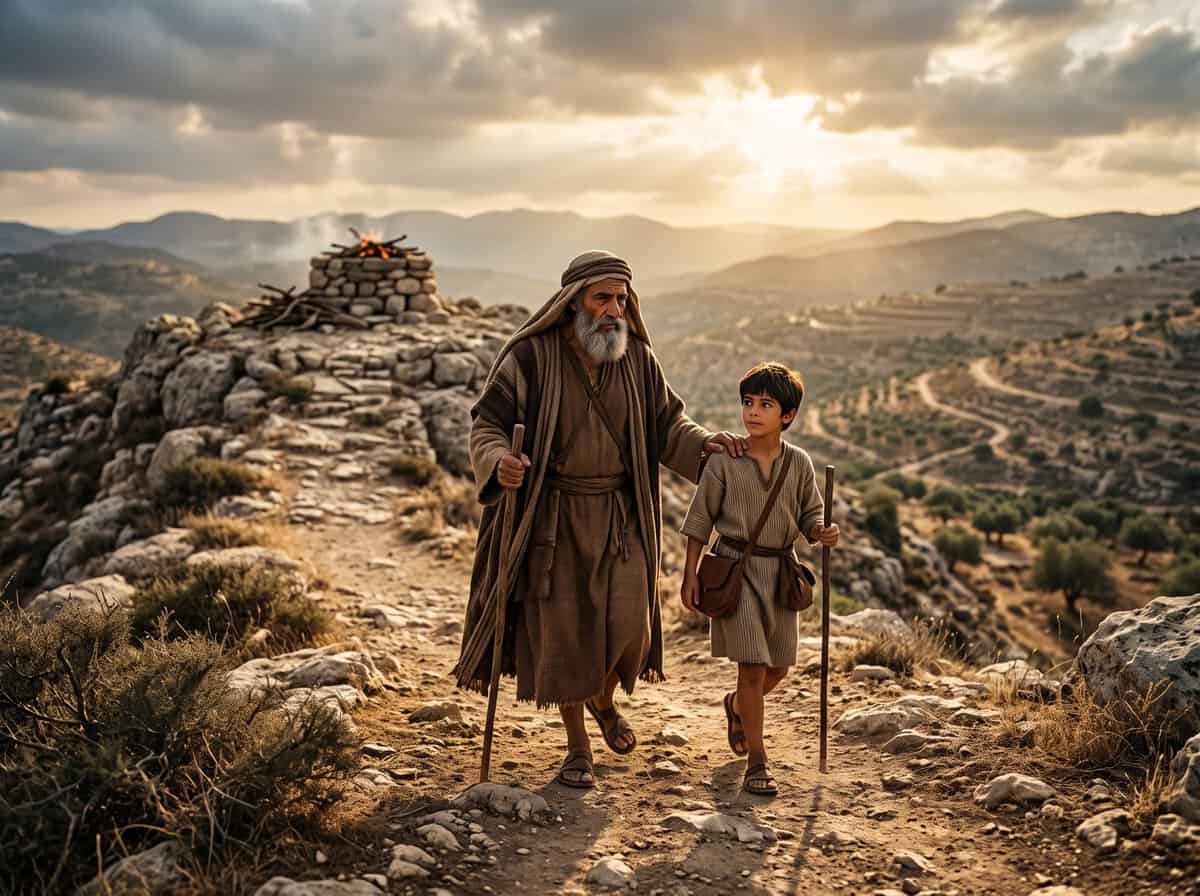
The ancient Near Eastern world included religious practices that could involve human sacrifice, including the sacrifice of children in certain contexts.
Later biblical texts strongly condemn such practices. Genesis 22 can therefore be read against this broader cultural background.
The story begins in a direction an ancient audience might recognize, but then something decisive happens.
God stops Abraham. Isaac is not offered. An animal takes his place.
Some scholars have interpreted this as part of a biblical movement away from human sacrifice toward animal sacrifice, although Genesis itself primarily identifies the event as Abraham’s test.
Either way, the ending matters enormously. The God of Abraham does not allow Isaac to become the final offering.
8. Abraham’s Faith Was Confirmed Through Action
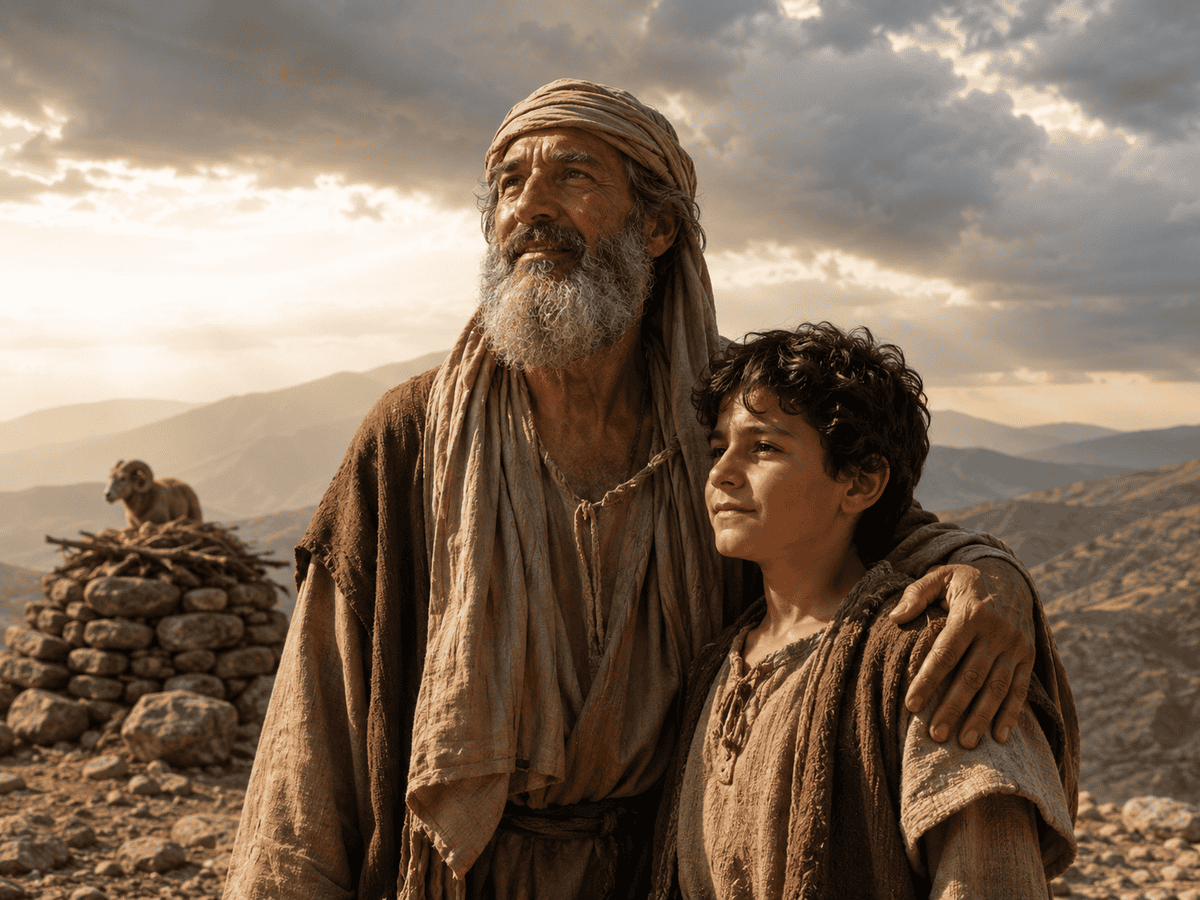
Abraham had already expressed faith in God, but Genesis 22 turns belief into action.
When Abraham is stopped, the divine message declares that his reverence for God has now been demonstrated.
This distinction became important in later biblical interpretation. Faith is not simply saying that you trust God. It affects decisions.
The New Testament Letter of James later uses Abraham’s willingness to offer Isaac as an example when discussing the relationship between faith and works.
Abraham’s actions revealed the seriousness of what he believed. The story therefore presents faith as something active.
His trust was not merely an idea held privately in his mind. It shaped what he was willing to do when confronted with an extraordinary test.
9. Christians See Isaac as Foreshadowing Jesus
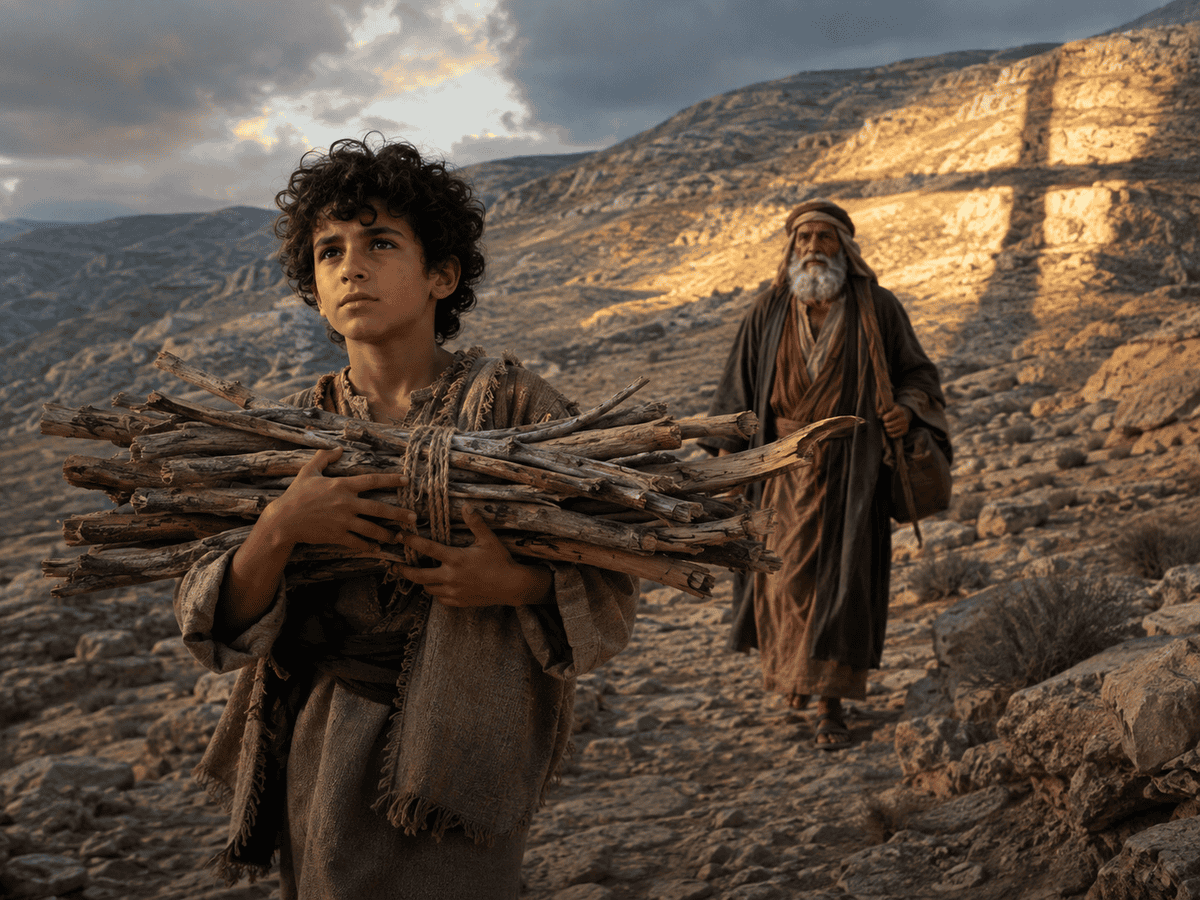
Christian tradition has long interpreted Genesis 22 as containing parallels with the later story of Jesus.
Isaac is a beloved son. He carries the wood connected with the sacrifice.
The journey leads toward a place of offering, and the narrative centers on obedience, sacrifice, and divine provision.
There are also important differences. Isaac is spared, while Jesus’ crucifixion actually occurs in the New Testament account.
For Christians, this difference becomes part of the symbolism. Abraham does not ultimately have to give his son because God provides another sacrifice.
The New Testament later presents God as giving His own Son for humanity.
This Christian interpretation does not replace the original Genesis context, where Abraham’s faith is being tested.
Instead, it became an additional theological reading that connected the story with the broader Christian understanding of salvation.
10. The Story Shows That God Ultimately Provides
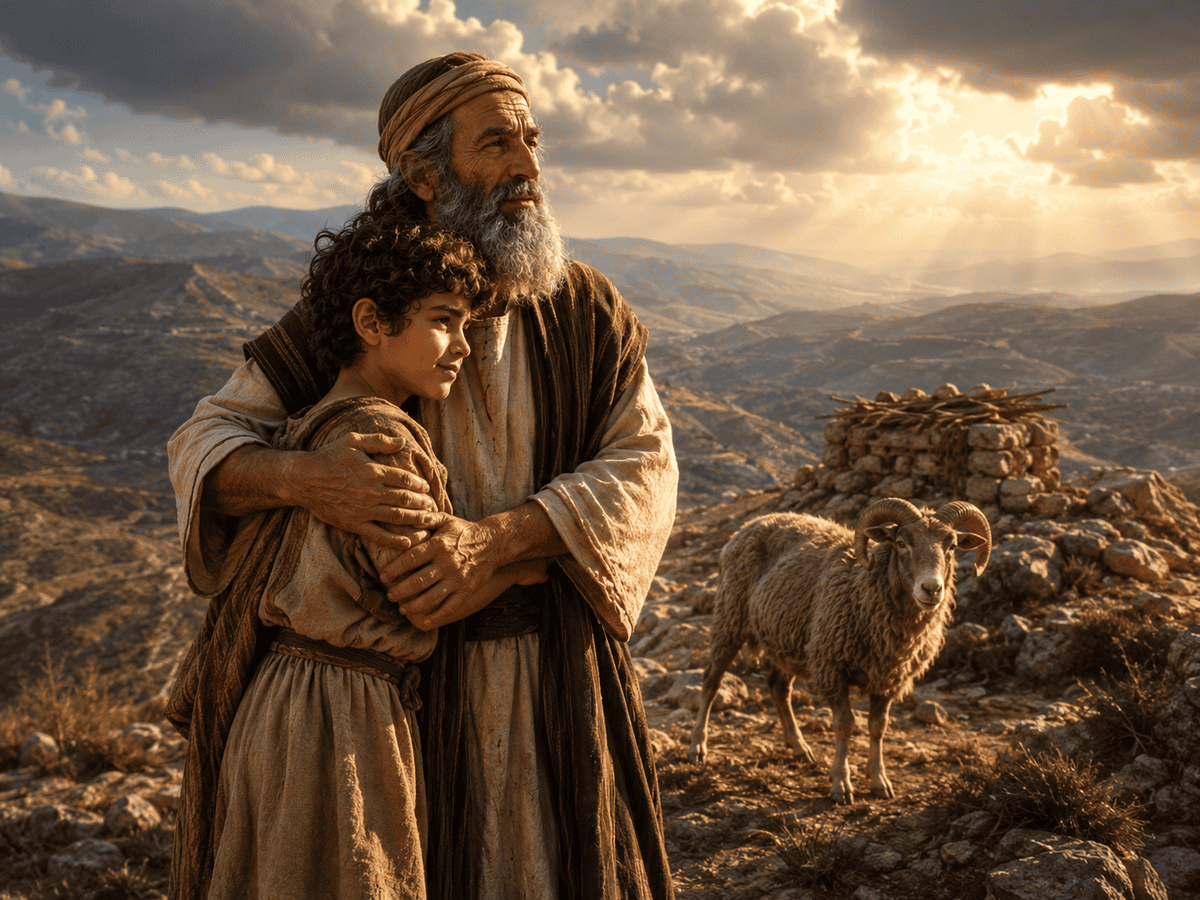
One of the most hopeful moments comes after Abraham sees the ram. He names the location in a way traditionally translated as “The Lord will provide.”
That idea transforms the meaning of the journey. At the beginning, Abraham does not know how the situation will be resolved.
When Isaac asks where the animal for the offering is, Abraham responds that God will provide it.
Eventually, that is exactly what happens. Abraham’s journey therefore moves from uncertainty to provision.
He cannot see the solution when the test begins, yet the solution already exists before the story reaches its climax.
This has made Genesis 22 an enduring story about faith during moments when God’s purposes seem hidden.

Sempre senti uma forte ligação com o Divino desde o meu nascimento. Como autora e mentora, a minha missão é ajudar os outros a encontrar o amor, a felicidade e a força interior nos momentos mais sombrios.