
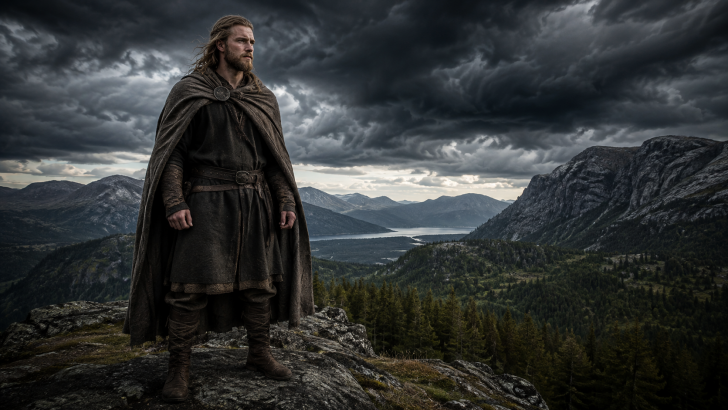
Thor creates thunder and battles giants. Loki causes trouble with his clever schemes, while Odin searches endlessly for wisdom. Vidar is very different.
Known as Víðarr in Old Norse, Vidar is a mysterious god associated with silence, strength, vengeance, and survival.
He appears only briefly in surviving Norse sources, yet his role becomes incredibly important during Ragnarök, the catastrophic conflict that brings the old divine order to an end.
Vidar does not need long speeches or countless adventures to prove his importance. His greatest moment arrives when Odin falls.
The normally quiet god then confronts the monstrous wolf Fenrir and avenges his father, becoming one of the few major gods destined to survive Ragnarök.
Because surviving Norse mythology contains relatively little information about him, some details remain mysterious.
Here are eight fascinating things about Vidar, the silent Norse god of vengeance.
1. Vidar Was a Son of Odin
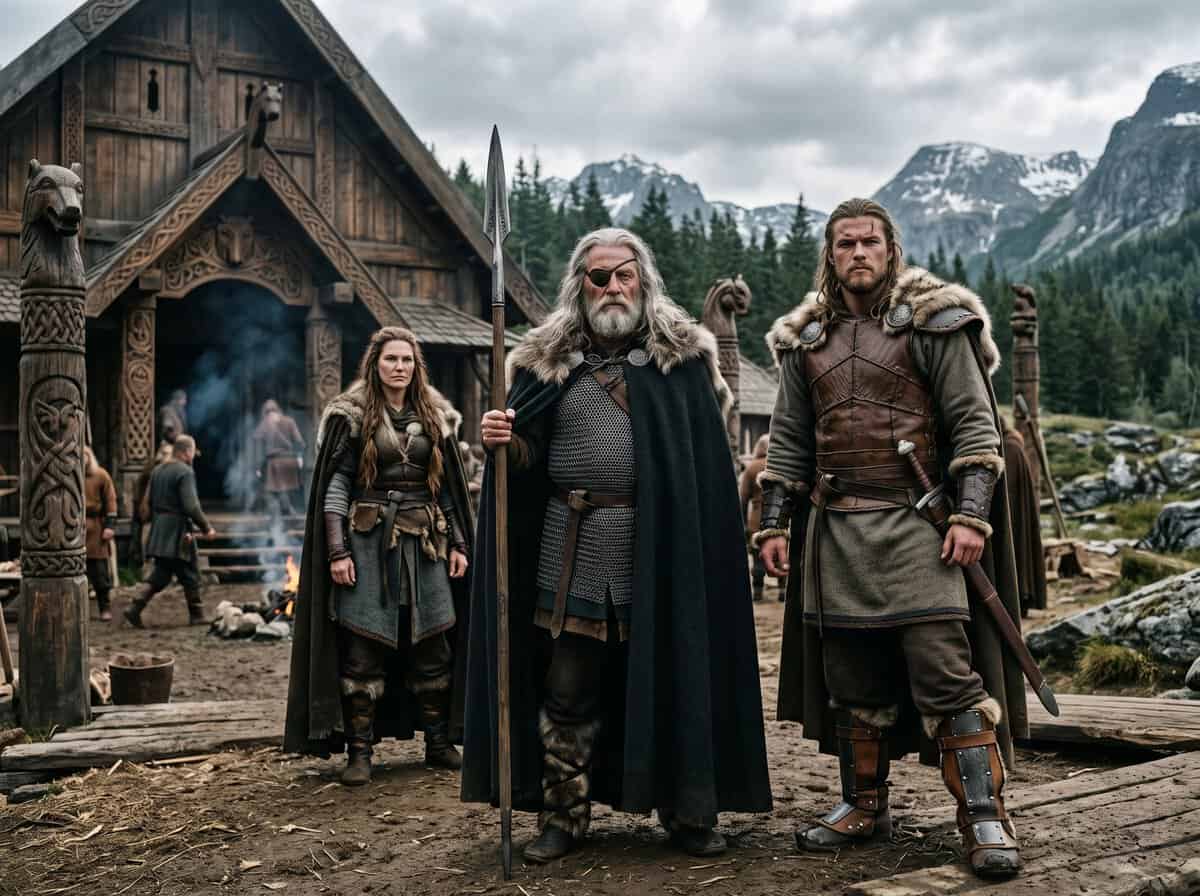
Vidar belonged to one of the most powerful divine families in Norse mythology.
His father was Odin, ruler of the Æsir and god associated with wisdom, war, poetry, magic, and death. Vidar’s mother was the giantess Gríðr.
This made Vidar part god and part jötunn by ancestry, something that was not particularly unusual within Norse mythology.
The gods and giants frequently formed relationships despite also being enemies in many stories.
Gríðr herself appears elsewhere as a helpful figure. In the Prose Edda, she assists Thor by giving him magical equipment before a dangerous encounter with the giant Geirröðr.
Vidar inherited an impressive place within this complicated supernatural family.
Yet unlike many of Odin’s other sons, he remains largely outside the dramatic adventures of the gods.
2. He Was Known as the Silent God
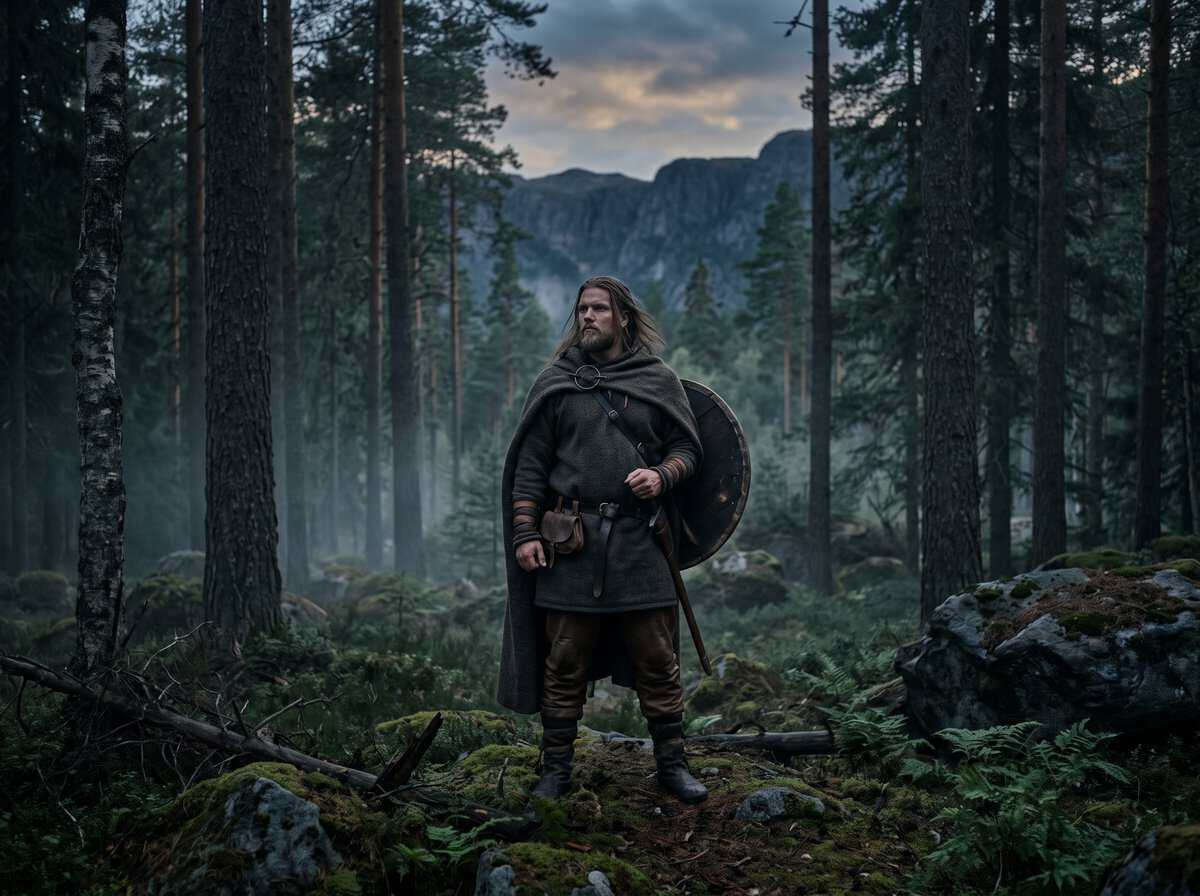
One of Vidar’s most famous characteristics is his silence. This makes Vidar very different from several other Norse figures.
The surviving sources do not provide a detailed explanation for why he is called the silent god, which has encouraged many interpretations.
His silence may represent patience, restraint, seriousness, or the calm strength of someone waiting for the correct moment to act.
He does not solve problems through clever speeches like Loki or constantly demonstrate his strength through adventures like Thor.
Vidar waits. That silence gives him an almost intimidating presence.
His story suggests that power does not always need to announce itself.
When Ragnarök finally arrives, Vidar’s actions become far more important than anything he could have said beforehand.
3. Vidar Was Considered Extremely Strong
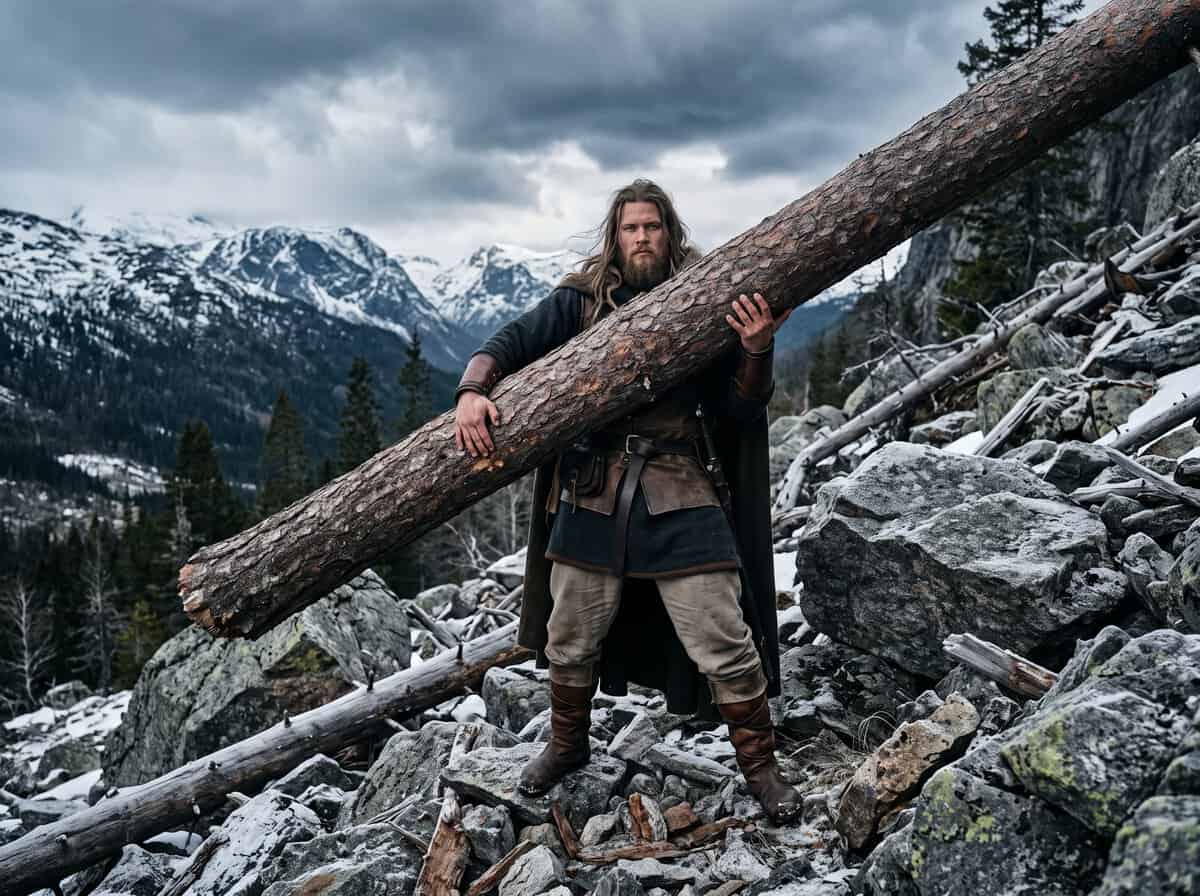
Vidar may be quiet, but he certainly is not weak. The Prose Edda describes him as a strong god and suggests that the gods rely upon him during difficult situations.
Some later interpretations even describe him as second only to Thor in physical strength, although surviving sources do not provide a simple ranking of every god.
His strength becomes obvious during Ragnarök. Fenrir is no ordinary enemy.
The monstrous wolf is so dangerous that the gods previously tricked him into being bound with the magical restraint Gleipnir.
During Ragnarök, Fenrir finally breaks free and becomes one of the greatest threats facing the gods.
Vidar is capable of confronting this creature directly. His extraordinary strength fits his personality perfectly.
He does not constantly display his abilities. Instead, he preserves them until the moment when they are desperately needed.
4. His Famous Shoe Was Made for Ragnarök
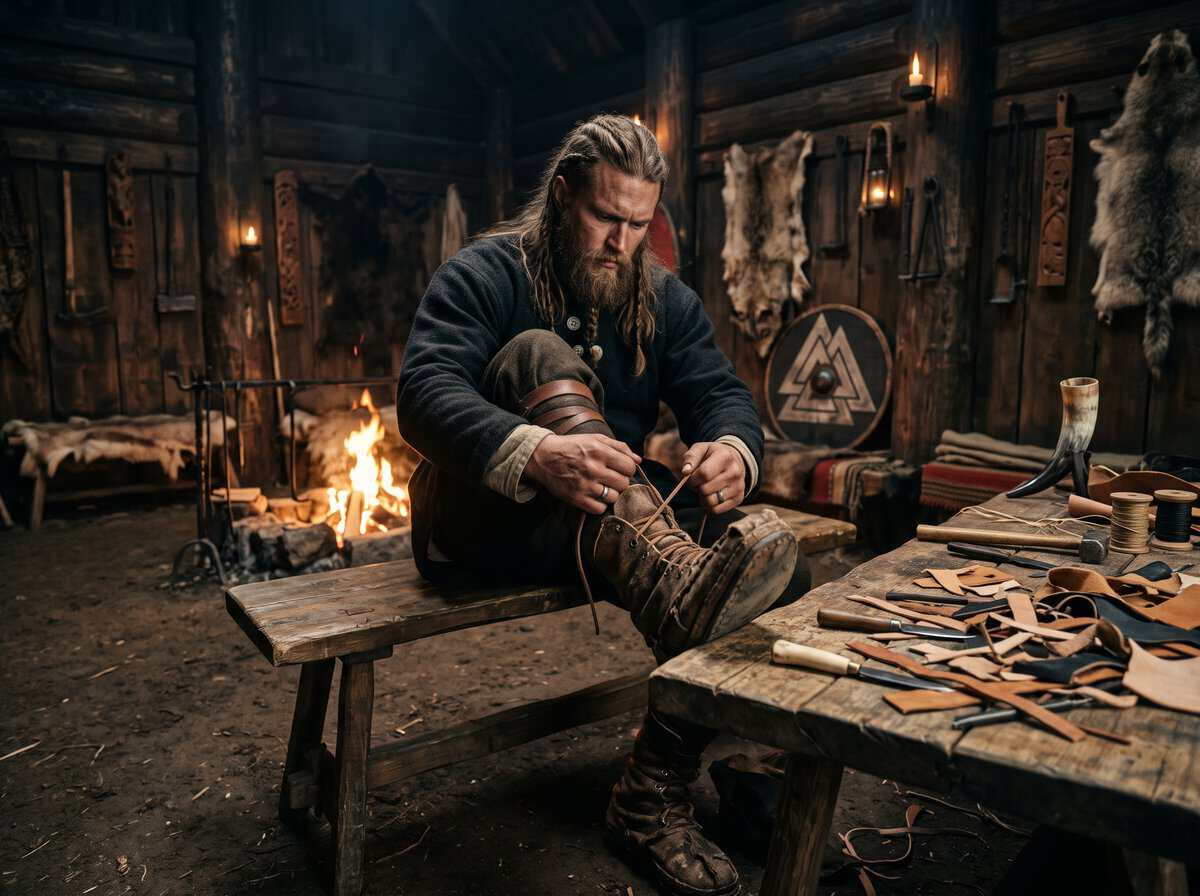
One of the strangest details about Vidar concerns his enormous shoe.
According to the Prose Edda, Vidar possesses a particularly strong shoe that becomes essential during his battle with Fenrir.
The text connects this shoe with scraps of leather cut away when people make shoes.
According to the mythological explanation, these leftover pieces contribute to Vidar’s protective footwear.
The story even encourages people who wish to help the gods to throw such scraps away in a particular way.
This unusual detail transforms something completely ordinary into part of a cosmic prophecy.
Vidar’s shoe must withstand the power of Fenrir during the final battle.
5. Vidar Avenges Odin by Killing Fenrir
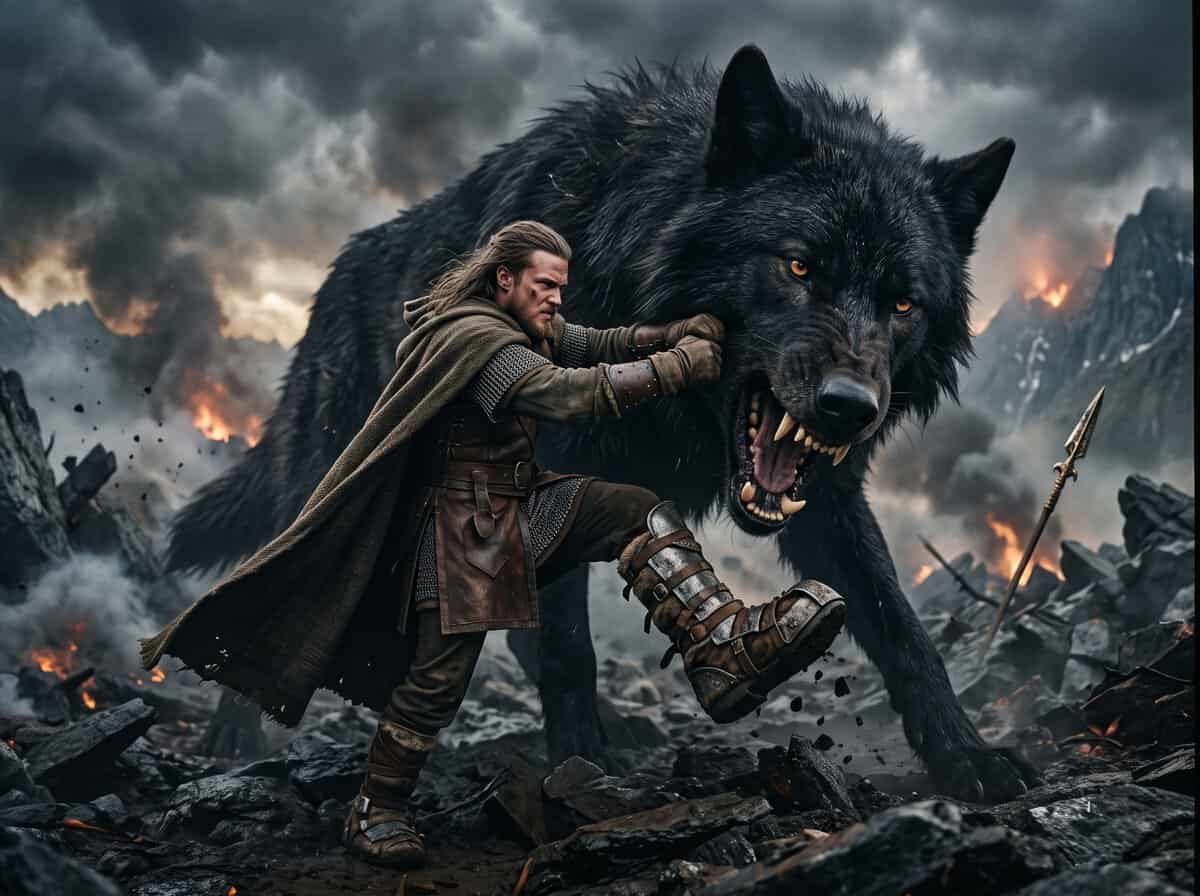
Vidar’s defining moment occurs during Ragnarök. Odin enters battle against Fenrir, but the encounter ends tragically.
The enormous wolf kills Odin. For the Norse gods, this is one of the greatest losses imaginable. Their ruler and father has fallen during the final struggle.
Vidar immediately becomes the avenger. Different surviving descriptions provide slightly different details about how he kills Fenrir.
In one famous version, Vidar places his protected foot against the wolf’s lower jaw, grabs the upper jaw, and tears Fenrir’s mouth apart.
Another account describes him using a sword. Regardless of the exact version, the result remains the same.
Fenrir kills Odin, and Vidar kills Fenrir. This act fulfills Vidar’s role as the god who waits silently until vengeance becomes necessary.
6. His Vengeance Was About Duty Rather Than Anger
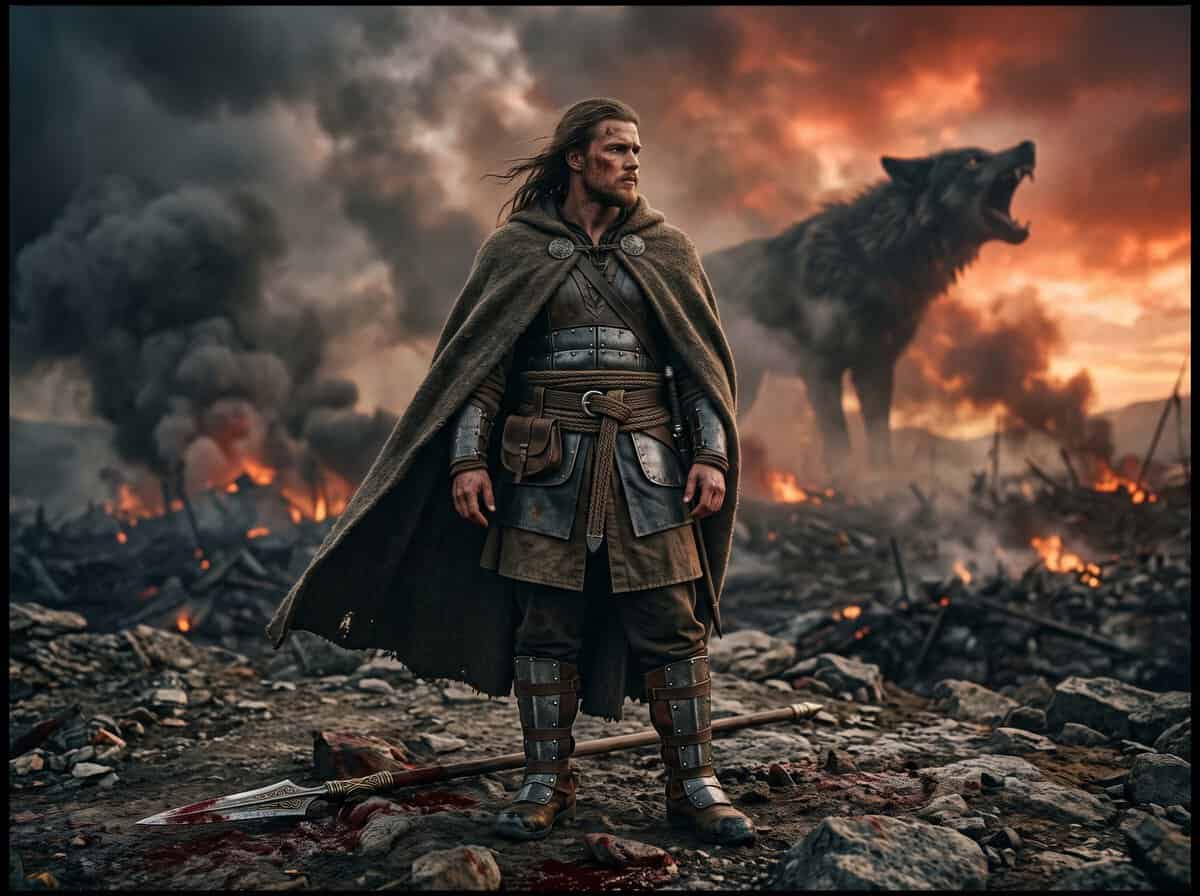
Modern audiences often imagine vengeance as an emotional act driven by uncontrolled rage. Vidar represents something different.
His revenge against Fenrir is presented as a duty connected with his father’s death and the larger events of Ragnarök.
He does not spend surviving myths angrily searching for enemies. He waits until the destined moment.
Family loyalty and the obligation to answer serious wrongdoing were powerful themes within Old Norse literature.
Vidar’s story reflects that cultural world. When Odin dies, Vidar responds immediately.
His silence before Ragnarök makes this moment even more powerful because his entire mythological identity seems to have prepared him for this responsibility.
7. Vidar Is One of the Gods Who Survive Ragnarök
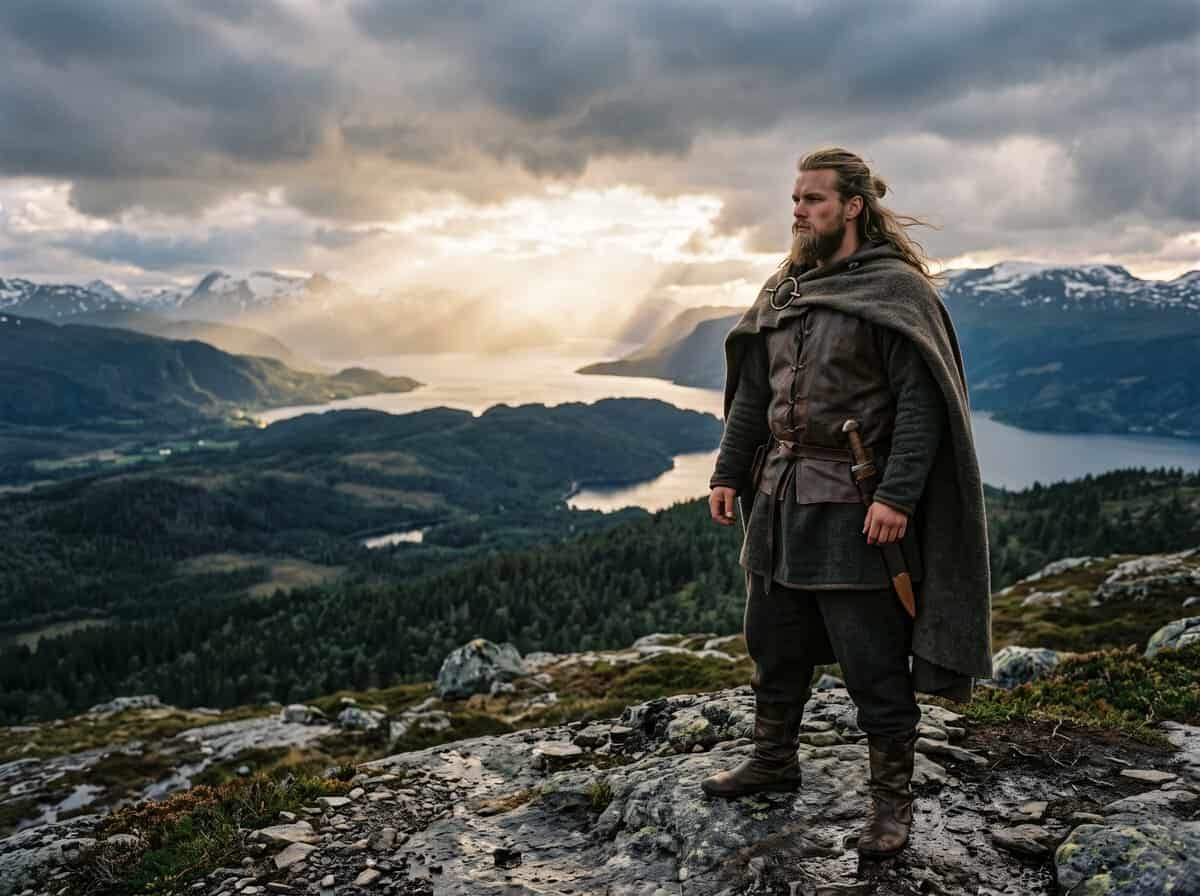
Ragnarök destroys much of the familiar Norse world. Odin dies fighting Fenrir.
Thor defeats the World Serpent Jörmungandr but dies shortly afterward from its venom.
Freyr falls while fighting Surtr, and Loki and Heimdall kill each other. Vidar, however, survives.
After the destruction, he joins the small group of gods who remain in the renewed world.
Another surviving son of Odin is Váli, while Thor’s sons Magni and Modi also live beyond Ragnarök according to surviving tradition.
Baldr and Höðr return from the realm of the dead. This makes Vidar more than simply an avenger.
He becomes part of the bridge between the old world and whatever comes afterward.
His survival gives his silence another possible meaning. Vidar is patient enough to endure the destruction of one age and continue into the next.
8. Vidar Represents Strength That Does Not Need Attention
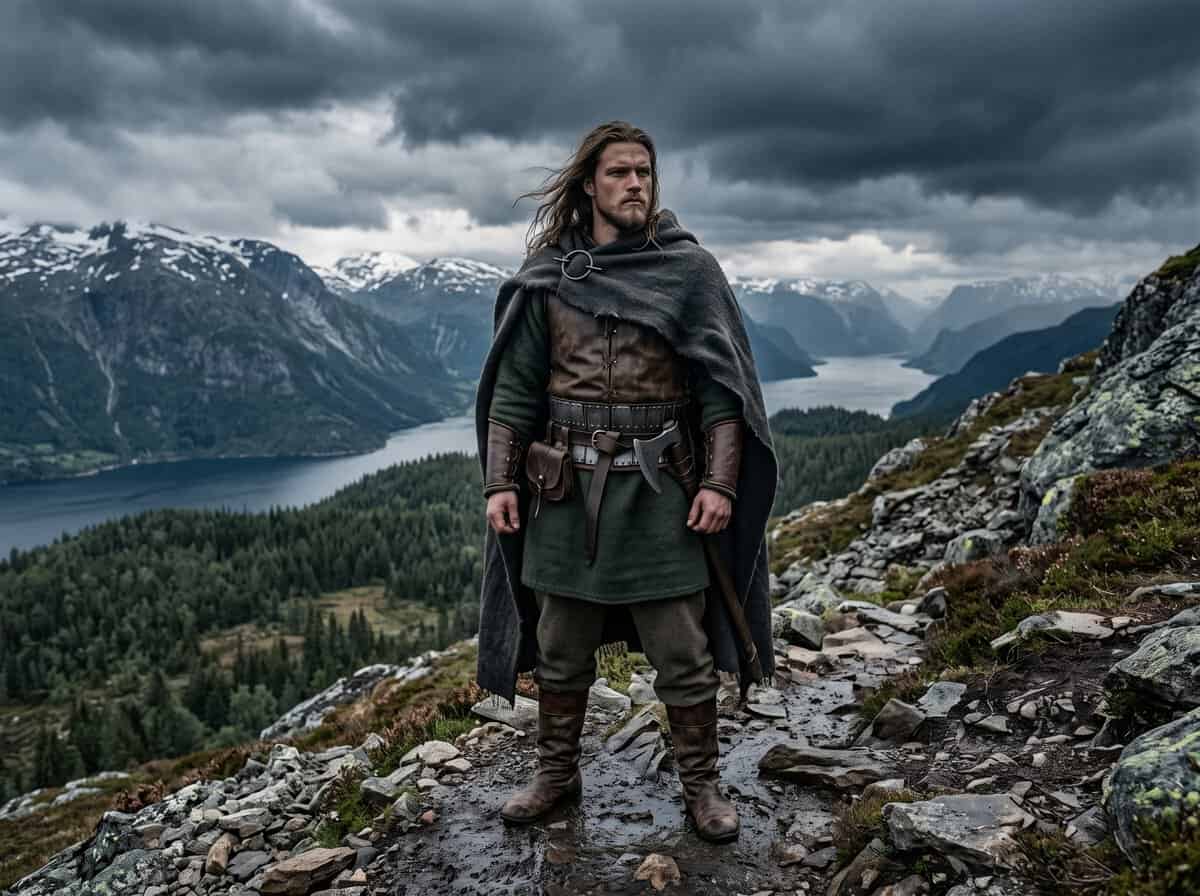
Vidar’s mythology is surprisingly short compared with the stories surrounding Odin, Thor, Loki, or Freyr.
Yet this lack of stories has become part of what makes him fascinating. He represents quiet strength.
Vidar does not seek attention, boast about his abilities, or constantly prove himself through dramatic adventures.
When the moment comes, however, he accomplishes something extraordinary.
He faces the monster responsible for Odin’s death and survives the destruction that overwhelms many more famous gods.
While the world burns and legendary gods fall, the silent Vidar fulfills the role that appears to have been waiting for him all along.
That is why his limited appearances never make him feel unimportant. Vidar embodies patience, loyalty, resilience, and controlled power.

Sempre senti uma forte ligação com o Divino desde o meu nascimento. Como autora e mentora, a minha missão é ajudar os outros a encontrar o amor, a felicidade e a força interior nos momentos mais sombrios.