

The dead weren’t always expected to stay silent.
Across the ancient world, people wrote to them, slept near their shrines, questioned them through bones, and even moved their remains.
When help from the living wasn’t enough, the grave offered another place to look.
1. Egyptians Wrote Letters to Dead Relatives
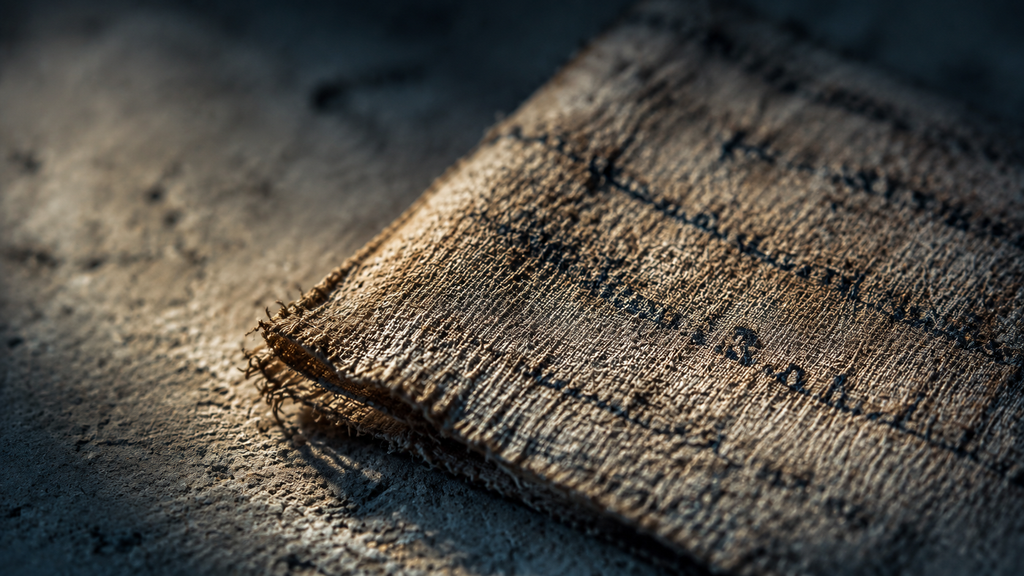
Ancient Egyptians sometimes dealt with problems by writing directly to someone who had died.
But these weren’t farewell messages written like poetry. They were requests for actual help.
They asked dead relatives to stop an illness, settle a property dispute, help with fertility, or defend them in the afterlife.
The messages appeared on bowls, linen, papyrus, and pieces of stone, and they were usually left in or near the recipient’s tomb.
One surviving bowl from Qau carries two letters from a man named Shepsi. He wrote to his father about an inheritance problem and to his mother about an illness.
The tone of these letters could be surprisingly direct.
Writers sometimes reminded the dead that they had been treated well while they were alive, so they had no reason to ignore the family now.
2. Shang Rulers Heated Bones for Answers
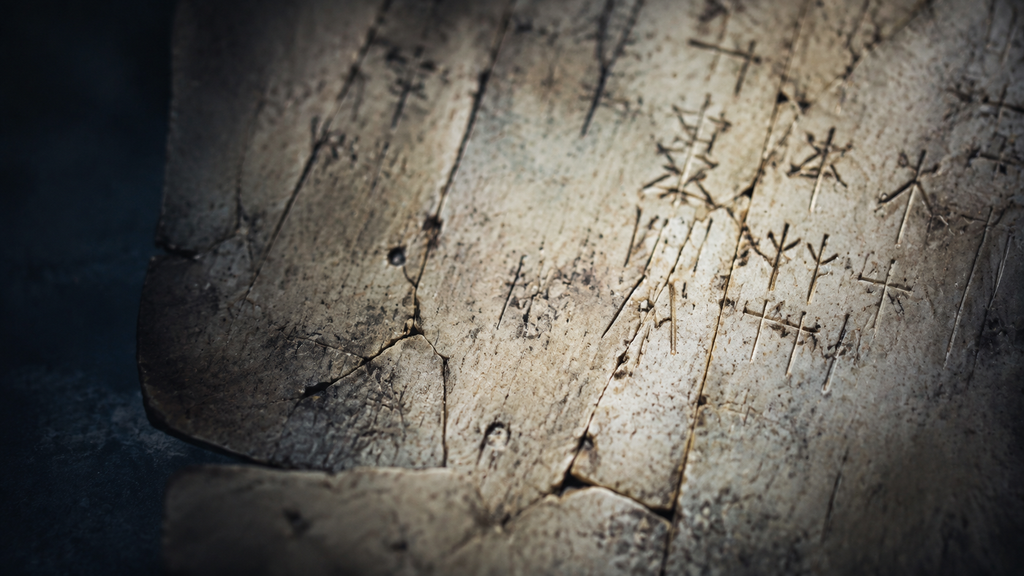
In ancient China, Shang rulers asked their royal ancestors about war, weather, harvests, childbirth, and just about anything else that could affect the kingdom.
Their questions were carved into ox shoulder blades or the undersides of turtle shells.
The bones themselves didn’t usually belong to the ancestors being contacted. Instead, they served as a surface through which the ancestors could answer.
A diviner applied intense heat to hollows cut into the bone. The heat produced cracks, and those cracks were read as signs.
The question, prediction, and sometimes the final result were recorded on the bone. That’s one reason oracle bones contain some of the earliest surviving examples of Chinese writing.
These questions were directed both to royal ancestors and to the powerful deity Shangdi.
3. Greeks Sent Questions to Oracles of the Dead
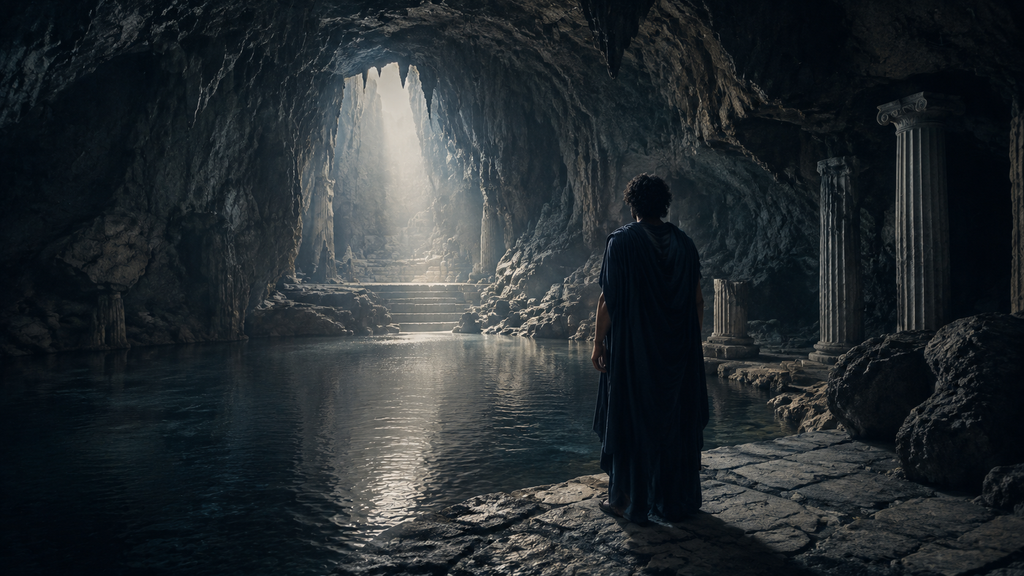
Some ancient Greeks believed certain caves, lakes, and river valleys lay close to the underworld.
These places became linked with oracles of the dead. Visitors, or messengers acting for them, went there hoping a ghost would reveal hidden information or offer a glimpse of the future.
One of the strangest stories comes from the Greek historian Herodotus.
Periander, the ruler of Corinth, sent messengers to an oracle near the River Acheron. He wanted his dead wife, Melissa, to tell him where a missing deposit had been hidden.
Melissa appeared, but she refused to answer. Instead, she complained that she was cold because the clothes buried with her had never been properly burned.
Periander arranged another offering and tried again. This time, the ghost revealed the location.
Herodotus presents the story as part of a larger account of Periander’s cruel behavior, so it shouldn’t be treated like a modern eyewitness report.
Even so, the story shows what ancient audiences were willing to believe. The dead might possess useful knowledge, but they could also demand something in return.
4. Some People Slept Beside a Dead Seer

Not every answer required a ghost to appear while someone was awake. Sometimes, people simply went to sleep and waited for the dead to visit them in dreams.
The Greek geographer Strabo described one such shrine in southern Italy, dedicated to Calchas, the legendary seer who advised the Greek army during the Trojan War.
People came there because they believed his gift for prophecy had survived death.
And the ritual was very specific. A visitor sacrificed a black ram to Calchas’s spirit, spread the animal’s hide on the ground, and then slept on it, waiting for a dream.
The answer might arrive as a clear message, but it could just as easily appear as a symbol, leaving the visitor to work out its meaning later.
Strabo’s account also mentions another nearby hero shrine, this one dedicated to Podalirius, a healer linked to the Trojan War.
The idea behind the ritual was very simple. A great seer didn’t lose his knowledge after death. If anything, entering the world of the dead may have given him access to even more.
5. Babylonian Specialists Tried to Make Skulls Speak
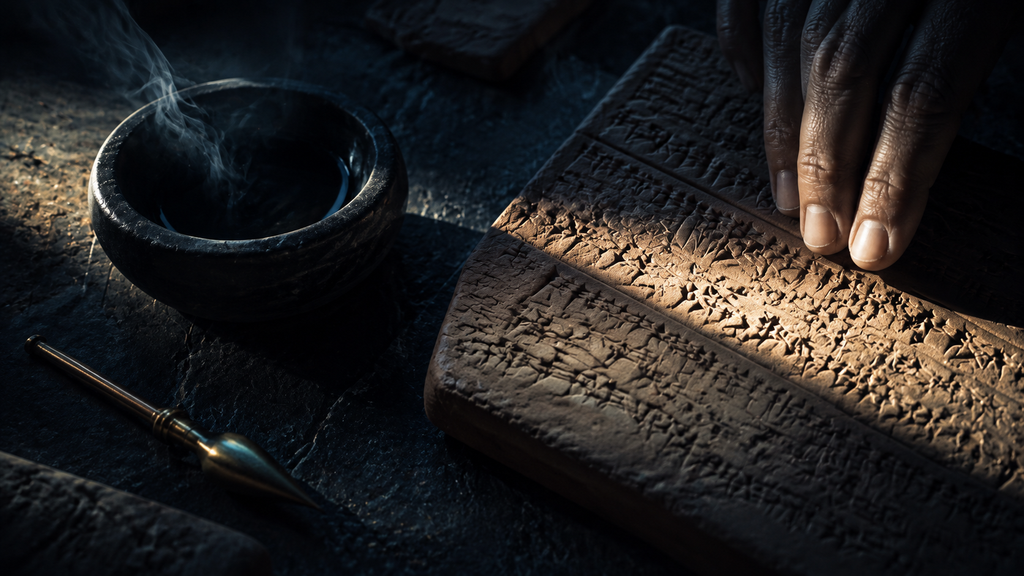
One of the most unsettling examples comes from Babylonian ritual manuals.
These texts describe specialists preparing a human skull as a kind of doorway—or container—for a summoned spirit.
First came the mixture: oil, animal remains, dust, and material gathered from a crossroads. It was left overnight. Then, the next day, the specialist placed it on the skull and spread some of it across their own face.
And that was only the beginning.
The ritual called on Shamash, the sun god, to bring the spirit forward. Once the ghost had entered the skull, the specialist could start asking questions.
Whether the skull had to belong to that particular spirit isn’t clear. Maybe it did. Or maybe it simply served as a temporary home for whichever ghost answered.
A University College London study of Mesopotamian necromancy discusses these instructions, along with an even earlier Assyrian letter about consulting spirits.
But this wasn’t casual ancestor worship at home. It was technical, risky work—and it seems to have been reserved for someone who knew exactly which ingredients, words, and steps to use.
6. People Used the Dead as Couriers
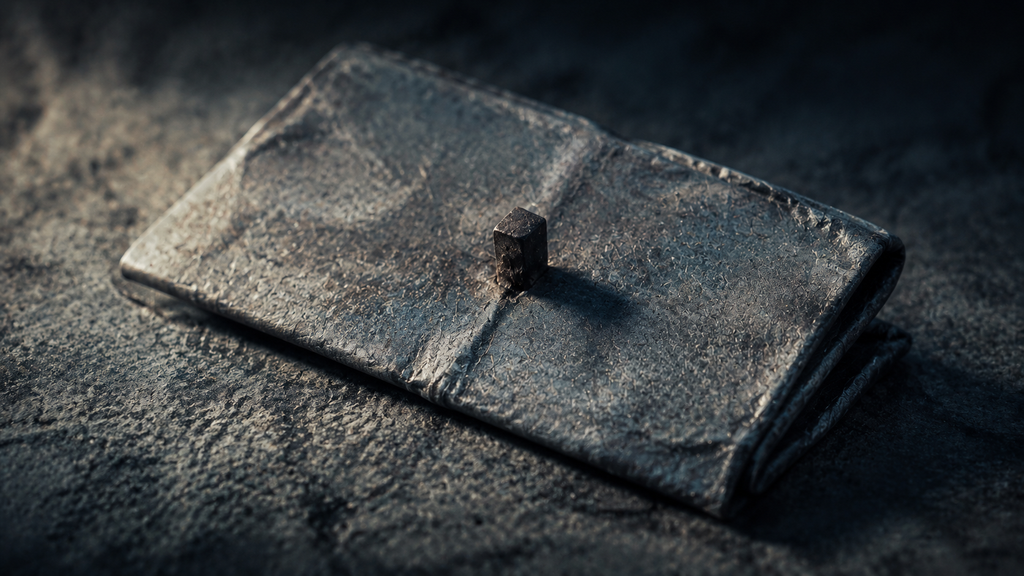
Greeks and Romans had a strange way of asking the dead to get involved.
They wrote requests on thin sheets of lead, folded them up, pierced them with nails, and slipped them into graves.
Today, we call these objects curse tablets.
But not every request was about revenge. Some targeted thieves. Others aimed to silence courtroom rivals, ruin a competitor’s business, or break up a relationship.
The person buried in the grave wasn’t always the real target. The ghost was treated like a messenger or even a hired worker who could carry the request into the underworld.
And that may explain why people sometimes chose the graves of those who had died young or violently. Their spirits were believed to be restless, angry, and easier to recruit.
The practice spread widely. Research on early Sicilian curse tablets shows that some of the oldest known examples, dating to around 500 BCE, were found in cemeteries.
The dead person didn’t have to be family. They didn’t even have to be someone the writer knew.
All it took was a grave, a written demand, and one stranger’s final job.
7. Cities Moved Heroes’ Bones for Protection
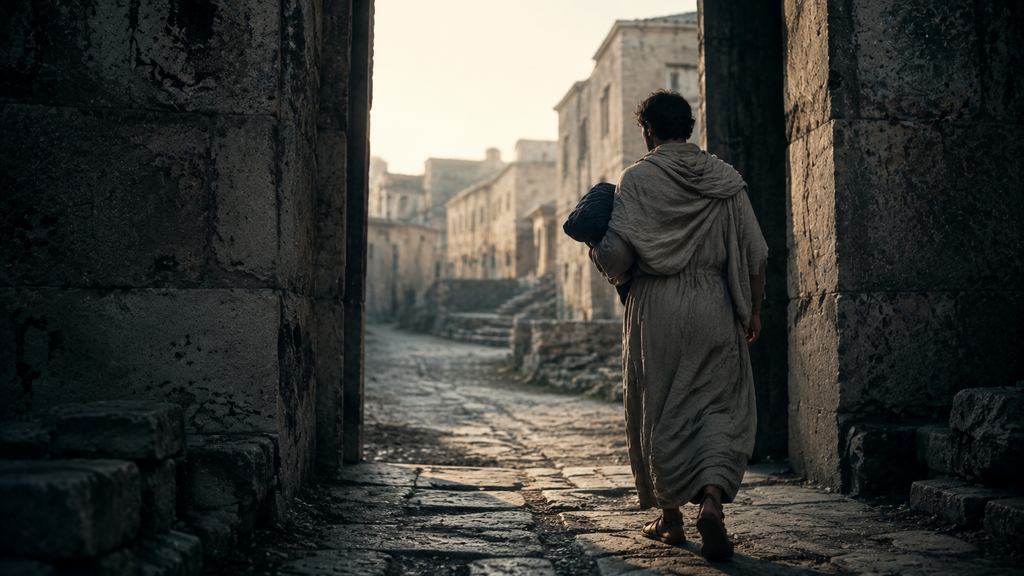
And sometimes, the dead didn’t need to speak at all. Their bones were believed to carry enough power on their own.
Herodotus tells of a long struggle between Sparta and the nearby city of Tegea. But after suffering defeat after defeat, the Spartans turned to the oracle at Delphi for help.
The answer was very unexpected. Sparta wouldn’t win until it brought home the bones of Orestes, the legendary son of Agamemnon.
Then a Spartan named Lichas heard about a huge coffin buried beneath a blacksmith’s courtyard in Tegea. Inside was a skeleton far larger than an ordinary human’s.
So Lichas made a guess. The giant must be Orestes.
He secretly recovered the bones and carried them back to Sparta. And according to Herodotus’s account, Sparta soon began gaining the upper hand against Tegea.
Of course, the story can’t prove whose bones were found. Nor can it show whether everything happened exactly as Herodotus described it.
But it does reveal how much power ancient Greeks attached to heroic remains. Bringing a famous dead person into the city could strengthen a claim to land, tie the community to a legendary past, and make its people feel protected.
And sometimes, asking the dead for help meant bringing the dead home.
