

Pets might not be able to verbally comunicar with us, but they do express their emotions and how they feel.
If you notice something about your pet that has upset them, the first thing you should notice is how they’re acting.
Even if your pet seems happy, you can start to identify the signs and signals that it is not, and early detection will help you maintain your pet’s well-being and create a strong relationship.
1. Changes in Eating Habits
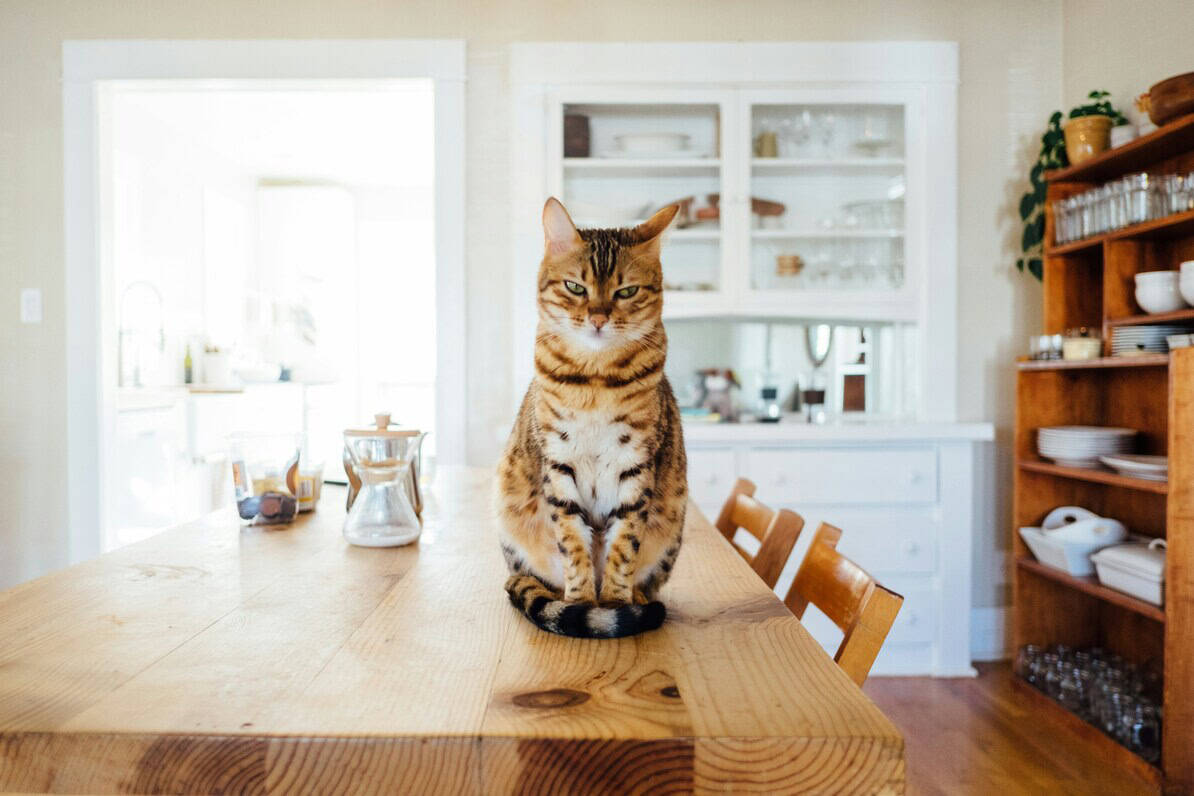
A big sign of an unhappy pet is when their appetite suddenly changes. For example, some pets will lose interest in food altogether, eating less than they did before.
Others will start to eat more out of comfort. This behavior is usually a result of emotional stress, boredom, or anxiety. If your pet always has a steady appetite and now shows a different behavior around mealtime, this means that there is something wrong in their environment.
Pets that become less active or are not stimulated may find that they are feeling lonely, overwhelmed, or overstressed.
Be mindful of when the new behavior started and what potentially happened at that time to help determine the underlying cause so that you can aid in restoring their emotional balance.
2. Withdrawal or Hiding Behavior

Pets will become hidden or withdrawn when they are feeling distressed as a means of self-protection from emotional pain or the environmental stressors that may be causing them to feel this way.
For example, a dog who normally enjoys being around people could prefer to be in another room, while a cat who is normally affectionate might have stopped interacting and has chosen to isolate itself in another area of the house.
Both behaviors are signs of sadness and fear; it is very possible that the change in your pet’s routine has impacted them more than you know.
When your pet avoids people or other pets, they are seeking gentle reassurance, patience, and consistency in their everyday life. Providing your pet with a safe place to stay calm during this time and being calm yourself demonstrates that you empathize with your pet’s emotional state.
3. Increased Irritability or Aggression

When pets are unhappy, they can be irritable, snappy, or show low levels of aggression. Instead of seeking affection, your pet might growl, hiss, or avoid contact with you altogether.
This is usually the result of heightened frustration, overstimulation, or having low self-esteem. So, although this behavior is often interpreted as a sign of bad behavior, it is more likely a sign that your pet is emotionally distressed.
The changes to their environment and lack of attention can create emotional distress. Therefore, rather than punishing your pet, pay attention to what causes them to act out of character.
Providing your pet with a calm, consistent routine and giving them space can allow them to regain their emotional balance; in most cases, their behavior will settle down on its own once they feel safe again.
4. Excessive Grooming or Completely Ignoring Grooming
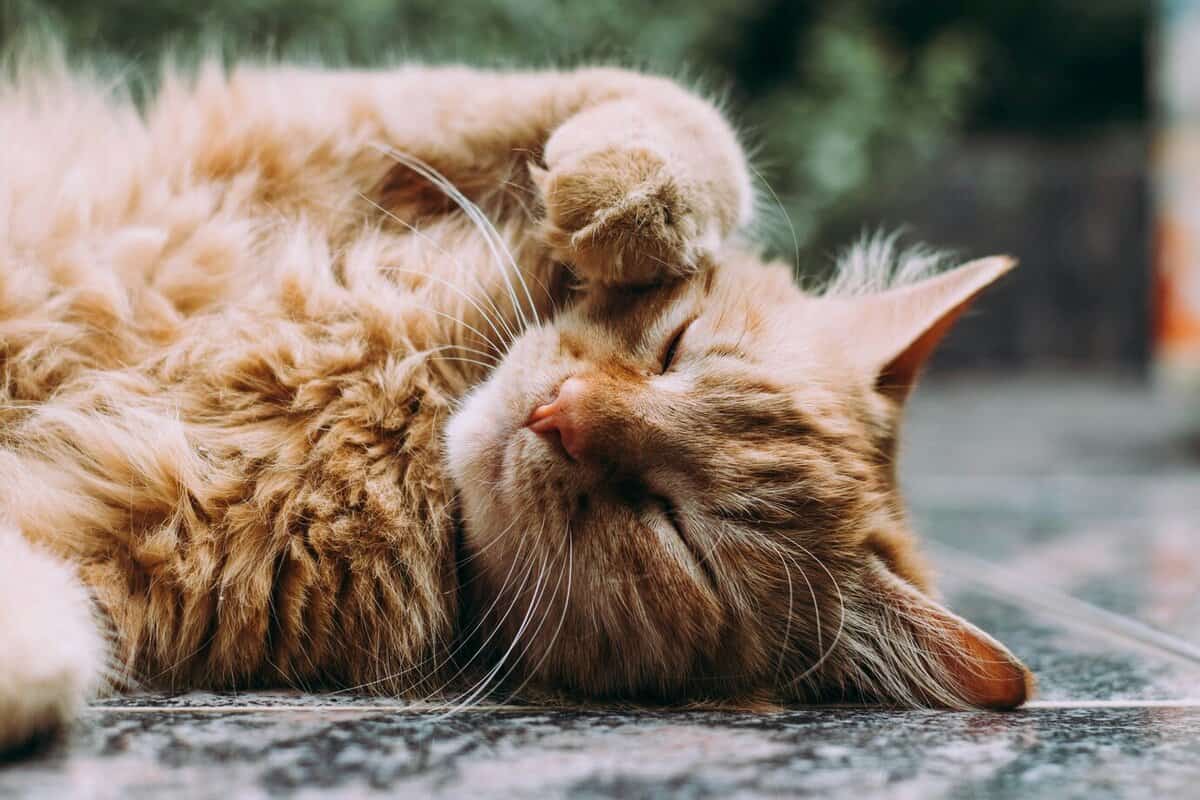
Grooming behavior can be an indicator of your pet’s emotional state. Especially in the case of cats, excessive over-grooming may lead to fur loss due to excessive licking of the affected area.
In dogs, stress may result in repetitive licking of their paws: the repetitive action helps your dog cope with feelings of being stressed or overwhelmed. Lack of grooming by your pet can indicate feelings of sadness or low energy.
Changes in grooming behavior are also a reflection of a pet’s internal state of discomfort resulting from stress, boredom, or lack of emotional support.
If you see a change in grooming habits, take steps to help reduce their stress and provide your pet with activities that will calm them and show them that you care. Changes in grooming habits indicate a lot of information regarding your pet’s emotions.
5. Destructive Behavior or Restlessness

Bored, anxious, or too much energy? Unhappy pets express themselves by chewing on furniture, scratching at doors, or pacing back and forth restlessly.
Instead of treating this behavior like bad behavior, consider it an indicator that your pet’s needs aren’t being met. Once those needs are addressed, destructive behavior will decrease.
Pets often seek out attention when they are bored, anxious, or pent-up with energy, so providing your pet with greater levels of interaction and socialization will help reduce these behaviors.
6. Clinginess or Constant Attention-Seeking

When they are unhappy, many pets will become super clingy and want attention all the time. Pets like this will often follow you wherever you go, whine loudly when you leave a room, and/or demand more love than normal.
The increased attachment your pet has in these situations typically stems from fears of insecurity, loneliness, or separation issues. While all of these behaviors may come across as sweet, they are generally indicative of an unstable emotional state or imbalance.
In most cases, your pet now requires reassurance and stability through additional time together, along with properly established comfort zones and gentle structure.
Creating and providing comforting routines and gentle boundaries gives your pet a safe place to feel he/she won’t be abandoned. Once your pet regains an emotional balance, they typically stop being so clingy, returning to their usual state of love, affection, and trust in you.

Born and raised in Bosnia and Herzegovina. Ever since I was a little girl, my imagination knew no bounds. I remember vividly how I’d scribble down short stories, each page bursting with adventures and characters conjured up from the whimsy of my mind. These stories weren’t just for me; they were my way of connecting with my friends, offering them a slice of my fantasy world during our playtimes. The joy and excitement on their faces as we dived into my fictional realms motivated me to keep writing. This early passion for storytelling naturally evolved into my pursuit of writing, turning a childhood hobby into a fulfilling career.