
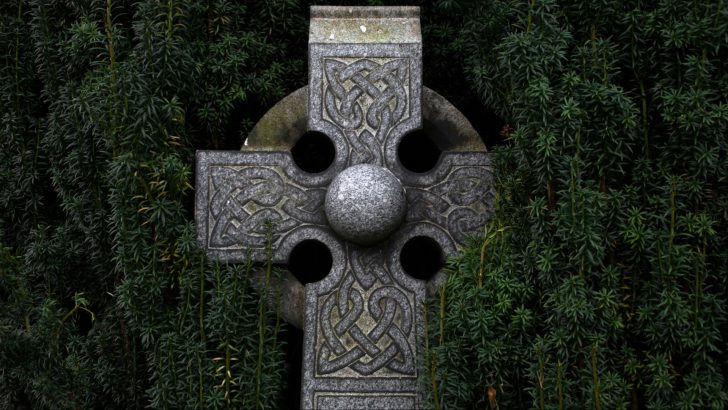
When we see a cross, Christ and Christianity are typically the first images that come to mind; however, the cross was a powerful and common spiritual symbol even before Golgotha.
Its origins stretch back thousands of years, through numerous cultures.
Ancient peoples saw the cross as a powerful emblem, packed with meaning related to life, death, cosmic order, and harmony.
1. The Ankh
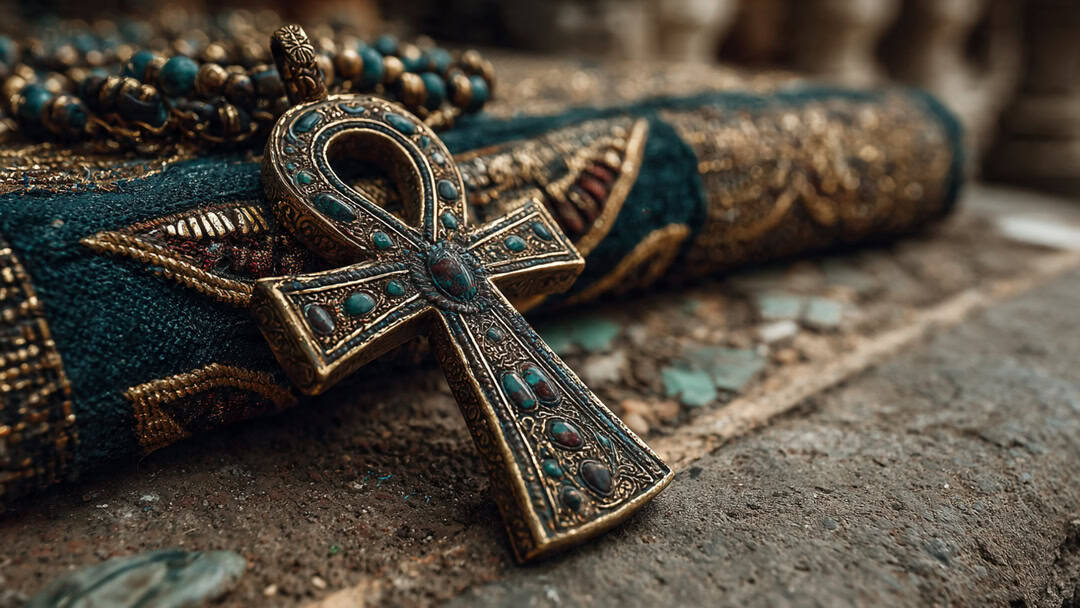
In ancient Egypt, the ankh was the ultimate symbol of life – so much so that it was called the “key of life.”
It looks like a cross with a loop at the top, and it was often seen in the hands of gods and pharaohs.
For Egyptians, this cross held several powerful meanings, such as eternal life, the cycle of death and rebirthe fertilidade.
The shape hints at the union of male and female principles, symbolizing balance and cosmic harmony.
It’s also believed that the cross-like shape represents a strong visual connection between the mortal realm and beyond.
The ankh was used in rituals and depicted in tomb art to invoke divine blessing.
2. Celtic Cross
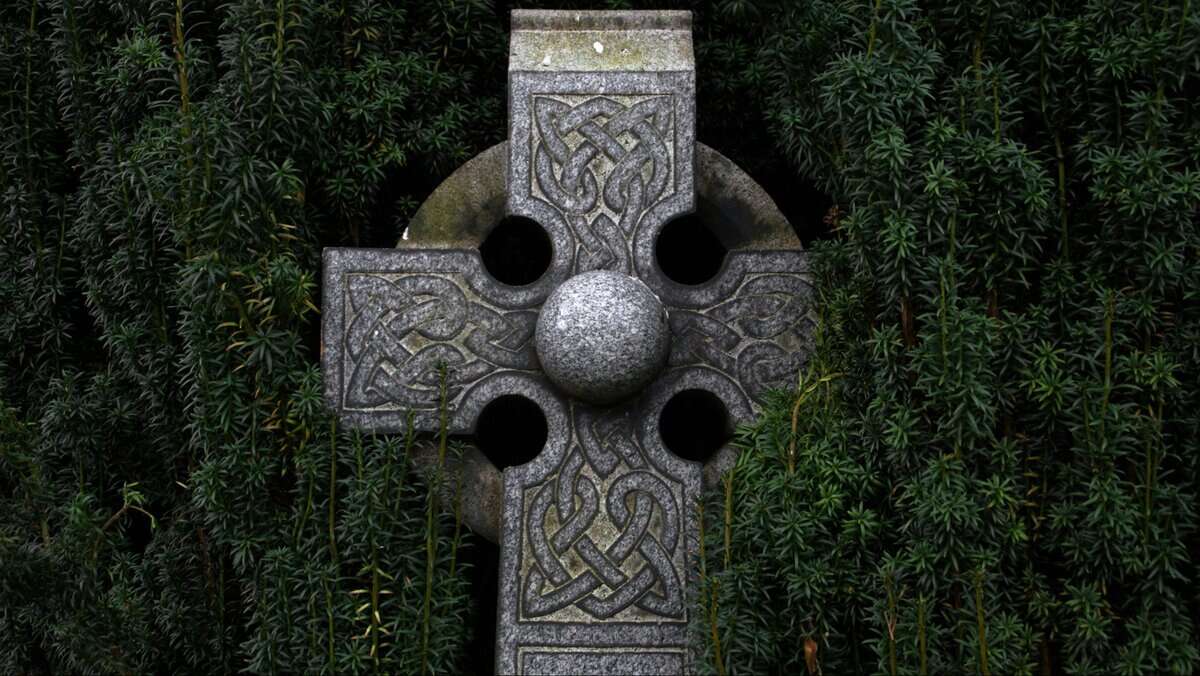
The Celtic cross, with its distinctive circle surrounding the intersection, emerged in early medieval Europe.
Many believe it has roots in pagan sun symbols, and that its meaning is tied to the sun’s journey through the seasons.
The circle is a symbol of eternity – with no beginning and no end – emphasizing the cyclical nature of life and the universe.
As Christianity spread, the Celtic cross was adapted, blending pagan meaning with Christian themes. It became a symbol of spiritual unity, balancing the physical and divine.
Its layered symbolism reflects a deep understanding of nature’s eternal rhythms.
Its four arms point to the four seasons, directions, and elements, tying human existence to cosmic forces.
3. Mesopotamian Crosses
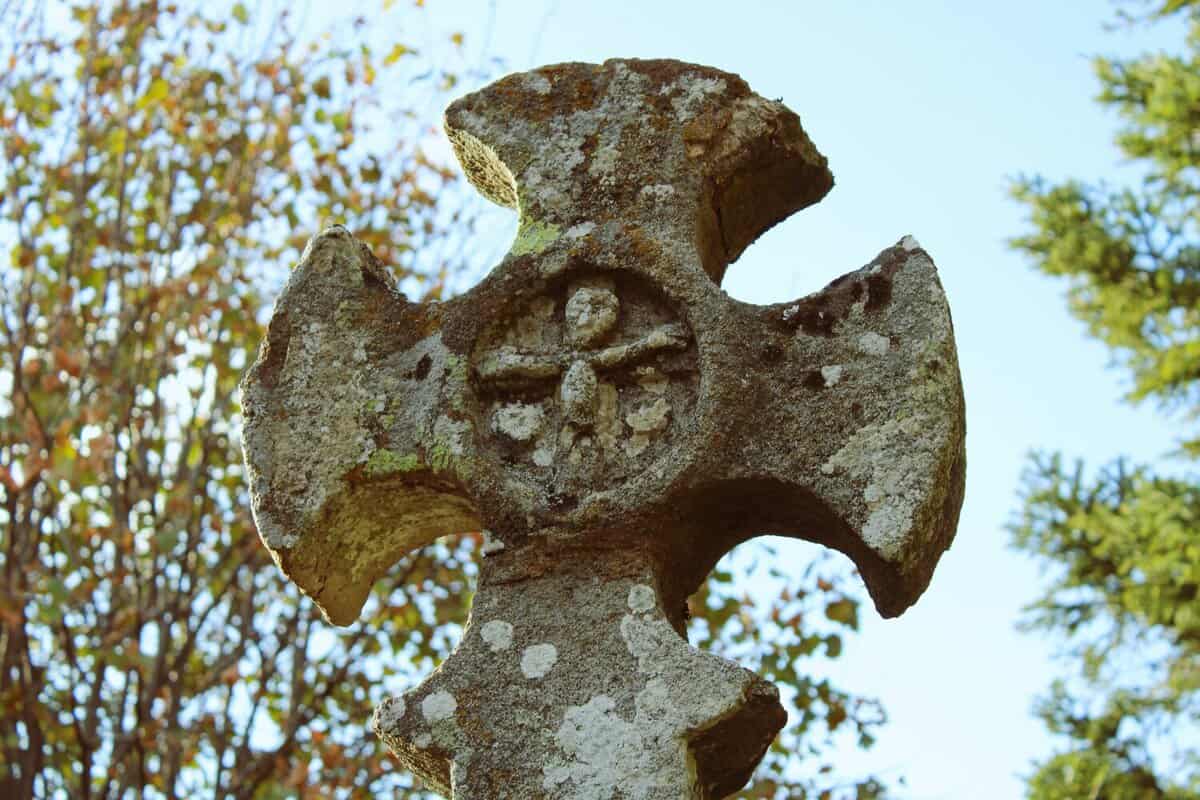
In ancient Mesopotamia, cross-like symbols appeared in artifacts, seals, and temple decorations.
The crux ansata, or handled cross, was a common motif meaning divine authority and cosmic harmony.
These symbols often served as talismans to invoke divine protection.
Their meaning has also been linked to crossroads – places where worlds intersected – serving as portals to the divine.
Ziggurats and sacred sites often feature cross-like designs, emphasizing the link between earthly power and divine order.
To ancient Mesopotamians, crossing lines symbolized pathways to the gods and the structure of the universe itself – concepts that were central to their understanding of life and death.
4. The Swastika
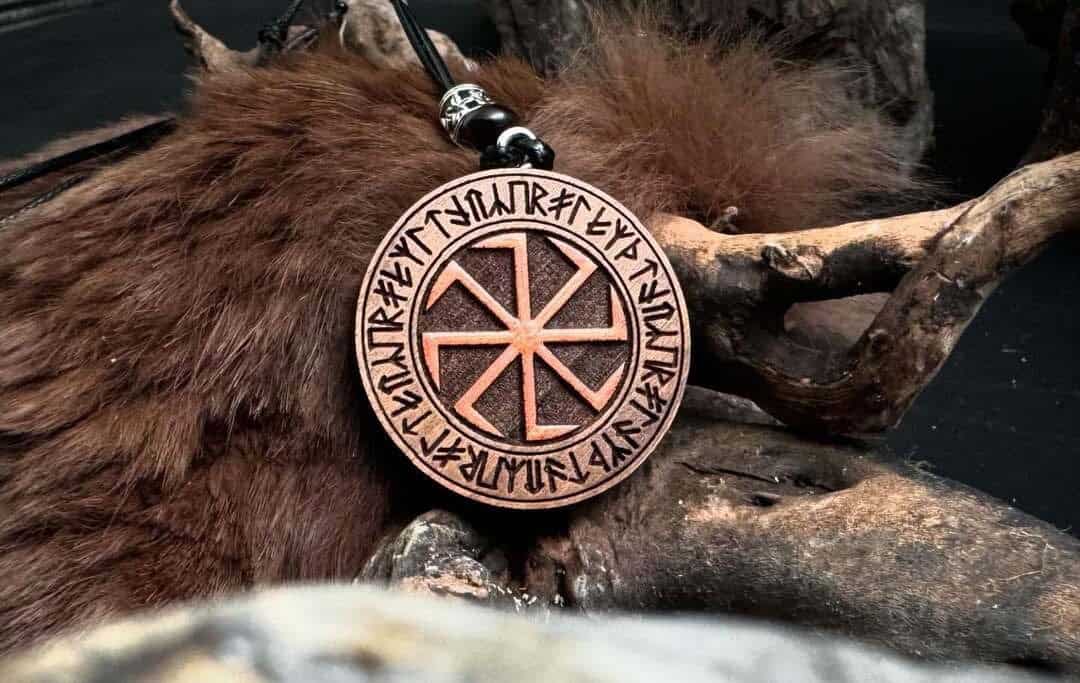
The Swastika is one of the oldest symbols, found in artifacts across Eurasia and the Americas. Its name even originates from the Sanskrit.
Though its meaning has been horribly twisted by the Nazis, it was once a sacred symbol of boa sorte, prosperity, eternidadee o sun.
There are several different swastikas, with the most prominent being the one with four bent arms. Slavic swastika, called the “Kolovrat,” is also a popular example.
The bent arms create a cross that represents positive energy and cosmic cycles.
Their rotation symbolizes the movement and flow of the universe.
5. Norse Symbols
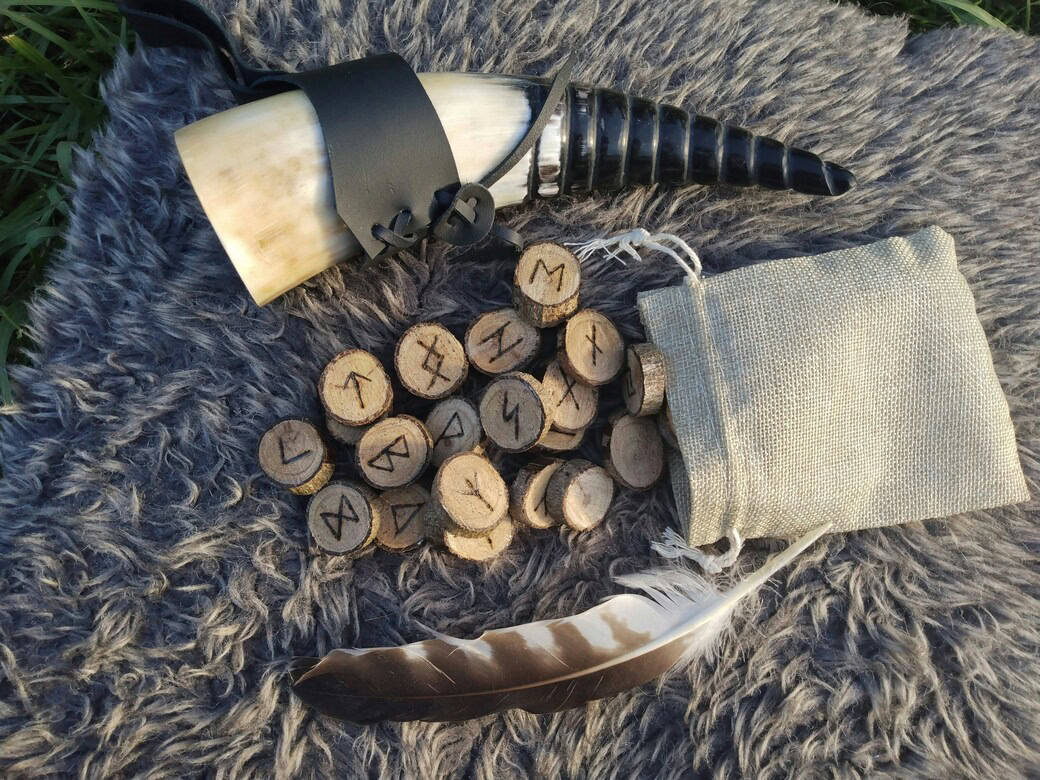
In Norse and Germanic traditions, the cross appeared in runic symbols and artifacts like Mjölnir.
Runes, with their sharp lines and edges, often resemble crosses and were believed to hold magical power.
These symbols were meaningful because they connected humans with divine forces, offering protection and blessings.
This emphasis on crossing lines reflected a belief in orientação divina, cosmic order, and the importance of spiritual protection.
6. The Cosmic Compass
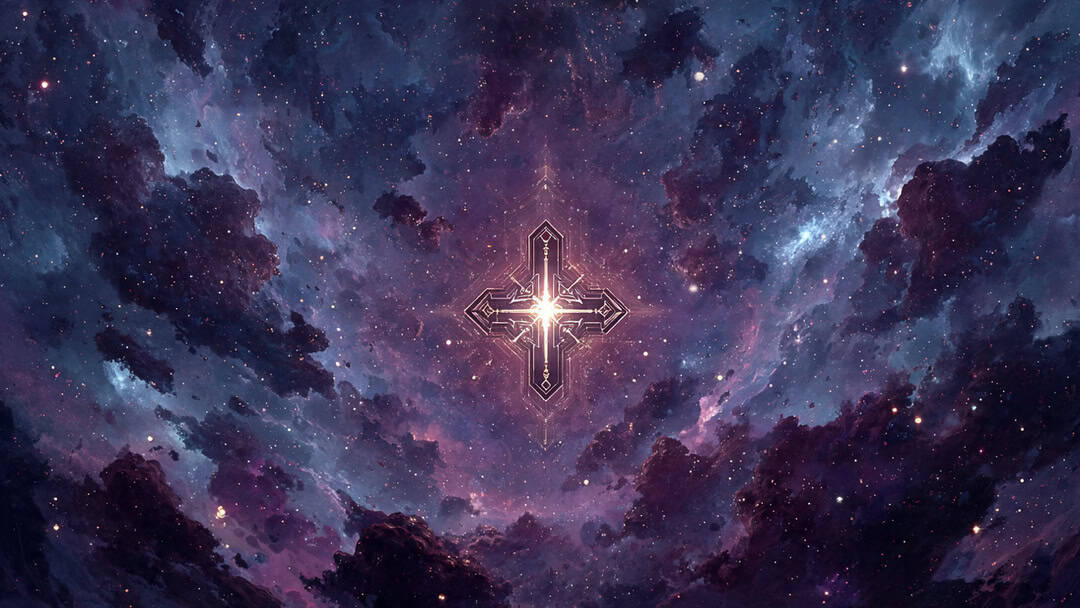
Many ancient cultures used the cross as a symbol of the four directions – north, south, east, and west.
And its meaning wasn’t only tied to navigation but also to cosmic balance and stability.
The crossing lines represented a meeting point of energies, a space where spiritual and physical worlds intersect.
This universal idea underscored the importance of balance and order in understanding the universe.
The cross was a divine compass guiding human life and spiritual understanding.
7. Prehistoric Art
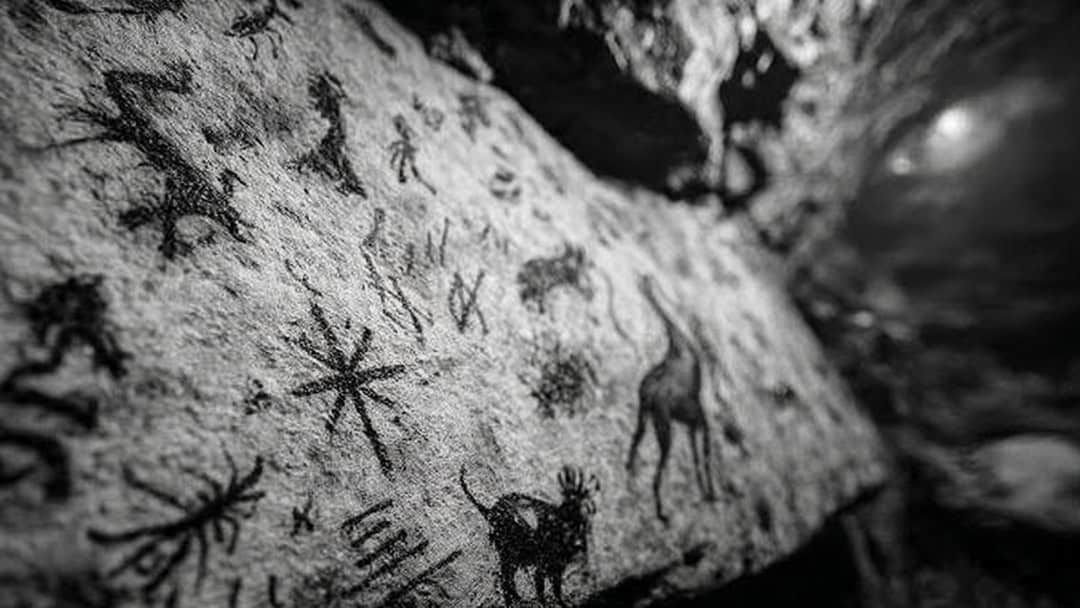
Prehistoric cave paintings and rock carvings often feature cross symbols. It’s believed that their meaning is tied to fertilidade rites, práticas xamânicase celestial observations.
These symbols could have also served as talismans to invoke divine favor or mark sacred places.
The recurring appearance of crosses across different regions suggests a universal human tendency: to find meaning in crossing lines.
For early humans, these symbols might have represented portals to the spirit world, celestial bodies, or cycles of nature.
Their prominence in prehistoric art indicates that crossing lines was central to early spiritual thought.
They were tools for connecting with unseen realms or ensuring fertility and well-being in their communities.
8. Ancient Heraldry and Architecture
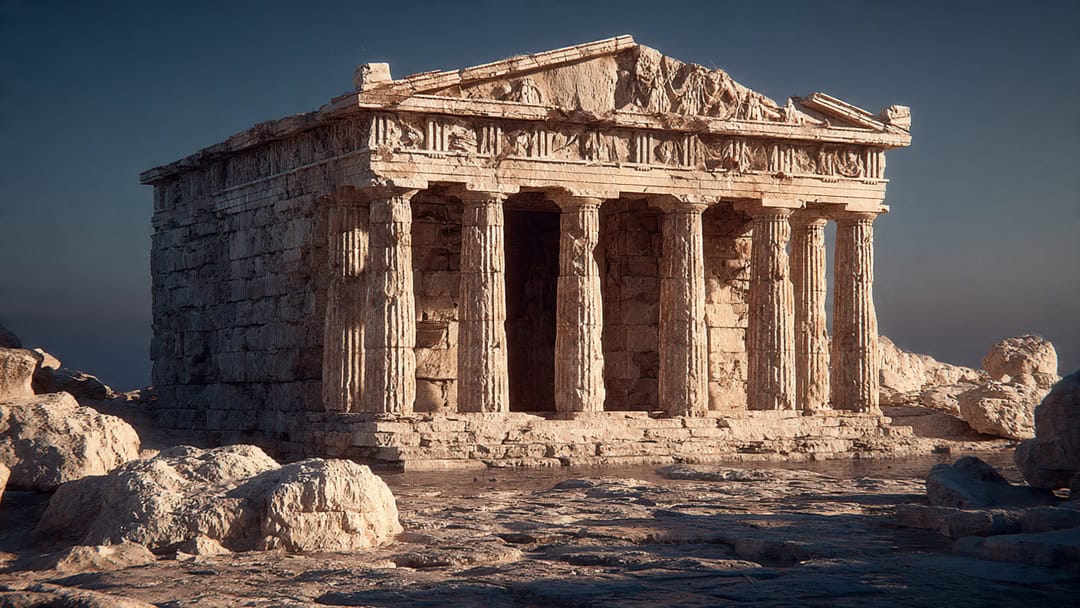
Even long before Christianity, the cross appeared in heraldry, architecture, and ritual objects.
The Roman labarum, a military standard, features a cross-shaped design that symbolized victory and divine protection.
In Greek and Roman art, crosses appeared in mosaics, sculptures, e temples – often linked to gods and divine ceremonies.
These symbols conveyed authority and cosmic order.
Architectural elements like cross-shaped floor plans and decorative motifs reinforced the idea of stability and divine presence.
The cross was a universal sign of divine favor e equilíbrio, used to honor gods, mark sacred spaces, and protect communities.
9. A Universal Human Symbol
Across millennia, cultures worldwide have assigned importance to the cross. It was a universal language of connection, balance, and order.
It embodies fundamental human concerns: life, death, rebirth, harmony.
Its recurring presence in prehistoric art, ancient religions, and numerous cultures highlights a shared human desire to understand the mysteries of the universe.
Its deep roots reveal it as a sacred emblem that transcends individual civilizations, uniting humanity in a collective search for meaning.
The cross’s enduring influence lies in its simplicidade and profound connection to the core of human spirituality.

A little Aquarius, devoted to writing and embroidery. Through my writing, I hope to empower readers to align with their true selves and navigate life’s mysteries with confidence.