

Mental health is a modern buzzword, but that doesn’t mean our ancestors didn’t also have to deal with worries, fear, overwhelm, etc.
Even though their lives weren’t as fast-paced as ours, they weren’t immune to emotional and psychological turmoil.
They also went through crises, heartbreaks, fears, and famine.
However, they also had their ways of coping – rituals, beliefs, and traditions that helped them soothe their minds.
1. Prayer and Rituals
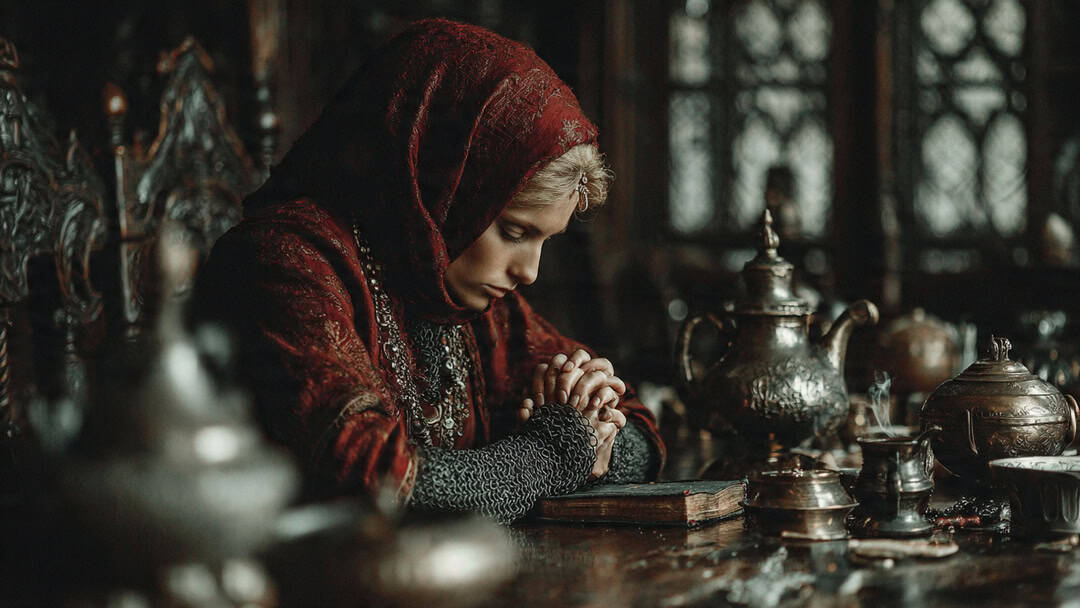
One of the earliest ways our ancestors dealt with mental distress was through prayer and religious rituals.
When worries overwhelmed them, they turned to their gods, whether that was the one God, the gods of their pagan pantheon, or spirits they believed watched over them.
Prayer was a way to pour out their fears, and ask for guidance and comfort. Rituals like fasting and bringing offerings didn’t just appease the divine; they also created a sense of order.
Believing that their gods listened and cared gave them tranquilidade.
And if the problems weren’t magically solved, the act of connecting to something bigger helped ease their mental burdens, giving them a força to carry on.
2. Finding Clarity in Prophecies
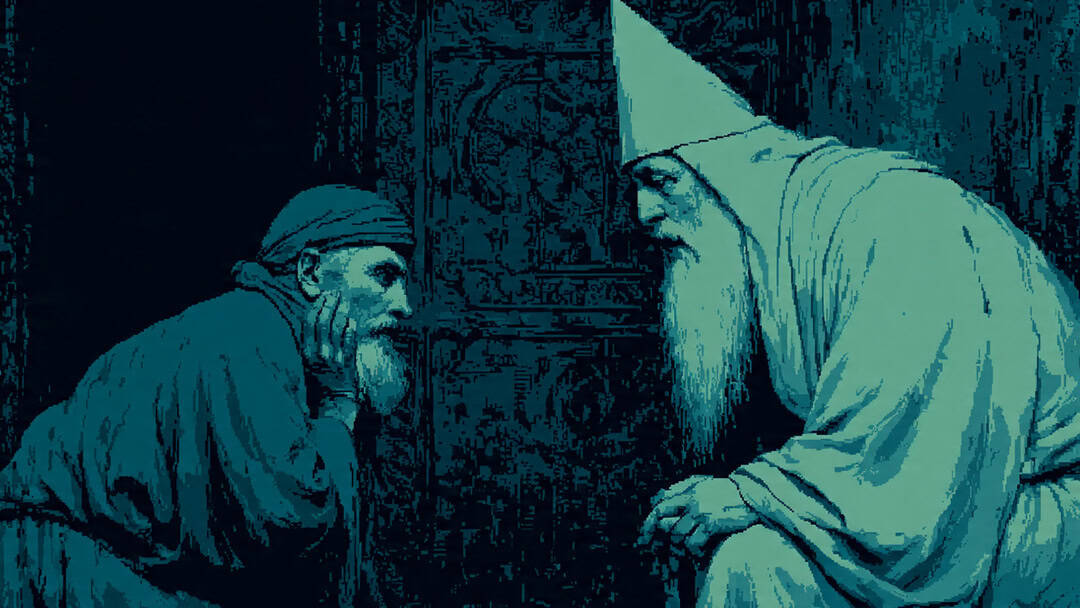
Our ancestors often sought out seers, shamans, and oracles – people believed to have special insight into the future.
When faced with tough decisions or mental turmoil, they’d visit these people to get guidance.
These spiritual advisers would enter trance-like states or interpret signs from nature to provide answers.
Though they would rarely be able to predict the future and often spoke in riddles, they could still offer clareza e um nova perspetiva.
Hearing that their worries had a purpose or simply getting advice brought people comfort.
It was a way for them to find some sense in uncertainty and calm their mind.
3. Banishing Evil and Curses
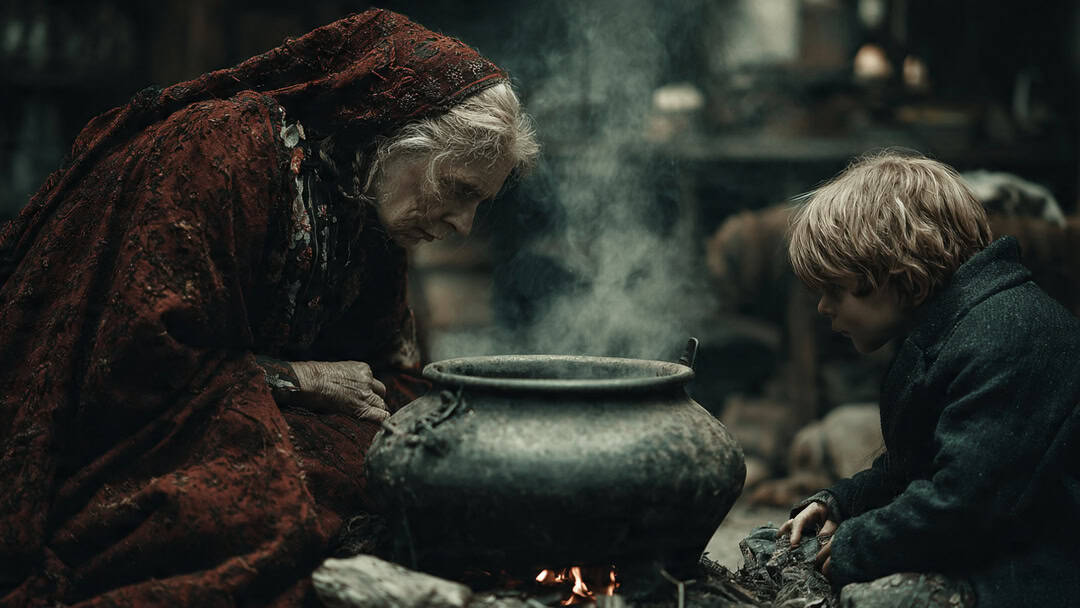
In most cultures, mental distress was linked to curses and malevolent energy or spirits.
People believed that illness – mental or physical – could be caused by witches, curses, or evil eyes.
To combat this, they turned to local healers, who performed cleansing rituals and blessings. These rituals were meant to remove any curses and purify the person’s energy.
Even today, in remote villages and rural parts of the world, these practices remain common.
They provide a tangible sense of action – something concrete to do when feeling overwhelmed.
While modern science sees this as a superstition, for those participating, they often bring genuine relief because they feel like they’re taking control of their issues.
4. Community and Social Bonds
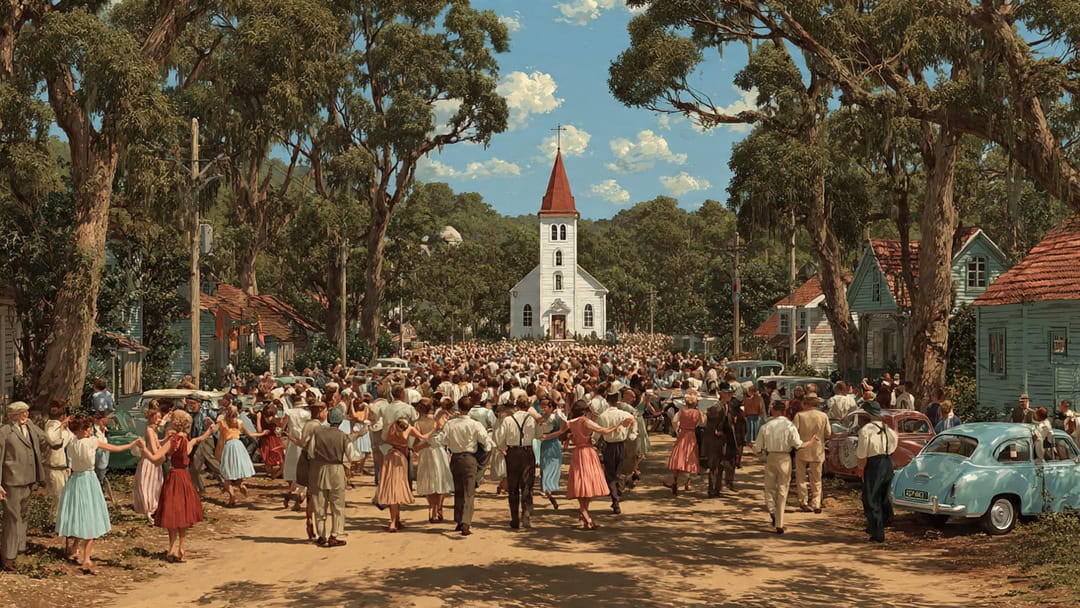
We are very social creatures, and people of the past understood that mental health wasn’t always an individual issue.
That’s why they relied heavily on their social bonds, family and neighbors, to find comfort.
Sharing worries, singing, dancing, or just talking with others helped lighten emotional burdens.
Some cultures had communal rituals or storytelling traditions that allowed people to express their fears and receive collective support.
This created a sense of belonging and safety – sort of like a group therapy. Knowing that others cared and that they weren’t alone in their struggles made a big difference.
These social connections helped people recover from emotional pain more quickly.
5. Nature and Solitude
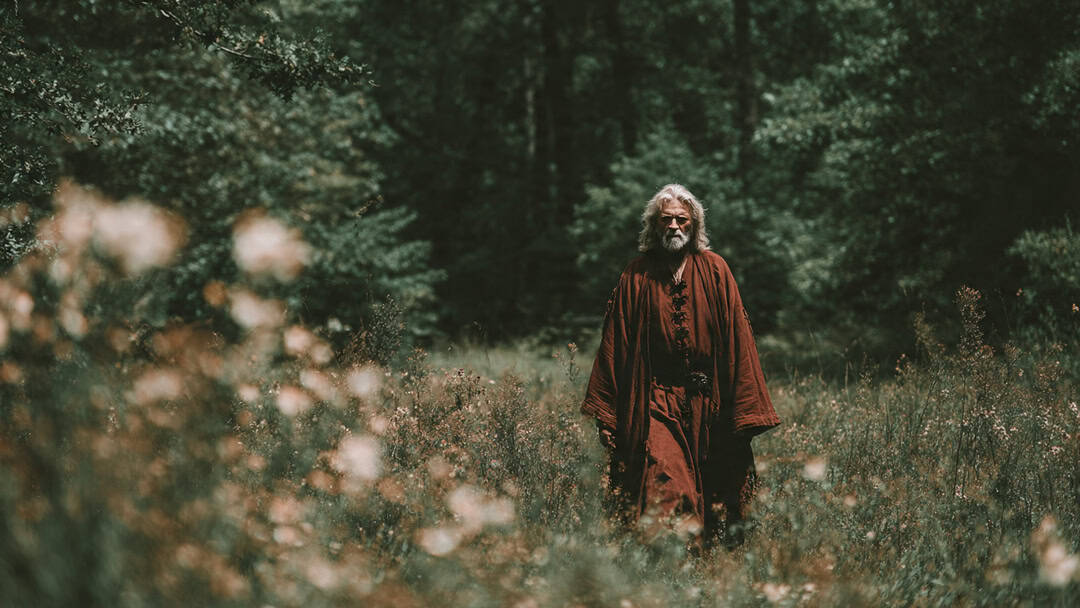
In the past, people had a much more tangible connection with nature, and they believed that it possessed enormous poderes curativos – both physical and mental.
After all, food, water, and all the life-saving healing herbs came from nature.
Spending time outdoors, in forests, near rivers, under the open sky, was seen as a way to cleanse the mind.
Solitude was also important, as quiet reflection could help people process grief and anxiety. Some people would retreat into nature to meditate, or simply to sit alone with their thoughts.
They believed that the natural world was a mirror of their own inner states and that by reconnecting with it, they could restore their equilíbrio interior.
This practice of ligação à terra ourselves in nature remains relevant to this day, showing that our ancestors understood the importance of mental clarity and peace.
6. Physical Activity and Movement
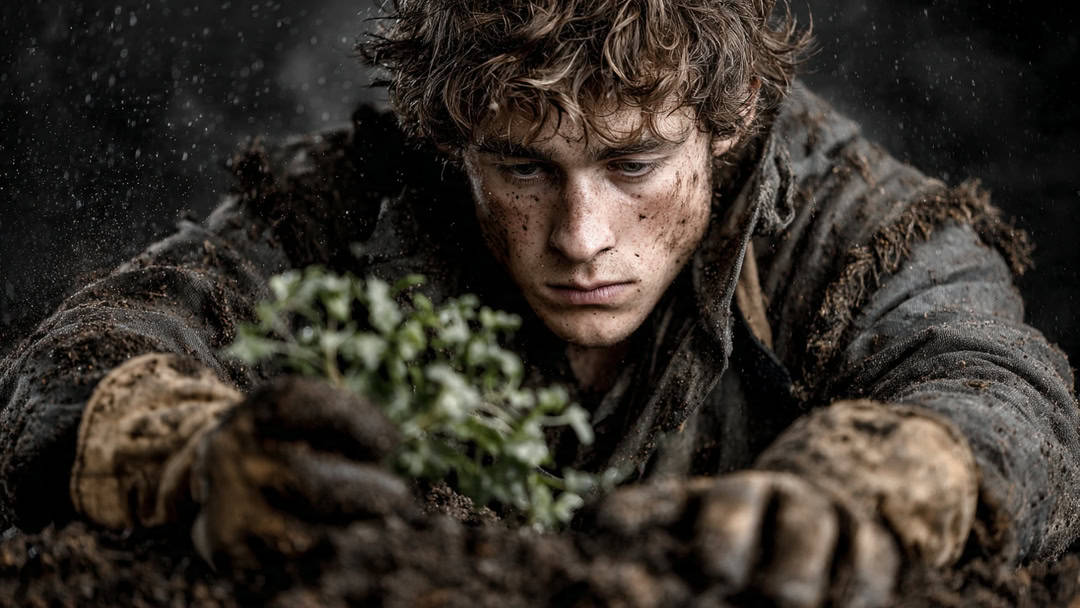
Ancient peoples understood the importance of physical activity in mental health.
Dancing, swimming, archery, or simple household labor helped release built-up tension and stress.
Movement was always part of rituals and celebrations, and it served both a social and emotional purpose.
When people felt overwhelmed, they would engage in physical activity, which helped clear their minds and lift their spirits.
Endorphins were released during these moments, and though they might not have known about hormones yet, they certainly felt the good results.
Plus, physical work like farming or crafting gave them a sense of purpose and achievement.
They intuitively knew that moving their bodies could help unburden their minds.
7. Creativity and Storytelling
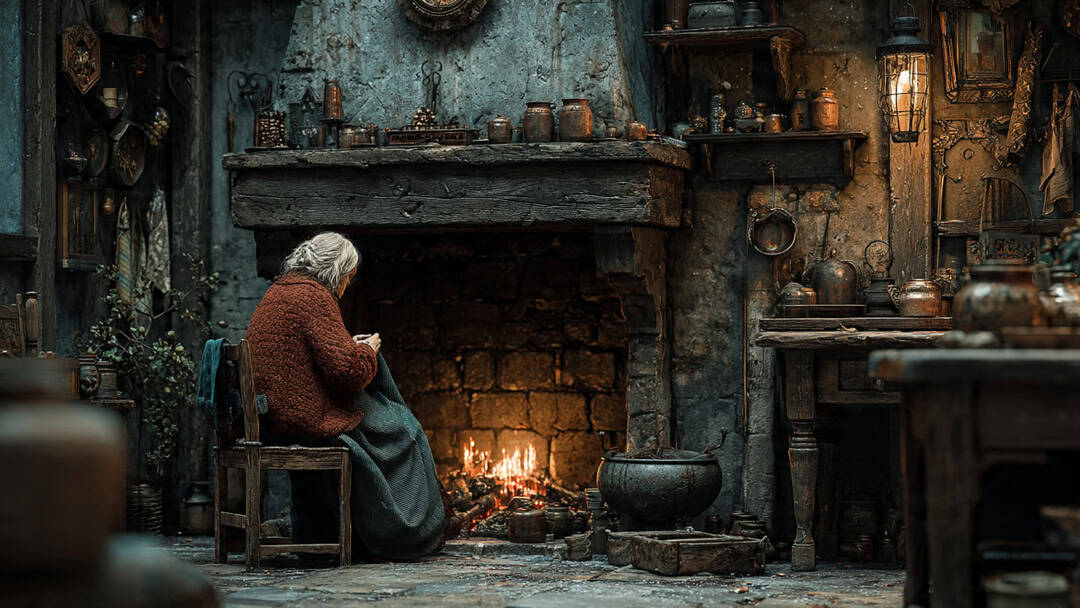
People have always used storytelling and art as outlets for their feelings.
Cave paintings, epic poems, and tribal dances weren’t just entertainment – they were ways to process emotions and share experiences.
Telling stories about heroes overcoming adversity helped people make sense of their own struggles.
Art and music provided a space to express feelings of sadness, anger, or hope; healthy auto-expressão is crucial for achieving mental clarity.
Art served as therapy – by expressing their inner worlds, they could gain new perspectives and find comfort in shared experiences.
8. The Wisdom of Endurance
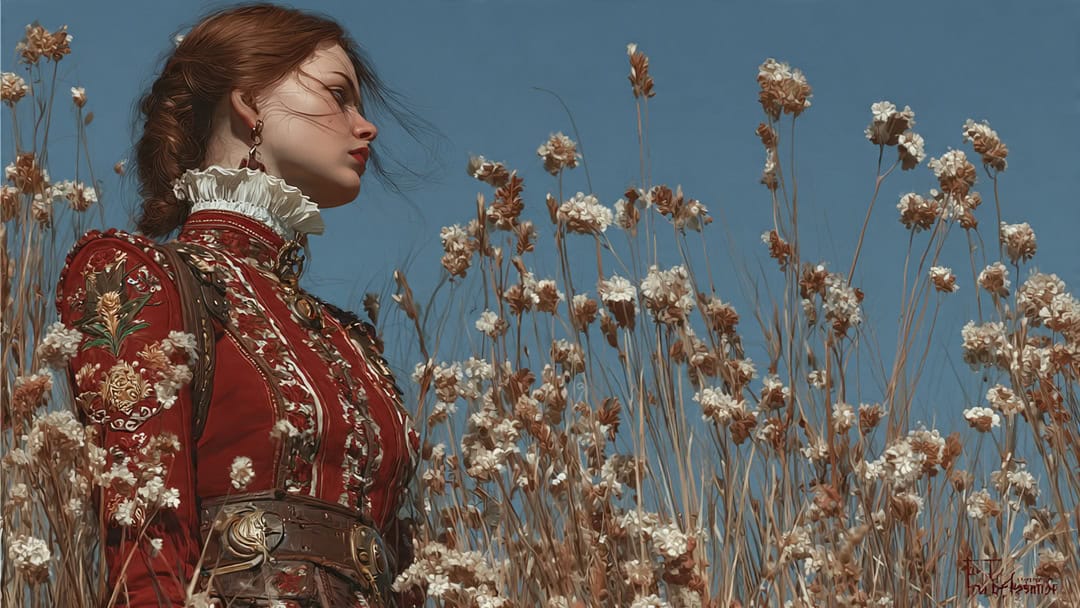
Many ancient cultures emphasized acceptance and resilience. They believed that suffering was a part of life and that endurance was a virtue.
Through their stories and customs, they cultivated patience and mental strength.
Mourning rituals, rites of passage, and communal support taught people how to accept hardship and move forward.
This helped them understand that hard times would pass and that they could survive emotional storms.
They learned to sit with their pain and trust the healing process.
This attitude also remains relevant today, reminding us that, sometimes, acceptance is the only thing that can bring us peace.
9. Our Ancestors Cared for Their Mental Health

So, our ancestors didn’t ignore their mental struggles and just worked hard in an attempt to ignore them.
Instead, they actively engaged with their inner worlds through rituals, community, nature, and self-expression.
Os seus methods were simple and often superstitious, but they provided real comfort and hope.
These practices reflect an important truth – that mental well-being isn’t only achieved through medicine and therapy, but also through connection, belief, e resiliência.

A little Aquarius, devoted to writing and embroidery. Through my writing, I hope to empower readers to align with their true selves and navigate life’s mysteries with confidence.