
The modern world has a lot to offer, but we’ve also lost touch with some of the most powerful roles our ancestors held.
These weren’t jobs or hustles, but sacred arts that benefited the whole community.
Today, many of these ancient callings have disappeared or are misunderstood.
They connected us to each other, to our bodies, our land, and the source. Meanwhile, in the advanced age, it feels like we know next to nothing about our own nature.
1. Trusting the Body’s Wisdom
In ancient times, oracles were more than fortune-tellers. They were women who carried divine wisdom.
Priestesses were trained to hold an incredible amount of conhecimento without rushing to make sense of it. They stayed that way until time allowed the message to speak for itself.
In the modern age, we’ve lost the time and the ability to trust the body’s natural intelligence over our need to explain everything.
Now, we’re forced to get and give answers instantly, but these ancient oracles had a calling, and it was sitting with the unknown.
They understood that this is where true wisdom comes from.
2. Grief as a Sacred Feeling
In ancient Egypt, Mesopotamia, and even in Ireland, mourning the dead was a calling.
Professional mourners helped communities process loss. People of the time understood that unprocessed grief stays with you; it affects individuals and societies.
By crying and mourning together, they released pain and made space for healing.
We’ve lost this understanding of grief. It requires recognition, form, and sound.
Without properly acknowledging death, we struggle to celebrate life.
3. Intentional Dreams
In ancient healing temples like those of Asclepius, sleep was understood as a tool for transformação.
People entered a hypnagogic state, which is a threshold between being awake and dreaming. In this state, they could ask intentional questions and return with answers.
It wasn’t random; it was a mapped journey with guides.
Nowadays, we’ve lost touch with the sacredness of dreams.
We dismiss them as brain signals or nonsense, but our ancestors knew they were portals to deeper truths.
4. Breath as a Skill
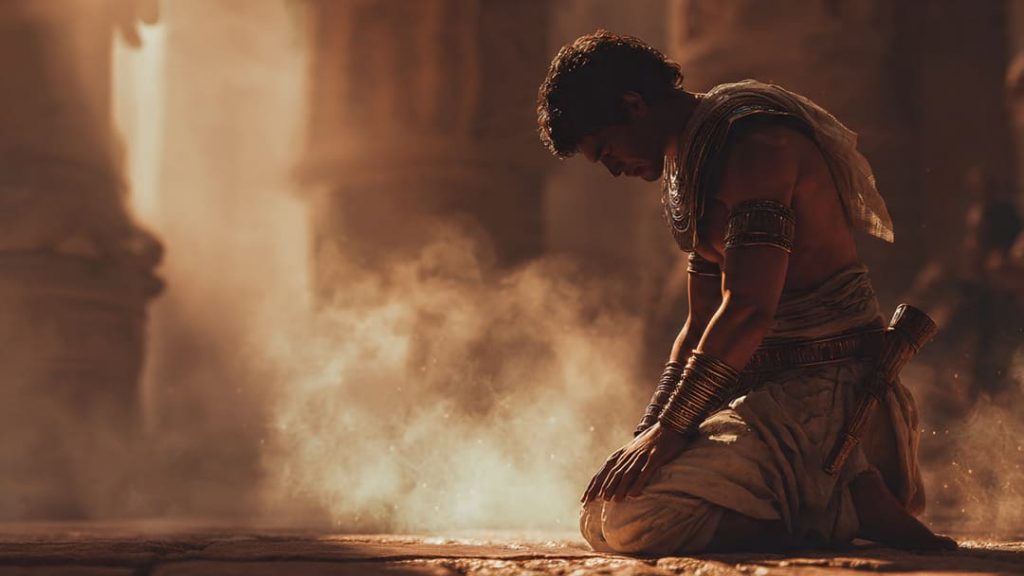
Ancient Egyptians and Essenes used breath as a precision tool. They taught how to command the breath to alter energies and clear unwanted influences.
It wasn’t relaxation but spiritual independence.
Nowadays, breathwork is a wellness trend, but at the time, it was a shield.
Our ancestors knew breathwork could protect and heal them if used with intention.
5. Healers Between Life and Death
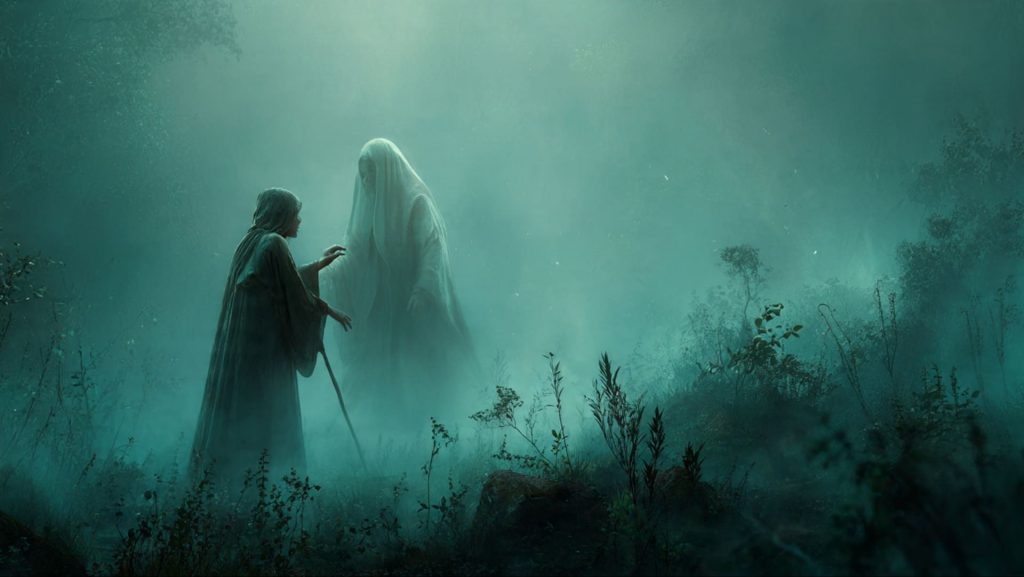
In ancient Greece and pre-Christian Europe, the pharmakeia were masters of plants, potions, healing, and thresholds.
These were midwives and witches who held the whole cycle of life in their hands, from birth to death.
They understood that being born, healing, and dying were all parts of the same progression.
Eventually, this knowledge was lost because they were persecuted and erased, labeled as sorceresses.
They knew that true healing requires embracing both life and death.
6. Guiding Souls After Death
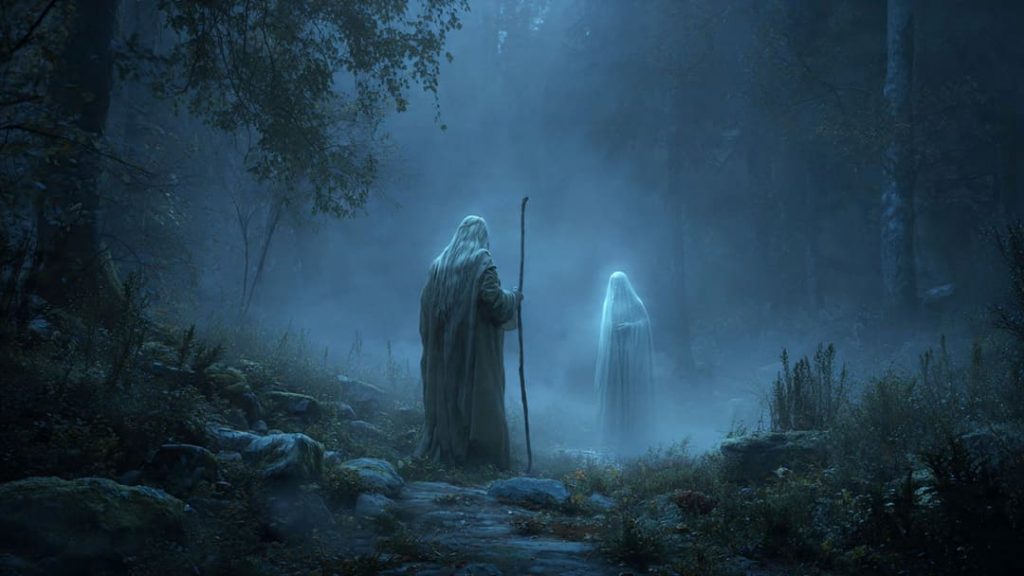
In Celtic, Norse, Egyptian, and Yoruba traditions, priestesses were trained to guide souls through the transition after death.
They’d sing to free the souls from fear, navigating the space between worlds.
Now, death has become clinical and removed from spirituality, but our ancestors viewed it as a journey.
They understood that the otherworld must be scary and foreign to the souls, and that they needed guidance to go with peace.
7. The Magic of Names
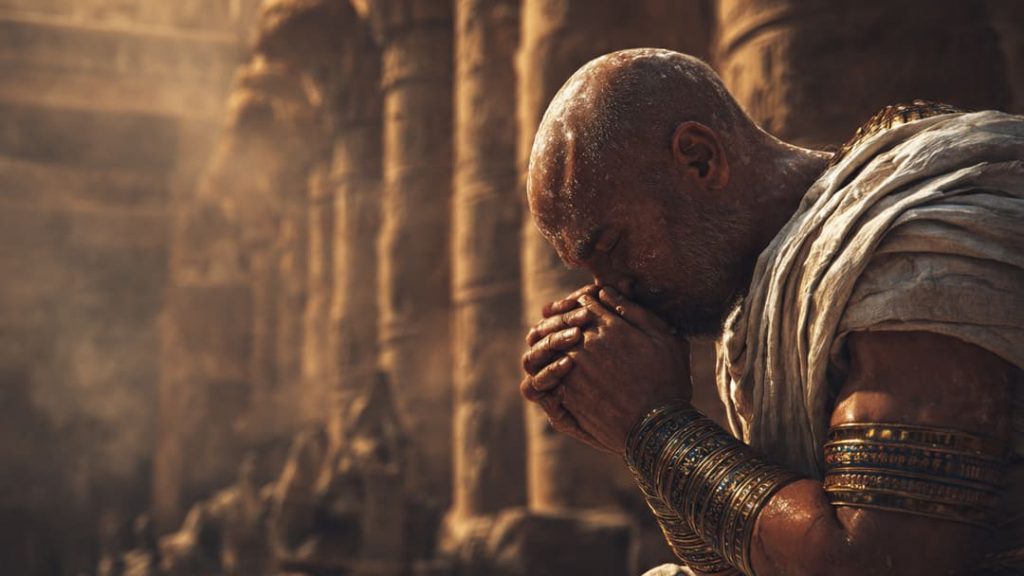
In Semitic mystery schools, knowing the true name of something meant having power over it. This could be applied to diseases, spirits, patterns, people, elements, etc.
These ancient peoples spoke with the intention to change reality.
Aside from some spiritual circles, the modern society has lost touch with the fact that our words create change.
It’s why so many of us keep repeating unnamed cycles.
Our ancestors understood that magic is just words spoken intentionally.
8. The Power of the Feminine
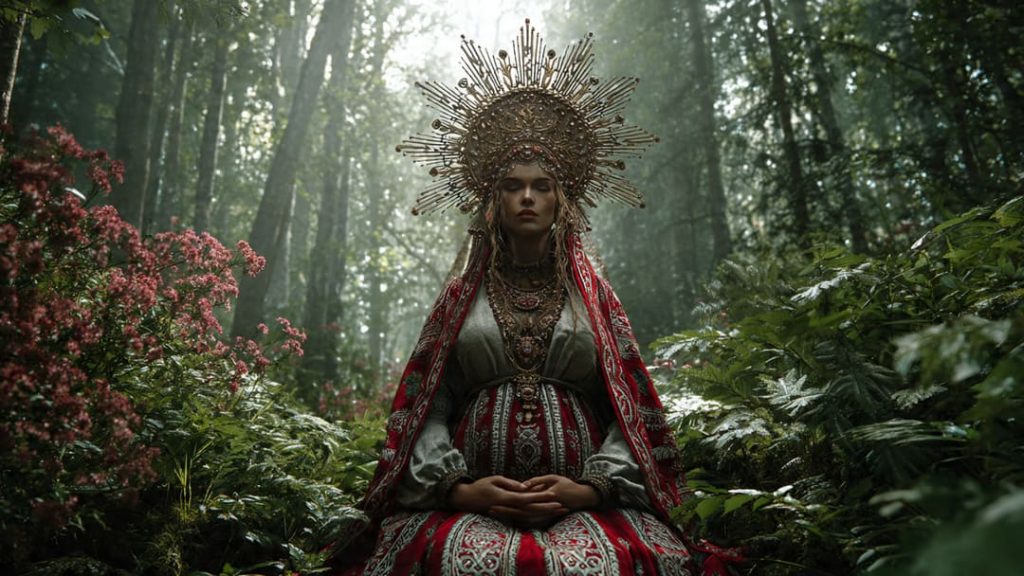
In ancient Rome, medieval Europe, and early Buddhist communities, circles of women practiced together to create powerful energy fields.
Their rituals affected the land and the people around them.
We’ve lost this sense of the feminine collective as a force of civilization.
Today, spirituality tends to be something we practice privately, but our ancestors understood there was power in numbers.
9. Desire as a Sacred Calling
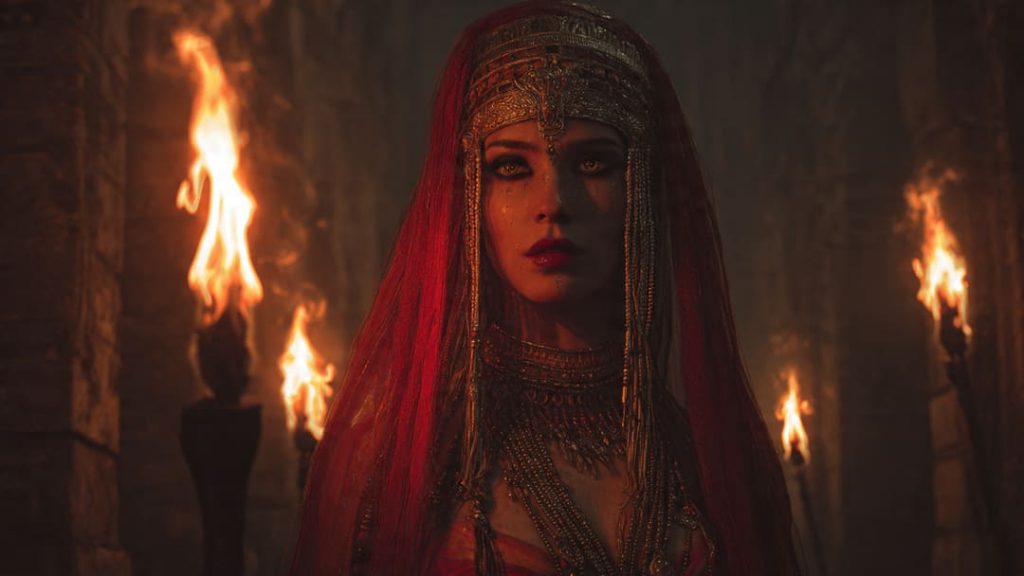
In the temples of Babylon and the sanctuaries of Aphrodite, intimacy brought more than just pleasure. It was a divine communication.
Women trained to channel the goddess through these encounters. They provided presence and energy.
Today, we’ve stripped eros of its sacredness and turned it into something purely physical.
However, our ancestors saw desire as a portal. They approached that surge of energy with respect and intention.

A little Aquarius, devoted to writing and embroidery. Through my writing, I hope to empower readers to align with their true selves and navigate life’s mysteries with confidence.