
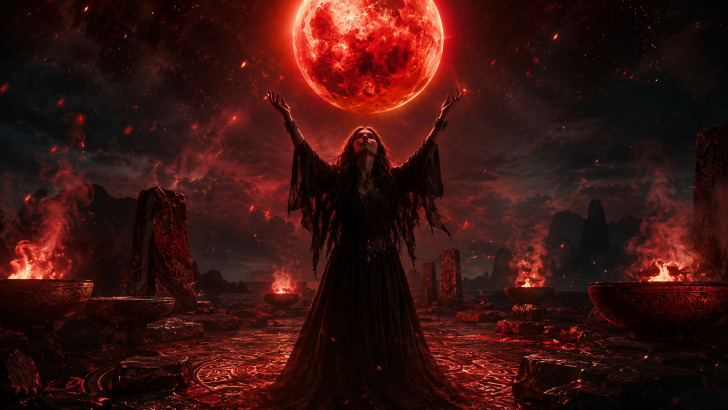
For thousands of years, ancient cultures viewed blood moons as powerful spiritual events.
The reddish color of the moon often frightened people because they believed it was a warning, a message from the gods, or a sign that the balance between worlds was shifting.
Because of this, many civilizations created rituals meant to protect communities, honor divine powers, or calm spiritual fear during these rare celestial moments.
Some ceremonies involved fire and chanting. Others focused on prayer, offerings, or purification beneath the night sky.
Here are seven fascinating rituals ancient cultures were believed to perform during blood moons.
1. The Maya Performed Ceremonies to Appease the Gods
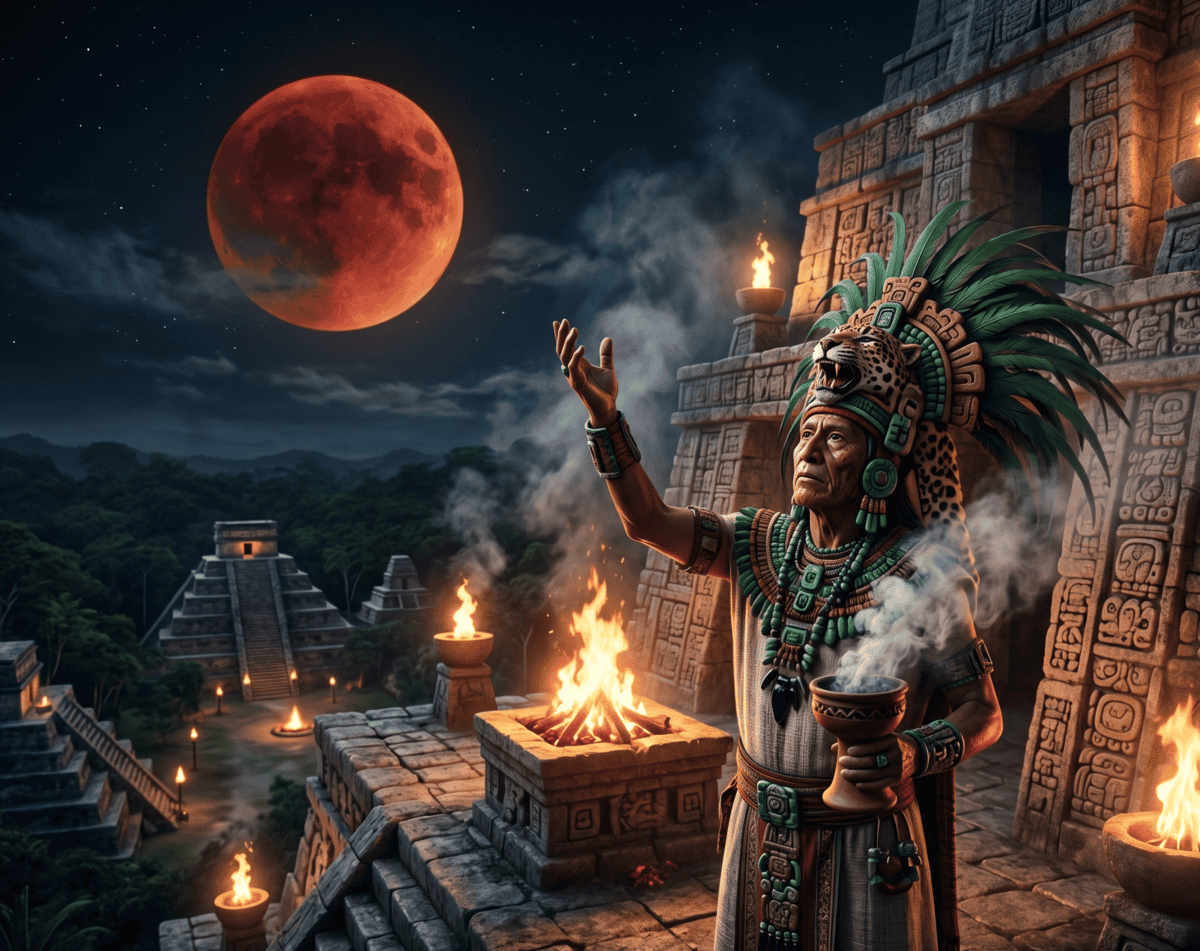
The ancient Maya closely studied the stars and believed celestial events carried spiritual meaning connected to the fate of humanity.
When a blood moon appeared, some communities feared it represented anger from divine forces or imbalance within the universe.
Priests often organized nighttime ceremonies involving incense, chanting, and offerings to restore harmony between humans and the gods.
The sound of drums echoed through temples while flames illuminated the darkness beneath the red moon above.
These rituals were not only about fear. They also reflected respect for cosmic forces that the Maya believed shaped both nature and human destiny.
Many people likely gathered together for comfort, believing unity and prayer could protect them during spiritually dangerous moments beneath the unusual sky.
2. Ancient Chinese Traditions Used Loud Sounds to Scare Away Evil
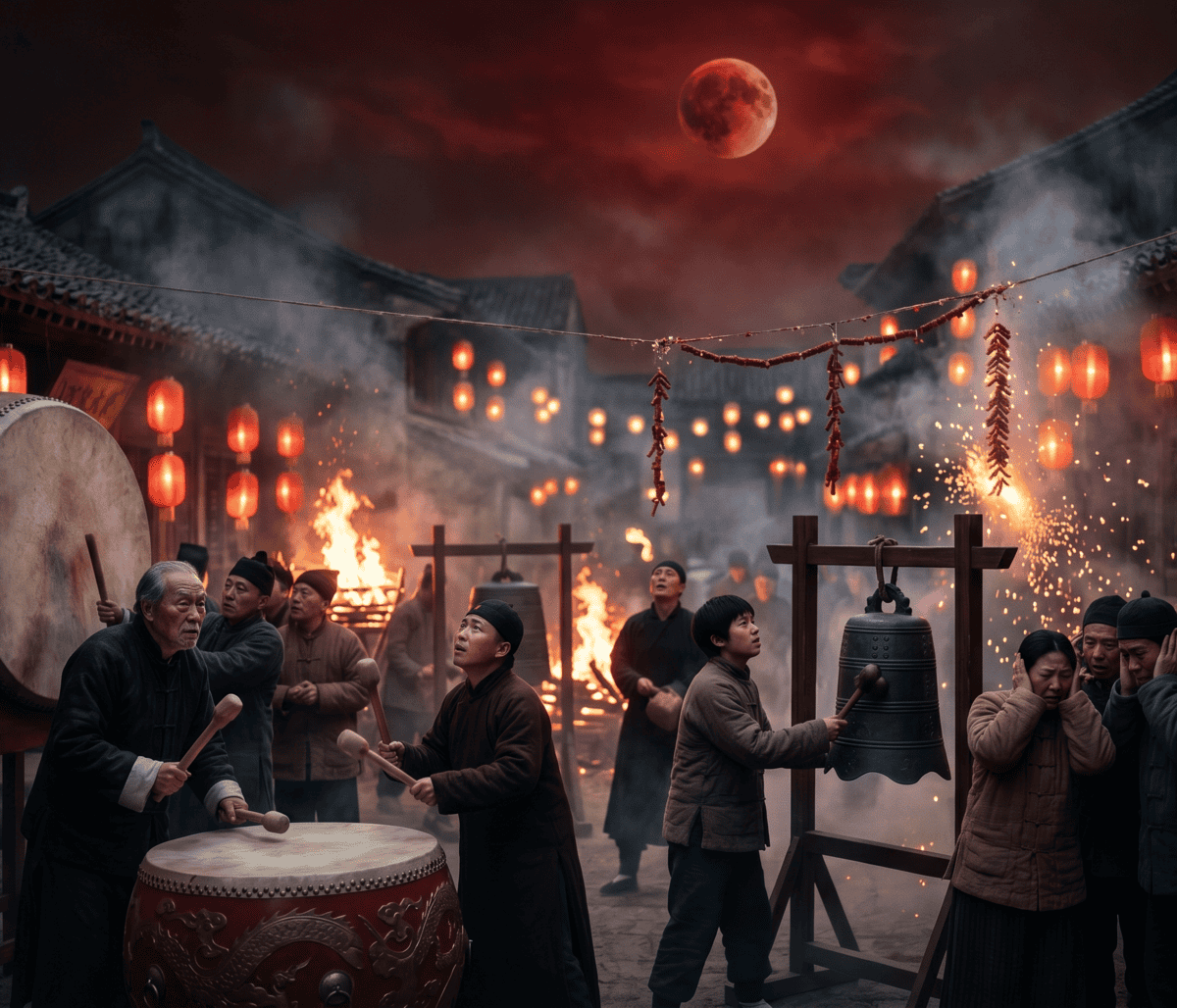
In parts of ancient China, blood moons were sometimes connected to legends about heavenly creatures attacking or consuming the moon.
People believed the strange red color was evidence of a cosmic disturbance happening in the heavens.
To drive away harmful spirits or celestial monsters, communities created loud noise using drums, bells, shouting, and firecrackers.
The goal was to frighten away whatever supernatural force threatened the balance of the sky. It was essential to protect the people from the blood moon.
This ritual transformed fear into action, allowing entire villages to participate together instead of silently waiting beneath the frightening red moonlight.
The powerful sounds likely created both emotional relief and a strong feeling of collective protection during the unsettling event.
3. Some Mesopotamian Kings Hid During Blood Moons
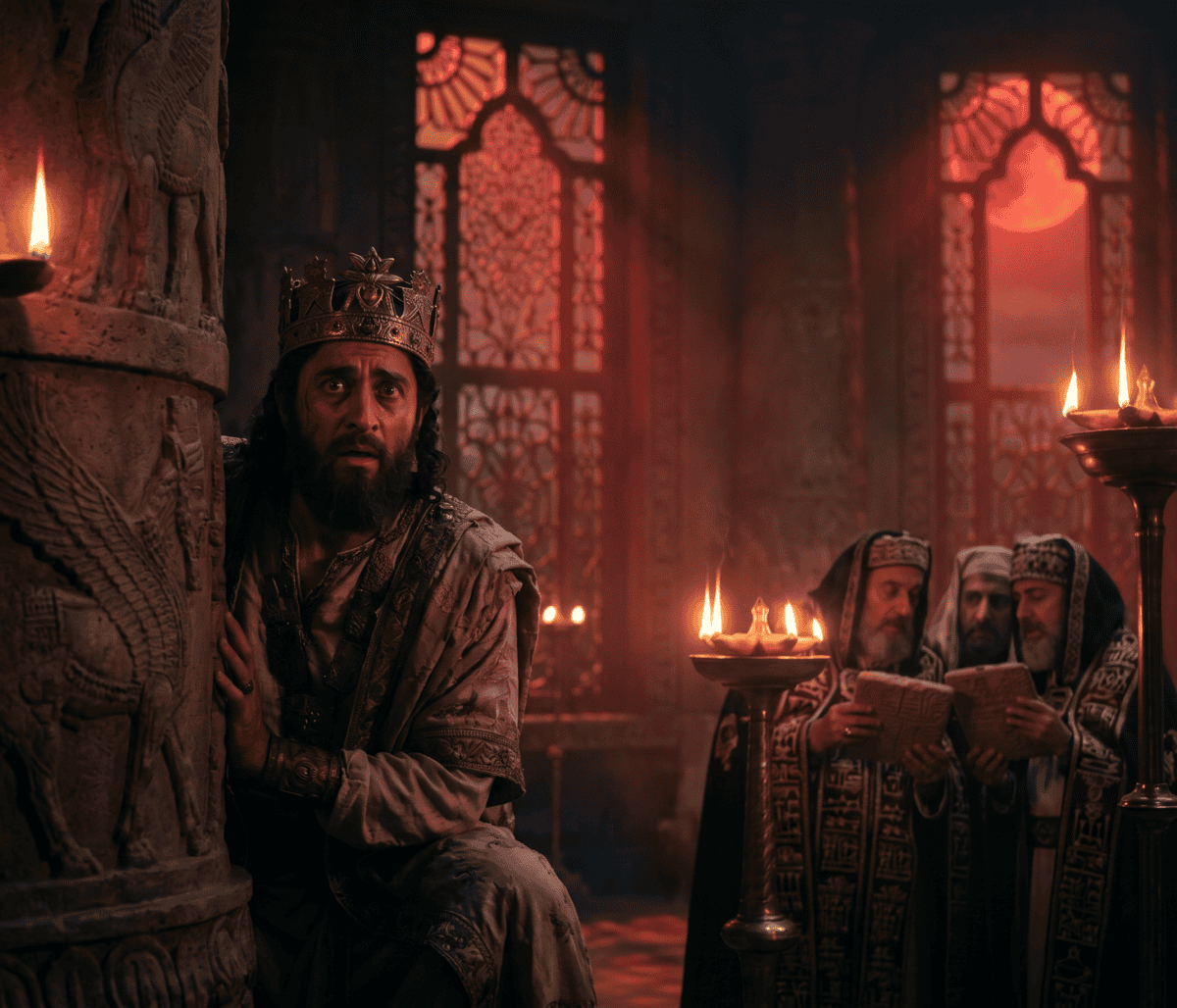
In ancient Mesopotamia, eclipses and blood moons were often interpreted as dangerous omens connected to rulers and political stability.
Priests believed celestial signs could predict disaster, rebellion, or even the death of a king.
To avoid divine punishment, temporary substitute kings were sometimes placed on the throne while the real ruler stayed hidden until the danger passed.
This unusual ritual reflected how seriously ancient societies treated movements in the sky.
The blood moon was not viewed as a simple astronomical event. It was seen as a warning from cosmic powers capable of changing the fate of entire kingdoms.
The fear surrounding these events often influenced major political decisions and royal behavior across powerful ancient empires.
4. Indigenous Tribes Held Purification Rituals Beneath the Moon
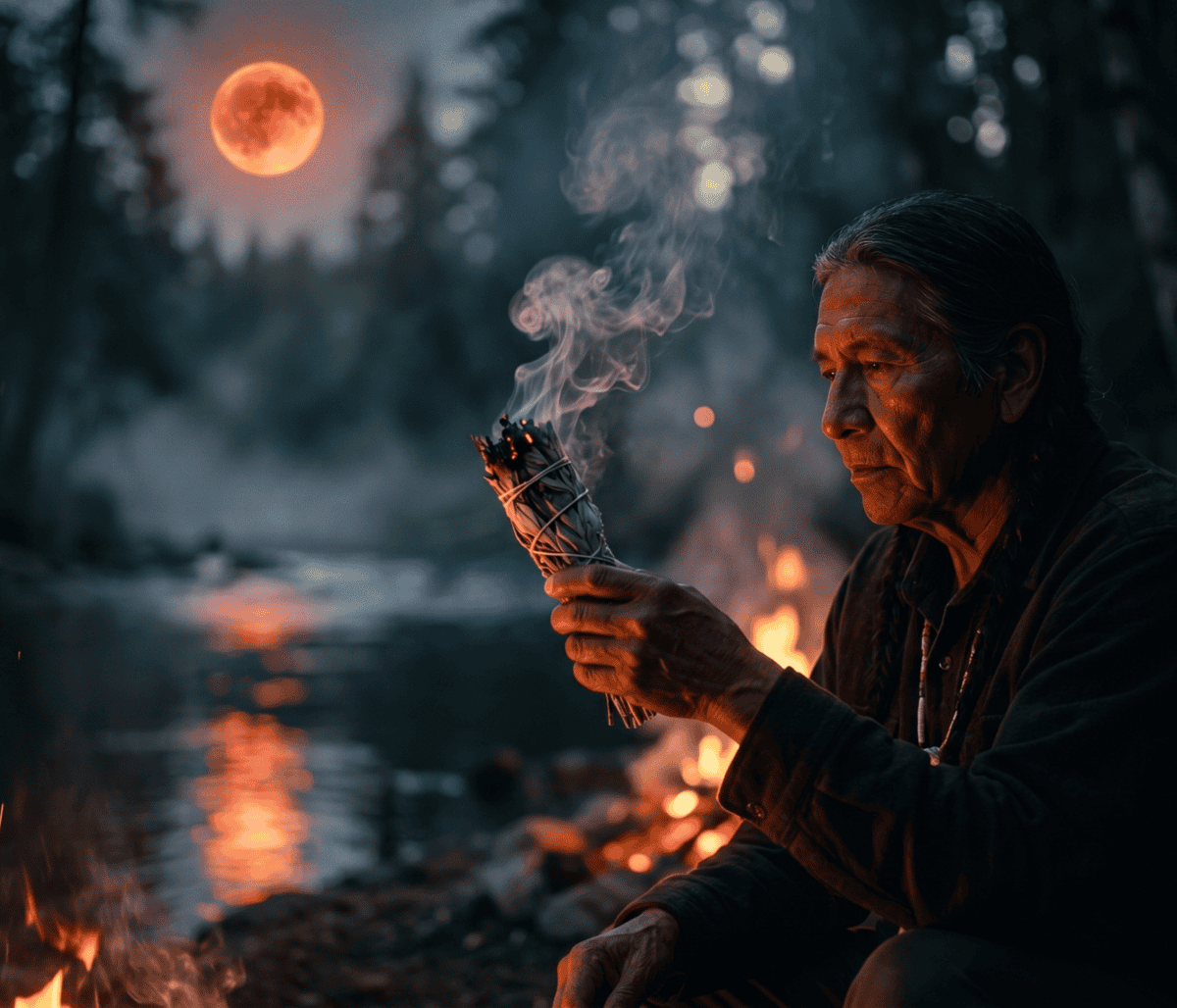
Certain indigenous traditions connected blood moons with spiritual cleansing and emotional reflection rather than destruction or punishment.
During these nights, some communities gathered for purification ceremonies involving water, smoke, herbs, or prayer beneath the darkened sky.
The unusual appearance of the moon symbolized a moment when spiritual energy felt especially strong or emotionally revealing.
People used the event as a time to release fear, sadness, or negative emotions from the past.
These rituals often carried peaceful meaning, encouraging inner balance and a deeper connection with both nature and ancestral spiritual traditions.
The silence of the night and the strange red light likely made the ceremonies feel deeply emotional and unforgettable for participants.
5. Ancient Hindu Traditions Focused on Prayer and Meditation
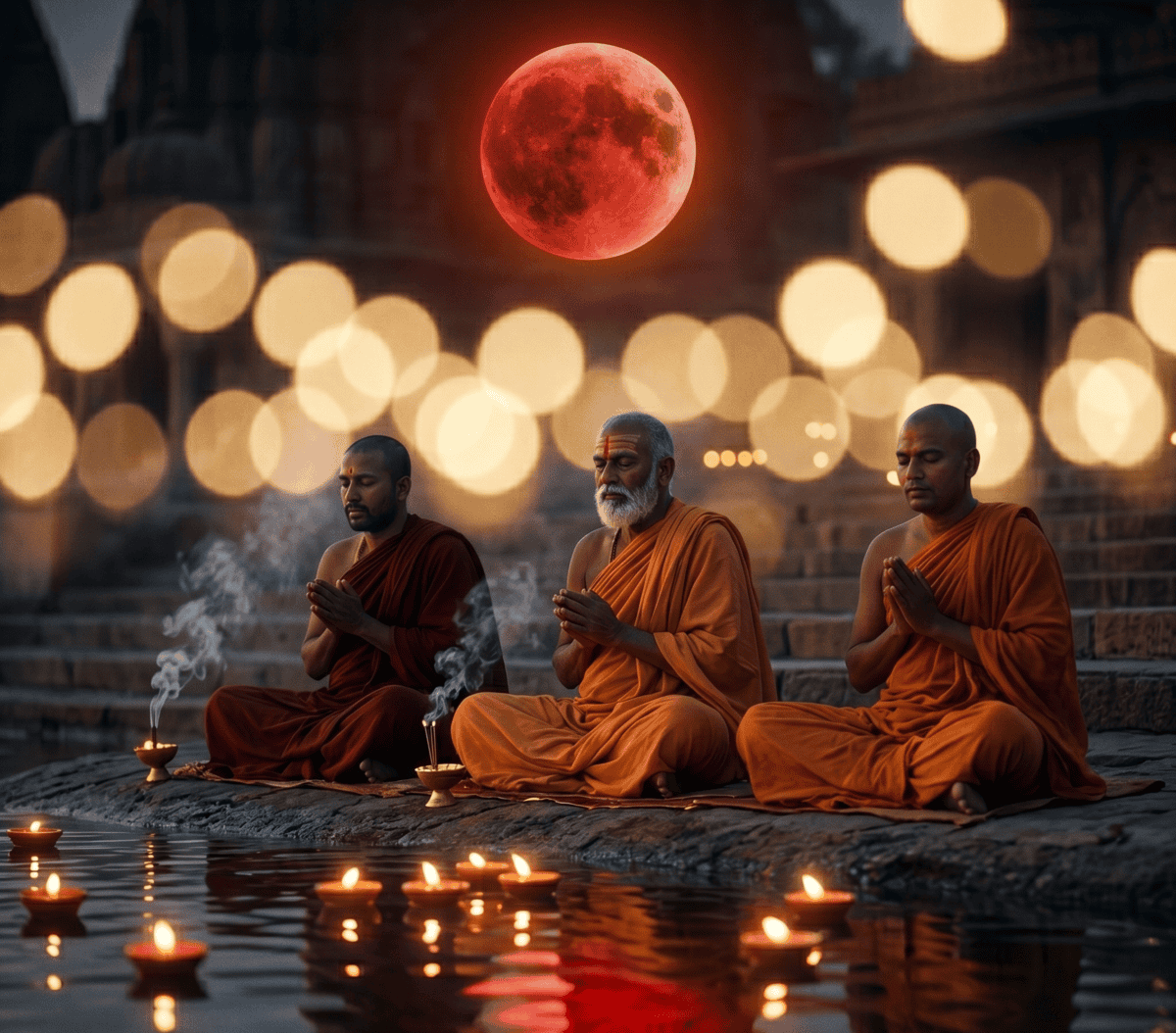
In some Hindu traditions, eclipses and blood moons were viewed as spiritually sensitive periods requiring careful behavior and religious focus.
Many people avoided ordinary activities and instead spent time praying, meditating, or reciting sacred texts during the event.
Ritual bathing in rivers was also considered spiritually important for purification and protection.
The blood moon created a feeling that unseen energies were temporarily affecting the natural world.
Rather than reacting with panic, these practices encouraged spiritual discipline and reflection during moments believed to carry powerful cosmic influence.
The atmosphere surrounding these rituals likely felt quiet, serious, and deeply connected to ideas about karma and spiritual balance.
6. Norse Traditions Connected Blood Moons to Cosmic Danger
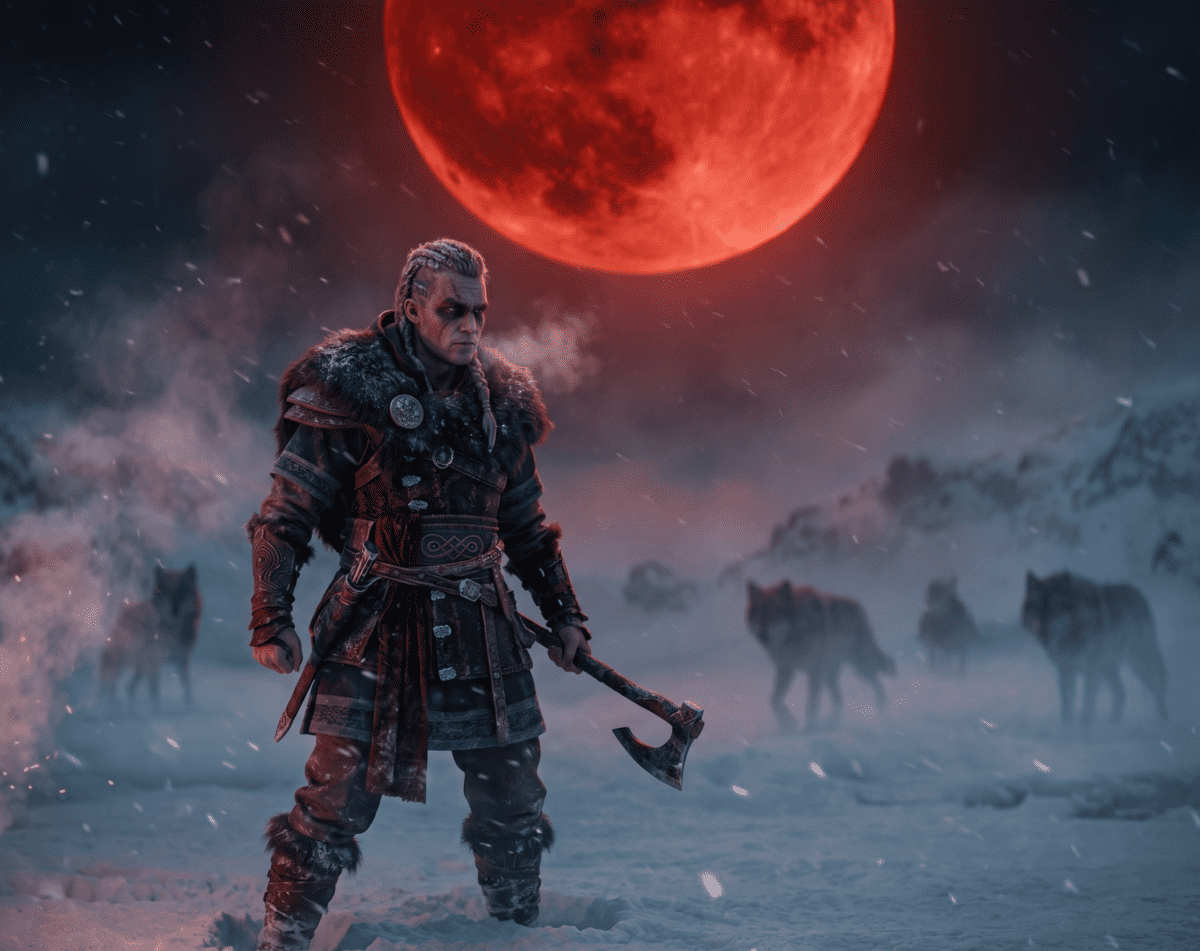
In ancient Norse mythology, celestial events were often tied to massive supernatural struggles involving gods, wolves, and the fate of the world itself.
Some legends described wolves chasing the sun and moon across the sky, creating terrifying signs when eclipses occurred.
A blood moon may have been interpreted as evidence that chaos was growing stronger in the cosmos.
Communities responded with rituals, storytelling, fires, and gatherings meant to strengthen courage during frightening celestial events.
For the Norse people, the sky was deeply alive with mythological meaning, making unusual lunar events feel personal and spiritually significant.
The red moon probably reminded many people of approaching danger, war, or the fragile balance holding the universe together.
7. Ancient Romans Offered Sacrifices During Lunar Omens
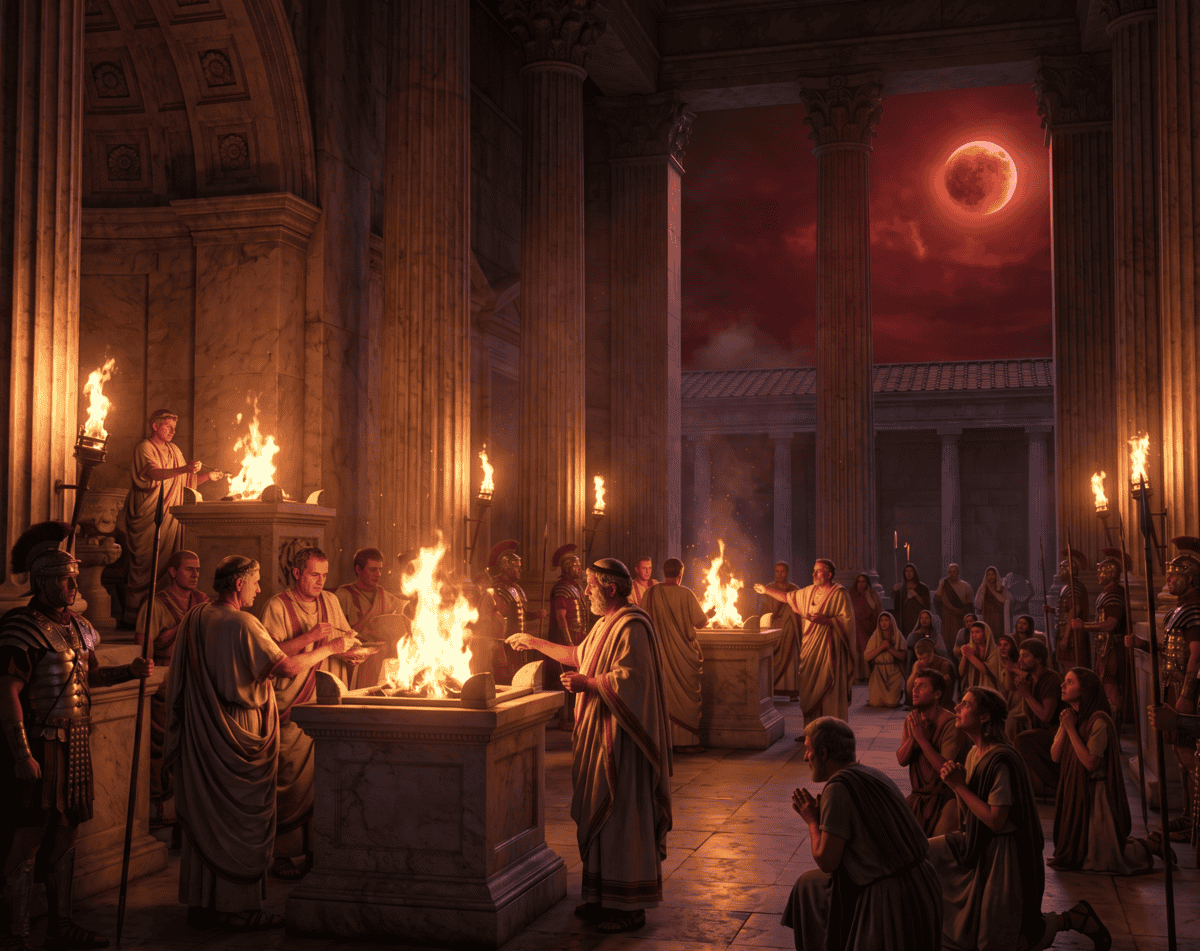
The ancient Romans paid close attention to signs in the heavens and often viewed blood moons as omens connected to the future of the empire.
Priests and spiritual leaders sometimes organized offerings or sacrifices to calm the gods and prevent disaster.
These rituals could include prayers, ceremonial fires, or symbolic gifts presented during the eclipse.
Romans believed harmony between humanity and divine forces was necessary for political success and social stability.
Because of this, unusual celestial events created fear that balance had been disturbed somewhere within the empire or spiritual world above.
The dramatic appearance of the blood moon likely made many citizens feel as though the gods themselves were watching human actions closely from the heavens.

Sempre senti uma forte ligação com o Divino desde o meu nascimento. Como autora e mentora, a minha missão é ajudar os outros a encontrar o amor, a felicidade e a força interior nos momentos mais sombrios.