
Some stories stay with us because they touch a deep part of our imagination, the part that wonders what happens to a soul when it feels too heavy to move on.
One of the most haunting figures connected to this idea is the angel Remiel.
In many old texts, he is described as the one who guides lost spirits, weighs the truth they carry, and helps them understand why they cannot rest.
His presence is calm, patient, and powerful. People imagined him as the soft light that appears when someone feels stuck between their past and their future.
The legend of Remiel does not try to frighten. It tries to explain why some souls linger and what it takes for them to finally find peace.
The Ancient Role of Remiel and Why Souls Turn to Him

In old writings, Remiel appears as an angel who stands close to the borders of life and death.
His work is different from the angels who guard or fight. He listens. He observes. He understands the weight that a soul can carry after a lifetime of emotions and choices.
Souls that struggle to move forward are drawn to him because he does not judge them. Instead, he studies what makes them stay behind.
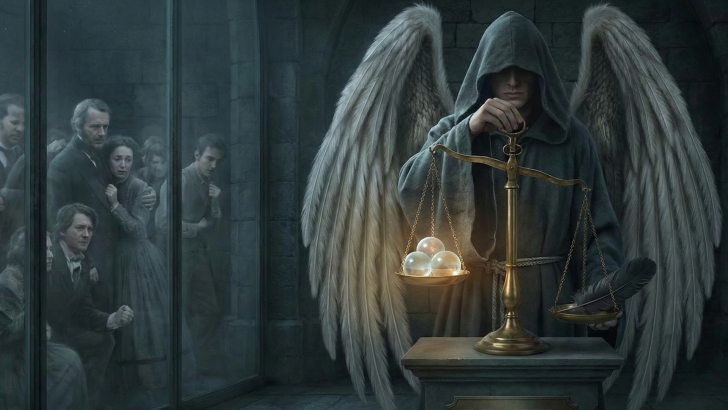
Some myths say that he holds a great set of scales made of light. On one side, he places the soul. On the other side, he places its memories, regrets, desires, and fears.
The scale does not measure punishment. It measures truth. A soul that refuses to die is not usually held back by darkness.
It is held back by unfinished stories. Remiel’s task is to help the soul see this truth.
People told these stories because they needed a way to understand feelings that do not disappear even after someone leaves the world.
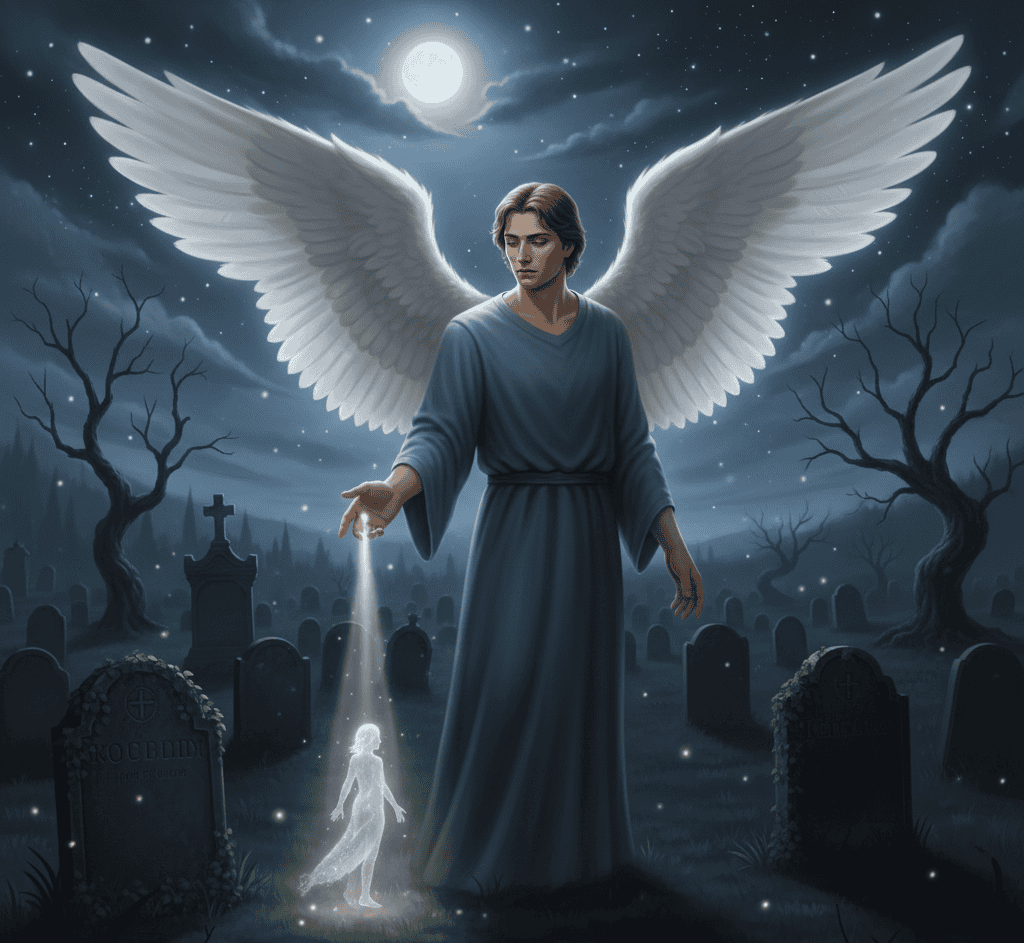
Many believed that Remiel walked between cemeteries, quiet homes, and old places where memories were strong.
He guided souls who lingered near the living because they still wanted to protect someone or because they were afraid to let go.
The angel became a symbol of acceptance. He reminded people that every life leaves behind a trail of emotions that must be understood before peace becomes possible.
Why Some Souls Refuse to Move On
The idea of a soul refusing to die may seem strange, yet it mirrors real human behavior. People often hold on to moments long after they have passed.
They cling to guilt, old promises, or fears that change what they feel they deserve. The myth of Remiel grew out of this simple truth.
A soul stays behind when it carries too much weight. In the stories, this weight is not a punishment from the heavens.
It is something the soul creates for itself. It may be anger that was never released. It may be love that was never spoken.
It may be a decision someone never made. Remiel helps the soul see that the world has already changed and that holding on does not protect anyone.
Ancient storytellers explained that when a soul refuses to move on, the world around it becomes thin and quiet. Colors fade.
Sounds stretch and echo. The soul feels stuck in a moment that no longer belongs to it. Remiel steps into this empty space.
His presence does not force the spirit to leave. He simply shines light on everything it tries to avoid.
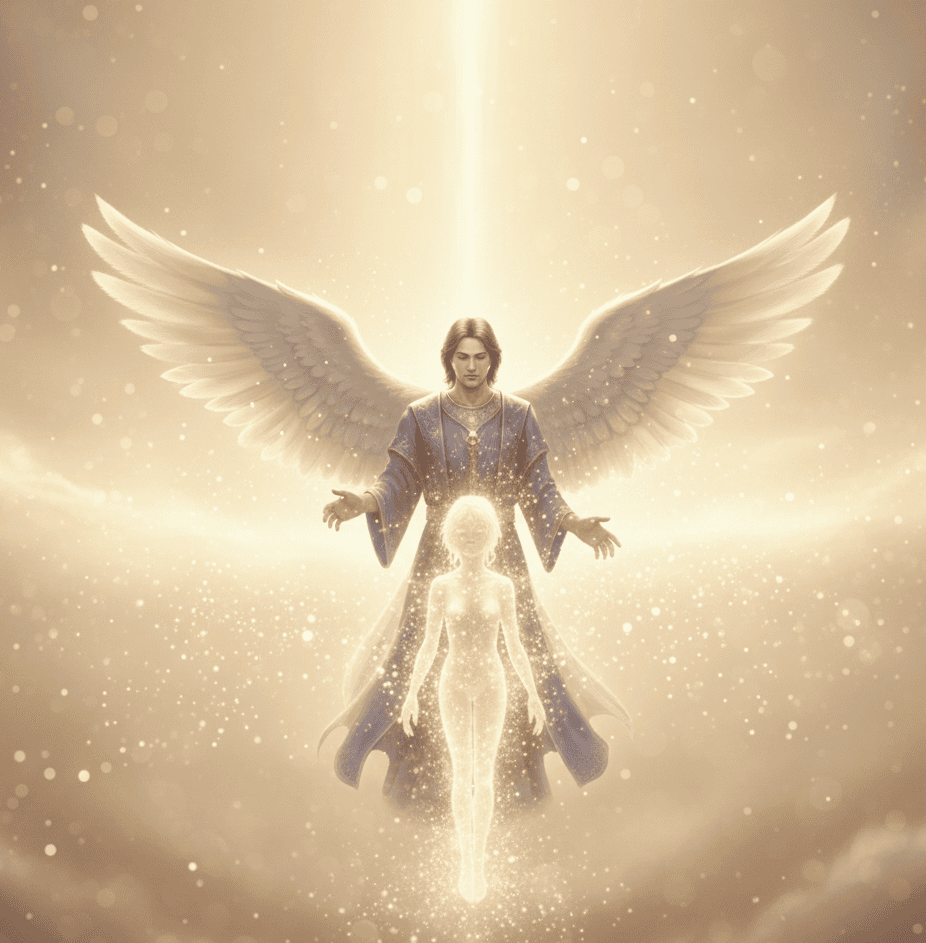
The soul then begins to understand its own weight. When the scale balances, the story says, the soul becomes light enough to rise.
The Meaning of Remiel in the Human Heart
People still talk about Remiel because his story feels very human. Every person carries burdens that can make them feel stuck.
Sometimes it is grief. Sometimes it is the fear of change. Sometimes it is the belief that they must hold everything together, even when they feel tired.
Remiel represents the moment when someone finally pauses and looks at their inner world with honesty.
He is the reminder that nothing can heal unless it is seen clearly. The scales he holds symbolize balance, self-awareness, and the courage to face the truth.
Many people imagine that when they feel heavy or lost, the angel stands beside them, ready to help them understand their own emotional weight.
In this way, Remiel is not only a figure from ancient beliefs. He is an image of something many people experience today.
There are moments when a person feels unable to move forward. They may replay past mistakes or fear that a choice will hurt someone they love.
They may feel responsible for things that are beyond their control. These feelings can make the soul feel dim and tired.
The legend of Remiel offers a gentle message. The soul becomes lighter when someone stops running from their truth.
It becomes lighter when someone forgives themselves. It becomes lighter when someone accepts that endings are part of life and not signs of failure.
Remiel teaches that every person deserves peace once they stop holding themselves in place.
The Last Weight a Soul Must Release

The final part of Remiel’s work in ancient stories was never dramatic. He did not chase souls or command them.
Instead, he waited for them to understand themselves. When a soul finally reached clarity, Remiel helped it rise toward a place of rest.
Some tales say he opened a quiet path made of soft light. Others say he touched the soul’s forehead and released the last fear that held it back.
The moment of release was described as peaceful and warm. It felt like stepping into sunlight after a long night.
Nothing in these stories spoke of punishment or judgment. Instead, they described an ending filled with relief, trust, and kindness.
People shared these tales to remind themselves that letting go is not a loss. It is a return. The soul does not disappear.
It simply moves to a different state, free from the weights it once carried. Remiel represents the last emotional step in that journey.
He stands for acceptance, understanding, and the calm that follows after someone releases what has held them for too long.
The idea still comforts people today. Whether or not they believe in angels, the message remains the same.
A soul cannot rise until it lets go of its fear. Peace comes when someone finally trusts that they are allowed to move on.

Sempre senti uma forte ligação com o Divino desde o meu nascimento. Como autora e mentora, a minha missão é ajudar os outros a encontrar o amor, a felicidade e a força interior nos momentos mais sombrios.