
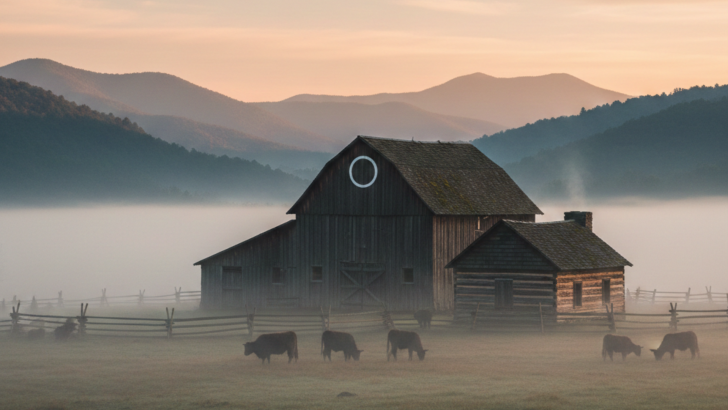
High in the misty hills of Appalachia, where old forests stretch for miles and stories travel easily from one porch to another, symbols have always mattered.
Long before modern locks and alarm systems, people relied on signs, marks, and quiet beliefs to keep their homes safe.
Among these traditions are Appalachian hex signs, simple symbols painted, carved, or stitched with the hope of protection.
To outsiders, they may look like folk art or decoration, but to those who believed in them, these signs carried meaning and power.
They were meant to guard against sickness, bad luck, jealousy, and unseen forces that might slip into a home.
Passed down through generations, hex signs reflect a blend of faith, fear, and practicality.
Understanding these symbols means stepping into a world where everyday life and the spiritual realm lived side by side, especially in isolated mountain communities where people learned to rely on both hard work and quiet belief.
Where Appalachian Hex Signs Came From
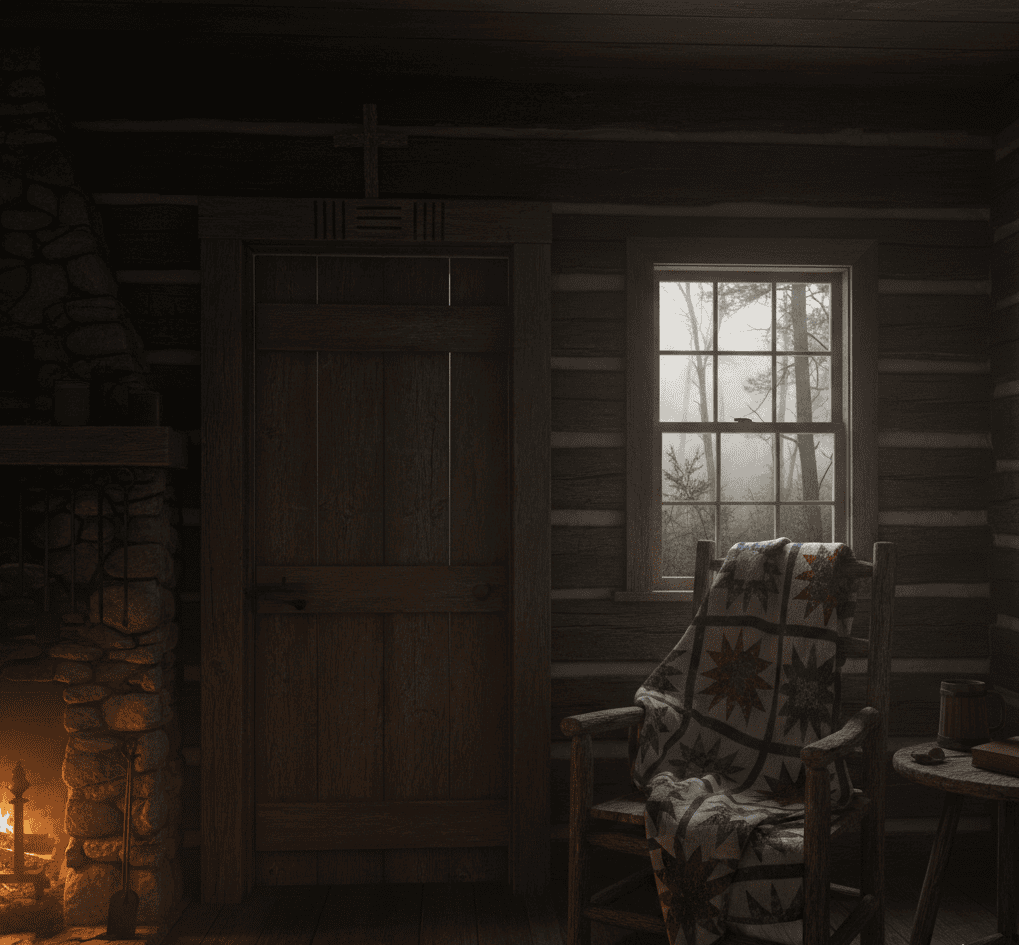
Appalachian hex signs did not come from a single culture or belief system. They grew out of a mix of traditions brought by settlers from Europe, especially German, Scots Irish, and English communities.
These settlers carried old folk beliefs with them across the ocean. When they settled in the Appalachian Mountains, isolation helped preserve these traditions.
With few doctors, ministers, or authorities nearby, people leaned on home remedies and protective customs they trusted.
Many of these signs were influenced by folk Christianity. People believed strongly in God but also accepted the idea that evil forces existed in the world.
Protection was seen as something you could actively invite into your home through prayer and symbols.
A carved cross above a doorway, a painted star on a barn, or a special pattern sewn into a quilt all served the same purpose. They were meant to remind evil that it was not welcome.
Native American beliefs also shaped these traditions. Local tribes had long used symbols for protection and balance.
Over time, ideas blended. The result was a uniquely Appalachian style of folk magic, practical and grounded rather than dramatic.
Hex signs were rarely talked about openly. They were simply done, passed from parent to child as part of everyday life.
Unlike more decorative hex signs found in other regions, Appalachian signs were usually simple. They were not meant to impress neighbors.
They were meant to work. Their power came from belief, intention, and tradition rather than beauty. In mountain culture, quiet strength mattered more than show.
Common Symbols And What They Mean
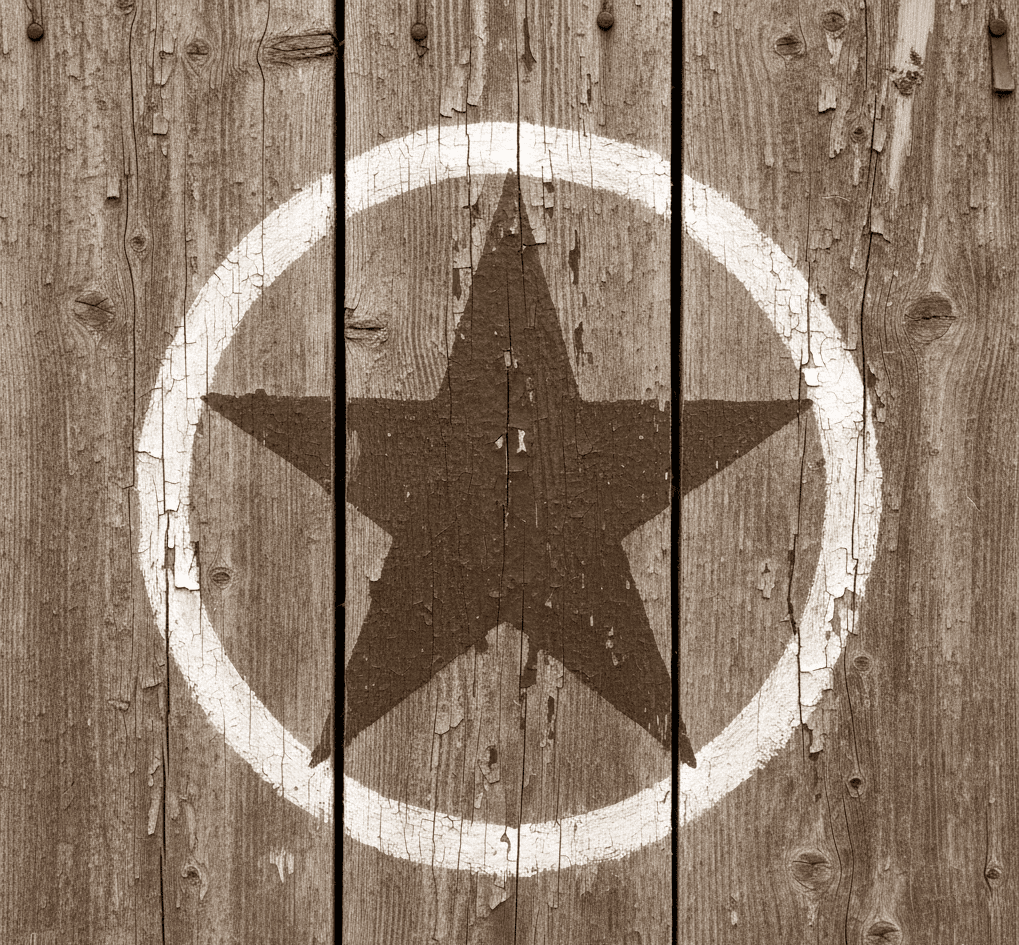
Each Appalachian hex sign had a purpose. One of the most common symbols was the circle. Circles represented wholeness and protection.
A circle drawn near a doorway or window was believed to trap evil outside, unable to cross the boundary.
Sometimes the circle was broken only where the door opened, symbolizing that only invited guests could enter.
Stars were another frequent symbol. Five-pointed stars were believed to guard against harm and bad luck.
They were often carved into door frames or painted on barns. To many families, the star represented divine watchfulness, a reminder that the home was under constant care.
Some believed the points of the star confused evil spirits, preventing them from finding a way inside.
Crosses were widely used, especially simple crosses made from two lines. These were not always meant as religious statements alone.
They were believed to physically block harmful forces. A cross drawn in chalk or carved into wood was thought to interrupt the path of evil, stopping it before it reached the family inside.
Another symbol was the X mark. Often scratched quietly onto walls or furniture, the X was believed to seal spaces.
It marked ownership and protection. Some families placed X marks near cradles or beds to guard children from illness or nightmares.
Colors mattered too. White symbolized purity and safety. Red was used for strength and life, especially to protect against illness.
Blue was sometimes painted around windows, believed to confuse spirits who could not cross water like colors.
Each choice reflected a careful balance between belief and daily experience.
How Hex Signs Were Used In Daily Life
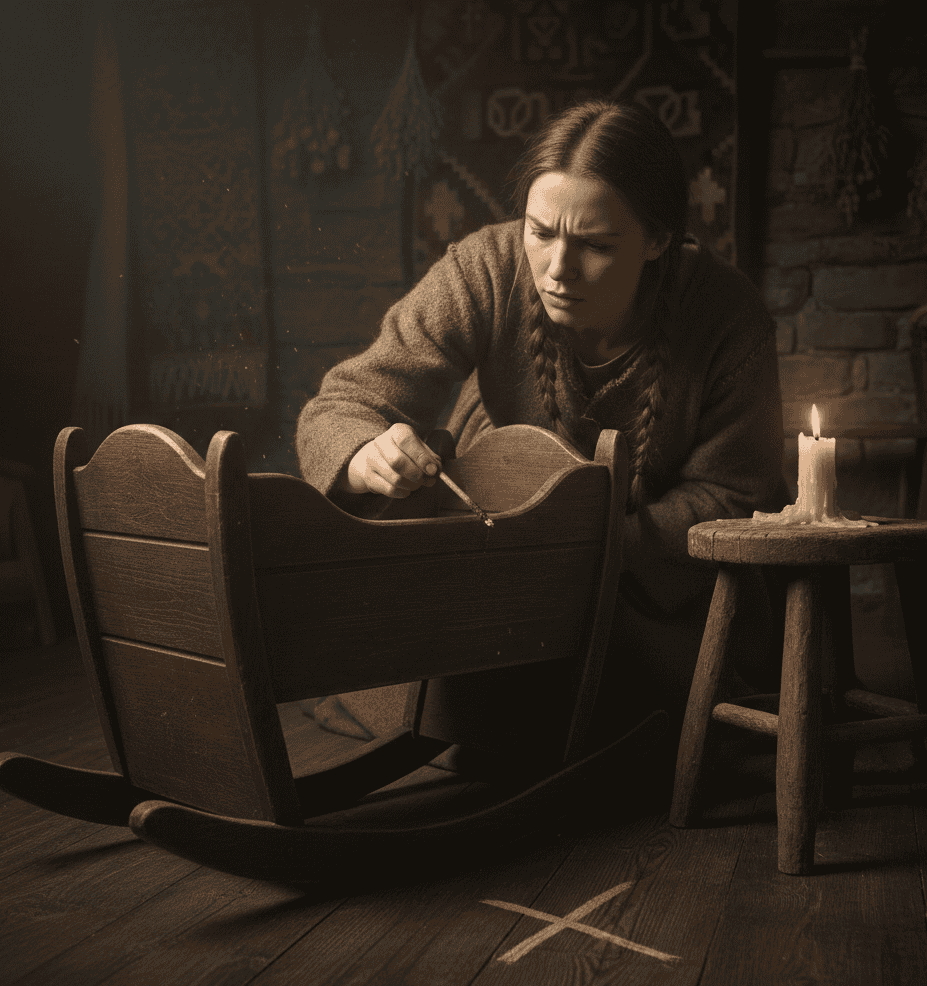
Hex signs were not reserved for special occasions. They were part of daily living. A woman might quietly mark a doorway after hearing unsettling news.
A father might carve a symbol into a beam when building a house. These actions were done with focus and care, often accompanied by a silent prayer.
Protection was especially important during vulnerable times. Birth, illness, and death were moments when people believed the boundary between worlds grew thin.
Hex signs were reinforced during these periods. New mothers often placed protective marks near beds or cradles.
During sickness, symbols might be refreshed to strengthen their power.
Barns and animals were also protected. Livestock represented survival, and losing them could mean hardship.
Hex signs painted on barns or stalls were believed to guard animals from disease, predators, and misfortune.
These signs were practical expressions of hope in an uncertain environment.
Importantly, these traditions were quiet. Talking openly about protection could be seen as tempting fate. Many families avoided explaining their signs to outsiders.
Knowledge was shared within trusted circles. Children learned by watching, not by asking. This secrecy helped preserve the tradition but also led others to misunderstand it.
Hex signs were not about controlling others or causing harm. They were defensive, not aggressive. The goal was safety, peace, and balance.
In Appalachian culture, this focus on protection reflects a deep respect for the unseen forces believed to shape everyday life.
Why Appalachian Hex Signs Still Matter Today
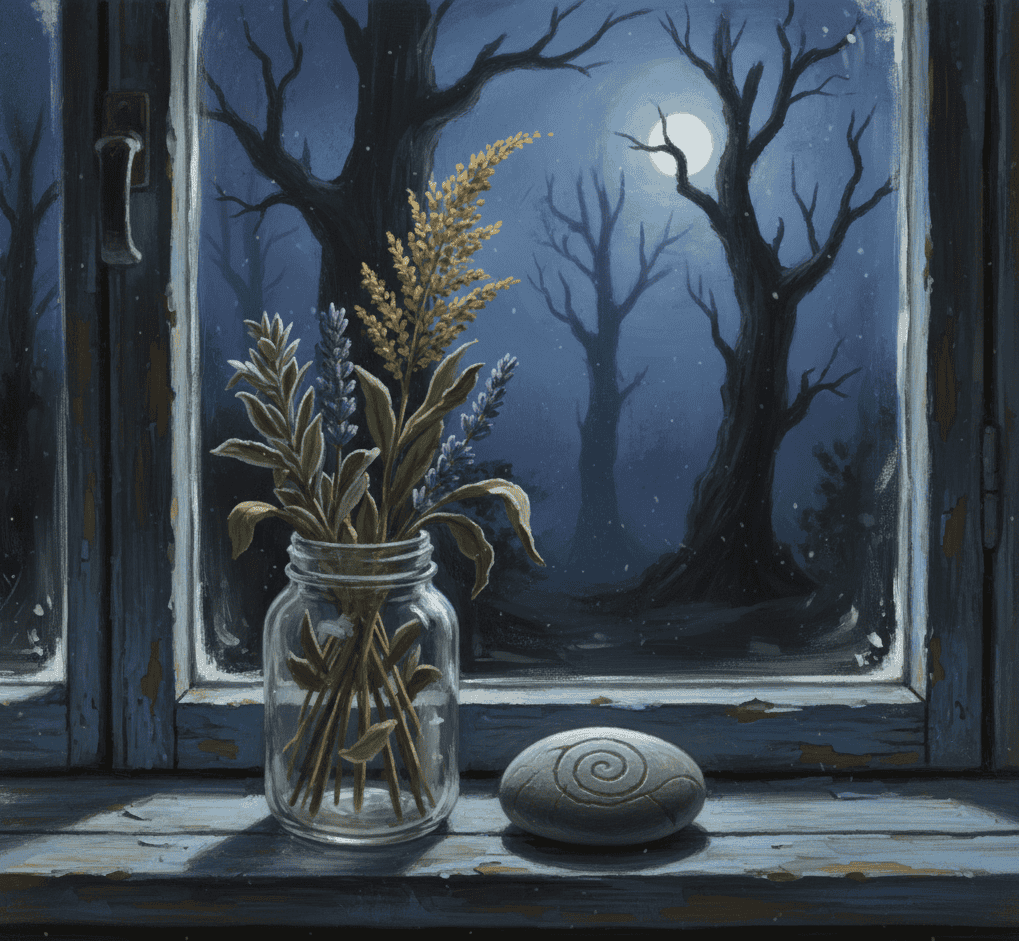
Today, many Appalachian hex signs are seen as folk art or historical curiosities. Some are recreated on quilts, signs, and crafts.
While the original belief may have faded for some, the meaning remains powerful. These symbols represent a desire for safety and control in a world that often feels unpredictable.
For descendants of Appalachian families, these signs offer a connection to ancestors who survived hardship through resilience and belief.
They remind people of a time when protection came from intention and tradition rather than technology.
Even now, some families quietly continue the practice, not out of fear, but out of respect.
The renewed interest in folk traditions has also brought attention to Appalachian hex signs. People are drawn to their simplicity and symbolism.
In a modern world filled with noise and distraction, these quiet marks speak of grounding and mindfulness. They encourage people to pause and consider what makes a space feel safe.
Ultimately, Appalachian hex signs are about care. They show how deeply people wanted to protect their homes, families, and way of life.
Whether one believes in their power or not, the intention behind them is universal. Everyone wants safety. Everyone wants peace within their walls.
These symbols stand as reminders that belief does not always need to be loud to be strong. In the Appalachian hills, protection was often whispered, carved gently into wood, or drawn with steady hands.
And for those who trusted in them, these simple signs stood guard through long nights, harsh winters, and generations of change.

Sempre senti uma forte ligação com o Divino desde o meu nascimento. Como autora e mentora, a minha missão é ajudar os outros a encontrar o amor, a felicidade e a força interior nos momentos mais sombrios.