
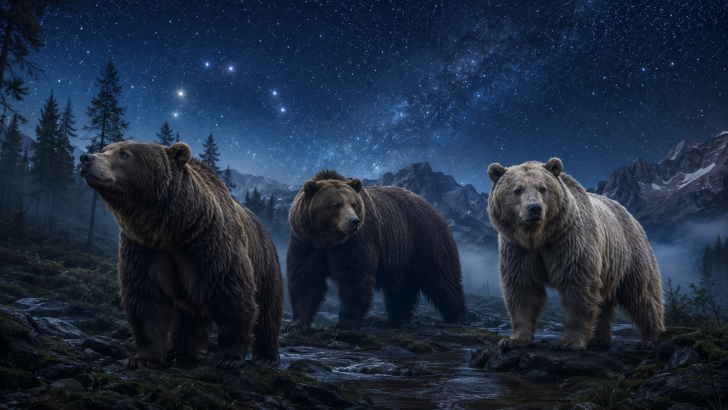
Powerful enough to frighten even experienced hunters, yet capable of remarkable patience and care for their young, bears became important figures in myths and spiritual traditions across the world.
Ancient peoples watched them disappear into dens during winter and return in spring, creating powerful associations with death, rebirth, and the changing seasons.
Some legendary bears were companions of gods. Others became ancestors, guardians, transformed humans, or symbols of warriors and kings.
In several cultures, the bear itself was treated with deep spiritual respect because its strength seemed to represent something beyond the ordinary animal world.
Not every famous mythological bear was worshipped, and some traditions survive more clearly than others.
Still, their stories reveal how widely humans admired these extraordinary animals.
Here are ten legendary bears and sacred bear figures from world mythology.
1. Callisto Became the Great Bear in Greek Mythology
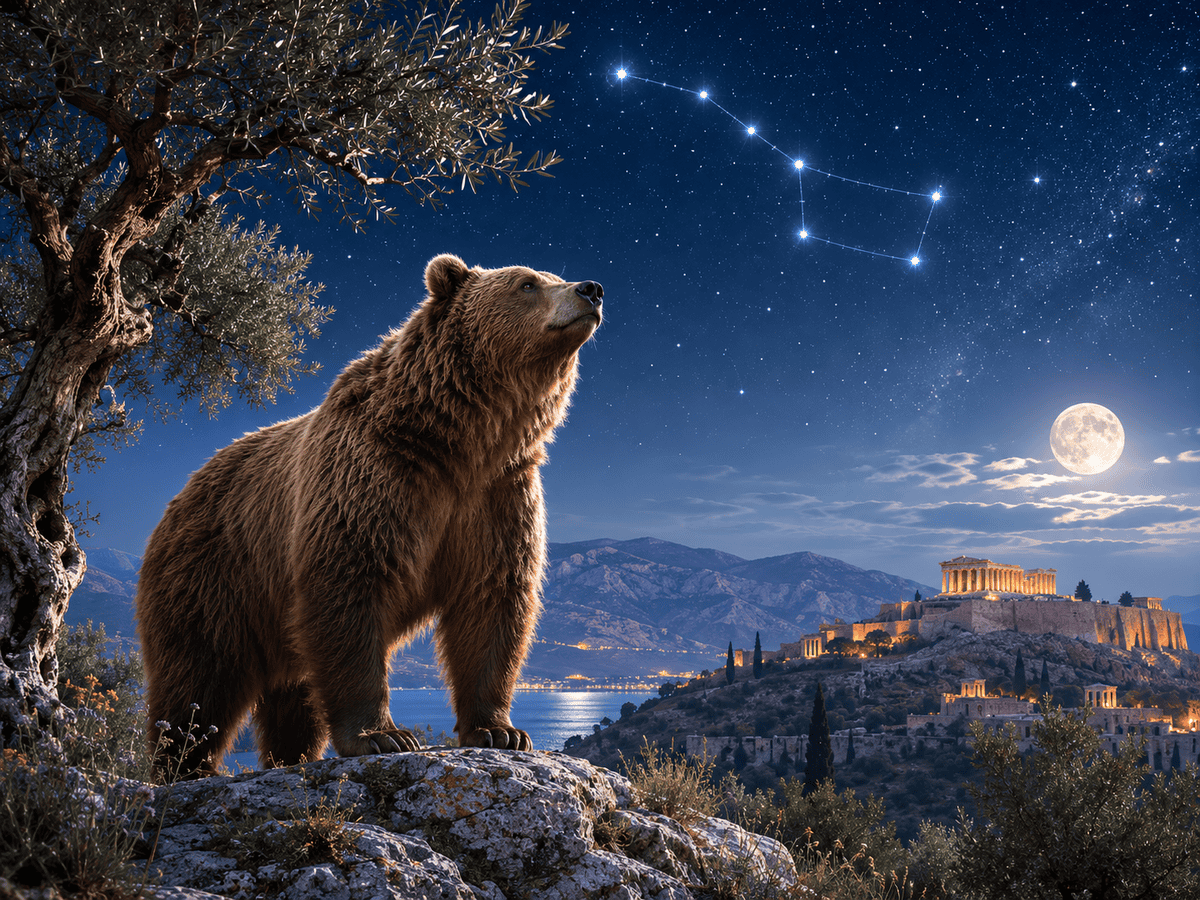
One of mythology’s most famous bears began her story as a human woman.
Callisto was a follower of Artemis who became involved in a tragic story concerning Zeus and Hera.
According to one popular version, Hera transformed Callisto into a bear out of jealousy.
Years later, Callisto nearly encountered her own son Arcas while still trapped in animal form.
Zeus eventually intervened and placed Callisto among the stars, where she became associated with Ursa Major, the Great Bear.
Callisto’s transformation also gave the bear deeper associations with motherhood, survival, and divine intervention.
Every night, the Great Bear seemed to continue wandering across the heavens, preserving Callisto’s memory among the stars.
2. Arcas Was Connected With the Little Bear
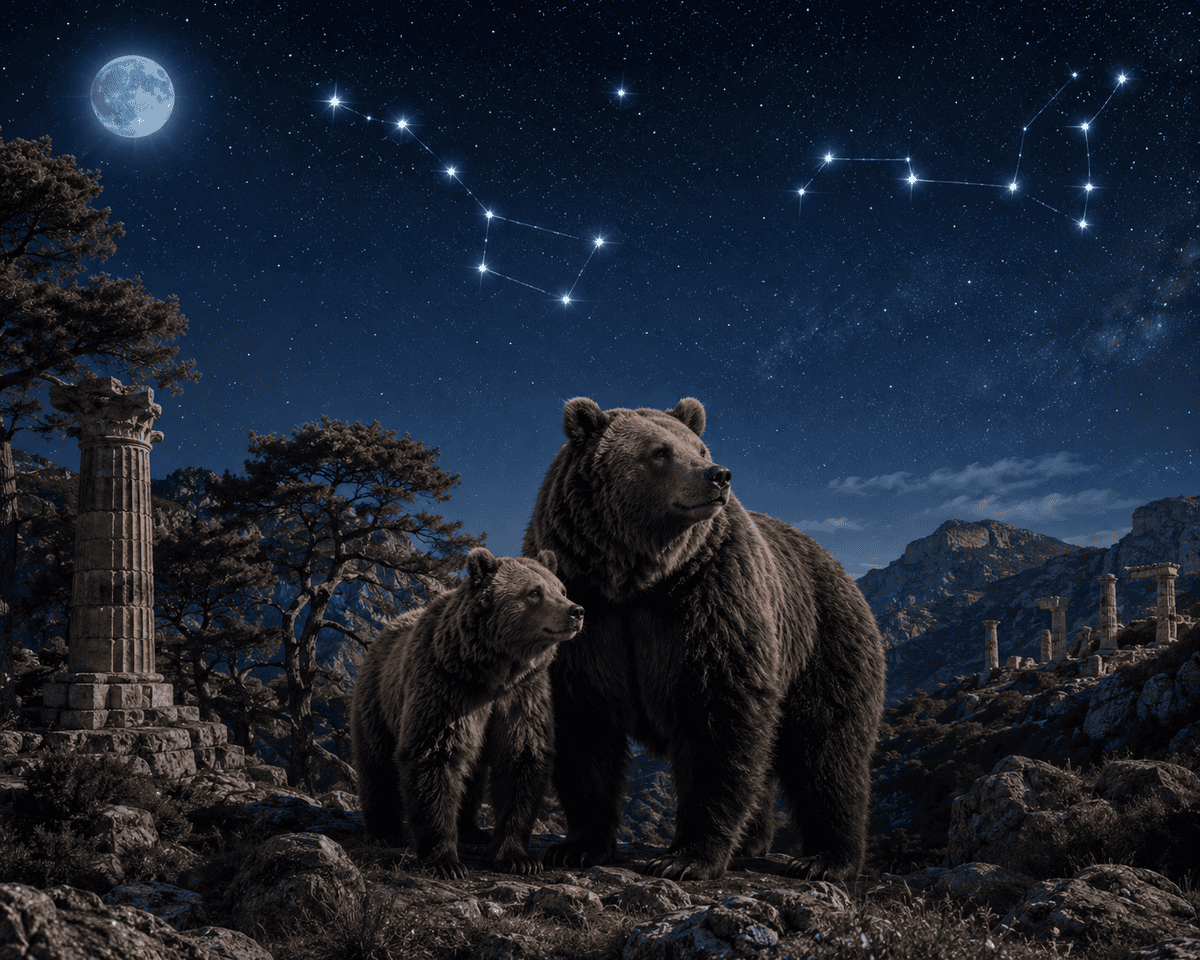
Callisto was not the only member of her family associated with bears. Her son Arcas also became connected with the heavens.
Different versions of the legend describe his fate differently, but one tradition associates him with Ursa Minor, the Little Bear.
The story created a celestial relationship between mother and child. Callisto became the Great Bear while Arcas remained near her among the stars.
Arcas was also an important ancestral hero of Arcadia, a region of Greece where bear symbolism had ancient religious importance.
Through Arcas, bears became connected not only with transformation but also with ancestry, kingship, and the identity of an entire region.
His legend shows how one powerful animal could influence both mythology and the way ancient communities understood themselves.
3. Artemis of Brauron Had a Sacred Connection With Bears
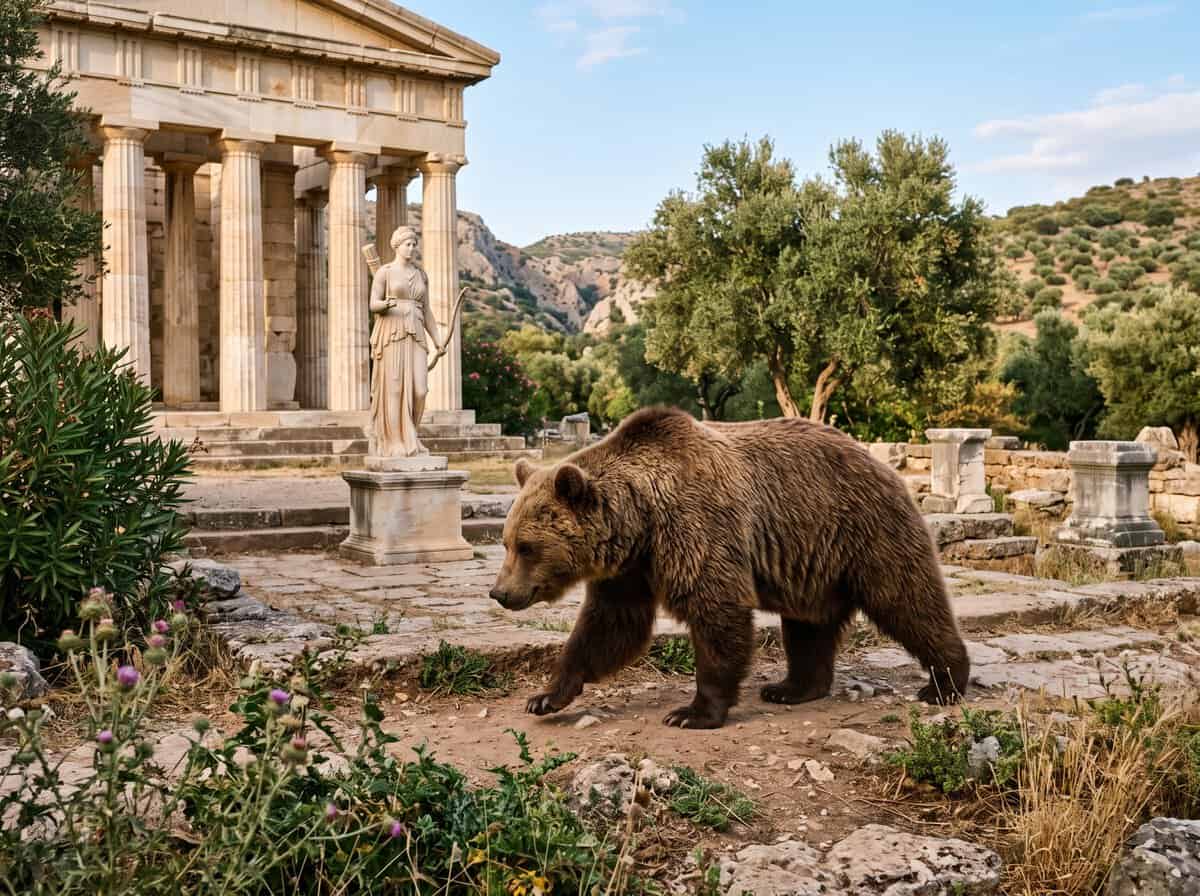
Artemis was not a bear herself, but one of her most fascinating cults had a strong connection with the animal.
At Brauron in ancient Attica, young girls participated in ceremonies associated with Artemis and were known as arktoi, meaning “bears.”
The exact meaning of every part of the ritual remains debated, but the bear clearly held special importance.
One surviving legend tells of a sacred bear associated with Artemis whose death had consequences for the local community.
The ceremonies that followed became associated with growing up and passing from one stage of life into another.
This connection suited Artemis, who watched over wilderness, animals, and young people.
The sacred bears of Brauron demonstrate that bears were not simply monsters appearing in Greek stories.
4. Otso Was the Sacred Bear of Finnish Tradition
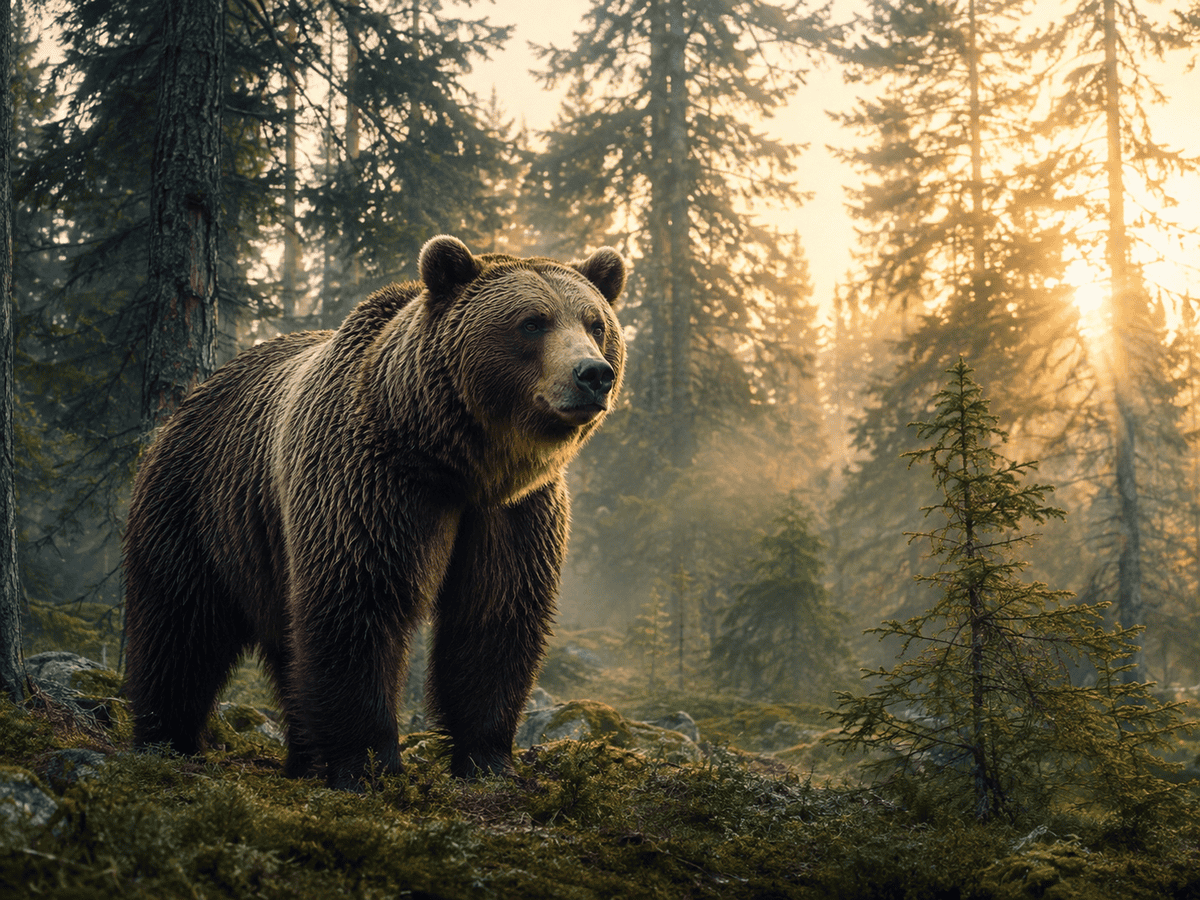
In Finnish mythology and folklore, the bear held such an honored position that people often avoided speaking its ordinary name.
Instead, they used respectful titles and poetic descriptions. One of the best-known names for the sacred bear was Otso.
The animal was treated as a powerful being connected with the forest and the supernatural world.
Traditional stories sometimes described the bear as having heavenly origins before coming down to earth.
After a bear hunt, special ceremonies could be performed to honor the animal and return its spirit respectfully to the cosmic order.
The bear was therefore both hunted and deeply respected. Otso represented strength, dignity, and the mysterious power of the northern wilderness.
5. The Bear Ancestor Appears in Ainu Tradition
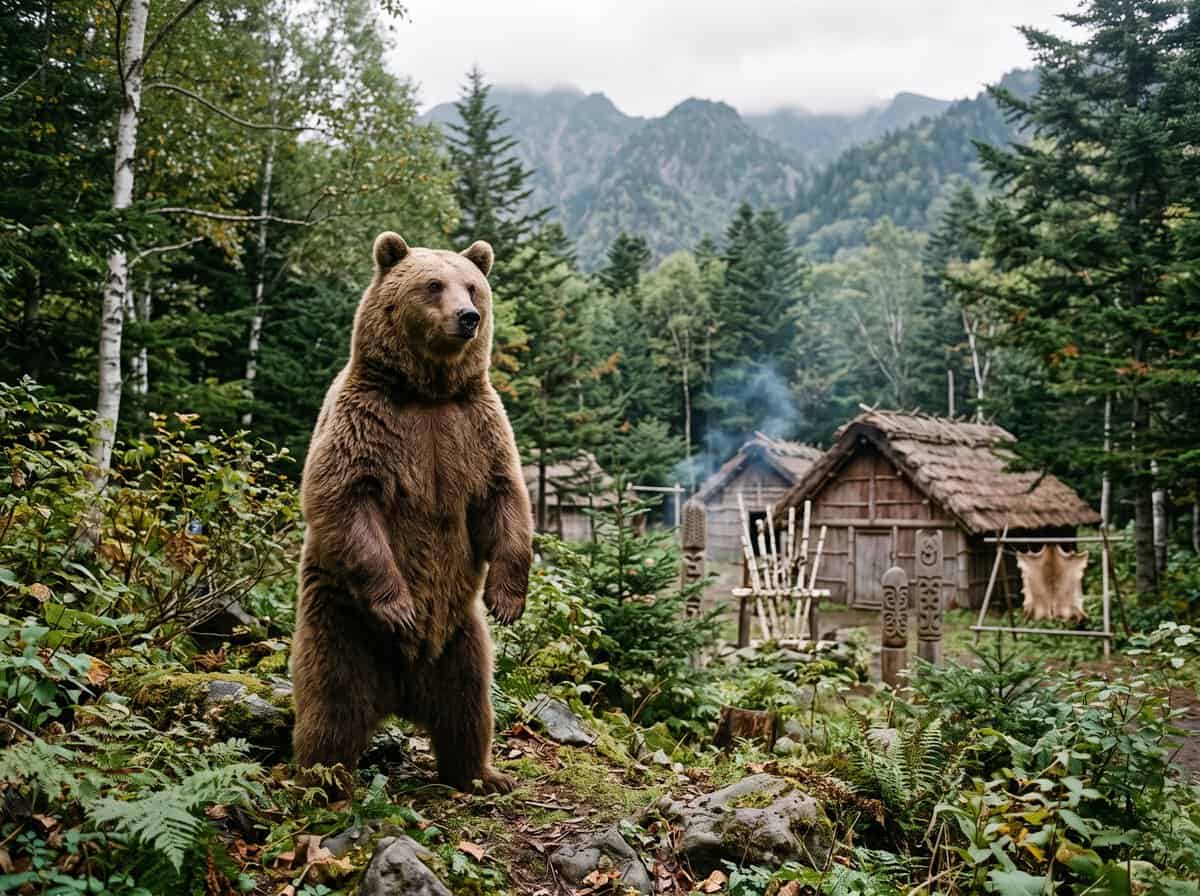
The Ainu people of northern Japan developed one of the world’s most famous spiritual traditions involving bears.
In traditional Ainu belief, bears were associated with powerful spiritual beings known as kamuy.
The animal could be understood as a temporary earthly form through which a divine or spiritual presence entered the human world.
Bear-related ceremonies expressed respect and maintained relationships between humans and the spirit realm.
Rather than viewing the bear as an ordinary wild creature, traditional belief gave it enormous sacred importance.
Its strength, intelligence, and ability to survive harsh northern environments contributed to its spiritual reputation.
These traditions remind us that mythology is not always about distant fictional monsters.
6. Beowulf’s Name May Preserve Ancient Bear Symbolism
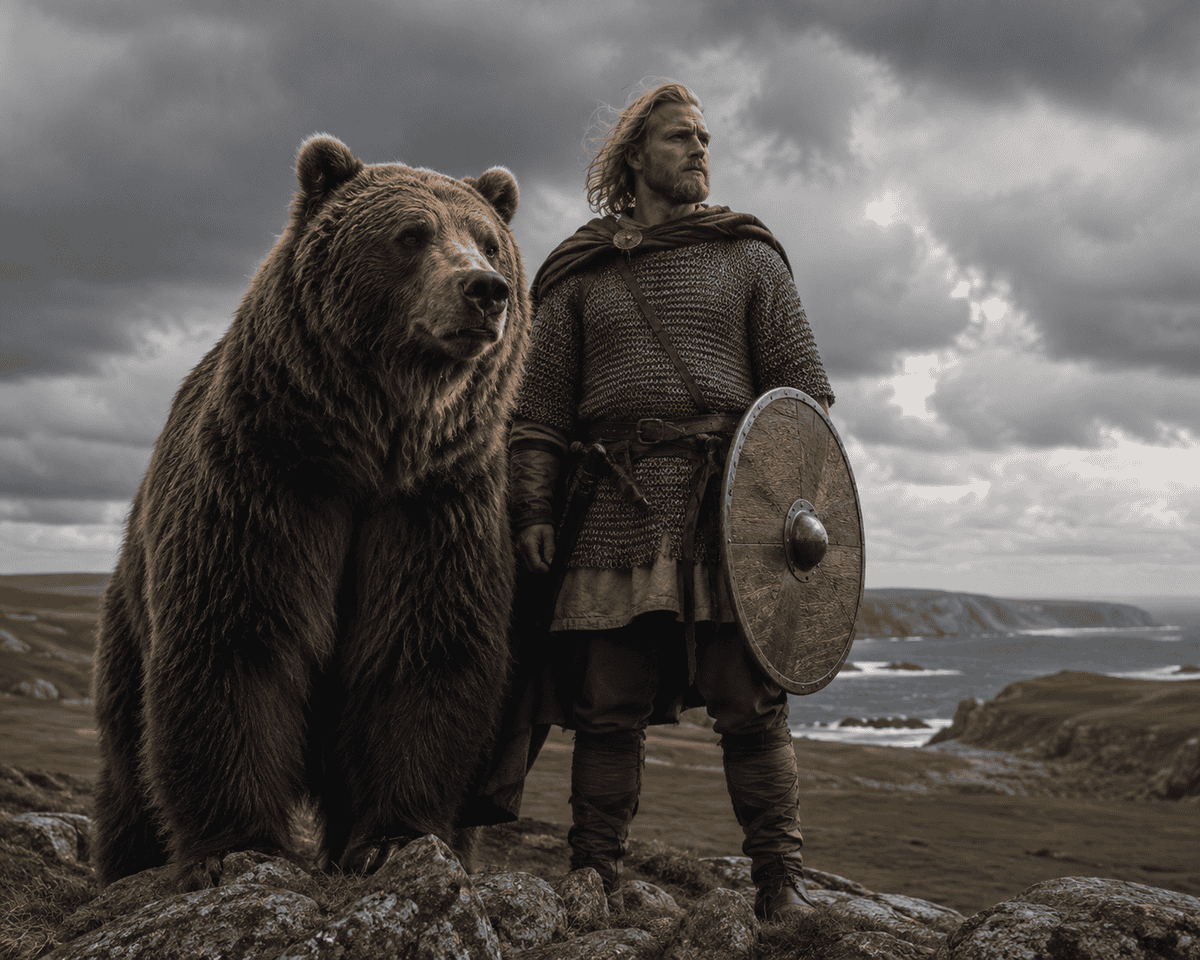
Beowulf is famous for fighting monsters rather than appearing as a bear, yet his name has long inspired connections with bear symbolism.
One traditional interpretation understands Beowulf as a poetic expression related to the bear, sometimes explained through the idea of a “bee wolf,” an animal that raids bees for honey.
Whether every linguistic detail of this interpretation is certain or not, the association fits the hero remarkably well.
Beowulf possesses extraordinary physical strength, courage, and determination. He confronts enemies that ordinary warriors cannot defeat.
These qualities resemble the symbolic image of the bear found throughout northern European warrior traditions.
7. Berserkers Were Closely Associated With Bears
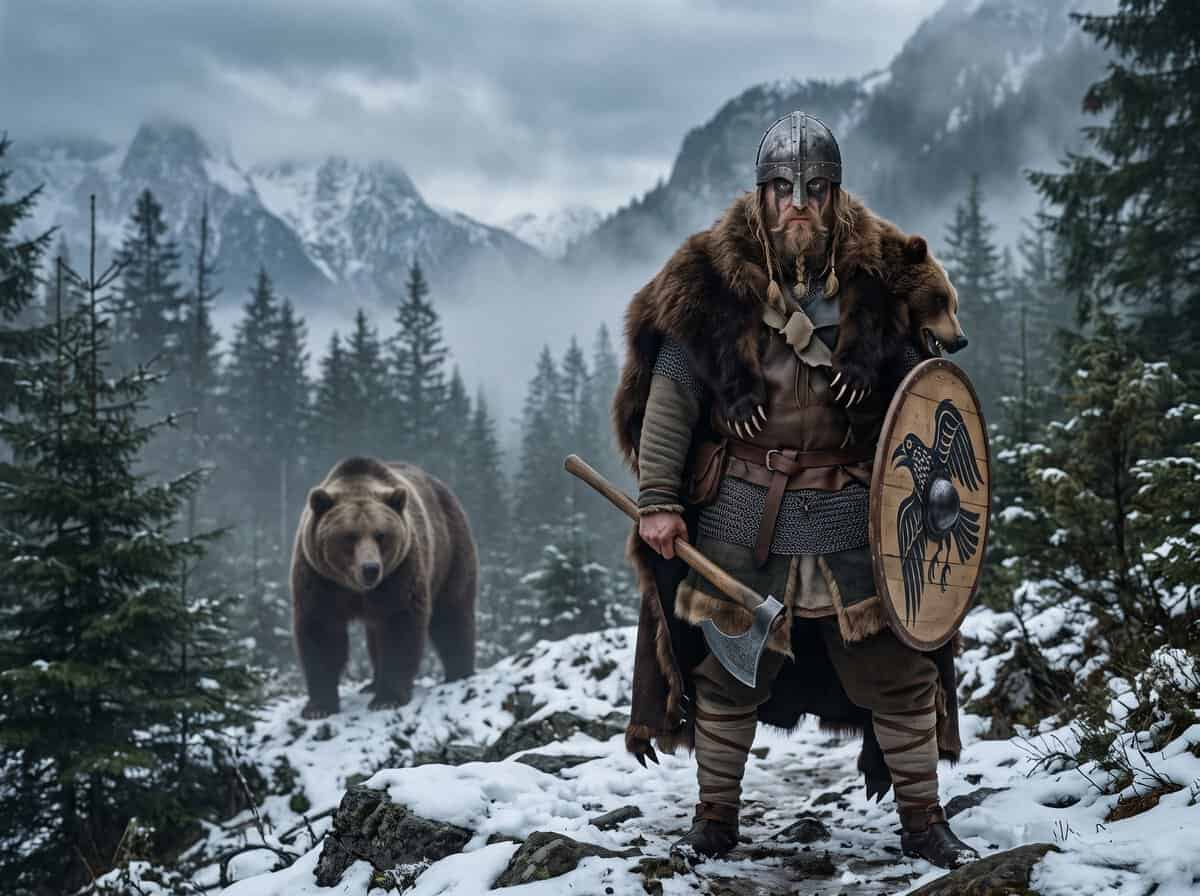
Norse tradition remembered terrifying warriors known as berserkers.
The exact origin of their name is debated, but one famous interpretation connects it with “bear shirts,” suggesting warriors who wore bear skins or identified symbolically with bears.
These fighters were associated with extraordinary courage and intense battle fury. The bear was an ideal animal for such symbolism.
Its physical strength and ability to defend itself fiercely made it one of the most intimidating creatures of northern Europe.
8. Misha Became Connected With Slavic Bear Tradition
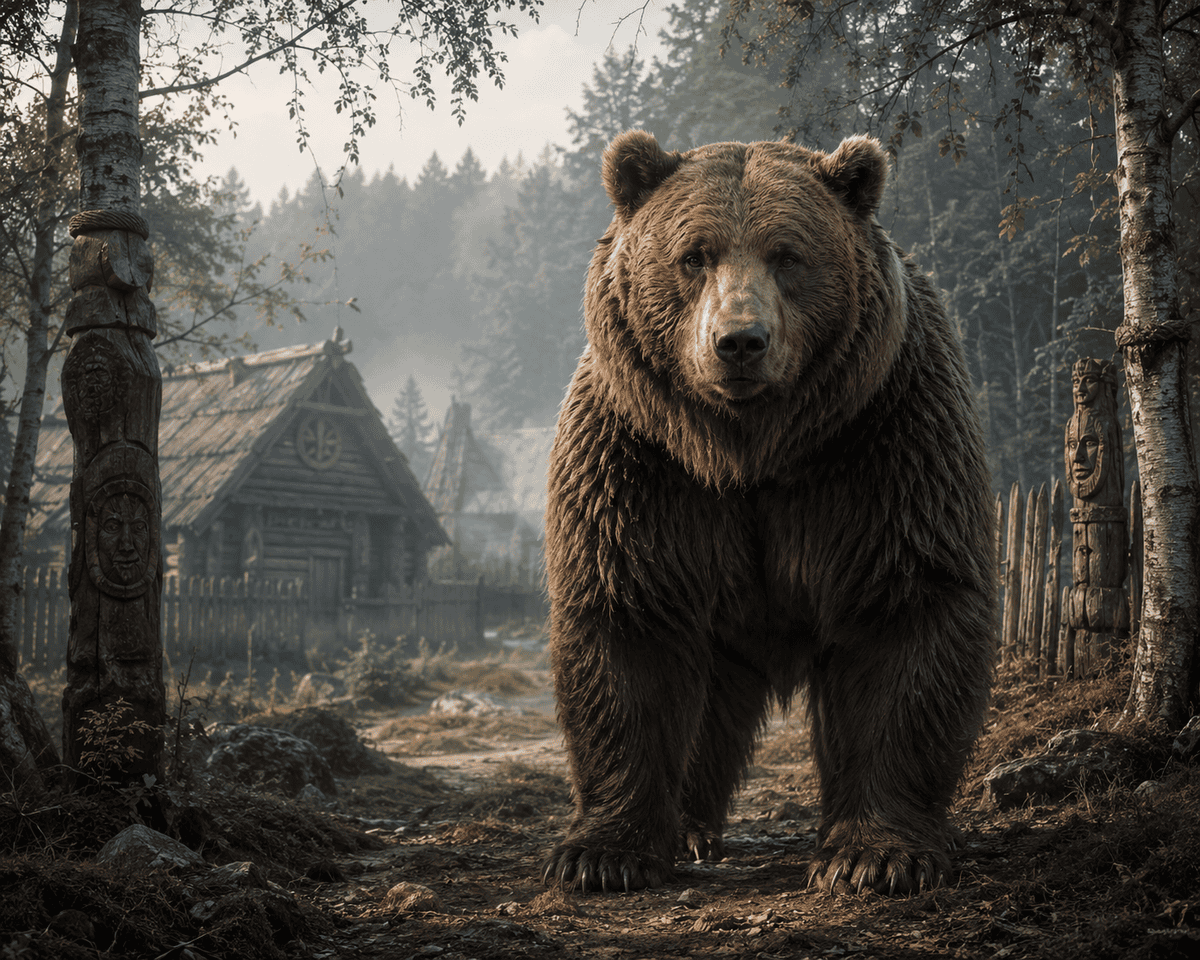
Across Slavic lands, bears occupied an important place in folklore and traditional storytelling.
Rather than one universal bear god appearing across all Slavic cultures, the animal itself often carried sacred and symbolic qualities.
The familiar name Misha became a common affectionate way of referring to bears in later Russian tradition.
Folktales frequently portrayed bears as powerful forest inhabitants capable of displaying both frightening strength and surprisingly human behavior.
The bear could represent authority, stubbornness, protection, or the unpredictable nature of the wilderness.
9. The Great Bear Guided Travelers Through the Night
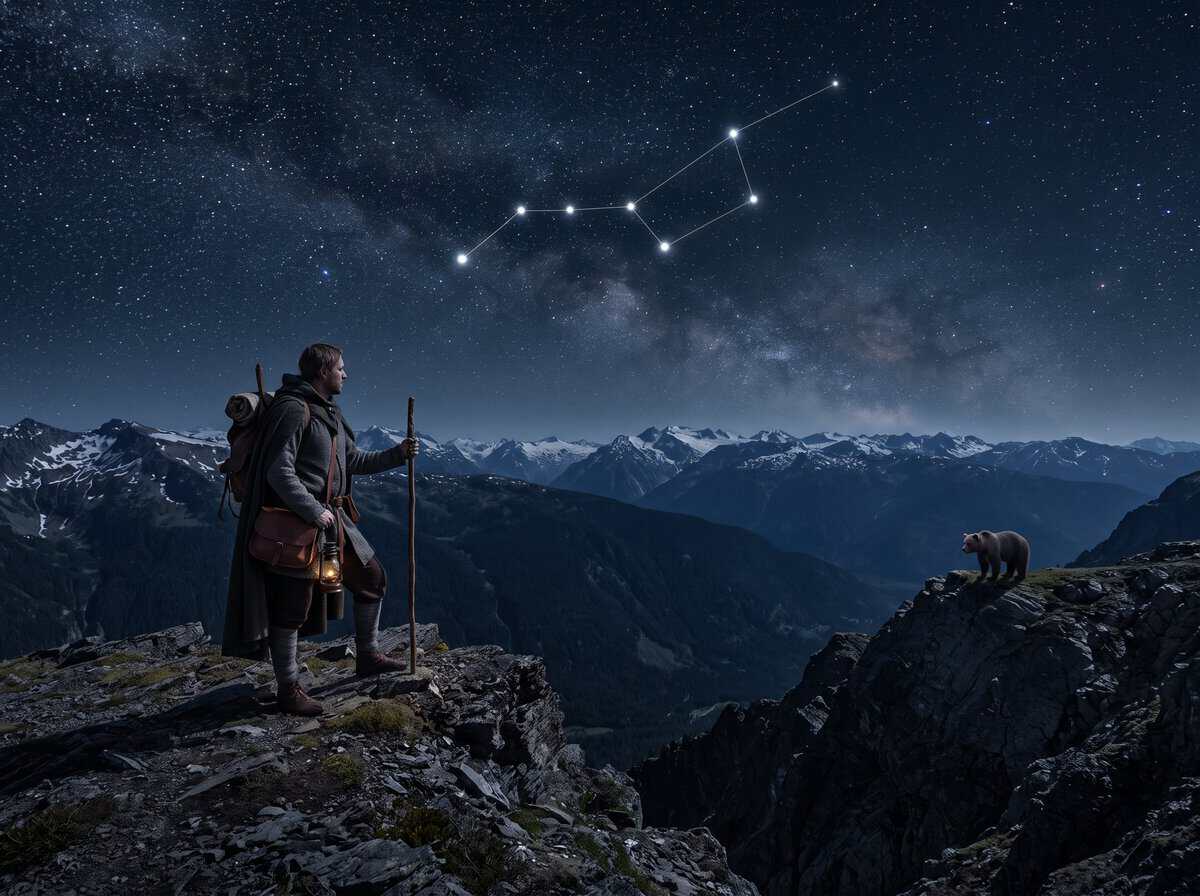
Ursa Major became far more than a constellation in many cultures.
Because of its distinctive shape and position in the northern sky, it helped people understand direction and navigate after sunset.
Different civilizations created their own stories explaining the stars, and several imagined them as a great celestial bear.
The constellation therefore became a kind of legendary animal that never completely disappeared from the heavens.
Its predictable movement represented cosmic order. For travelers, recognizing the Great Bear could help them locate the northern sky.
The heavenly bear watched above generations of hunters, sailors, farmers, and travelers.
Its story demonstrates how mythology and observation of nature often worked together.
10. The Bear Mother Appears in Indigenous North American Traditions
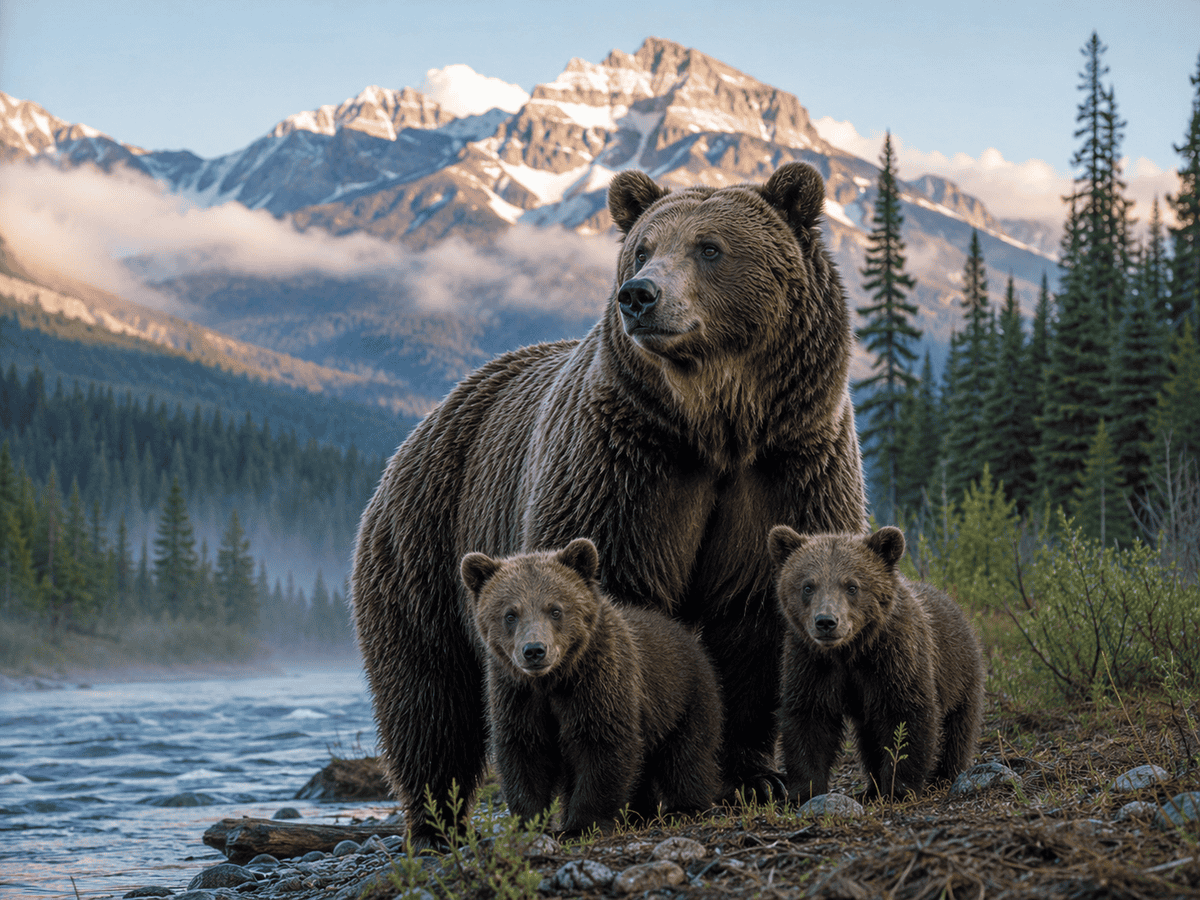
Bear stories appear among numerous Indigenous peoples of North America, although the traditions differ greatly between nations.
In some stories, bears are ancestors, teachers, healers, or beings capable of crossing the boundary between human and animal existence.
Certain traditions tell of women forming extraordinary relationships with bears or becoming connected with bear families.
These stories can emphasize respect for animals, kinship with nature, and the consequences of ignoring spiritual responsibilities.
The mother bear is especially powerful as a symbol because real bears fiercely protect their young.
This behavior inspired associations with guardianship and family strength.

Sempre senti uma forte ligação com o Divino desde o meu nascimento. Como autora e mentora, a minha missão é ajudar os outros a encontrar o amor, a felicidade e a força interior nos momentos mais sombrios.