

The Bible is one of the most influential texts in human history, but not every ancient religious book was included.
Over centuries, religious leaders carefully decided which texts were “canonical” and which were excluded for reasons ranging from questionable authorship to teachings that conflicted with established doctrine.
Some of these banned books circulated widely, offering alternative perspectives on creation, prophecy, morality, and spiritual experiences.
Many contain fascinating stories, hidden wisdom, or controversial ideas that were considered too radical or inconsistent with church teachings.
Exploring these books provides insight into the diversity of ancient religious thought and the debates that shaped the Bible we know today.
1. The Book of Enoch
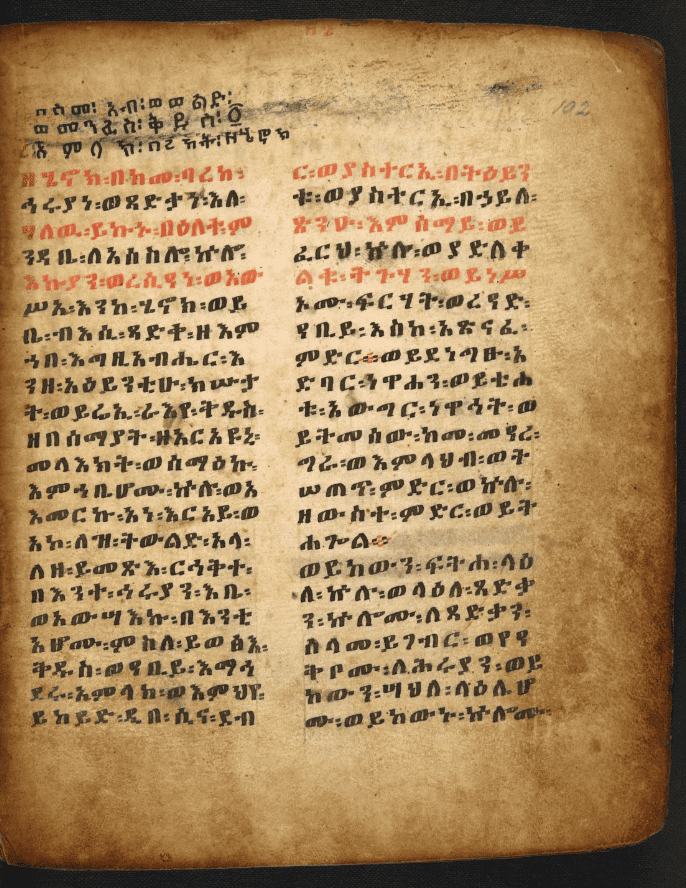
The Book of Enoch is an ancient Jewish text that expands on stories briefly mentioned in Genesis. It describes the fall of angels, the origins of evil, and apocalyptic visions of judgment and redemption.
Though widely read in early Jewish communities, it was ultimately excluded from the canonical Bible, except in the Ethiopian Orthodox Church.
The book influenced early Christian thought, particularly ideas about angels, demons, and the afterlife.
Its exclusion reflects concerns about its authenticity, mystical content, and radical visions that could challenge established religious teachings.
Even today, it remains a subject of fascination for scholars and spiritual seekers.
2. The Gospel of Thomas
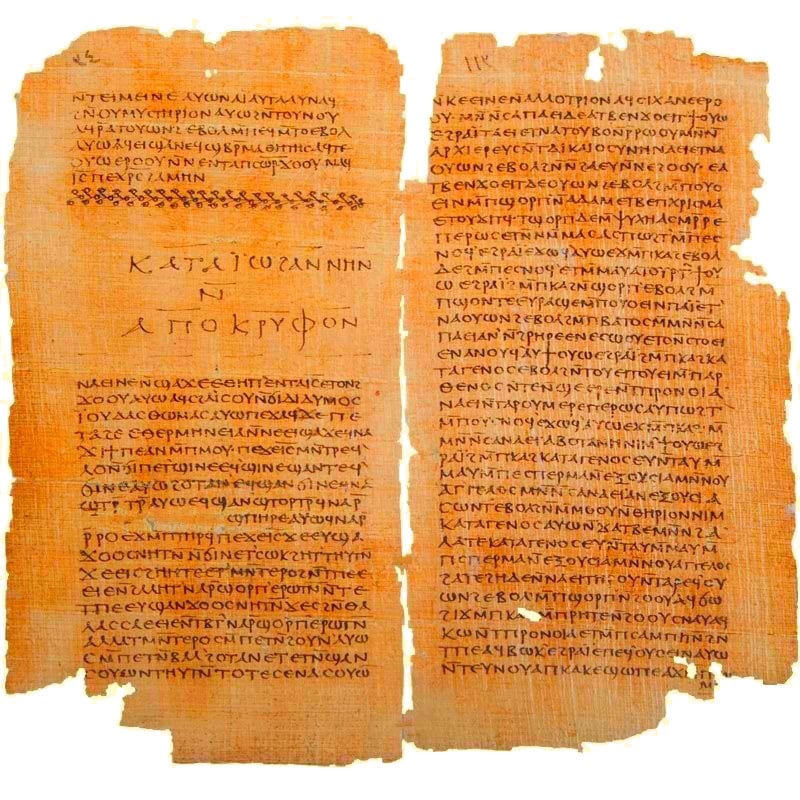
The Gospel of Thomas is a collection of sayings attributed to Jesus, emphasising personal enlightenment and hidden knowledge.
Unlike the canonical gospels, it focuses less on narrative and more on spiritual instruction.
It was discovered among the Nag Hammadi manuscripts in Egypt in 1945, sparking renewed interest in early Christian thought.
Church leaders excluded it because its mystical teachings and lack of narrative alignment conflicted with orthodox interpretations of Jesus’ life and mission.
Despite being banned, it provides a unique perspective on early Christian communities and highlights the diversity of beliefs that existed before the formation of the official canon.
3. The Book of Jubilees
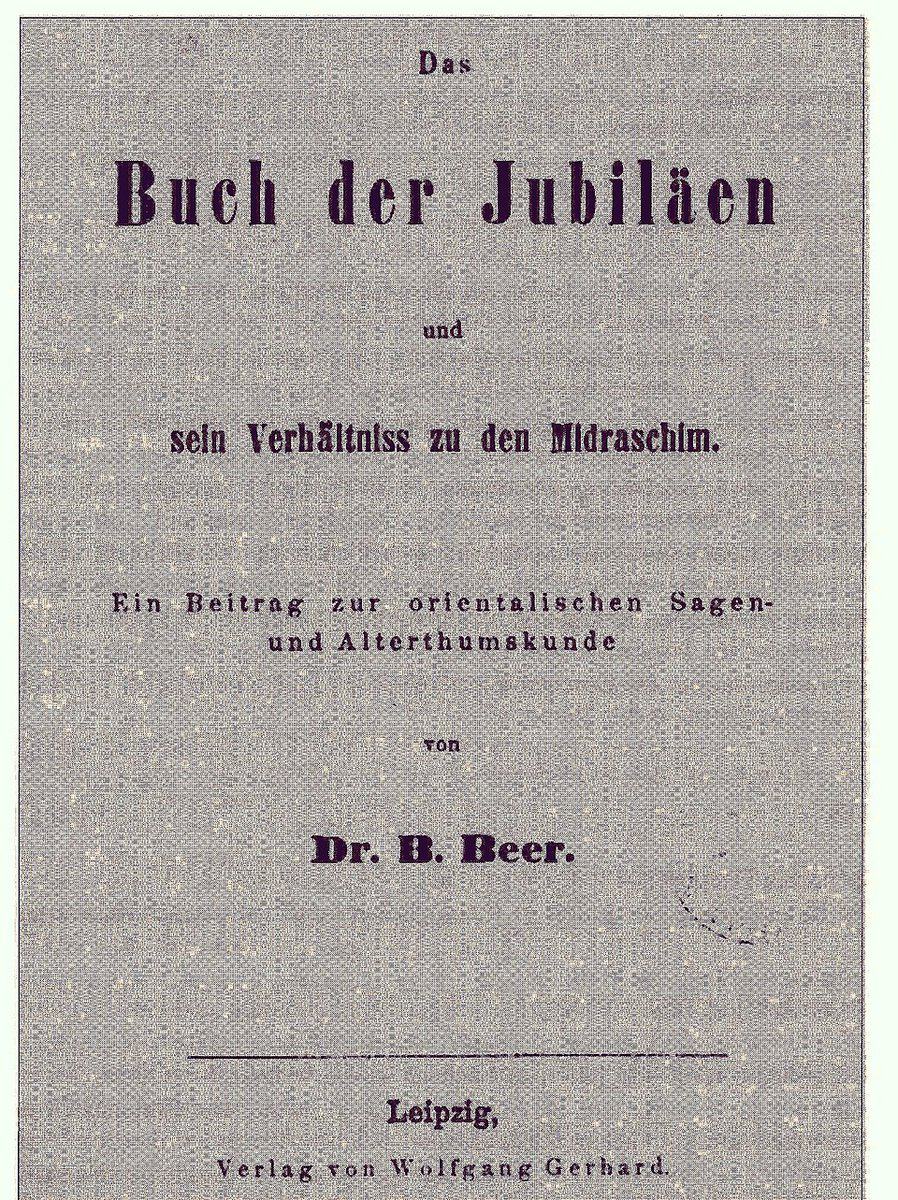
The Book of Jubilees retells the stories of Genesis and Exodus with additional details, focusing on laws, festivals, and genealogies.
It presents a structured timeline of history divided into “jubilees” of forty-nine years each, giving insight into ancient Jewish calendrical and religious practices.
While it was influential in some Jewish sects, it was excluded from most Bibles because of its deviation from mainstream interpretations and its detailed legalistic content.
Its teachings offer a deeper understanding of Jewish thought and traditions during the Second Temple period. Scholars study it to learn about the historical, religious, and cultural context of the time.
4. The Gospel of Mary Magdalene
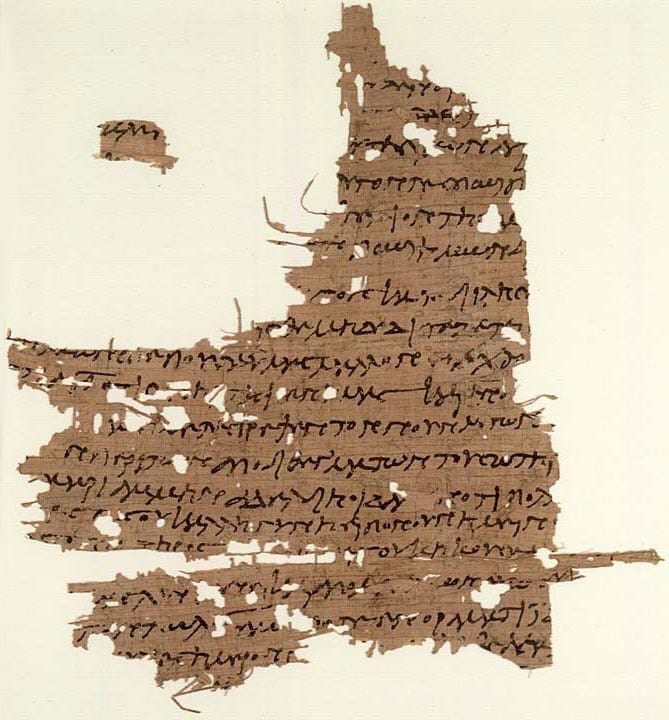
The Gospel of Mary Magdalene presents teachings of Jesus as interpreted by Mary, emphasising inner knowledge and spiritual insight.
It portrays Mary as a prominent disciple with a deep understanding, challenging traditional views of female roles in early Christianity.
This text was rejected from the canon because it conflicted with orthodox teachings on authority, gender, and church hierarchy.
Despite its exclusion, it offers a glimpse into alternative Christian communities and highlights the importance of women in spiritual leadership.
The manuscript survives only in fragments, but its ideas continue to inspire modern scholars and spiritual seekers interested in overlooked perspectives from early Christianity.
5. The Apocalypse of Peter
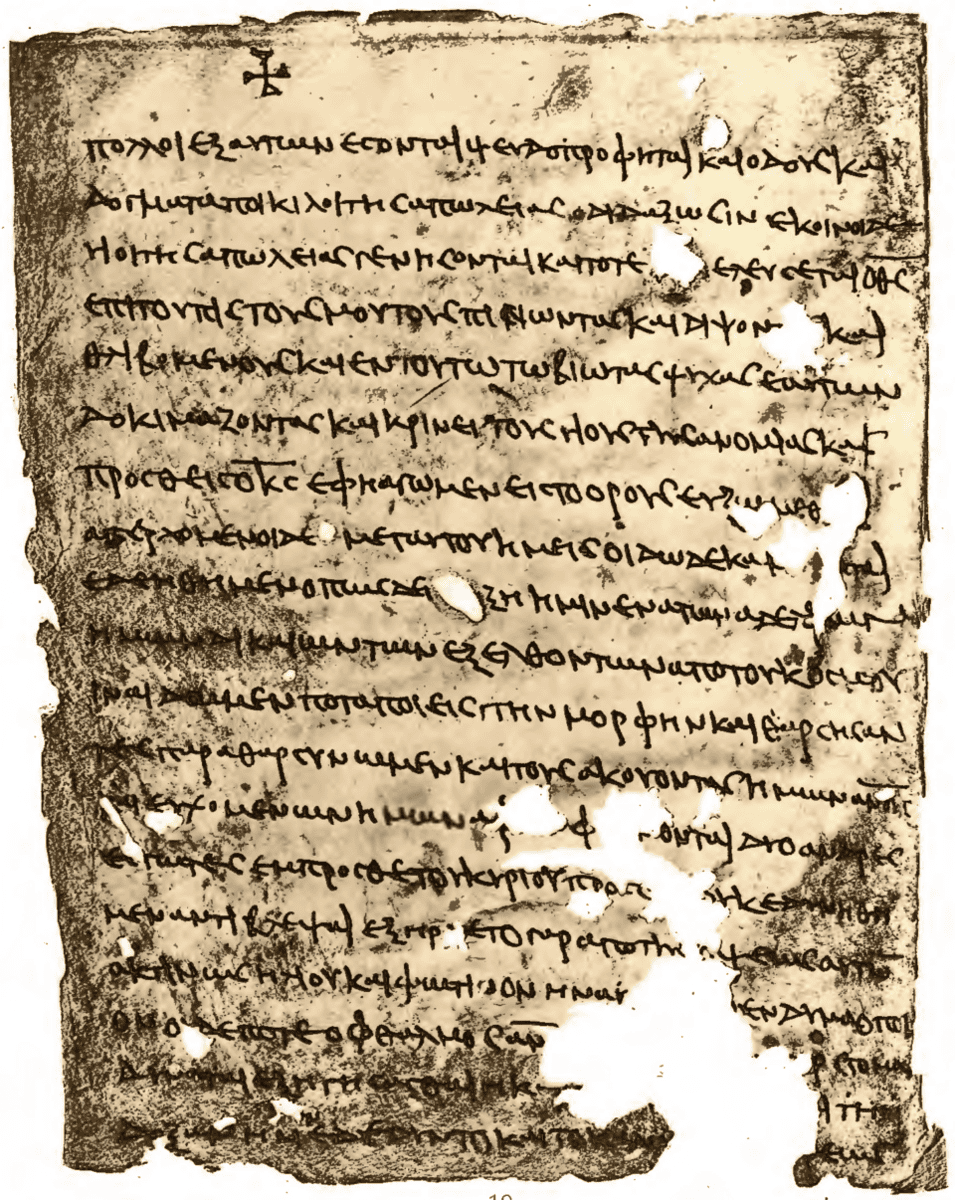
The Apocalypse of Peter is an early Christian text describing visions of heaven and hell, emphasising the rewards of righteousness and the punishments of sinners.
It is more graphic and vivid than canonical Revelation, detailing torments with a focus on moral instruction.
Early church leaders debated its authenticity and appropriateness for teaching, ultimately excluding it from the official Bible.
Its exclusion highlights concerns about the use of fear and punishment in religious instruction and the desire to maintain theological consistency.
Today, it provides scholars with insight into early Christian eschatology and the imaginative ways believers envisioned the afterlife.
6. The Infancy Gospel of James
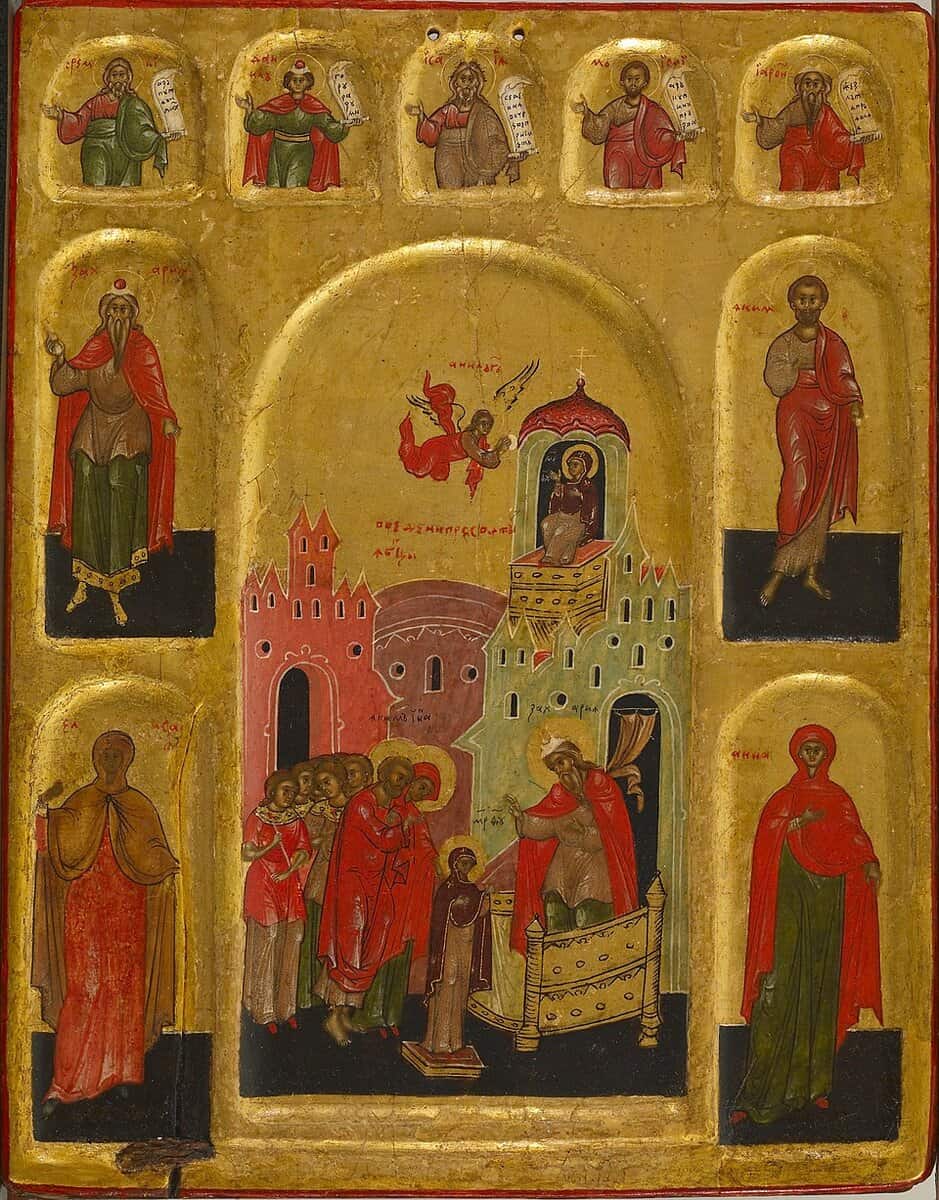
The Infancy Gospel of James, also called the Protoevangelium of James, explores the early life of Mary and the birth of Jesus.
It offers details about Mary’s upbringing, Joseph’s character, and miraculous events surrounding Jesus’ birth.
Though popular in some early Christian communities, it was rejected due to concerns about historical accuracy and embellishment of stories not found in canonical gospels.
Its narratives influenced Christian traditions, including the veneration of Mary and nativity stories.
Studying this text provides context for how early believers developed traditions and myths around familiar figures while negotiating the boundaries of accepted scripture.
7. The Book of Tobit
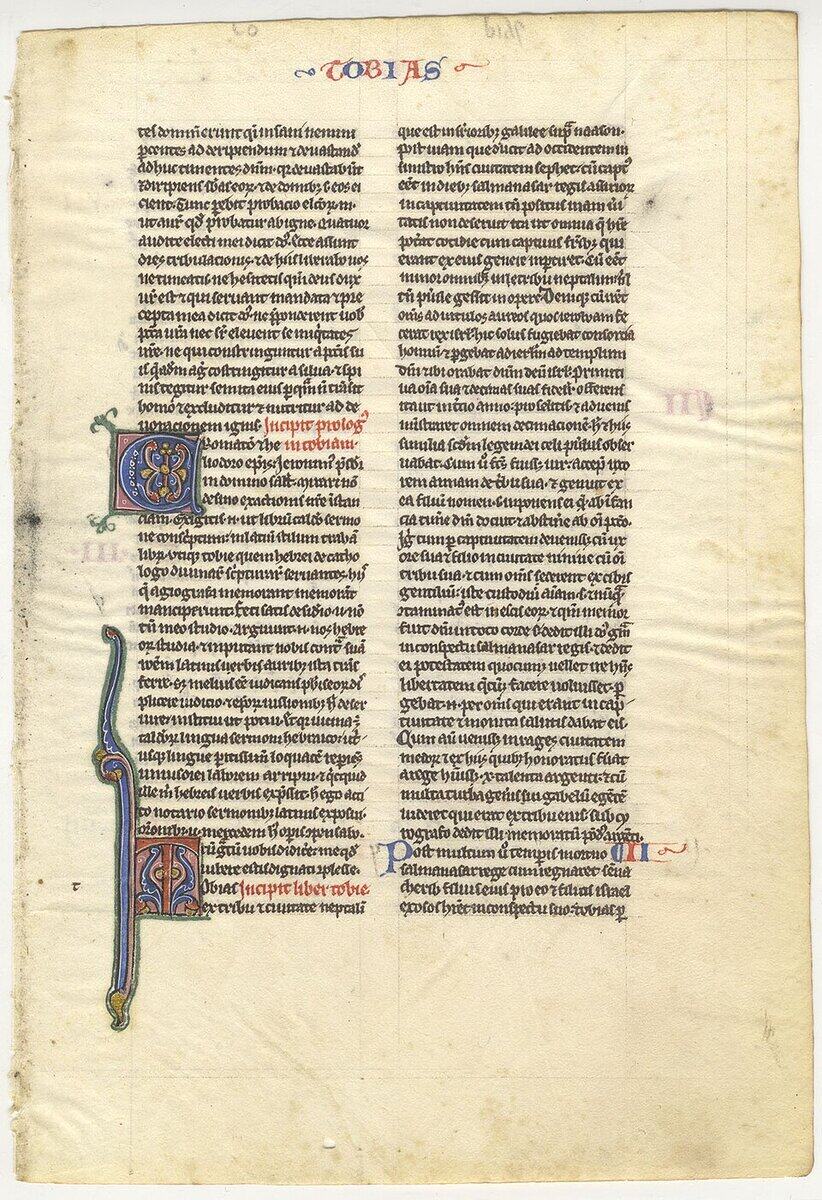
The Book of Tobit tells a story of piety, family loyalty, and divine intervention, featuring angels and miraculous events.
It is included in some Christian traditions, like Catholicism and Eastern Orthodoxy, but excluded from Protestant Bibles.
The story explores themes of faith, obedience, and divine justice, offering moral lessons in an engaging narrative.
Its exclusion from certain Bibles reflects historical debates over which texts were considered authoritative and inspired.
Despite being banned in some traditions, it remains a beloved story that provides insight into ancient Jewish values, the role of angels, and the ways moral instruction was conveyed through narrative storytelling.

Sempre senti uma forte ligação com o Divino desde o meu nascimento. Como autora e mentora, a minha missão é ajudar os outros a encontrar o amor, a felicidade e a força interior nos momentos mais sombrios.