
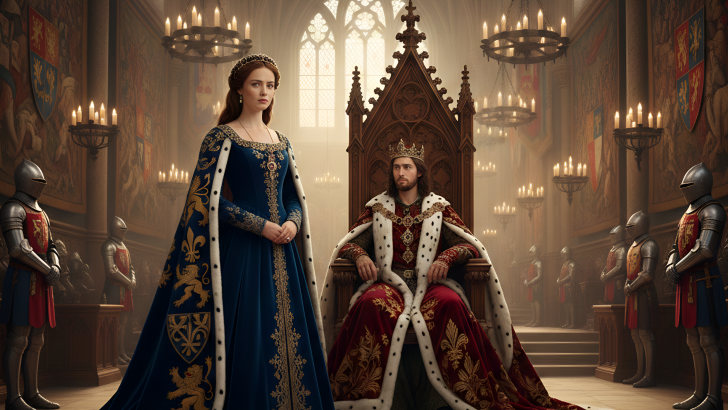
Isabella of France, often called the “She-Wolf of France,” was one of the most powerful and influential women of the Middle Ages.
Born in 1295 as the daughter of King Philip IV of France, she was married to Edward II of England as part of a political alliance.
Despite being married at a very young age, Isabella grew to become a clever and determined woman who would challenge kings and shape the course of history.
She is remembered for her political skill, her role in overthrowing her husband, and her influence over her son, Edward III.
Isabella’s life was full of ambition, danger, and courage. She went from a young bride to a queen who could control nations and make powerful decisions.
Here are five important facts about Isabella of France that reveal why she earned the nickname “She-Wolf of France.”
1. She Was Married Very Young
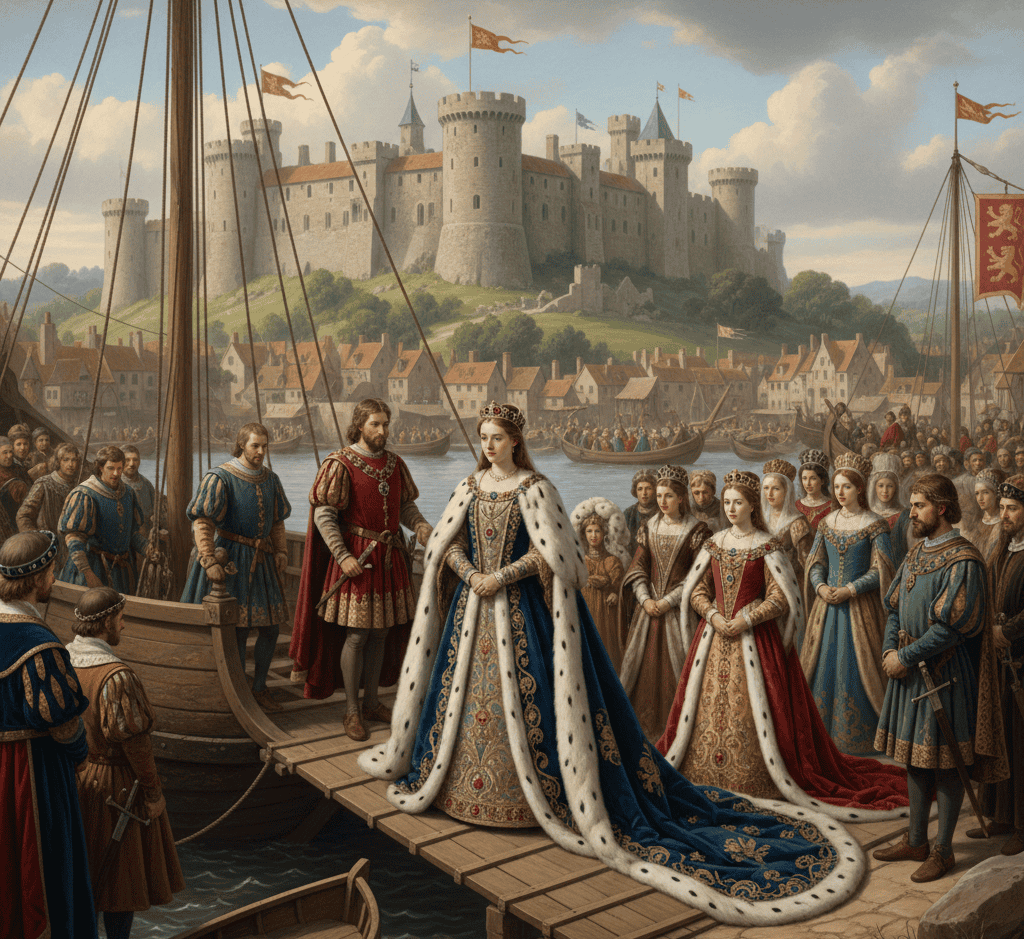
Isabella of France was married to Edward II of England when she was just 12 years old. This was a political marriage designed to strengthen ties between England and France.
At first, Isabella had little influence in her new country because she was so young and unfamiliar with the English court.
However, she quickly learned to navigate the complex politics and traditions of the kingdom.
Over time, she became skilled at handling nobles, advisors, and her husband, who was not always a strong or effective ruler.
Despite the difficulties of a marriage at such a young age, Isabella adapted and began to understand how to use her position to gain influence.
Her early experience as a child bride shaped her ability to survive and thrive in a dangerous political world.
2. She Faced a Difficult Marriage

Isabella’s marriage to Edward II was not easy. Edward preferred his male favorites over his queen, which caused tension and humiliation for Isabella.
She was expected to produce heirs and secure the throne, but Edward’s favoritism and poor leadership made her life challenging.
She often felt isolated at court and had to contend with rival factions that supported the king’s favorites.
Despite these difficulties, Isabella stayed patient and careful, learning how to manage the politics of the court.
Her intelligence and patience allowed her to build alliances and eventually take action to protect her own interests and those of her son, the future Edward III.
Her difficult marriage taught her how to act decisively when the time came to challenge the king.
3. She Led a Rebellion Against Her Husband
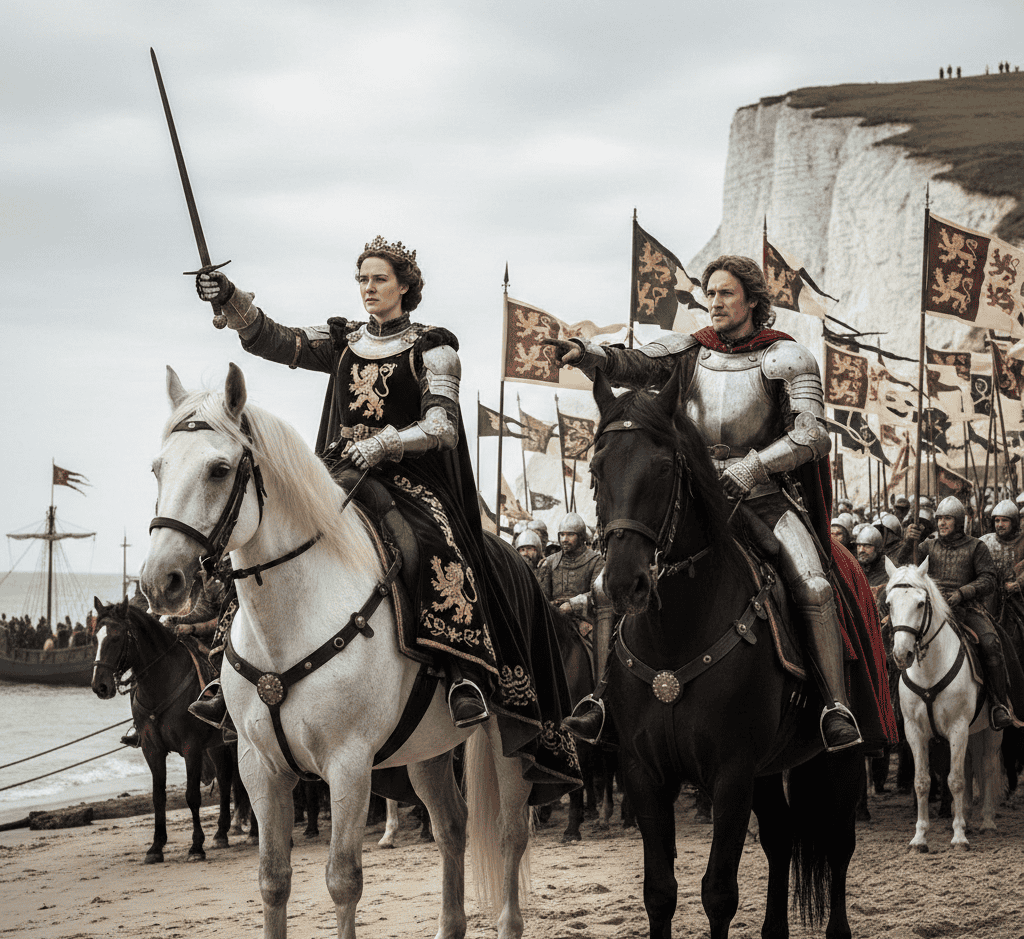
Isabella of France is famous for leading a rebellion against Edward II. In the 1320s, she allied with Roger Mortimer, an English noble, to challenge the king’s rule.
Edward’s poor leadership and favoritism had angered many nobles, giving Isabella the opportunity to act.
She raised an army and invaded England, capturing her husband and forcing him to abdicate in favor of their son, Edward III.
This bold move required courage, strategy, and careful planning, showing that Isabella could act decisively when her position and her family were at risk.
Her rebellion demonstrated her skill in politics and warfare, proving that she could influence the kingdom and reshape the monarchy according to her will.
4. She Controlled the Kingdom Through Her Son

After Edward II was removed, Isabella ruled as regent alongside Roger Mortimer during her son Edward III’s early reign.
She managed the kingdom’s politics, finances, and foreign relations while preparing Edward to take the throne fully when he came of age.
Isabella made important decisions, appointed officials, and maintained stability in a turbulent period.
Her regency showed that she was capable not just of rebellion but also of governing effectively.
She ensured that her son’s inheritance and position were secure, strengthening the monarchy and protecting the future of England.
Her ability to rule through her son proved her skill as a leader and her influence over the kingdom during one of its most challenging times.
5. She Left a Lasting Legacy
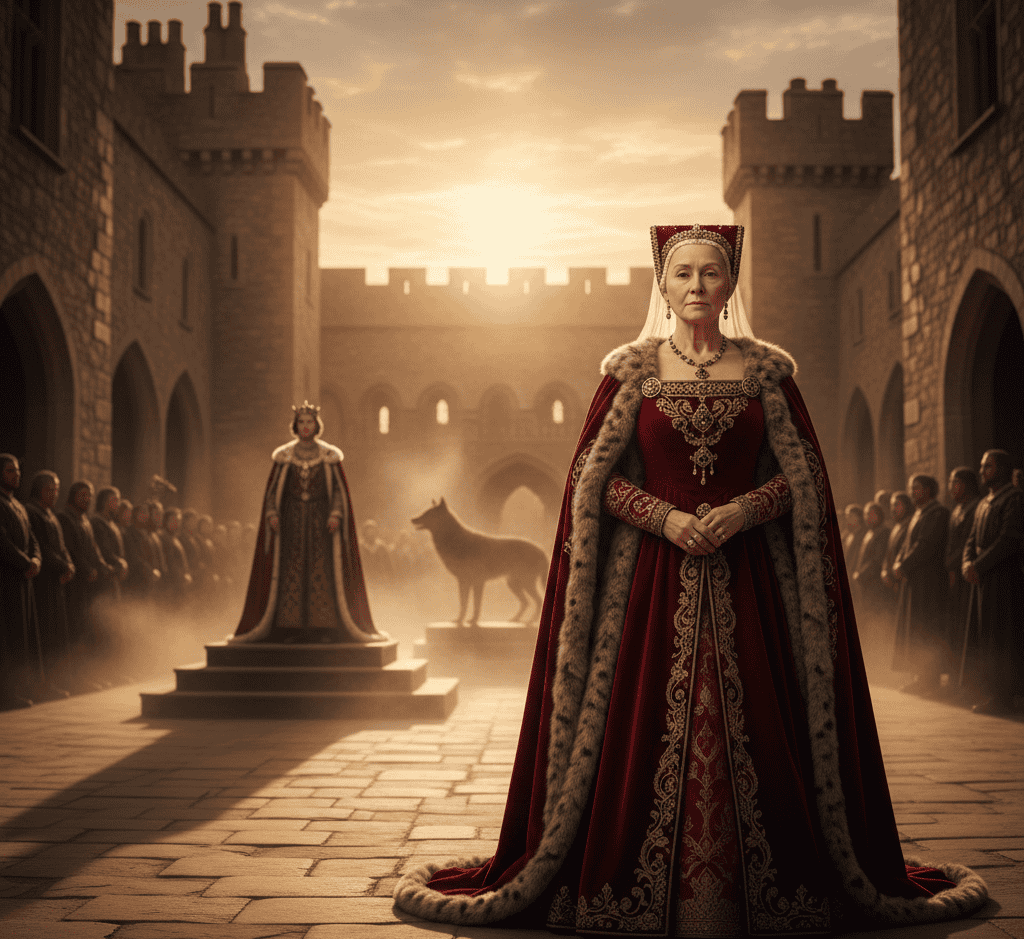
Isabella of France left a lasting mark on English and French history.
Her bold actions against her husband, her leadership during her son’s regency, and her political skill earned her both admiration and fear.
She was called the “She-Wolf of France” because of her ruthless determination and intelligence.
Even after her fall from power when Edward III took full control, her legacy lived on in history as a woman who challenged a king, influenced the monarchy, and shaped the political landscape of England.
Isabella’s story continues to inspire discussions about female power, courage, and strategy in a world dominated by men, showing that one determined queen could change the course of history.

Sempre senti uma forte ligação com o Divino desde o meu nascimento. Como autora e mentora, a minha missão é ajudar os outros a encontrar o amor, a felicidade e a força interior nos momentos mais sombrios.